Talcahuano Naval Port: The Huáscar Ironclad Battleship, the Chilean Navy Museum, the Caleta Tumbes Seafood Market, and the Biobío Estuary Maritime Heritage
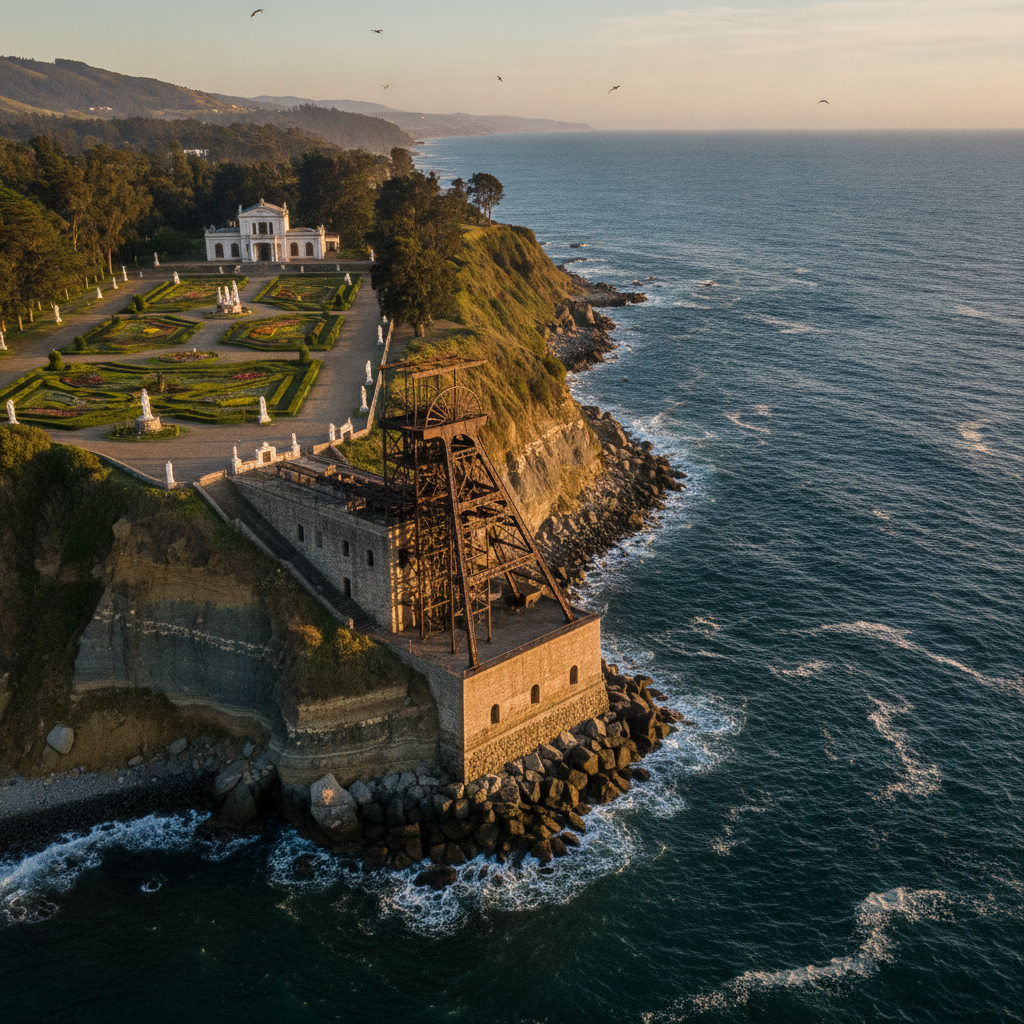
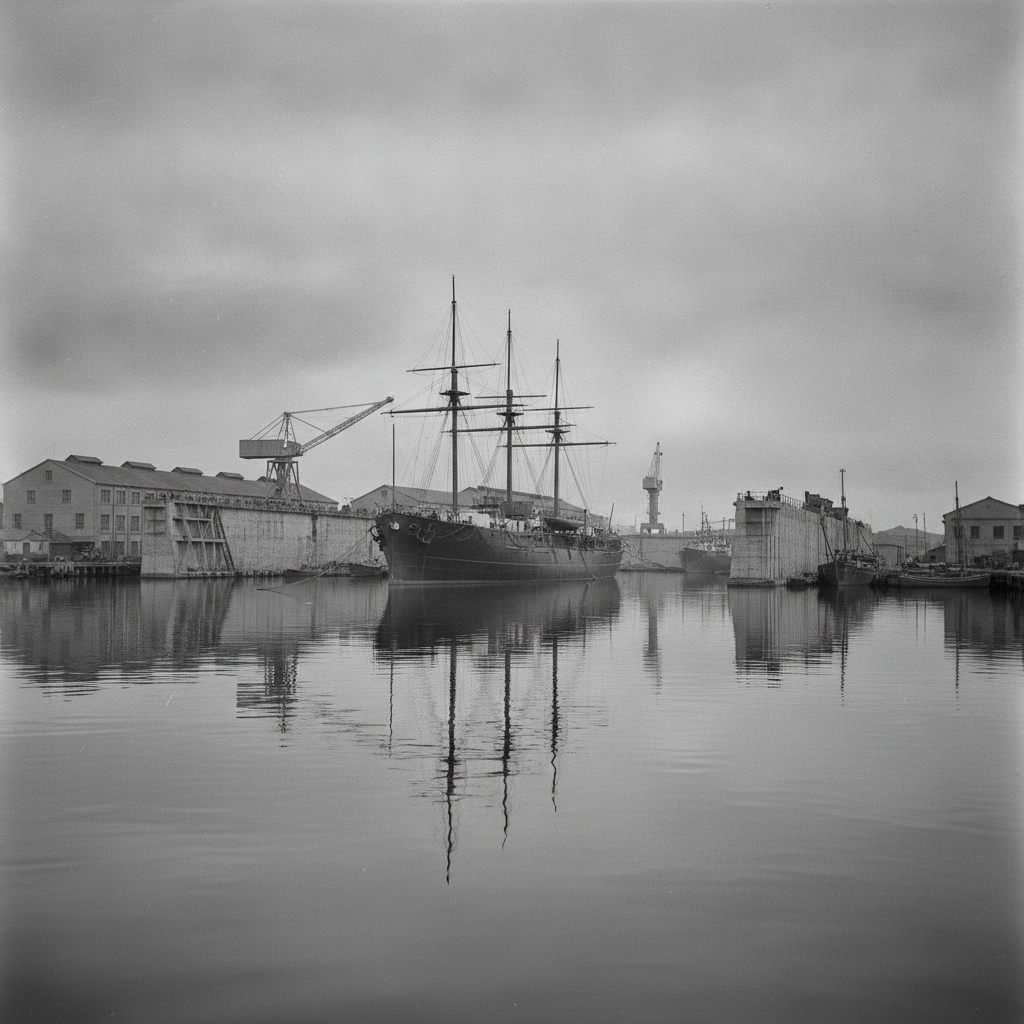
The Talcahuano naval heritage route covers the Huáscar, the most historically significant surviving warship from the 1879 War of the Pacific and the only remaining armored turreted warship from the nineteenth century in the Americas, the Chilean Navy Museum as the most complete single naval history collection in the country, the Caleta Tumbes fishing harbor as the most authentic single seafood market in the greater Concepción area, and the Biobío estuary coastline as the most industrially dramatic single waterfront landscape in central-southern Chile.
- 1
Huáscar: The War of the Pacific Ironclad
The Huáscar, the 1,130-ton Peruvian ironclad turret ship captured by Chile in 1879 during the Battle of Angamos and now preserved as a museum ship at the Talcahuano naval base, is the most historically significant single surviving warship from the War of the Pacific conflict that defined the territorial boundaries of Chile, Peru, and Bolivia, and the only complete armored turreted warship remaining from the nineteenth century in the entire Americas. The rotating turret with the Armstrong guns, the captain's cabin where Peruvian Admiral Grau died in combat, and the engine room with the original Humphreys machinery constitute the most complete single naval heritage experience available in Chile.
- 2
Chilean Navy Museum: The Maritime History Collection
The Museo Naval y Marítimo within the Talcahuano naval base adjacent to the Huáscar is the most comprehensive single collection of Chilean naval history artifacts, including the most complete assemblage of War of the Pacific weaponry, naval uniforms, and battle maps available in a single Chilean museum, alongside the Arturo Prat commemorative exhibition documenting Chile's most celebrated naval hero who died boarding the Huáscar at Iquique in 1879. The scale models of historic Chilean naval vessels, the navigational instruments collection, and the torpedo room displays constitute the most complete single introduction to Chilean maritime heritage.
- 3
Caleta Tumbes: The Authentic Fishing Harbor
Caleta Tumbes, the traditional fishing village harbor 8 kilometers north of Talcahuano on the Biobío estuary shore, is the most authentically atmospheric single fishing community in the greater Concepción area, with the daily morning fish market offering the most direct farm-to-table experience of Biobío coastal seafood available outside the commercial supermarket system. The local seafood restaurants specializing in chupe de mariscos (shellfish casserole), the locos (Chilean abalone), and the machas (razor clams) constitute the most regionally distinctive single seafood dining experience in the Concepción metropolitan area.
- 4
Isla Quiriquina: The Nature Reserve Island
Isla Quiriquina, the 400-hectare island at the entrance of the Biobío estuary visible from Talcahuano, is the most biologically significant single island nature reserve in the Biobío region and a major breeding colony for the most concentrated single population of Humboldt penguins and South American sea lions on the central Chilean coast. The island operates as a restricted naval zone with limited tourism access, but the boat excursions from Talcahuano constitute the most wildlife-focused single half-day excursion available in the greater Concepción area.
- 5
Talcahuano Industrial Waterfront: The Port Cityscape
The Talcahuano industrial waterfront extending 12 kilometers along the Concepción Bay shoreline is the most dramatically industrial single coastal landscape in central-southern Chile, combining the active commercial port with the largest dry dock complex in the country and the historic naval base in the most layered single maritime industrial environment available on the Chilean coast. The shipyard cranes, the container terminal, and the naval vessel maintenance facilities visible from the coastal highway create the most visually distinctive single industrial harbour panorama in the Biobío region.
- 6
Biobío Estuary Coastline: The Wetland Bird Sanctuary
The Biobío River estuary wetlands extending across 3,000 hectares at the river mouth south of Talcahuano constitute the most ecologically significant single coastal wetland system in central Chile and the most important single migratory shorebird stopover on the Chilean Pacific flyway, hosting the most concentrated single winter population of black-necked swans, flamingos, and herons in the Biobío region. The Santuario de la Naturaleza Carlos Anwandter nature reserve trails, the birdwatching platforms, and the estuary canoe routes create the most complete single wetland nature experience available in greater Concepción.
Walk this route with audio
Stories play automatically as you reach each stop — no tapping needed.
More in Concepción
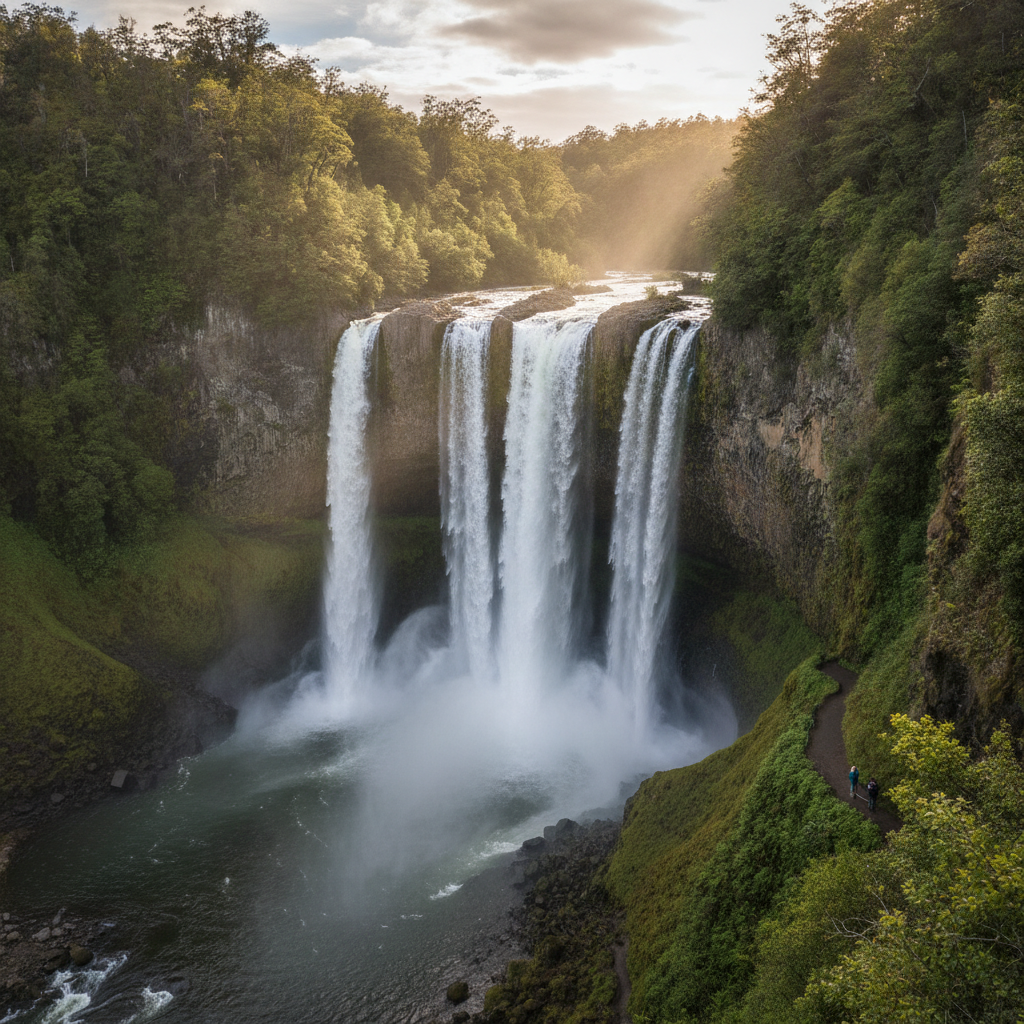
Salto del Laja and Laguna del Laja: The Waterfall Circuit, Antuco Volcano, the Biobío River Canyon, and the Andean Frontier
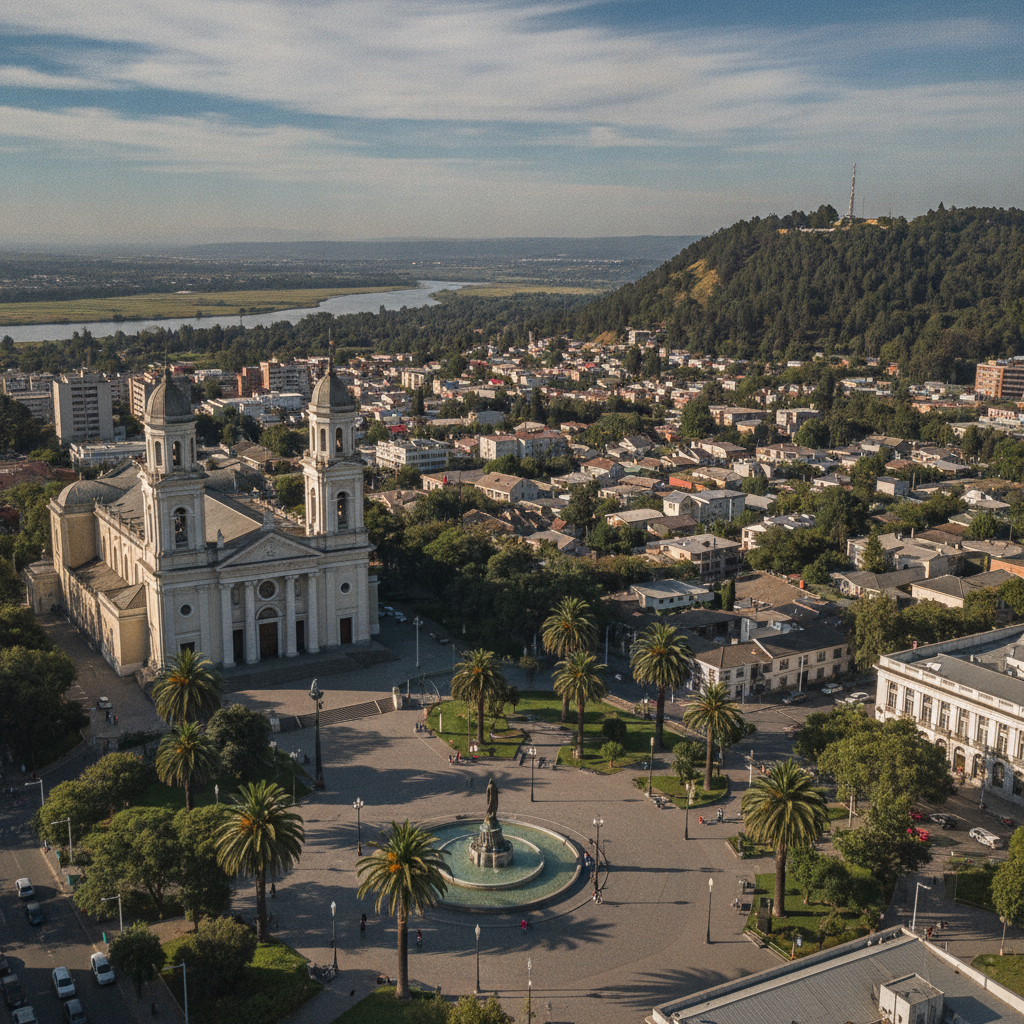
Concepción Essential: The Biobío River, the Gran Catedral, Parque Ecuador, the Universidad de Concepción Murals, Cerro Caracol, and the Gateway to Chilean Lake District

Nahuelbuta National Park: The Araucaria Forest, Angol City, the Purén Mapuche Heritage, and the Coastal Range Wilderness
Concepción Bay Colonial Circuit: The Penco Fort, Lirquén Port, the Bahía de Concepción Coastline, and the Yumbel Pilgrimage Shrine
Concepción Interior Day Trips: Cabrero, Yumbel Pilgrimage Town, Coelemu Colonial Church, and the Biobío Pre-Andean Villages