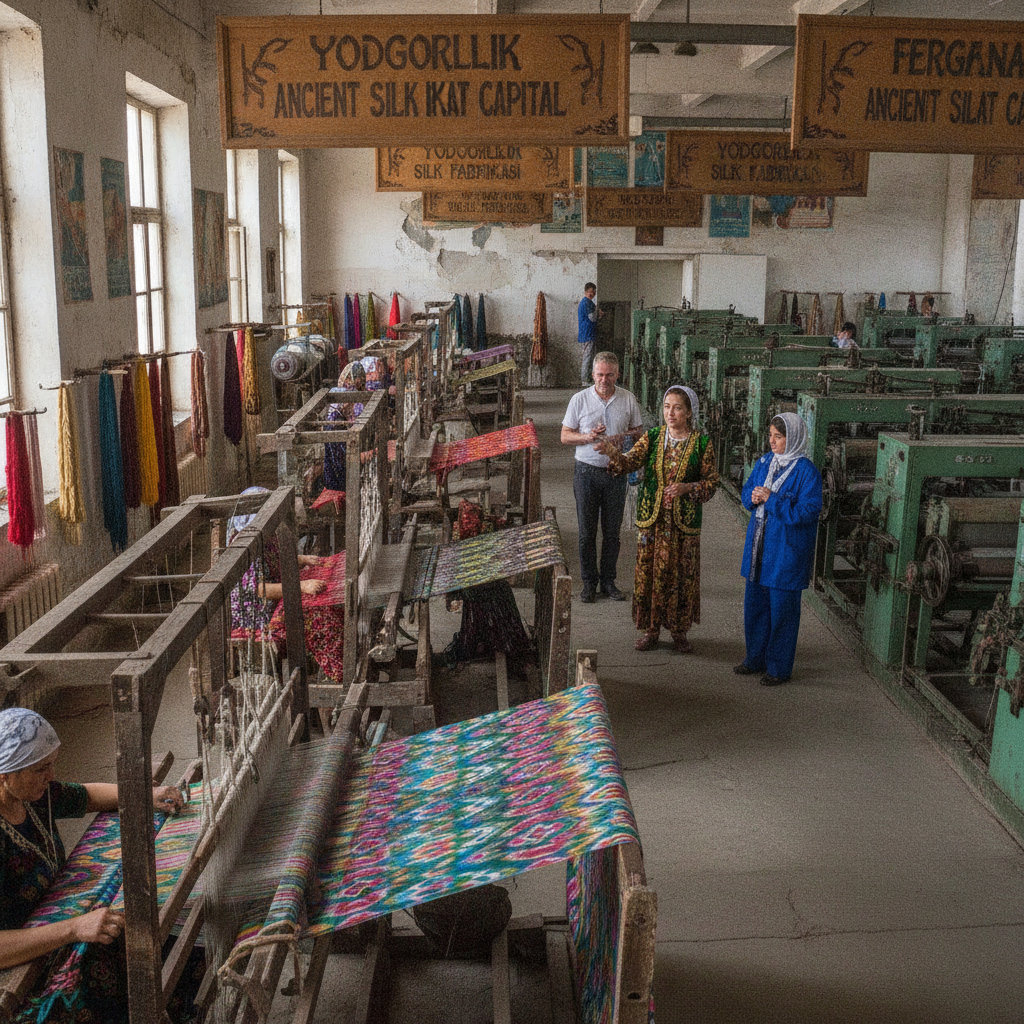
Fergana Margilan Ancient Silk Ikat Capital
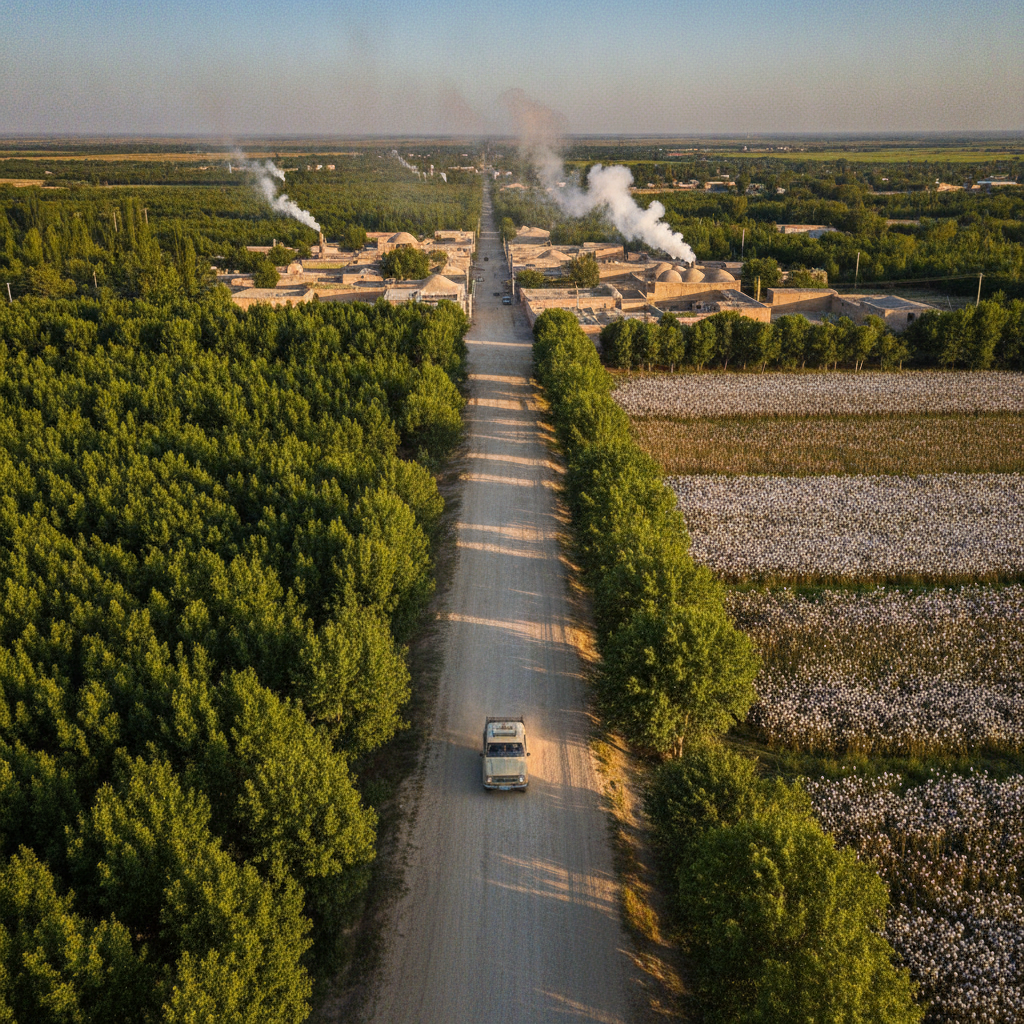
Visit Margilan — the ancient city 15 kilometers from Fergana that has been the silk capital of Central Asia since the Silk Road era, the city whose ikat-dyed silk fabrics are collected worldwide, the workshops of the Yodgorlik Silk Factory preserving traditional hand-weaving techniques alongside the craft workshops of the old bazaar.
- 1
Yodgorlik Silk Factory
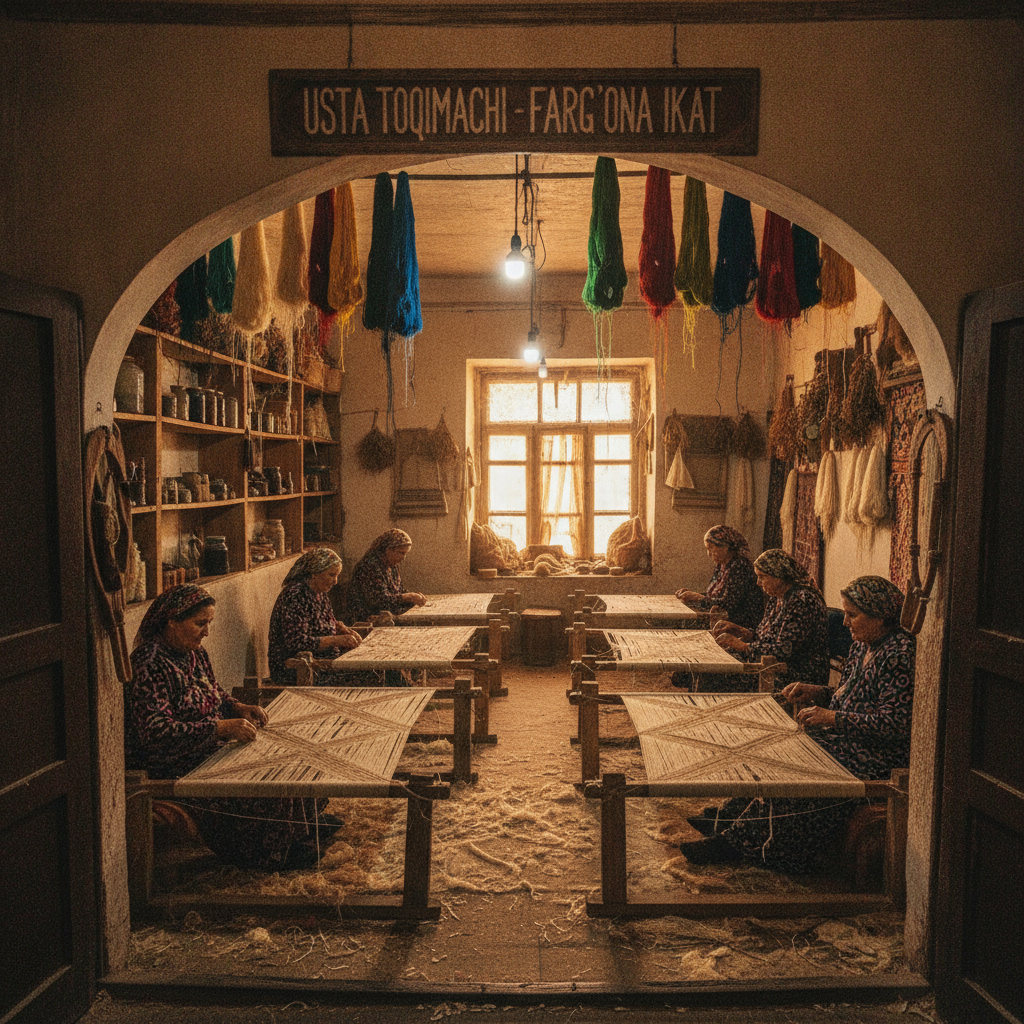
The Yodgorlik Silk Factory in Margilan — the state enterprise established in the Soviet period that preserved traditional hand-weaving techniques alongside mechanized production, the factory tour showing the complete process from raw silk cocoon to finished ikat fabric, the workshops employing hundreds of weavers in the traditional technique.
- 2
Ikat Dyeing Process
The ikat dyeing process at Margilan workshops — the tying of the warp threads in precise patterns before dyeing to create the characteristic blurred-edge designs of Central Asian ikat, the labor-intensive process requiring the dyer to predict how the dye will spread and how the pattern will appear when the thread is woven.
- 3
Old Bazaar Margilan
The old bazaar of Margilan — the traditional market of one of the oldest cities in the Fergana Valley, the silk fabric stalls displaying the full range of Margilan ikat production alongside the cotton textiles, dried fruits, and spices of the agricultural valley, the market crowded on Thursdays when farmers from the surrounding villages bring their produce.
- 4
Atlas Silk Traditional Fabric
The atlas silk of Margilan — the specific ikat fabric type for which the city is most famous, the glossy silk surface and the bold diagonal patterns in bright colors characteristic of the Margilan style, the fabric used for traditional women's dresses (ko'ylak) and robes that are the prestige clothing of Uzbek cultural events.
- 5
Margilan Historical Mosques
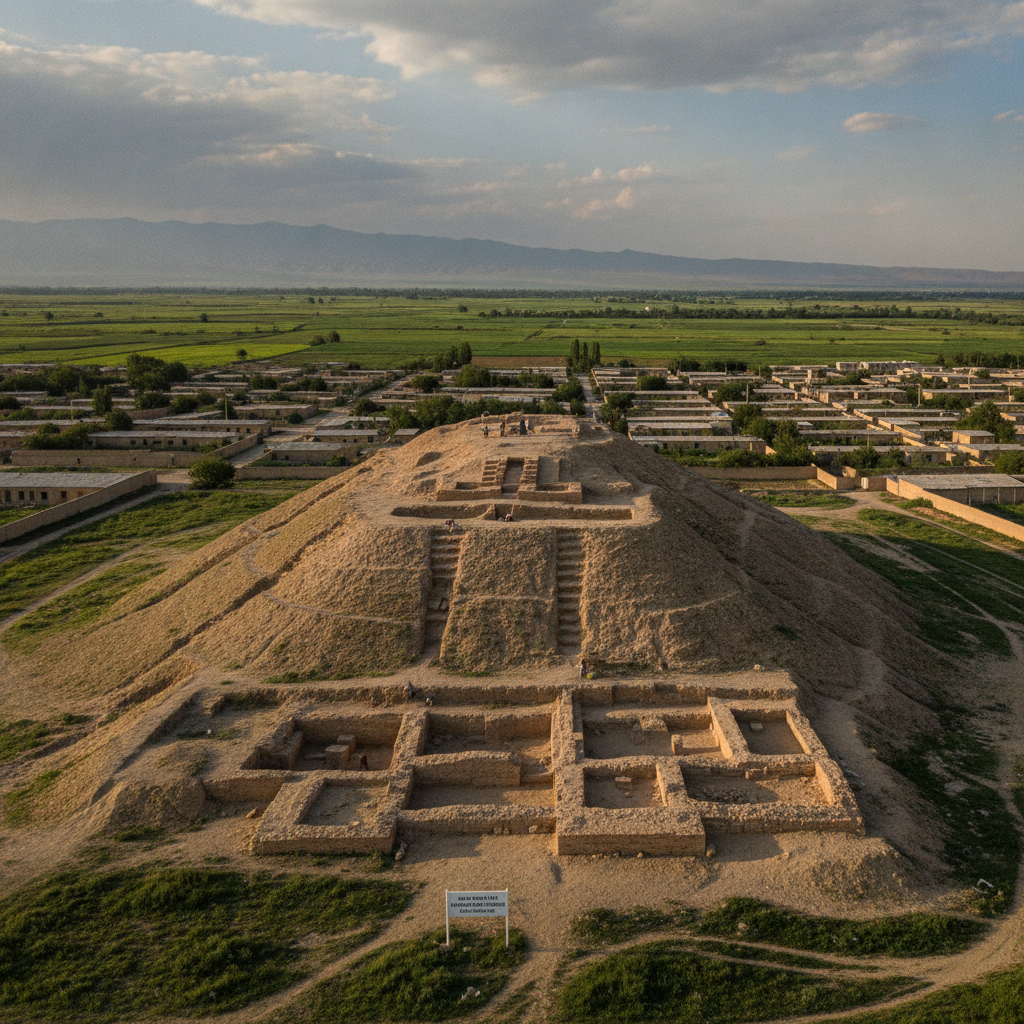
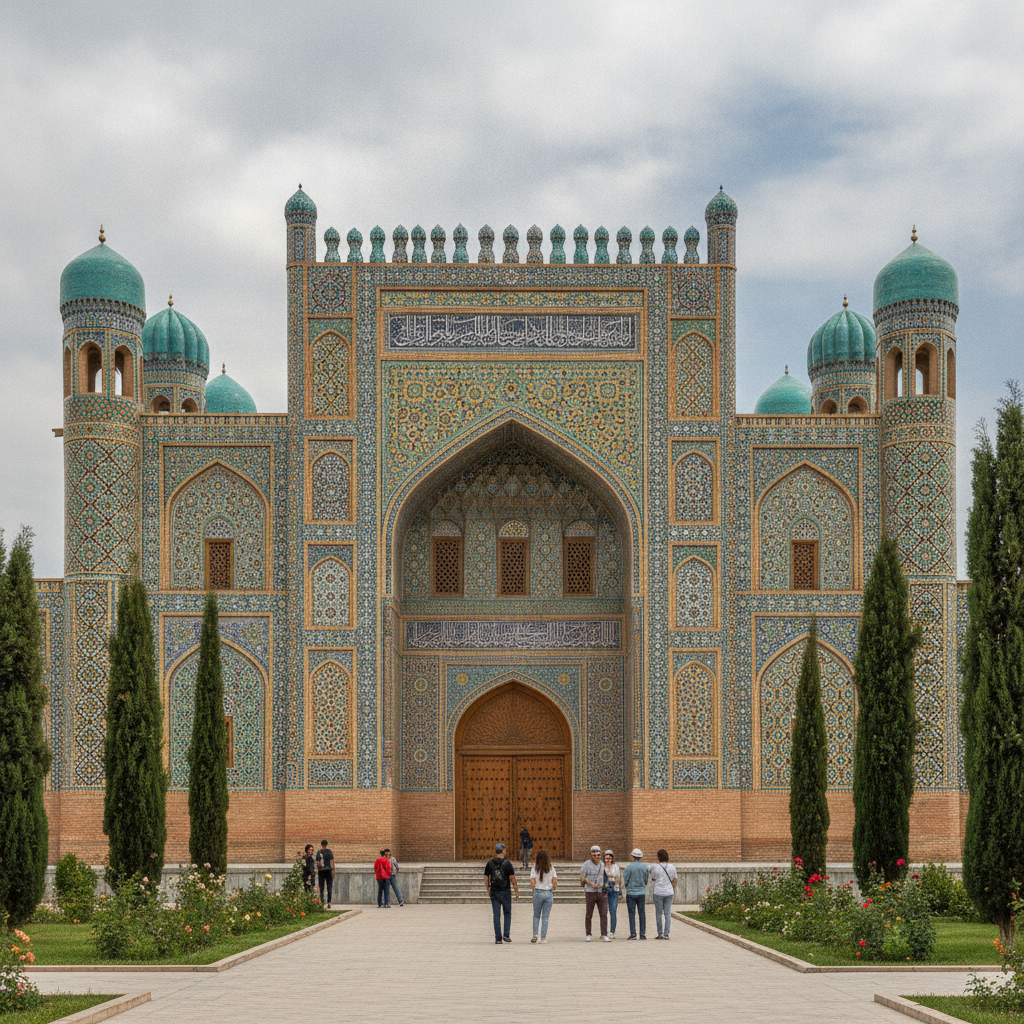
The historical mosques of Margilan — the Chorsu mosque and the older religious buildings of the pre-Russian city, the architectural evidence of a settlement that predates the Islamic conquest and has been continuously inhabited since at least the 1st century CE, the city mentioned by Chinese pilgrim Xuanzang in the 7th century.
- 6
Silk Road Heritage Route
The Silk Road heritage route through Margilan — the city's position on the ancient trade route connecting China to the Mediterranean world through Central Asia, the silk produced here since at least the 2nd century CE trading west along the same route that gave the road its name, the modern craft market a continuation of 2,000 years of commercial textile production.
Walk this route with audio
Stories play automatically as you reach each stop — no tapping needed.