Goiás Agribusiness: The Cerrado's Agricultural Transformation
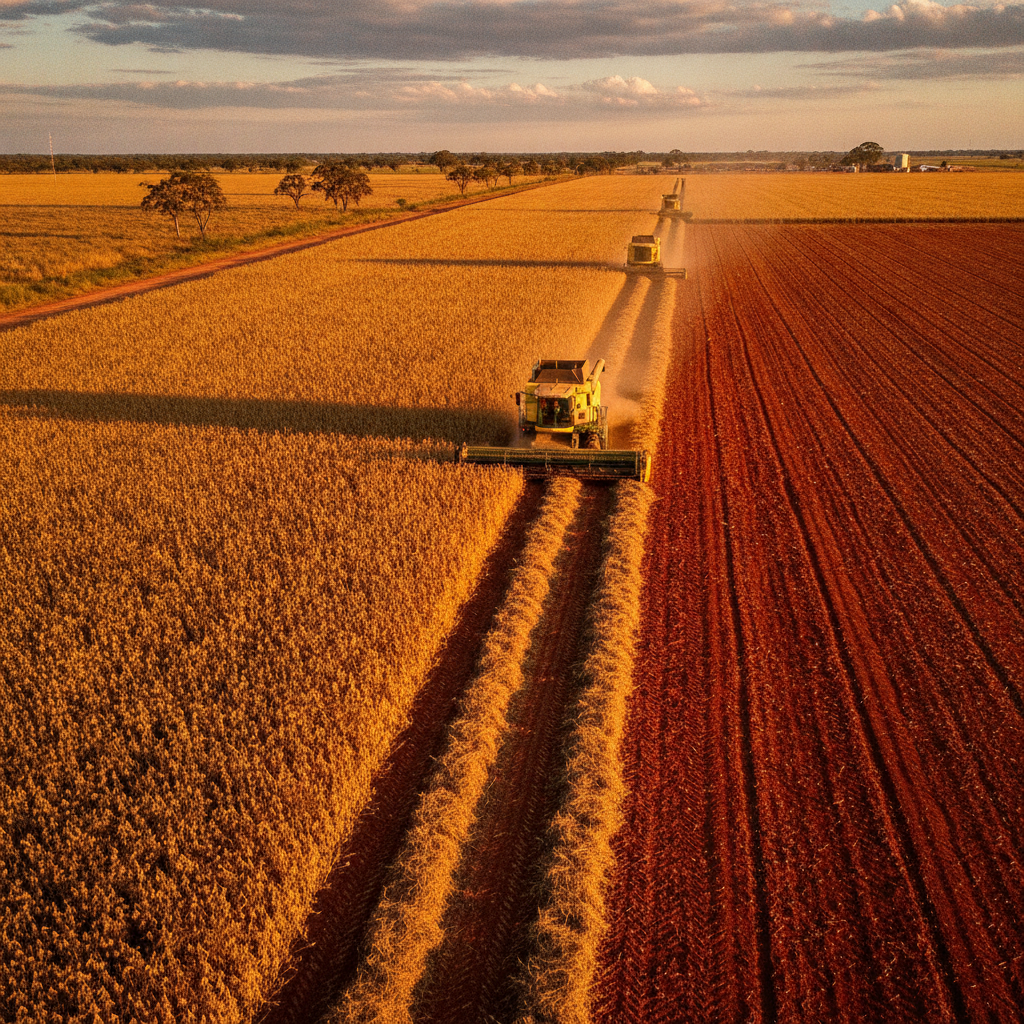
Goiás is the heart of Brazil's agricultural revolution — the cerrado soil transformed from acidic savanna into the world's most productive soybean, beef, and sugarcane land through science and capital
- 1
Cerrado Agricultural Transformation
Embrapa (Brazil's agricultural research agency) developed cerrado farming techniques from the 1970s — neutralizing acidic soils with lime and developing tropical soybean varieties that made Brazil the world's largest exporter
- 2
Goiá's beef industry
The state of Goiás has more cattle than people — the cerrado pastures support a beef industry that exports to Asia, Europe and the Middle East; the quality of Goiá's beef is recognized internationally
- 3
Sugar cane and ethanol
The Cerrado in western Goiás is covered with sugar cane for ethanol production — Brazil's flex-fuel vehicles run on sugar cane ethanol and Goiá's sugar industry is central to the country's energy independence
- 4
Anápolis industrial pole
The city of Anápolis — 50 km from Goiânia — is Brazil's pharmaceutical manufacturing center; the industrial pole (DAIA) concentrated pharmaceutical production creates a different economic geography than agribusiness
- 5
Soy Export Infrastructure
The grain roads and railways connecting Goiá's soy fields with the port of Santos and the new Ferrogrão railway are essential infrastructure — the logistics of moving Brazilian agricultural exports shape the cerrado landscape
- 6
Land Conflict and Indigenous Territory
The Cerrado's agricultural expansion has come at the expense of indigenous territories and small farming communities – the land conflicts in Goiás and neighboring states document the social costs of the agricultural revolution
Walk this route with audio
Stories play automatically as you reach each stop — no tapping needed.
More in Goiânia
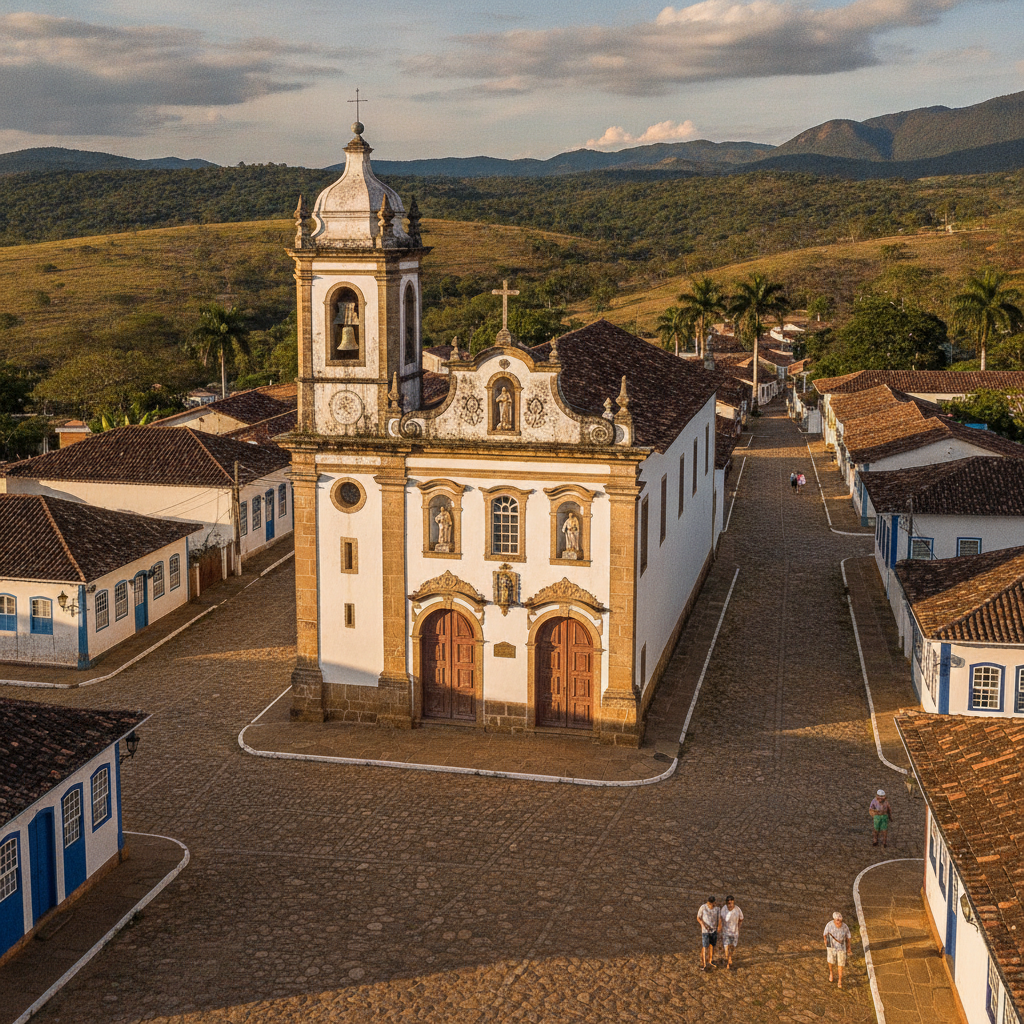
Pirenópolis: Colonial Silver Town in the Cerrado
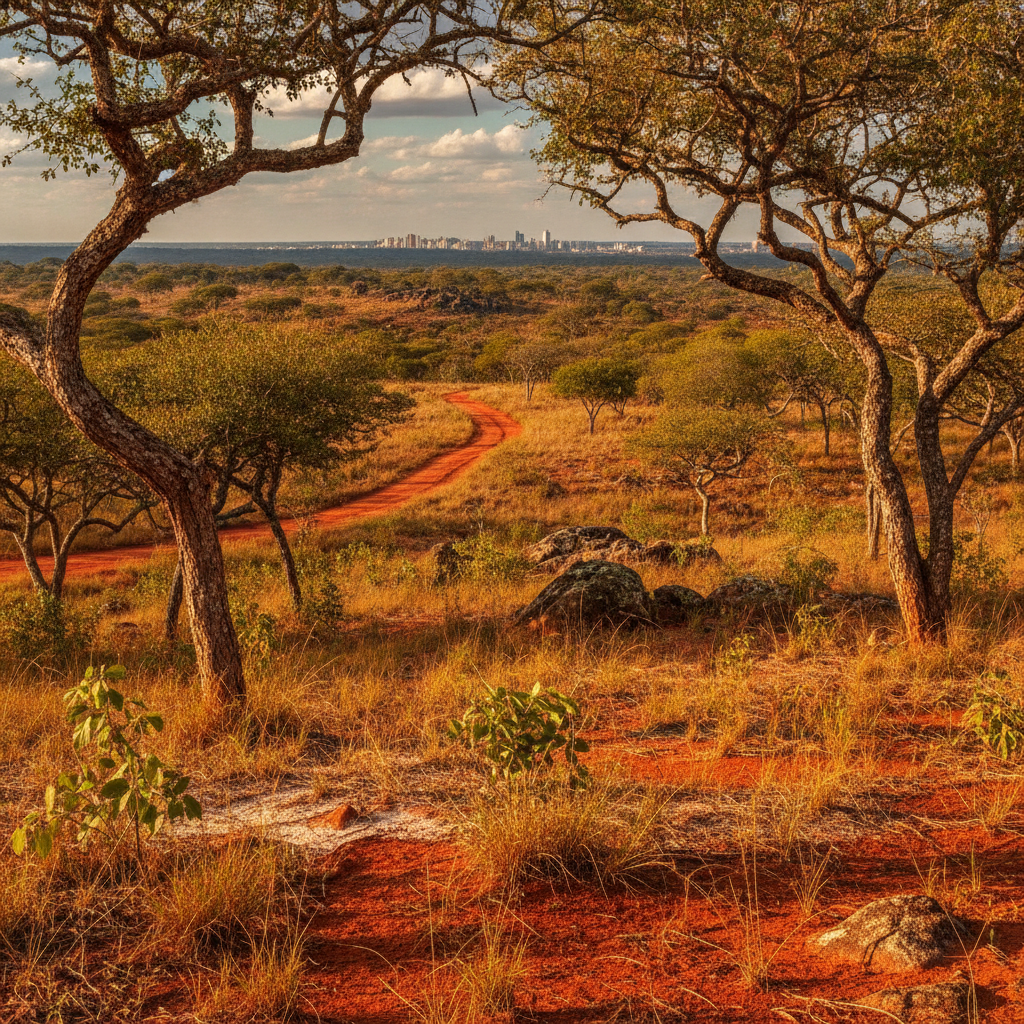
Cerrado: The World's Most Biodiverse Savanna

Goiânia Music Scene: Noise Festival & Brazilian Alternative Culture
Chapada dos Veadeiros: Goiás's Crystal Highlands
Goiânia Food: Pequi, Empadão & Cerrado Flavours