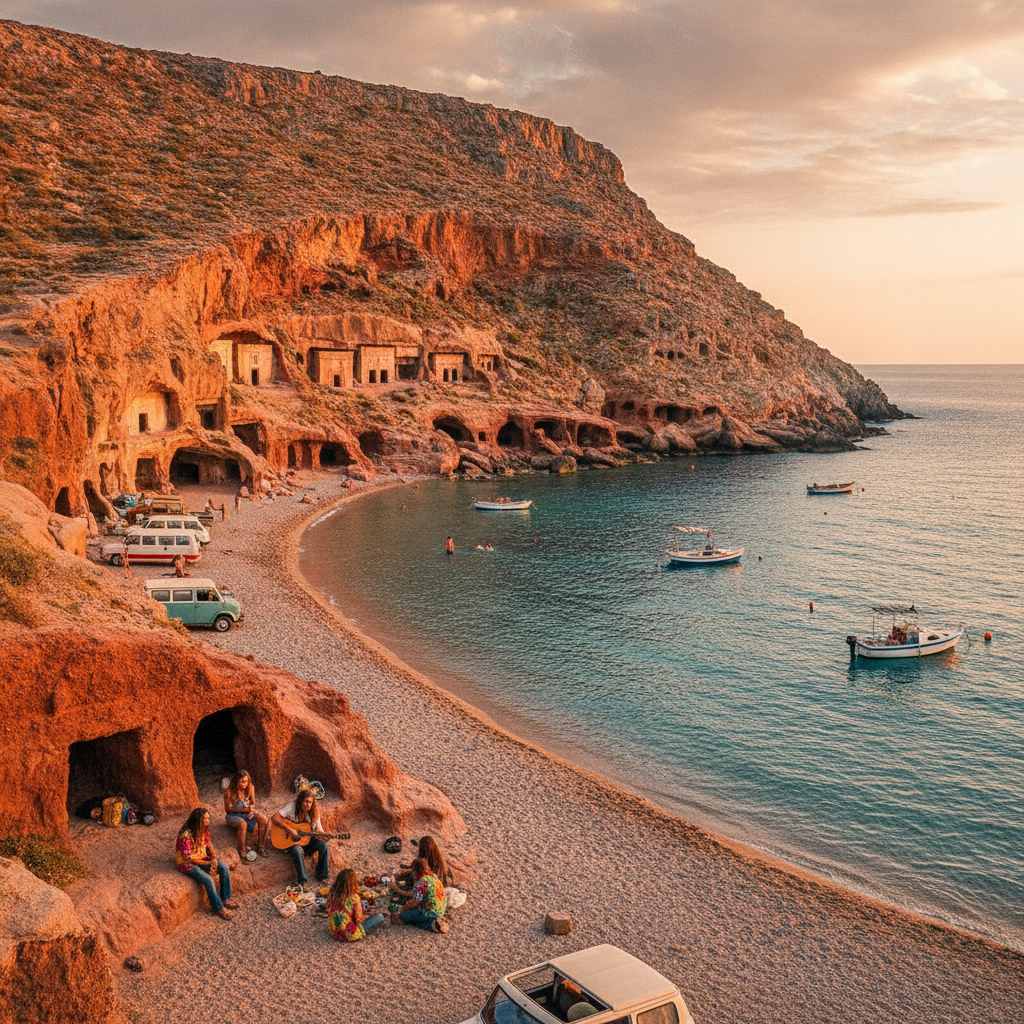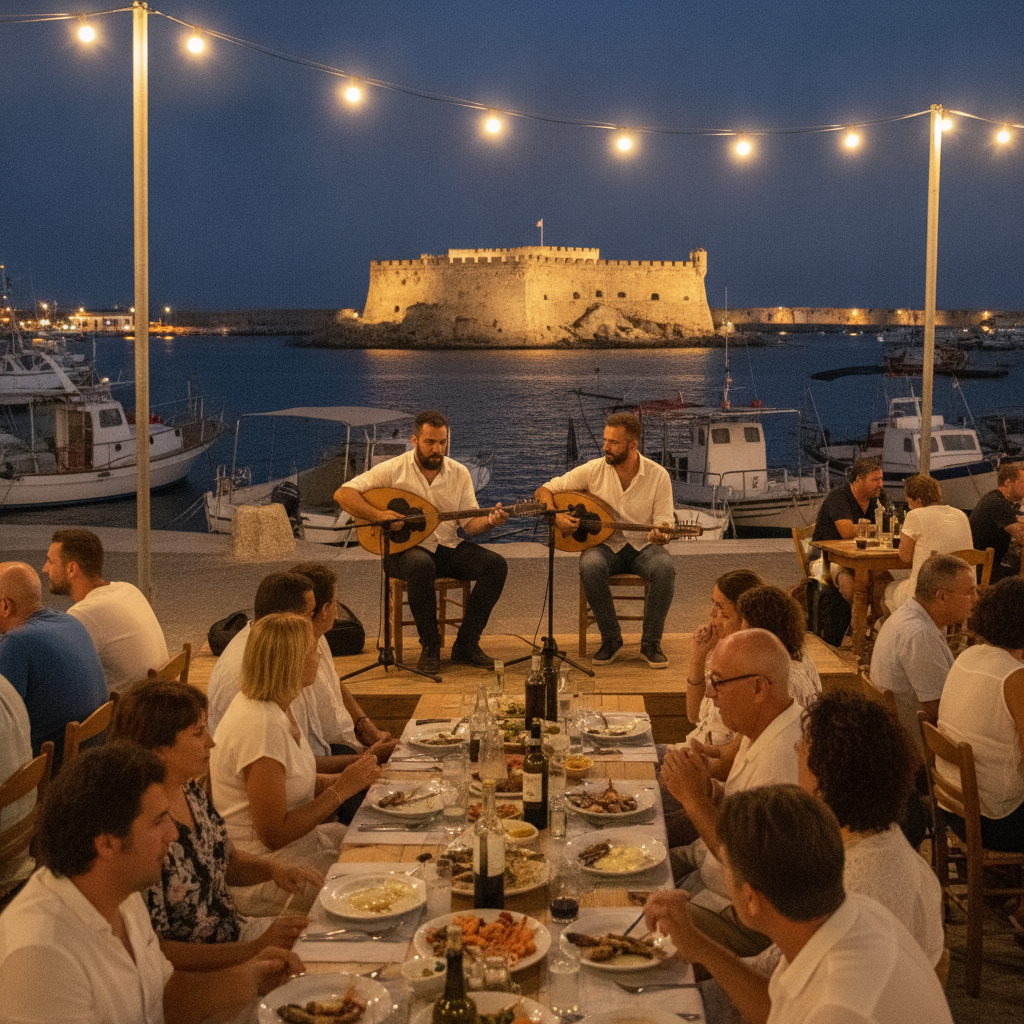
Heraklion Culture and Summary: Cretan Lyra Music and Mantinada Poetry, the Leventia Character Ideal, Heraklion Taverna Tradition, the Minoan Atlantis Thera Connection, Retail City Shopping, and the Bronze Age Gateway Conclusion
The Heraklion culture and conclusion covers the bowed lyra and improvised mantinada Cretan music tradition, the Cretan leventia dignity and generosity ideal, the dakos and raki taverna culture, the intellectually stimulating Minoan-Atlantis-Thera volcanic collapse connection, the 25th August Street retail diversity, and the conclusion that Crete rewards the engaged visitor as the most complete Mediterranean island experience.
- 1
Cretan Music: The Lyra and the Mantinada
The Cretan music tradition of the lyra, the three-stringed bowed instrument played with the lyra bow across the knee, accompanied by the laouto strummed lute, is the most distinctively regional music tradition in Greece and the living expression of the Cretan cultural identity that has survived the successive occupations of Byzantine, Arab, Venetian, Ottoman, and German rule in continuous performance. The mantinada, the rhyming couplet improvised by the Cretan singer to comment on the events of the moment, is the poetic form that gives the Cretan musical tradition its spontaneous and combative character.
- 2
The Cretan Character: The Mangas and the Vendetta
The Cretan character, expressed internationally through the Kazantzakis Zorba and the Theodorakis music and domestically through the tradition of the mangas, the Cretan tough who wears the vraka trousers, the black boots, and the headscarf in a display of masculine pride that coexists with an extraordinary generosity of hospitality, has its shadow in the vendetta tradition that persisted in the Sfakia mountain community into the 20th century. The Cretan concept of leventia, the dignity and generosity of spirit that defines the ideal Cretan character, is the most valued cultural concept in the island.
- 3
Heraklion Food Culture: The Taverna Tradition
The Heraklion taverna tradition, from the waterfront tourist restaurants to the neighborhood psistaria grill houses of the Agiou Titou Street and the wine taverns of the old town, represents the full spectrum of the Greek taverna culture at its most Cretan expression, with the grilled octopus, the dakos salad of the barley rusk, tomato, and mizithra cheese, the lamb fricassee with egg and lemon, and the local raki that the Cretan host places on every table as a matter of course. The Heraklion food scene is the most complete expression of the Cretan taverna tradition in the island.
- 4
The Minoans and Atlantis: The Thera Connection
The volcanic eruption of Thera (Santorini) around 1628 BC, the largest volcanic event in the Mediterranean in the past 5,000 years, is now believed by most archaeologists to have caused the tsunami, the ash fall, and the climate disruption that fatally weakened the Minoan civilization and may have inspired the Platonic Atlantis legend through the memory of the catastrophic disappearance of the most sophisticated Bronze Age Mediterranean civilization. The connection between the Minoan collapse and the Atlantis narrative is the most intellectually stimulating question in Heraklion for the visitor who has absorbed the museum and the site.
- 5
Heraklion Markets Beyond Food: The Retail City
The Heraklion retail city beyond the food market covers the 25th August Street leather goods, the Dedalou pedestrian zone jewellery and souvenir shops, the Eleftherias Square bookshops with the Cretan literature, the maps, and the travel guides, and the Chandakas Street antique dealers with the Venetian and Ottoman artifacts of the island's layered history. The shopping experience of Heraklion is the most complete in Crete for the combination of the authentic Cretan products and the Greek retail brands.
- 6
Heraklion Summary: The Gateway to the Bronze Age
Heraklion, the capital of the largest Greek island and the gateway to the most important Bronze Age civilization in Europe, is a city that rewards the visitor who makes the effort to move beyond the Knossos site and the harbor front to engage with the full depth of the island's 5,000-year history. The combination of the Minoan museum, the Venetian city, the Cretan cuisine, the mountain villages, and the south coast beaches creates the most complete Mediterranean island experience available in the Aegean, and Crete justifies the island as a destination in itself rather than a day trip from the Santorini circuit.
Walk this route with audio
Stories play automatically as you reach each stop — no tapping needed.
More in Heraklion
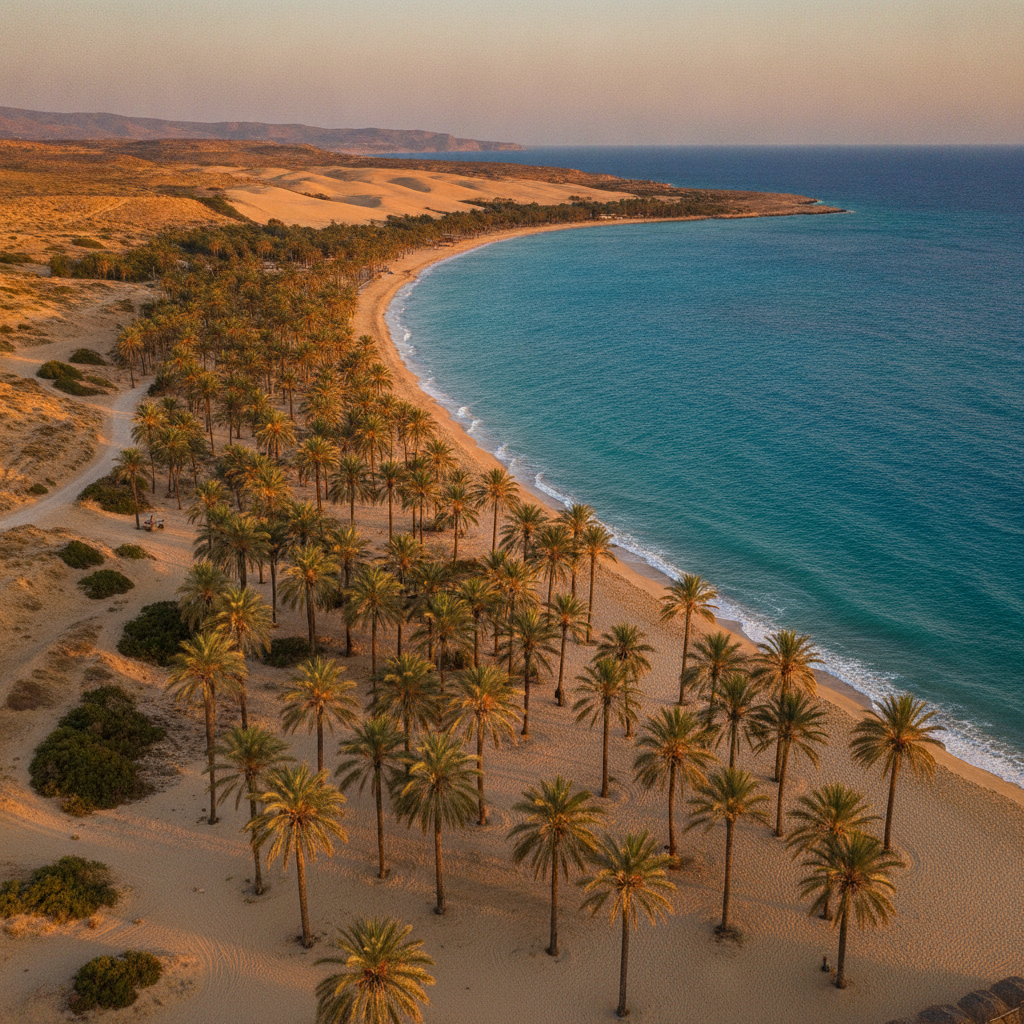
Heraklion Food and East: Cretan Market Produce and Indigenous Wine Revival, the Diktaean Cave Zeus Birthplace, Heraklion Nightlife, the Vai Palm Grove, Eastern Crete Minoan Zakros, and the Capital Infrastructure
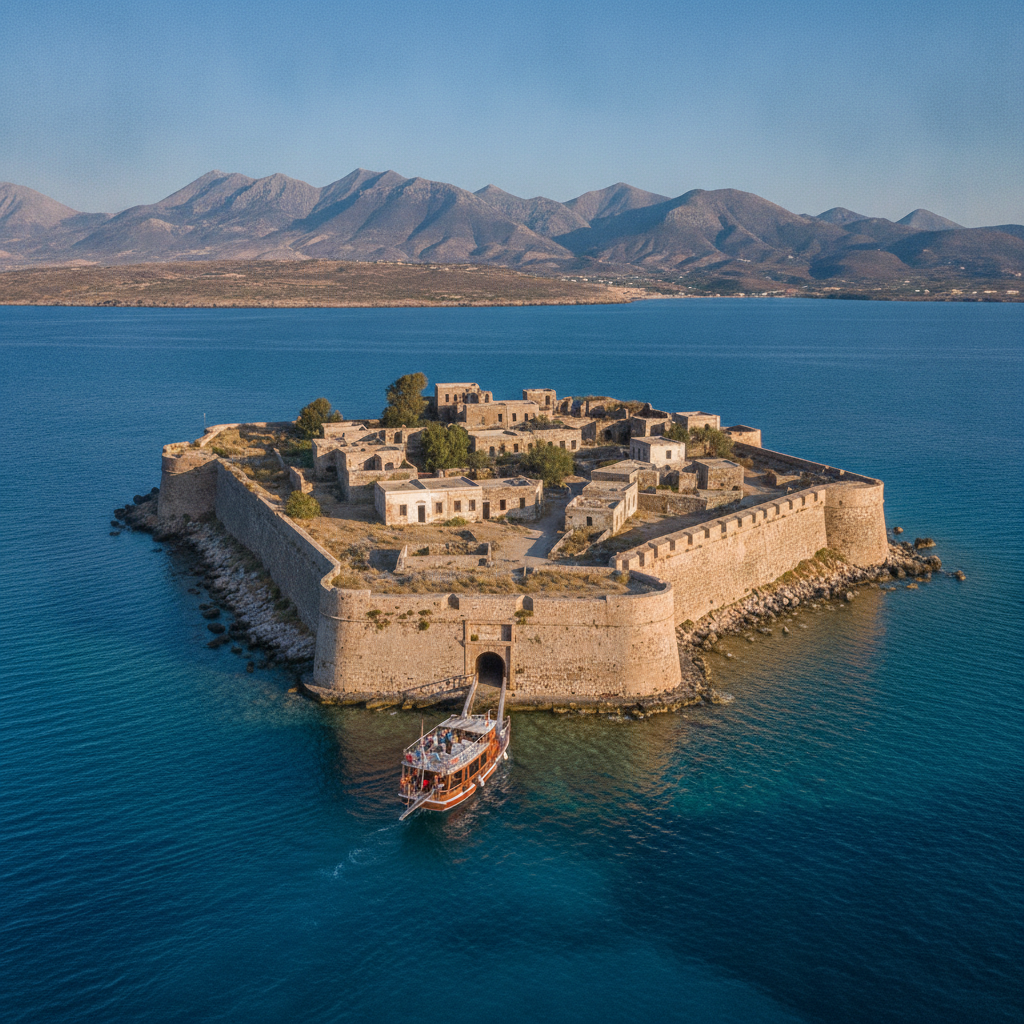
Heraklion History Deep: Minoan Civilization Mysteries, Evans Knossos Reconstruction Debate, the Battle of Crete 1941, Kazantzakis and the Cretan Spirit, the Venetian Harbour Arsenali, and the Spinalonga Leper Colony
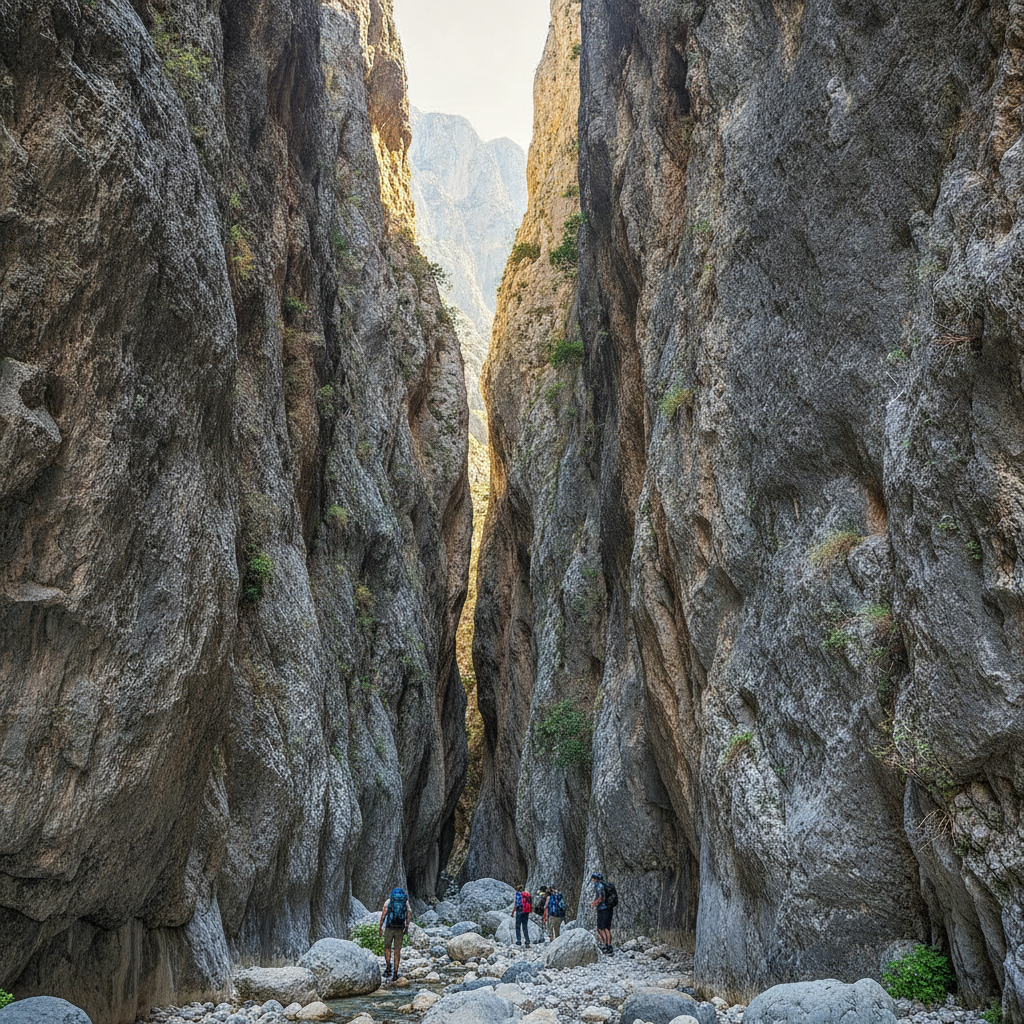
Heraklion and Crete: Samaria Gorge European Grand Canyon, the Elafonisi Pink Lagoon, Rethymno Venetian Town, the Chania Harbor Pearl, the Cretan Diet Village Tavernas, and the Heraklion Airport Island Network
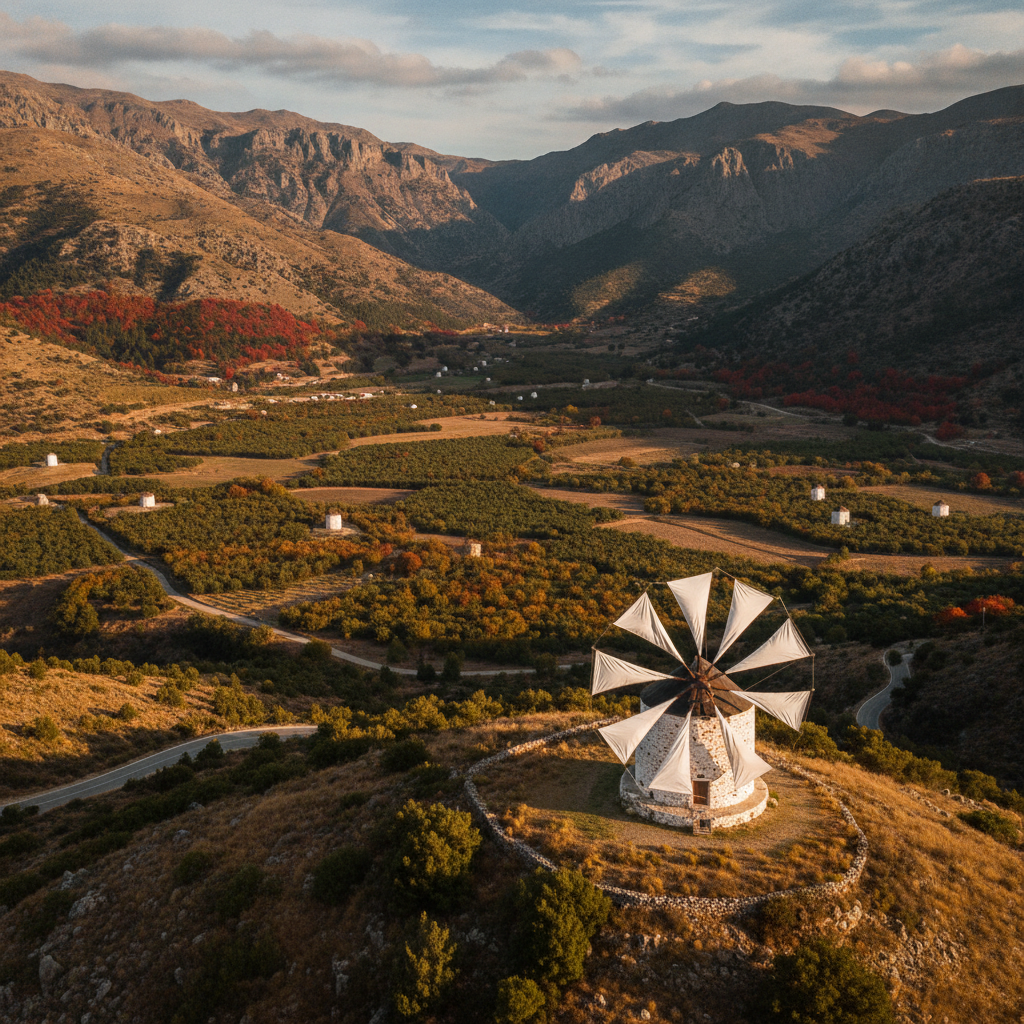
Heraklion Complete: Knossos and Museum Essential Pairing, Lasithi Plateau Windmill Agriculture, Malia and Zakros Alternative Palaces, Peza Wine PDO, Fodele El Greco Village, and Summer vs. Autumn Season Guide
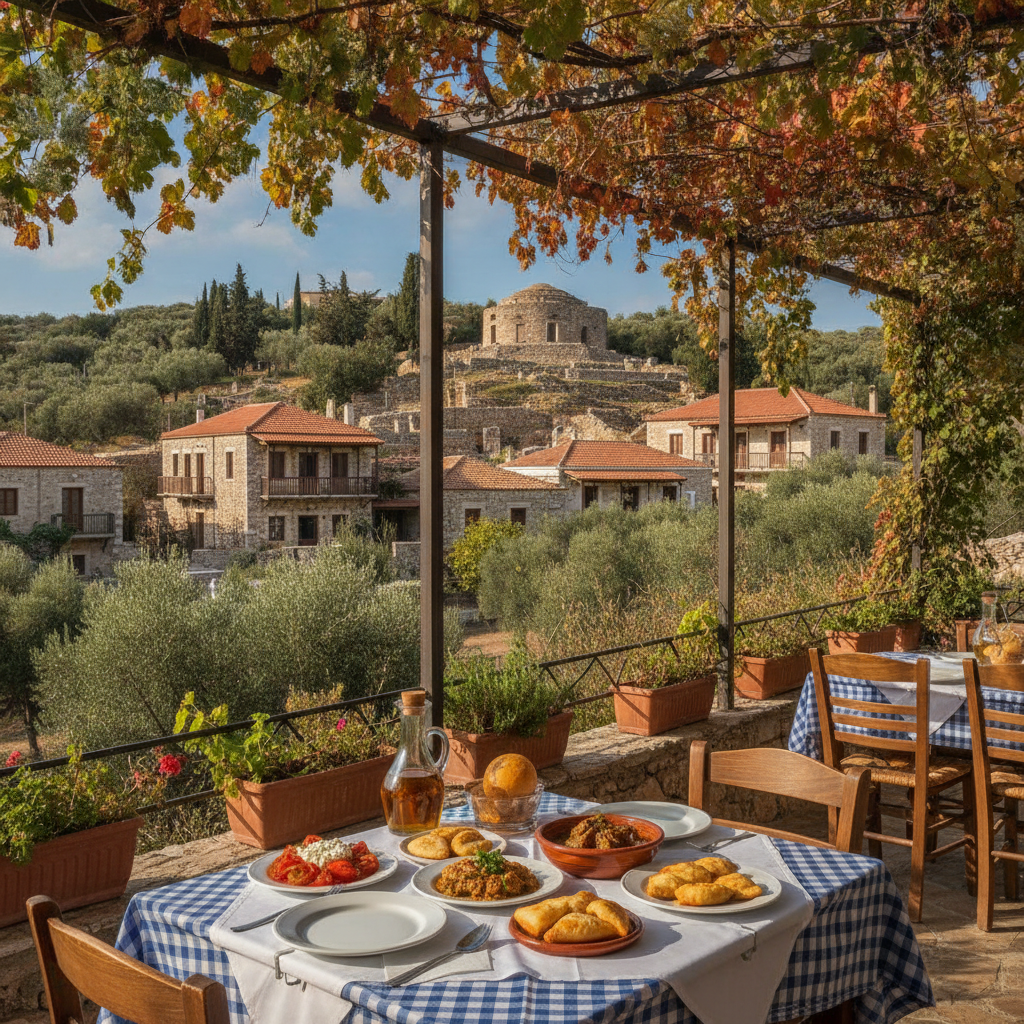
Heraklion Practical and Farewell: Morning City Walk Circuit, Psiloritis Mountain Anogeia Village, Archanes Minoan Cemetery Wine Village, Family Archaeology Education, Hotel Accommodation Guide, and the Final Museum Departure