Hunza Valley Ancient Silk Road Kingdom History
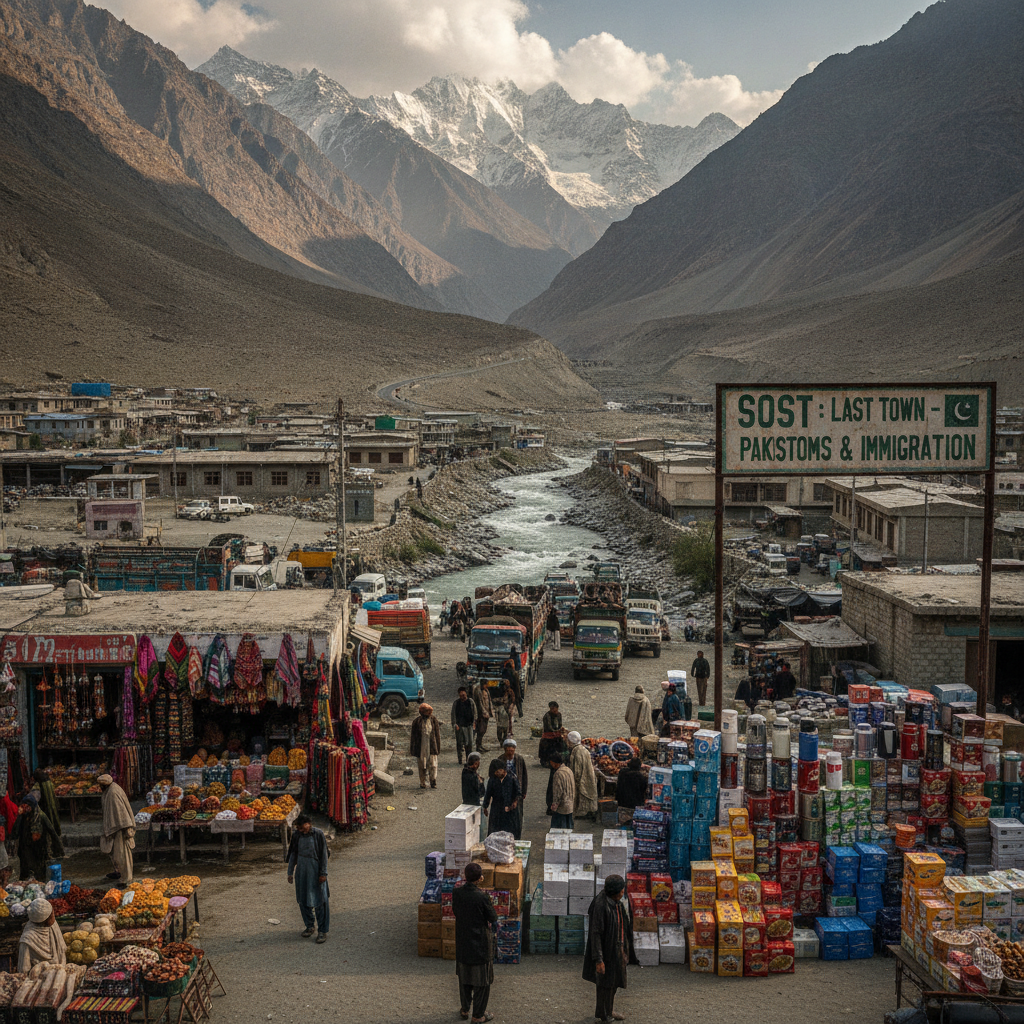
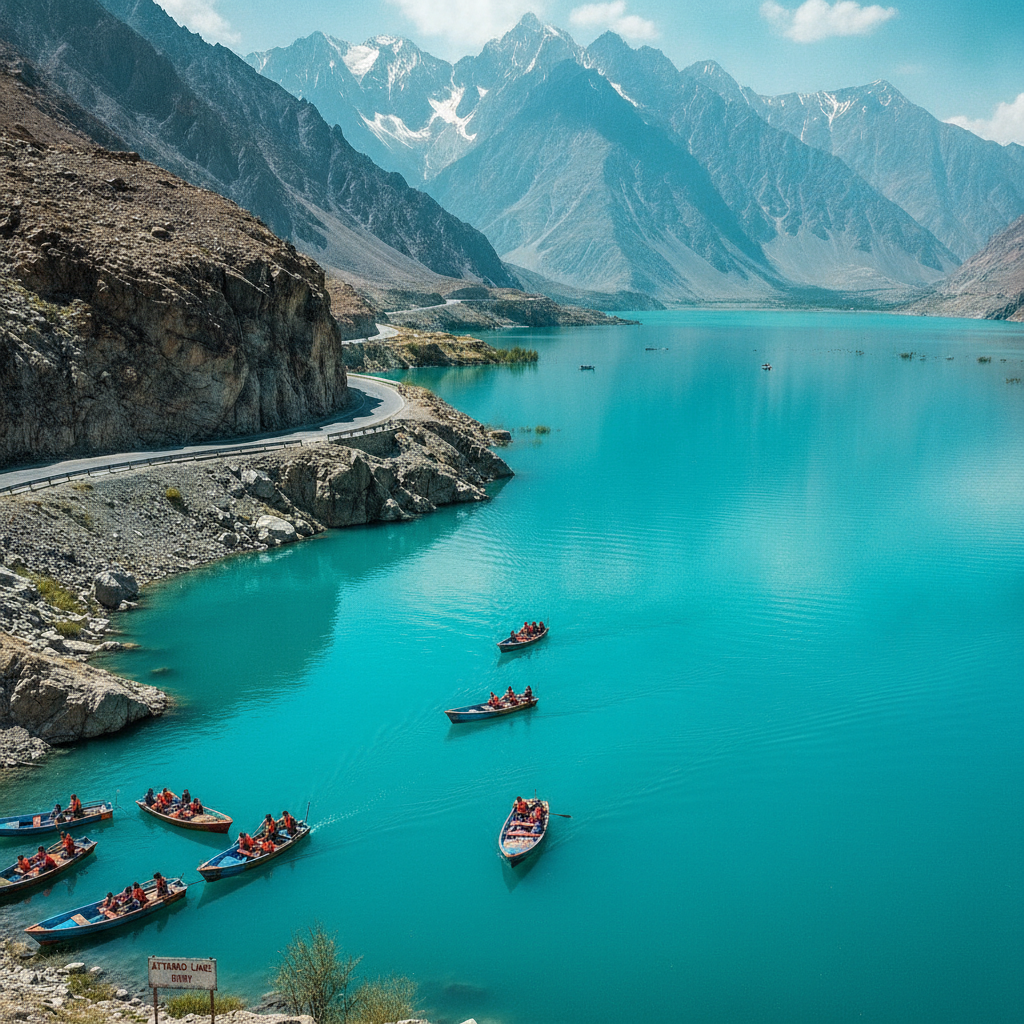
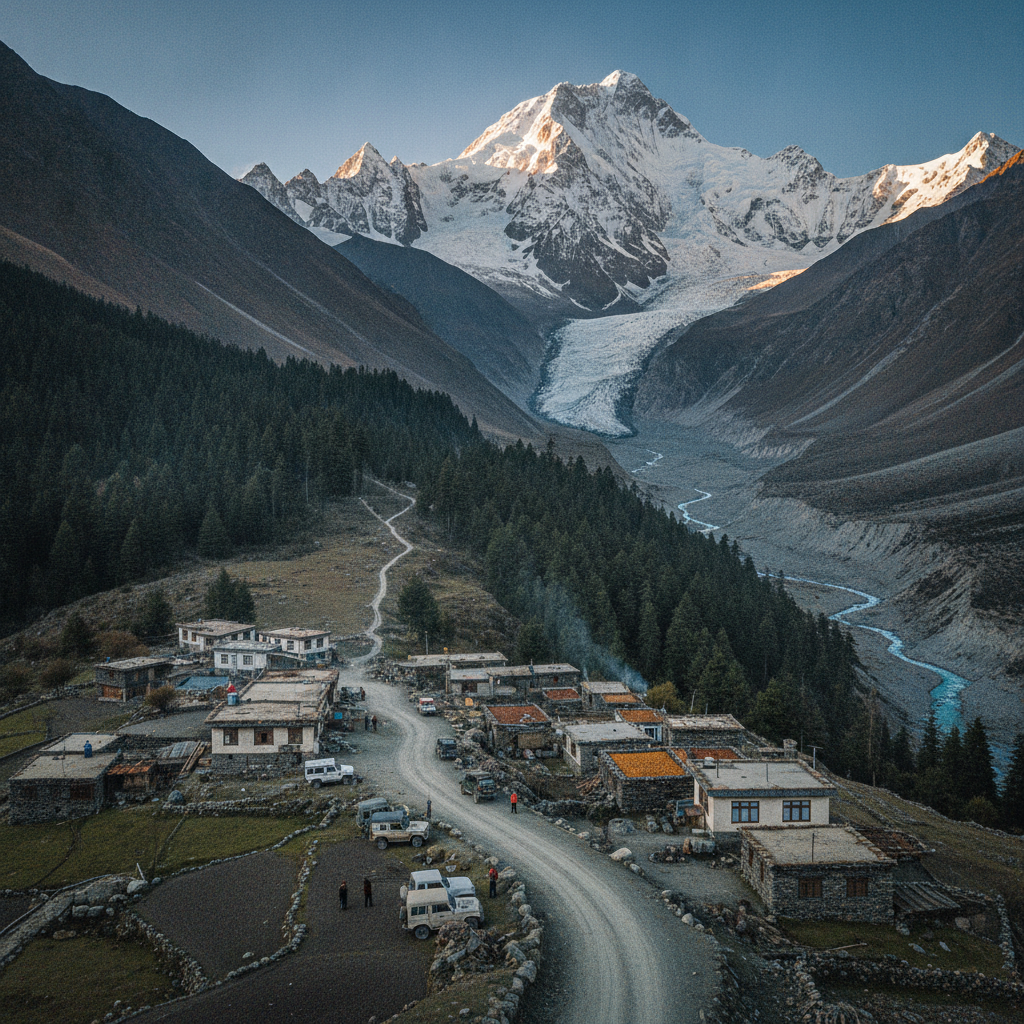
Discover the history of Hunza as an ancient Silk Road kingdom — the mountain state that extracted tolls from the trade caravans crossing the Karakoram through the Kilik and Mintaka passes for centuries, whose rulers maintained their independence until British political control in 1892, and whose Burusho people speak Burushaski, a language with no known relatives.
- 1
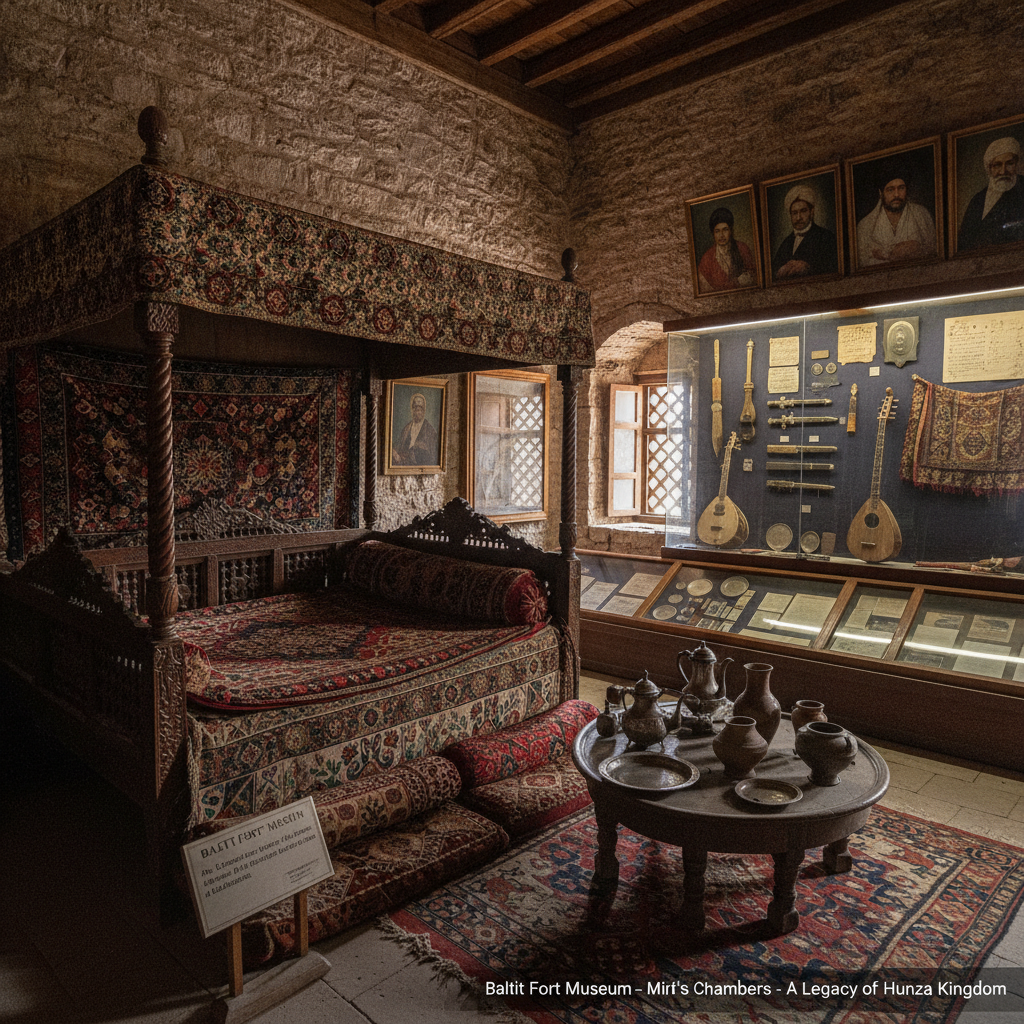
Baltit Fort Museum
The Baltit Fort interior museum — the restored rooms of the Mir's palace showing the living conditions, artifacts, and history of the Hunza ruling family that controlled this mountain kingdom for over 900 years, the collection including weapons, regalia, and the documents of the kingdom's dealings with British India and China.
- 2
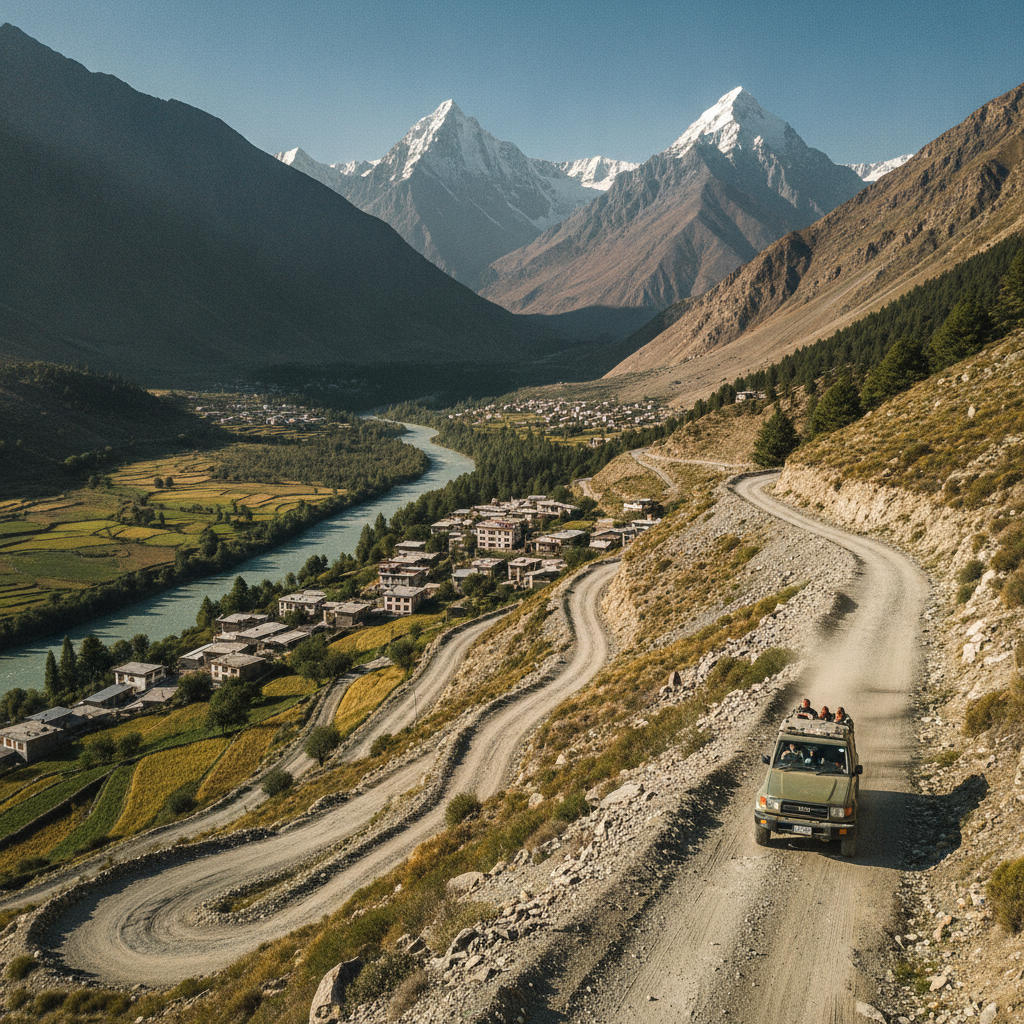
Ancient Trade Route Marker
The marker of the ancient Silk Road route through Hunza — the path that connected India to Central Asia through the Karakoram passes, the Hunza kings extracting taxes and protection fees from the merchants and pilgrims who passed through their territory on the world's highest trade route.
- 3
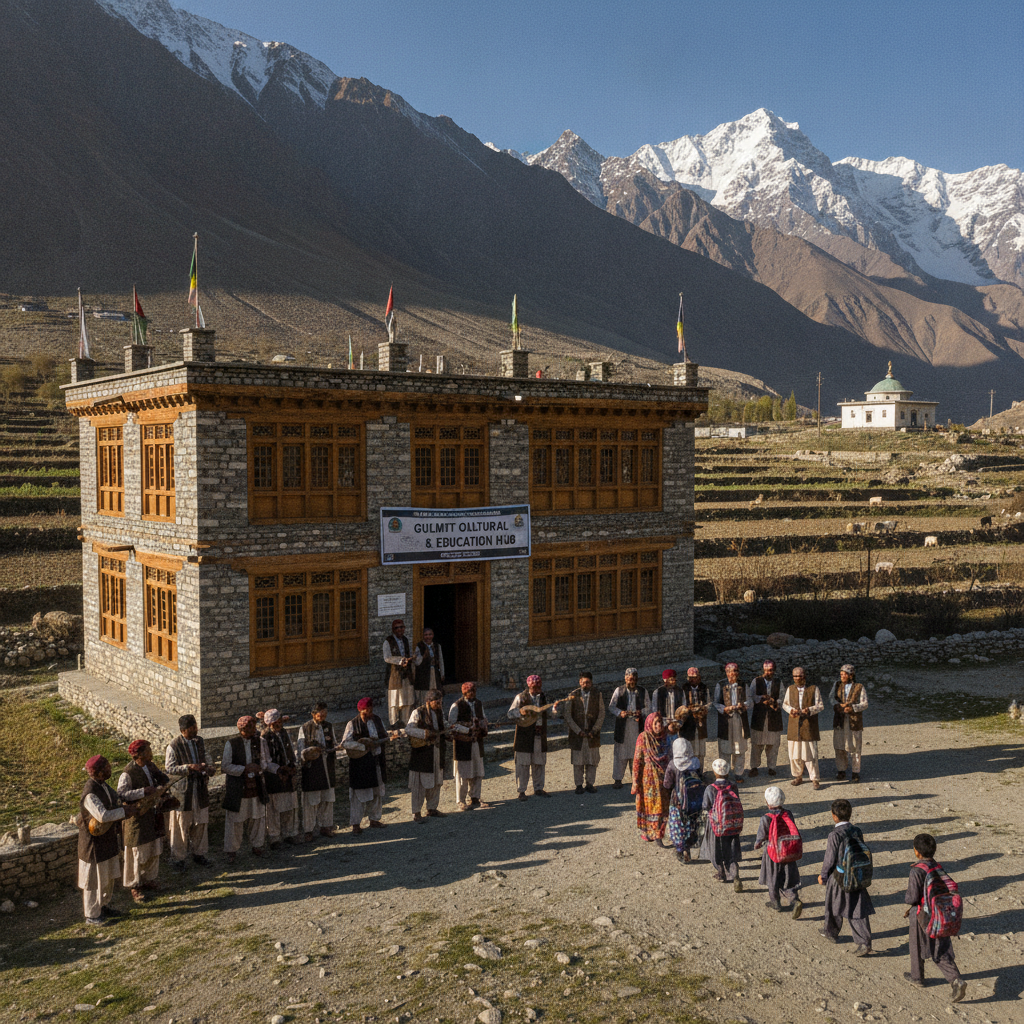
Burushaski Language Community
Encounter with the Burushaski-speaking community of Hunza — the language spoken by the Burusho people that has no demonstrable relationship to any other known language, representing either an extreme antiquity or an isolate that has survived in the mountain valleys while related languages disappeared elsewhere.
- 4
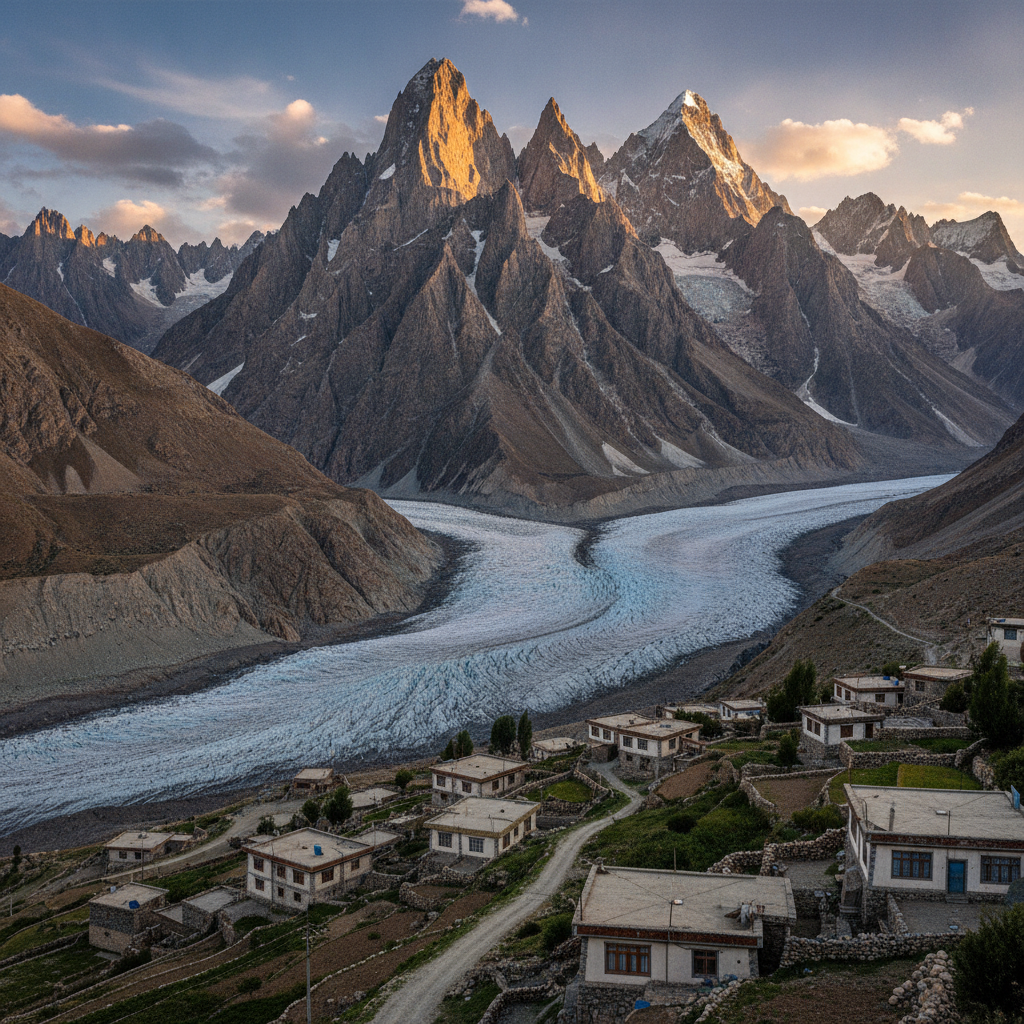
Ganesh Old Village
The ancient village of Ganesh below Karimabad — considered one of the oldest continuously inhabited settlements in the Hunza Valley, the traditional stone houses and the rock inscriptions on the cliffs above the village recording the passage of Buddhist pilgrims and Silk Road travelers through many centuries.
- 5
Rock Inscriptions Trail
The trail above Ganesh to the cliff face covered in rock inscriptions — thousands of carvings in multiple scripts (Kharosthi, Brahmi, Chinese, Arabic, Tibetan) left by travelers on the Silk Road crossing, the inscriptions spanning 2,000 years and representing every major civilization that used the Karakoram passes.
- 6
Mir's Palace Garden Remains
The remains of the Mir's traditional garden below Baltit Fort — the formal garden of the Hunza rulers in the Persian charbagh tradition, the water channels and terracing still visible, the garden representing the cultural sophistication of the mountain kingdom that maintained diplomatic relations with British India, China, and Russia simultaneously.
Walk this route with audio
Stories play automatically as you reach each stop — no tapping needed.