Jerusalem Layers: The Roman Cardo, the Herodian Quarter, the Byzantine Mosaic, and the Most Archaeologically Layered Single City on Earth
The Jerusalem layers route covers the Roman Cardo as the most preserved single Roman Jerusalem street, the Herodian Quarter as the most luxuriously appointed single 1st century BCE villa, the Byzantine mosaic tradition, and Jerusalem as the most archaeologically layered single city on earth.
- 1
Roman Cardo: The Colonnaded Jerusalem Street
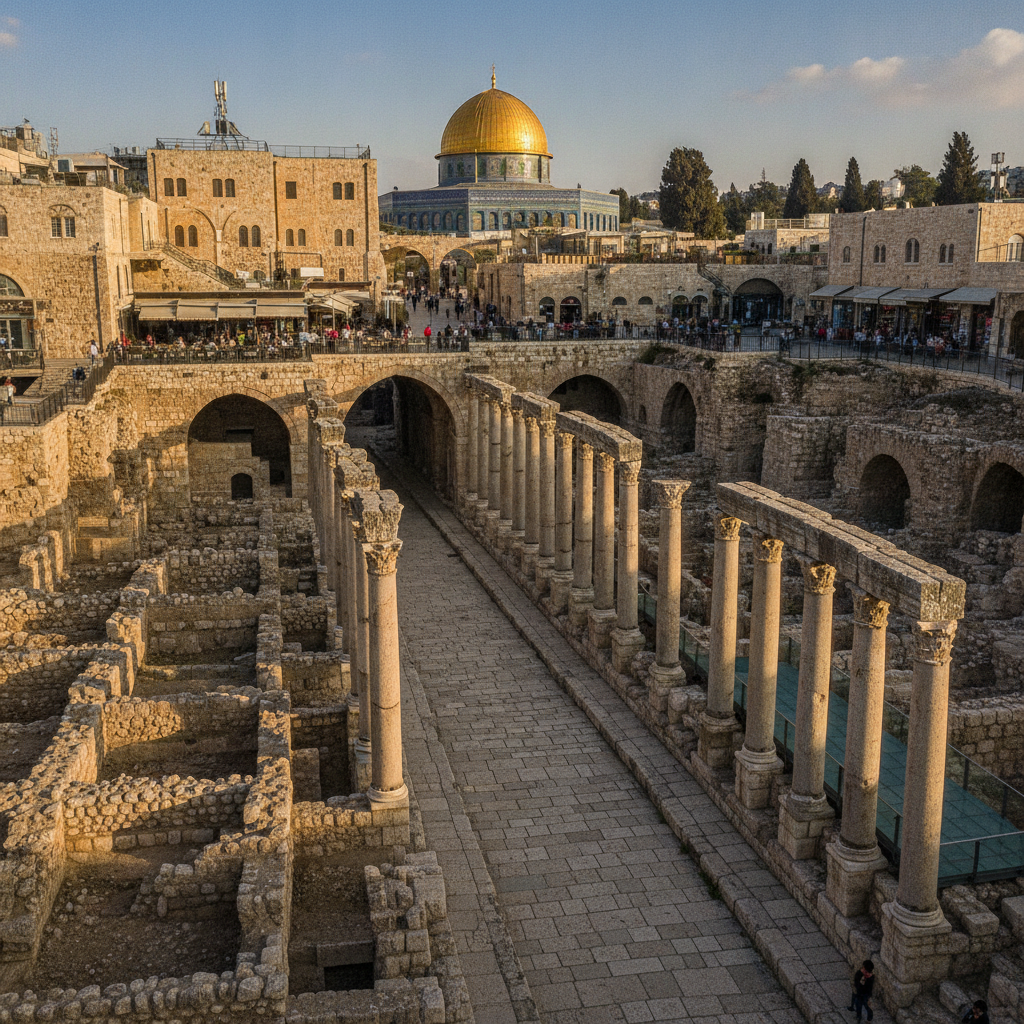
The Roman Cardo Maximus (the most completely excavated single Roman Jerusalem street, the principal north-south colonnaded thoroughfare of the Roman Aelia Capitolina city established after the 70 AD destruction of Jerusalem, now partially restored with the most dramatically displayed single Roman column reconstruction in the most underground-level single Jewish Quarter excavation), is the most directly walkable single Roman Jerusalem layer and the most architecturally reconstructed single ancient Jerusalem street.
- 2
Herodian Quarter: The 1st Century BCE Luxury Villa
The Herodian Quarter (the most luxuriously appointed single 1st century BCE Jerusalem residential complex excavated beneath the most densely inhabited single Jewish Quarter, displaying the most completely mosaic-floored single ancient Jerusalem rooms with the most extensively preserved single frescos, the most elaborately carved single ritual bath miqveh, and the most impressively large single Jerusalem private residence from the Herodian period), is the most directly illuminating single ancient Jerusalem domestic life exhibit.
- 3
Burnt House: The 70 AD Roman Destruction
The Burnt House museum (the most archaeologically specific single Jerusalem site of the most historically documented single event of the Roman destruction of Jerusalem in 70 AD, preserving the most directly visible single destruction layer with the most tragically preserved single human arm bone of the most recently identified single Katros family member killed in the most completely documented single ancient Jerusalem destruction), is the most emotionally direct single archaeological encounter with the most historically significant single ancient city catastrophe.
- 4
Byzantine Jerusalem: The 5th Century Mosaic Map
The Byzantine Jerusalem mosaic tradition (the most extensively produced single 5th-6th century AD Christian devotional art form in the most prolific single Holy Land mosaic production center, most famously documented in the Madaba Map showing the most complete single ancient Jerusalem street plan including the Nea Church, the Cardo, and the most clearly identifiable single ancient Jerusalem landmarks), is the most historically precise single documentary evidence of the most comprehensively Byzantine-era rebuilt single Jerusalem city plan.
- 5
Crusader Jerusalem: The 12th Century Kingdom
The Crusader Jerusalem layer (the most dramatically truncated single Jerusalem period lasting from 1099 to 1187 AD with the most extensively built single Crusader addition to the Church of the Holy Sepulchre, the most imposing single Crusader tower of the Citadel Tower of David, and the most comprehensively fortified single Jerusalem city wall system reconstructed by the most ambitious single Latin Kingdom building program), is the most frequently misidentified single Jerusalem historical period by the visitor who mistakes the Crusader for the more ancient.
- 6
Ottoman Jerusalem: The 16th Century Suleiman Walls
The Ottoman Jerusalem period (the most completely surviving single Jerusalem city wall and gate system built by Suleiman the Magnificent in 1537-1541, the most comprehensively preserved single 16th century Islamic city fortification in the Levant with the most elaborately carved single Ottoman gate at the Damascus Gate/Bab al-Amud), is the most practically visible single historical layer in the most easily wall-walked single Jerusalem circuit of the 4-kilometer Old City ramparts walk.
Walk this route with audio
Stories play automatically as you reach each stop — no tapping needed.
More in Jerusalem
Jerusalem Day Trips: Masada's Siege, the Dead Sea's Salt Flats & Bethlehem's Nativity
Jerusalem Beyond the Old City: Yad Vashem, Dead Sea Scrolls & the Living Shuk
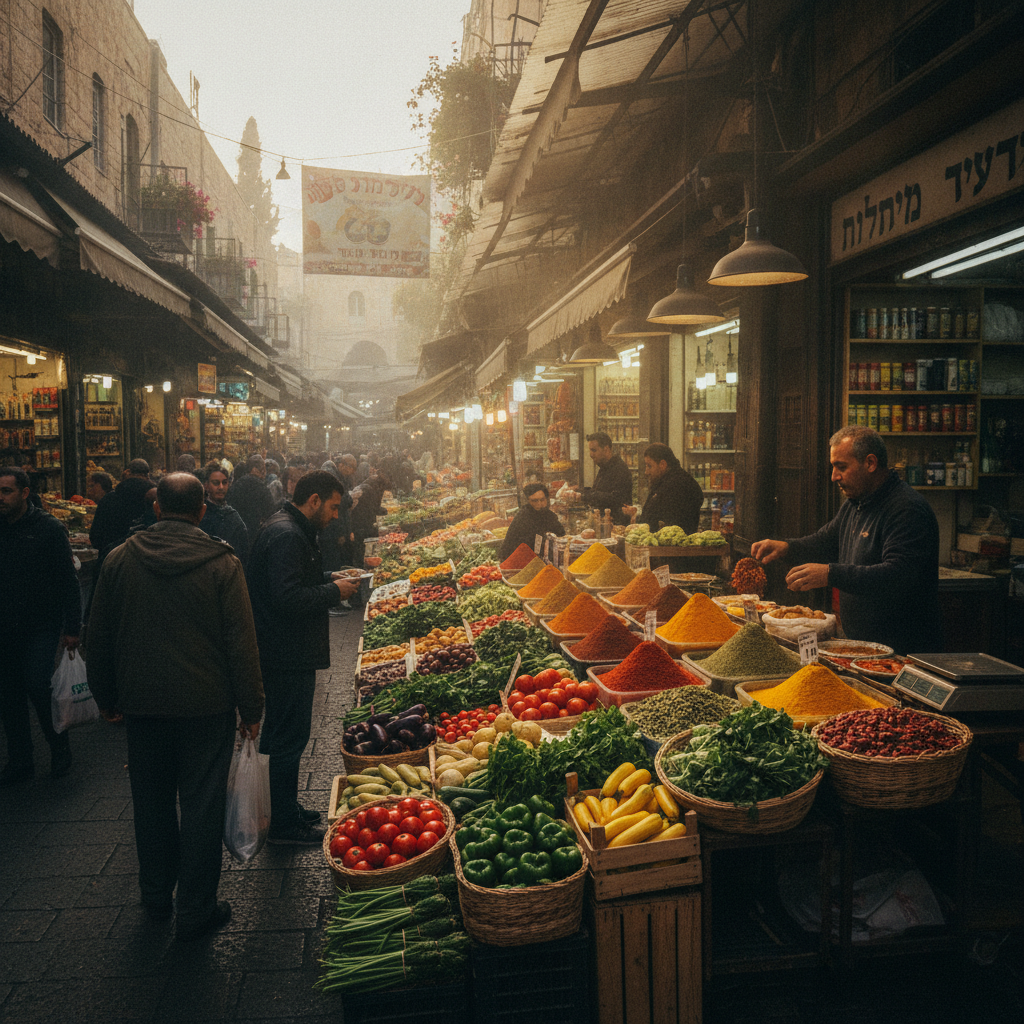
Jerusalem Food: The Mahane Yehuda Market, the Israeli Street Food, the Hummus Tradition, and the Most Culinarily Dynamic Single Israeli City
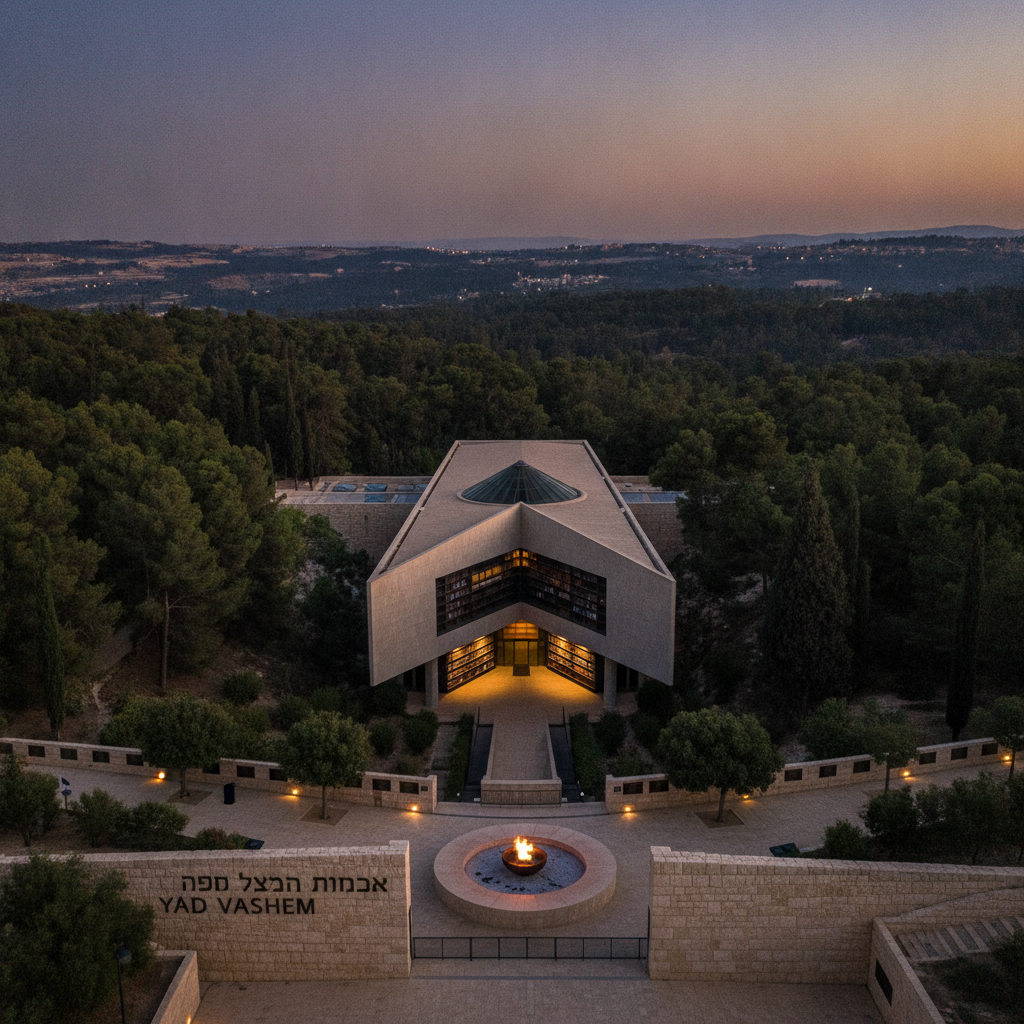
Jerusalem Memory: Yad Vashem Holocaust Museum, the Israel Museum Dead Sea Scrolls, Mount Herzl, and the Most Historically Layered Single City Memory
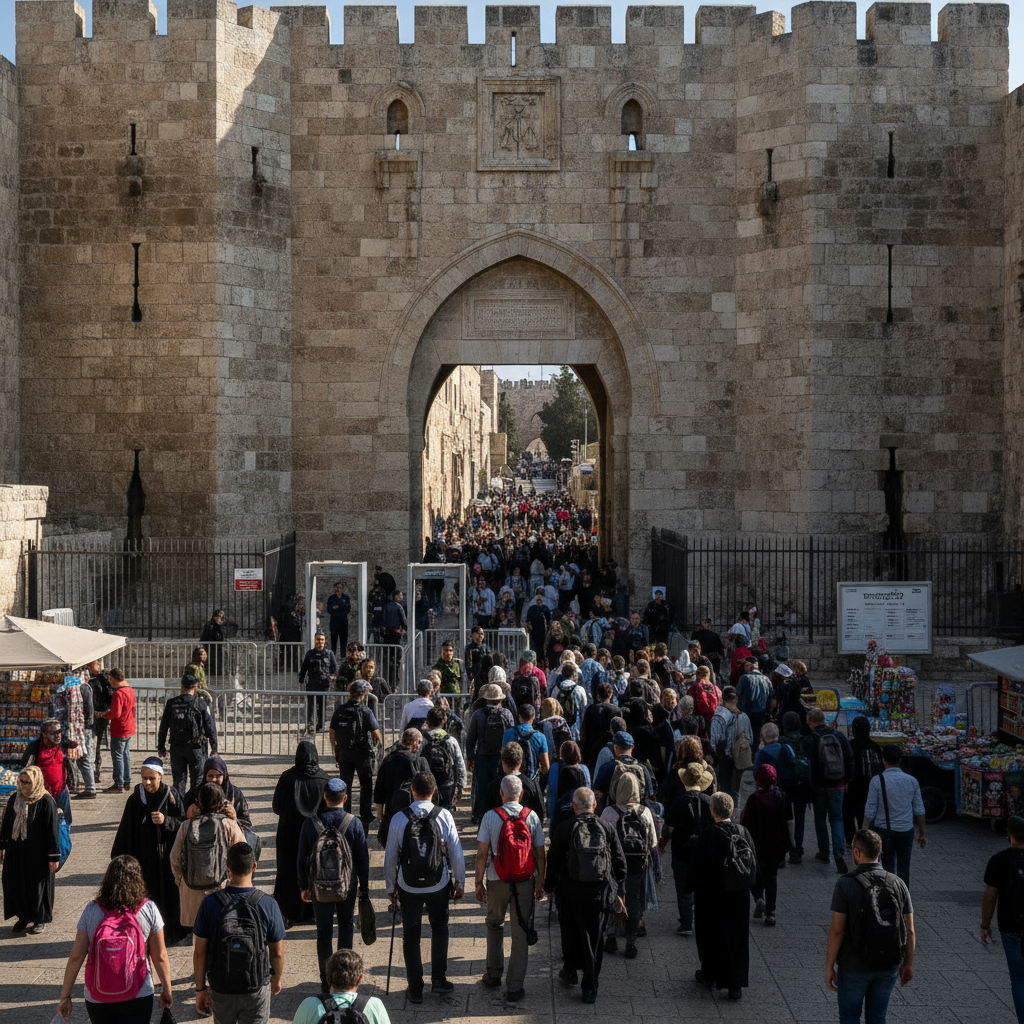
Jerusalem Practical: The Security Considerations, the Old City Accommodation, the Crossing Options, the Optimal Timing, and the Jerusalem Visitor Framework