Pedra do Ingá: South America's Greatest Petroglyph Site
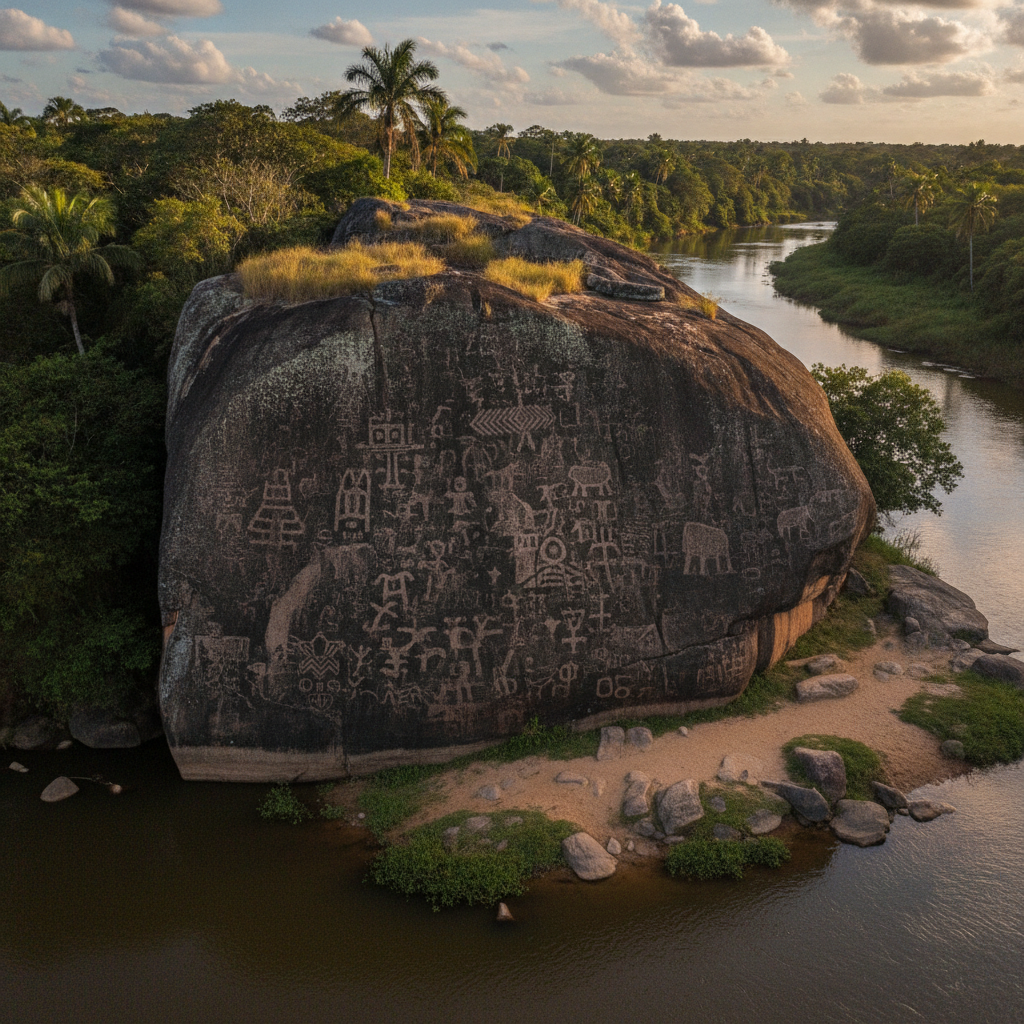
The Pedra do Ingá — 120 km from João Pessoa — is one of the Americas' most extraordinary archaeological sites; thousands of pre-Columbian petroglyphs carved into river rock, some depicting astronomical knowledge
- 1
Pedra do Ingá Petroglyphs
The 24-meter-long river cliff covered with carved figures, geometric patterns and symbols represents one of South America's largest petroglyph concentrations; the significance of the carvings and the people who made them remain debated
- 2
Astronomical Interpretations
Some scholars believe that the Ingá petroglyphs record astronomical observations—celestial bodies, calendar information, and star patterns; the hypothesis remains questionable but adds a fascinating dimension
- 3
Origin Paribas History
The Ingá rock documents the presence of pre-Columbian people in the Paraíba sertão — the same river valley where the Portuguese and the Tabajara indigenous people would fight over territory two millennia later
- 4
Ingá Town and Caatinga
The city of Ingá is located in the caatinga biome — the semi-arid thorn scrub unique to northeastern Brazil; the landscape of dried riverbeds, cacti and xique-xique pillars surrounds the archaeological site
- 5
Caatinga Biome Discovery
The Caatinga - once dismissed as weakened - contains extraordinary endemic species; the blue-haired macaw, armadillos and many endemic plants make the northeastern inland a biodiversity surprise
- 6
Day trip from João Pessoa to Sertão
The drive from João Pessoa to Ingá's petroglyphs passes through the coastal zone into the semi-arid caatinga — the dramatic landscape change of 120 km from coast to dry inland is one of Brazil's most striking transitions
Walk this route with audio
Stories play automatically as you reach each stop — no tapping needed.
More in João Pessoa
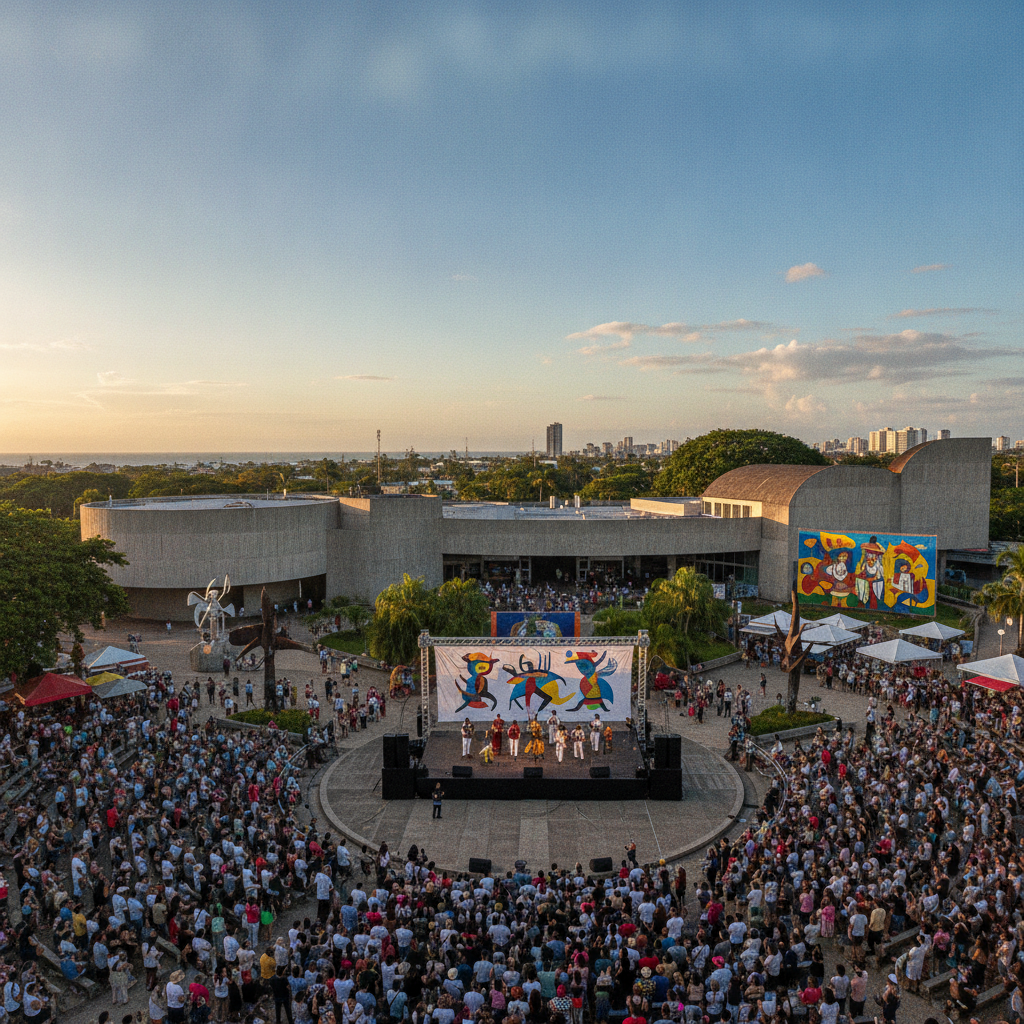
João Pessoa Cultural Life: Literature, Art & Northeastern Identity
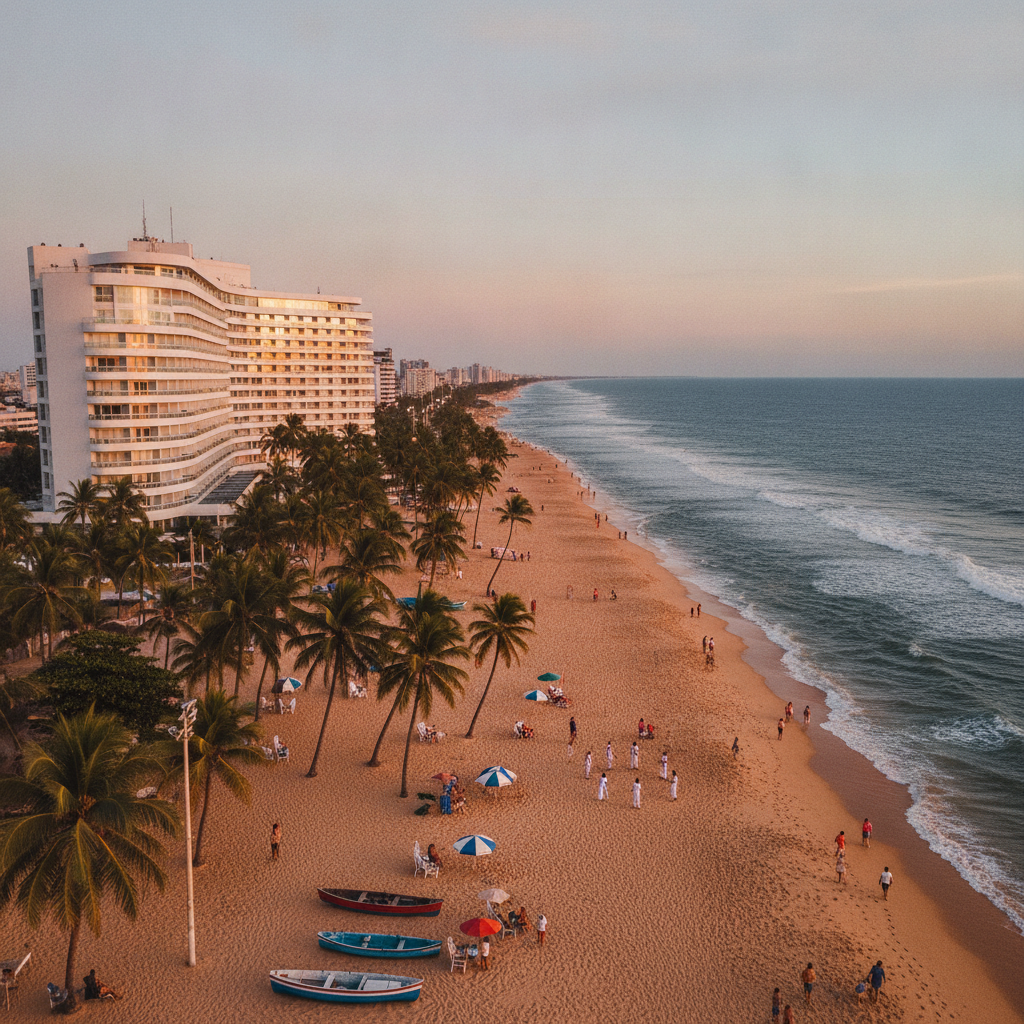
João Pessoa Beaches: Tambaú, Cabo Branco & Urban Coast
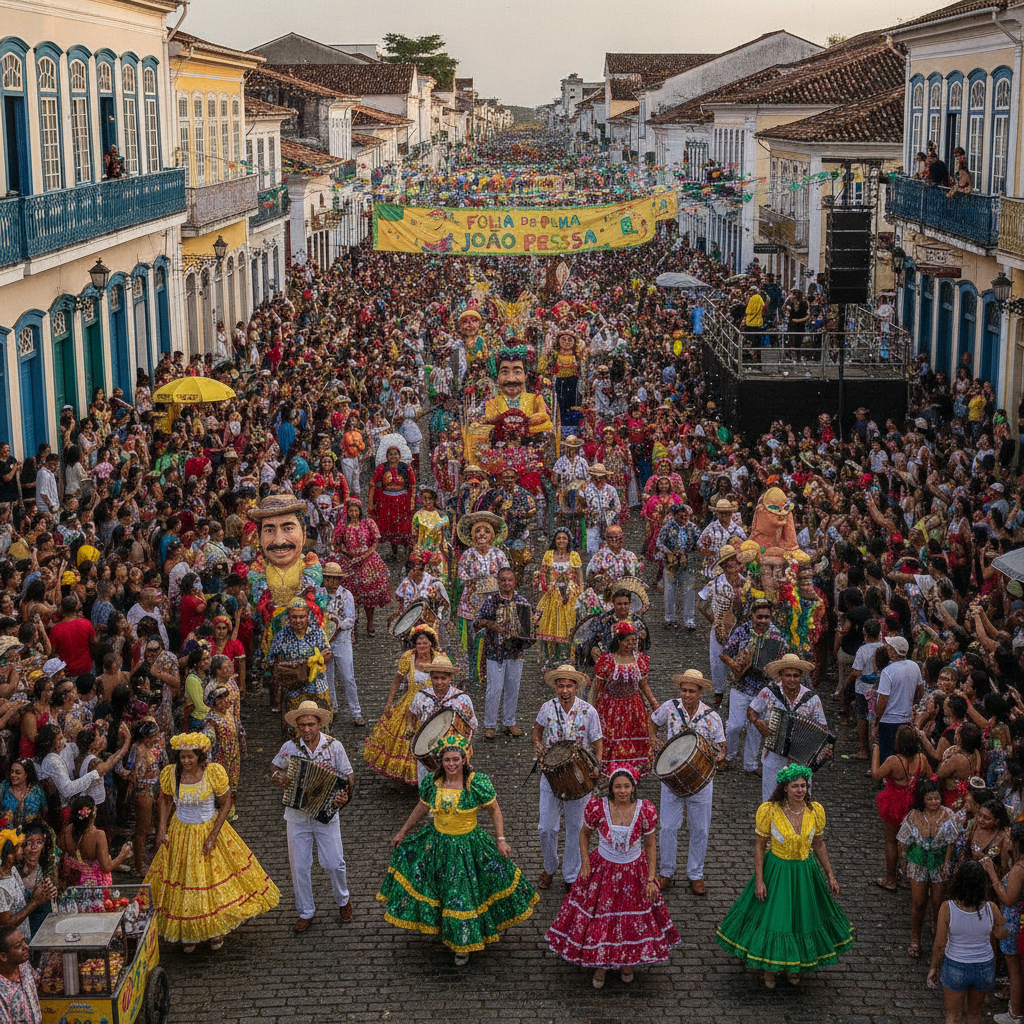
João Pessoa Carnaval: Brazil's Authentic Street Festival
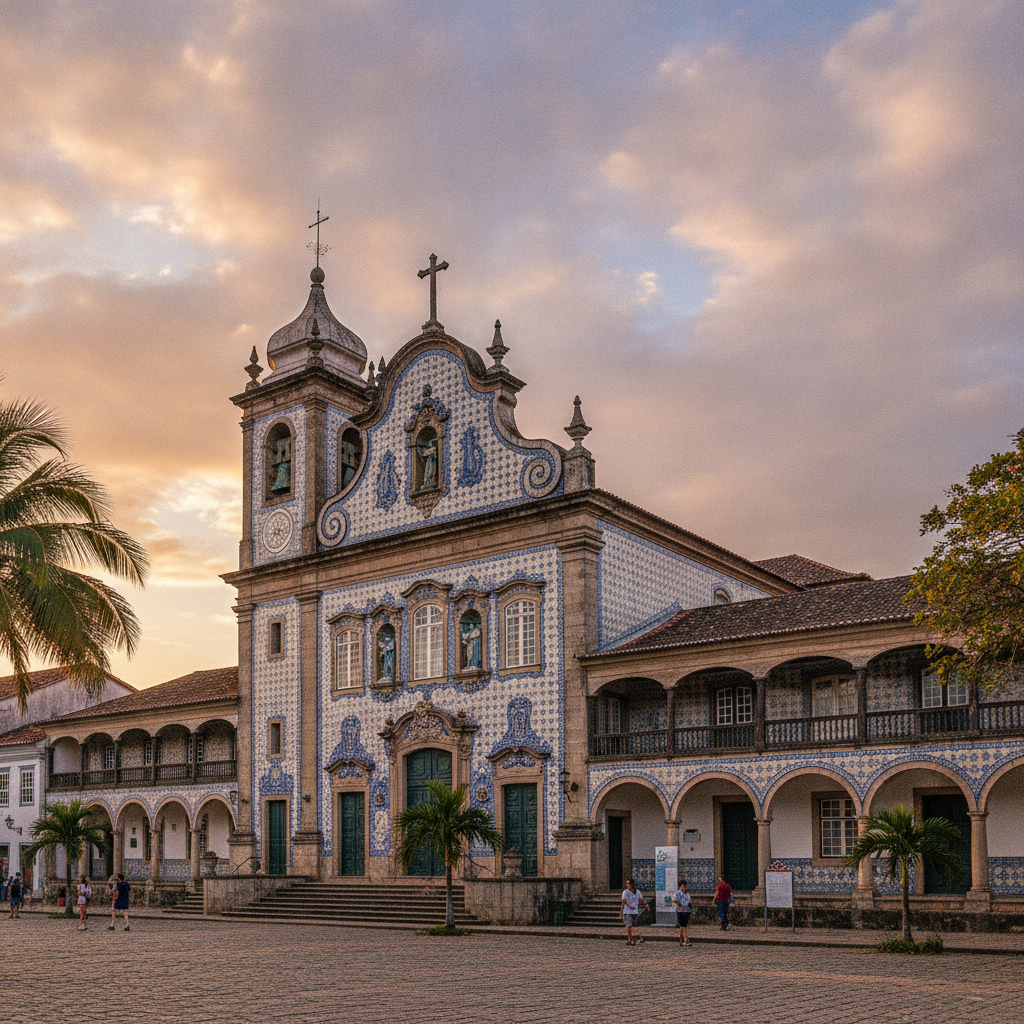
João Pessoa Historic Centre: Brazil's Baroque Architecture Gem
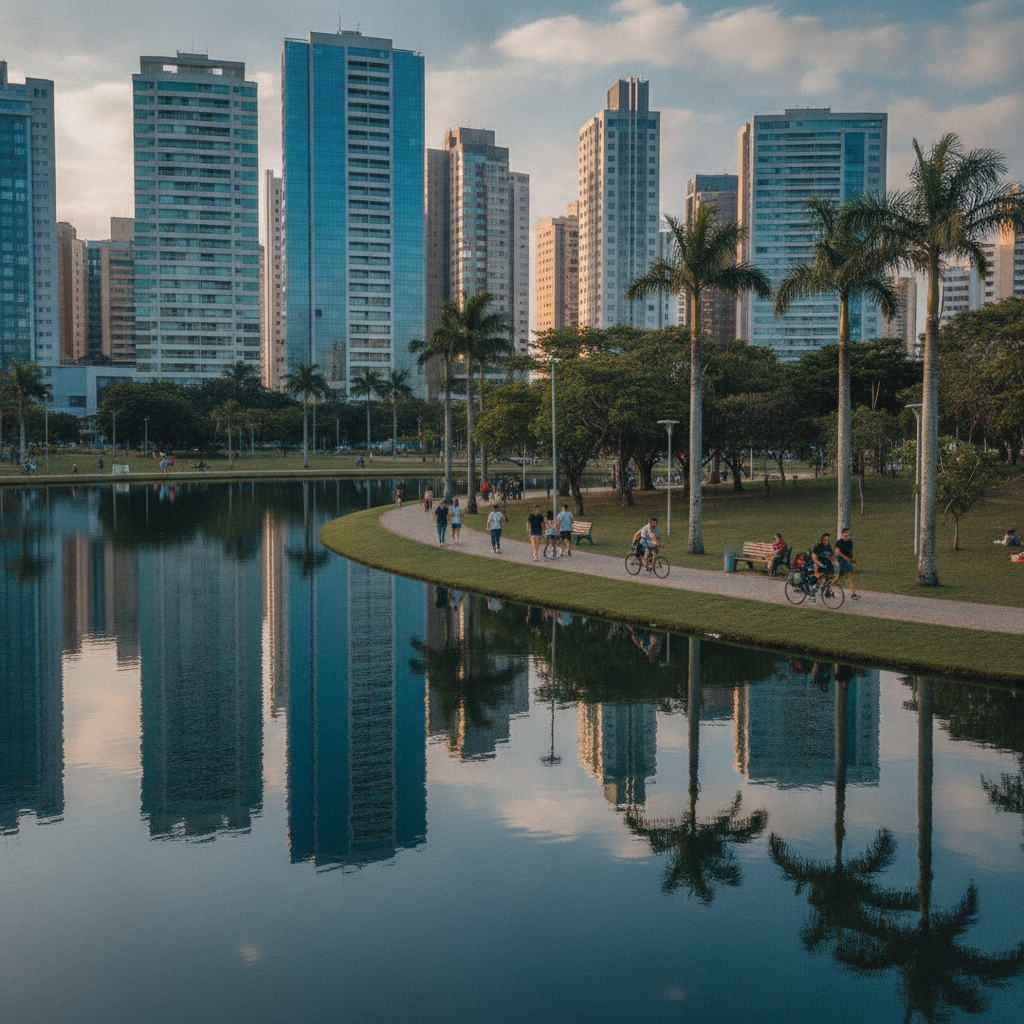
Lagoa do Amor: João Pessoa's Urban Oasis