Kandahar Old Kandahar Ancient Alexandria Site
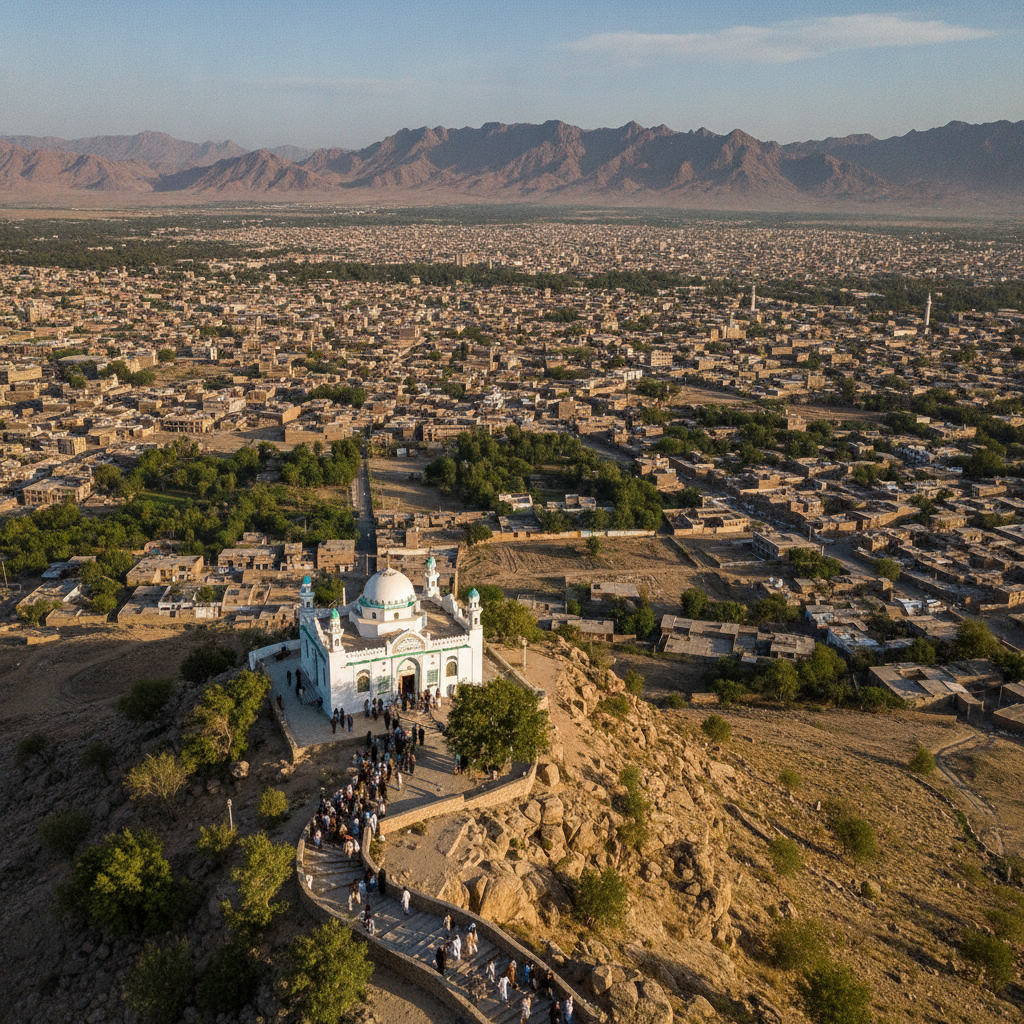
Visit Old Kandahar — the archaeological site of the ancient city founded by Alexander the Great as Alexandria Arachosia in 329 BCE, later the Kandahar of the Mauryan Emperor Ashoka who left bilingual Greek-Aramaic inscriptions here, the site 5 kilometers from the modern city preserving evidence of Afghanistan's role in the ancient world.
- 1
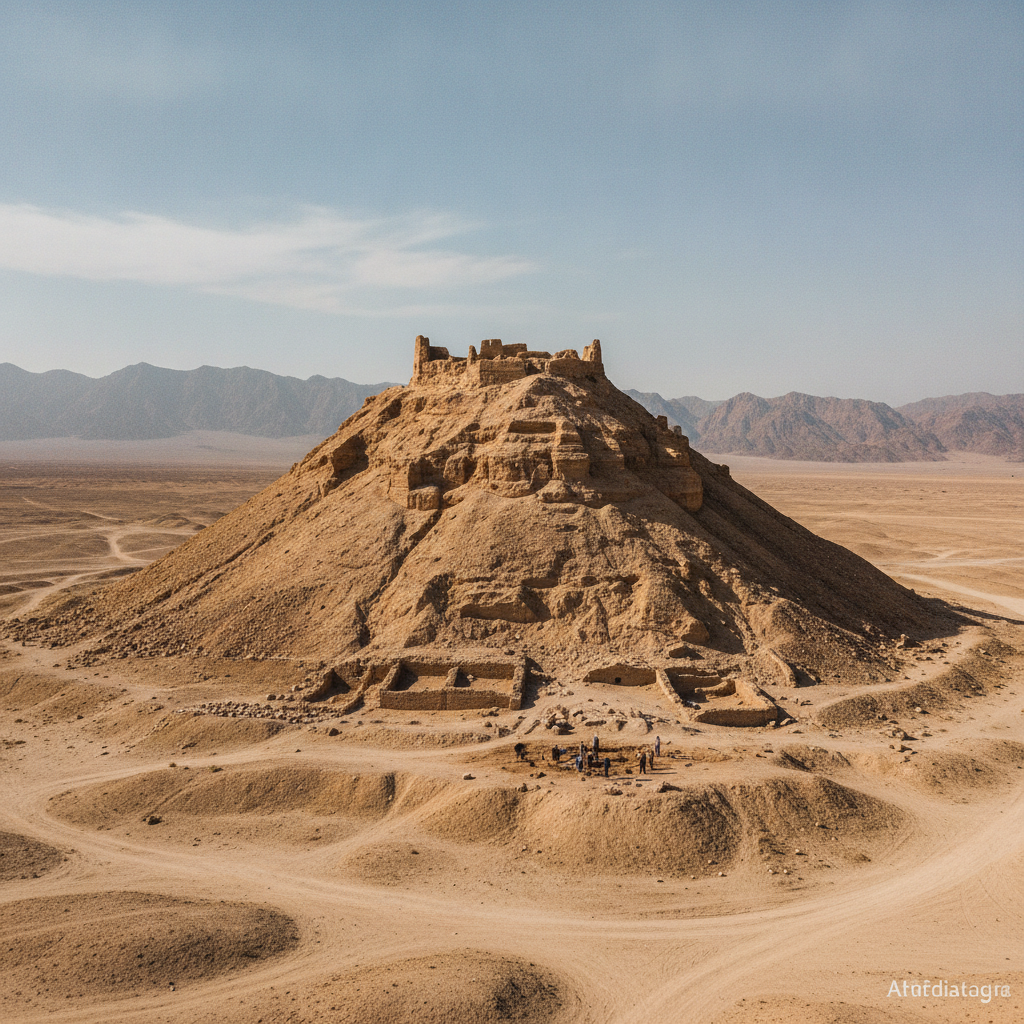
Old Kandahar Archaeological Mound
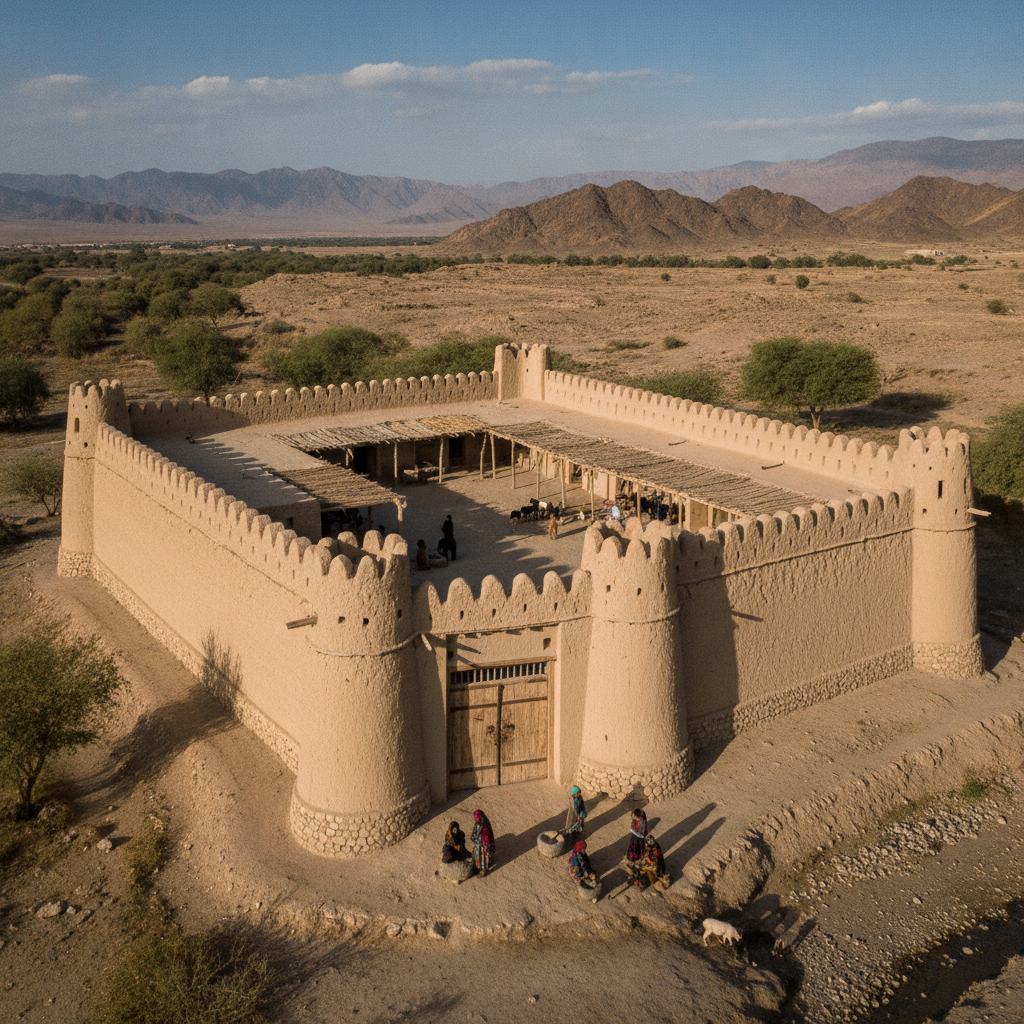
The archaeological mound of Old Kandahar — the elevated tell that marks the position of the ancient city, the accumulated layers of habitation from the Achaemenid through the early Islamic periods representing over 1,000 years of urban occupation at this strategically positioned site on the ancient Silk Road.
- 2
Ashokan Inscription Site
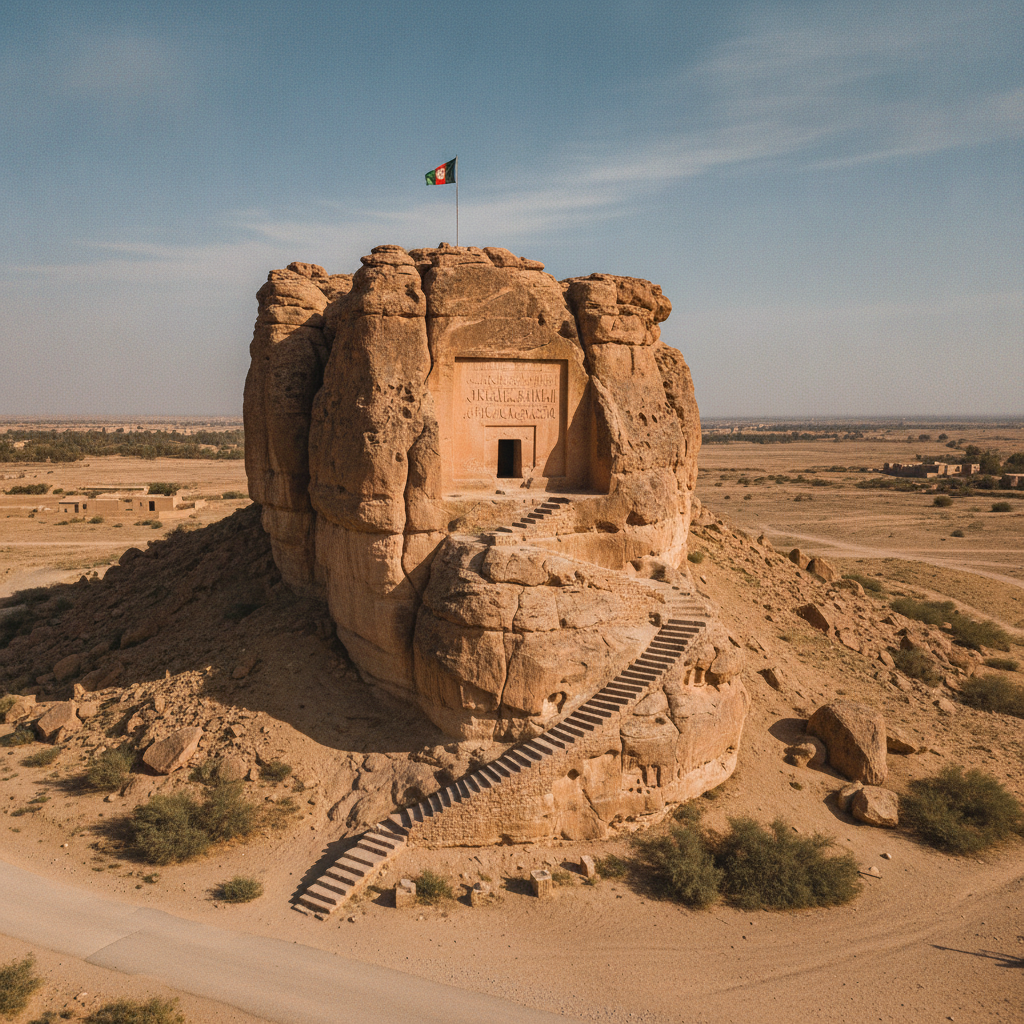
The site of the Ashokan inscription — where Emperor Ashoka of the Mauryan Empire (3rd century BCE) had bilingual edicts inscribed in Greek and Aramaic, the inscription discovered in 1958 being one of the most remarkable documents of the ancient world, demonstrating that the Mauryan Empire included southern Afghanistan.
- 3
Hellenistic Alexandria Remains
The Hellenistic-period remains at Old Kandahar — the archaeological evidence of Alexander's city overlaid by subsequent Seleucid and Mauryan occupation, the ceramic evidence showing the mixing of Greek and Central Asian material culture that characterizes the Hellenistic period in Afghanistan.
- 4
Sassanid and Early Islamic Layers
The Sassanid Persian and early Islamic archaeological layers at Old Kandahar — the evidence of the city's continuous occupation through the centuries when southern Afghanistan was contested between the Persian Empire and the expanding Arab Islamic civilization in the 7th and 8th centuries CE.
- 5
Ancient Trade Route Position
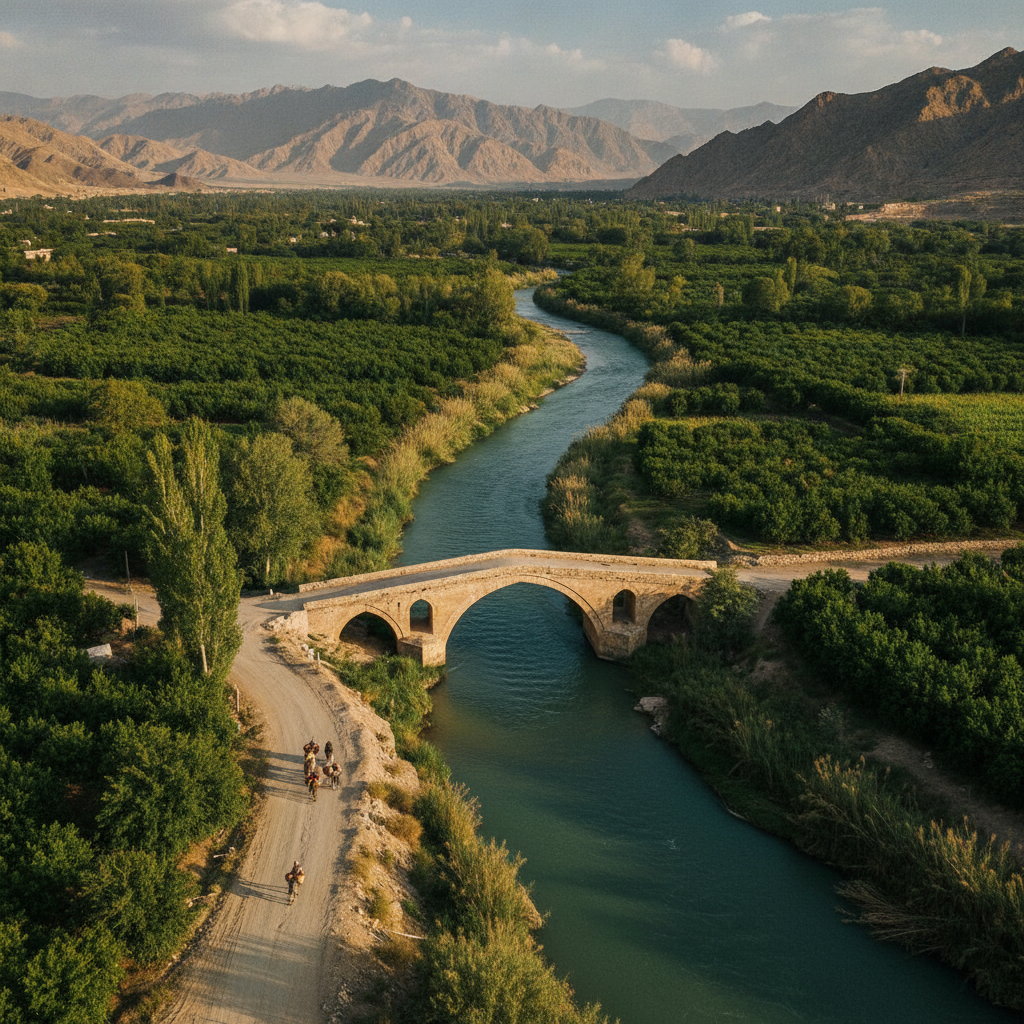
The ancient trade route position of Kandahar — at the junction of routes connecting India via the Bolan Pass to Persia and Central Asia, the city's location explaining its continuous importance from the Achaemenid period onward as a control point for the commerce and armies moving between the three great civilizations.
- 6
Museum Collection Finds
The finds from Old Kandahar displayed in the regional museum — the Hellenistic coins, Mauryan pottery, and medieval Islamic artifacts recovered from the site, the collection providing a material record of the succession of cultures that occupied one of Afghanistan's most archaeologically significant locations.
Walk this route with audio
Stories play automatically as you reach each stop — no tapping needed.