Kandahar Religious Heritage and Sacred Sites
Explore Kandahar's religious heritage — the mosques, shrines, and sacred sites of the city that has been a center of Sunni Islamic learning since the medieval period, where the Sufi brotherhoods and the Deobandi madrasa tradition both have deep roots, and where the density of religious architecture reflects the central role of Islam in Pashtun cultural identity.
- 1
Eidgah Mosque Kandahar
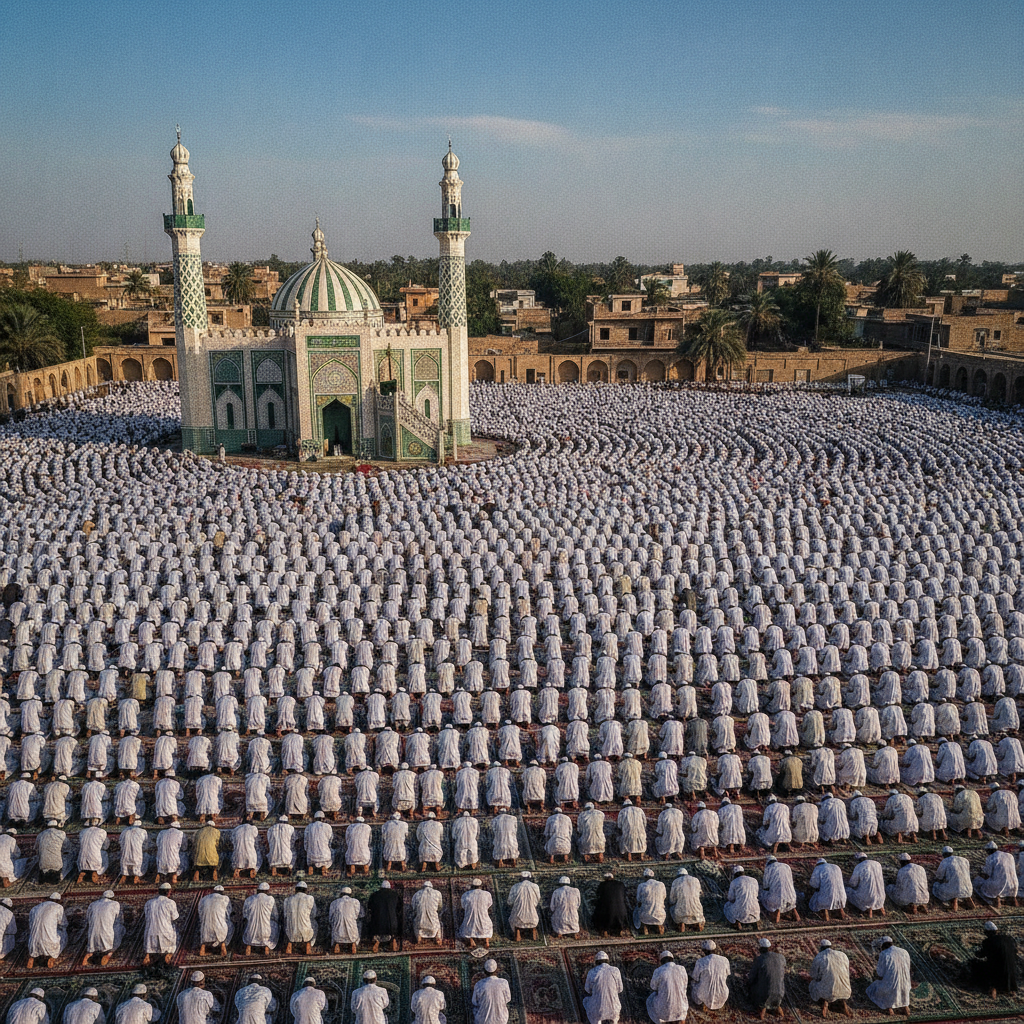
The Eidgah Mosque of Kandahar — the large open-air prayer ground used for the communal Eid prayers that gather tens of thousands of Kandaharis twice a year, the space where the collective religious identity of the city is most dramatically expressed, the congregation one of the largest religious assemblies in southern Afghanistan.
- 2
Madrasa Religious Education
The madrasa religious schools of Kandahar — the institutions providing Islamic education at the primary and secondary levels, the curriculum centered on the memorization of the Quran, Islamic jurisprudence, and the hadith sciences, the madrasa network of southern Afghanistan one of the densest concentrations of religious education in Central Asia.
- 3
Sufi Shrine Network
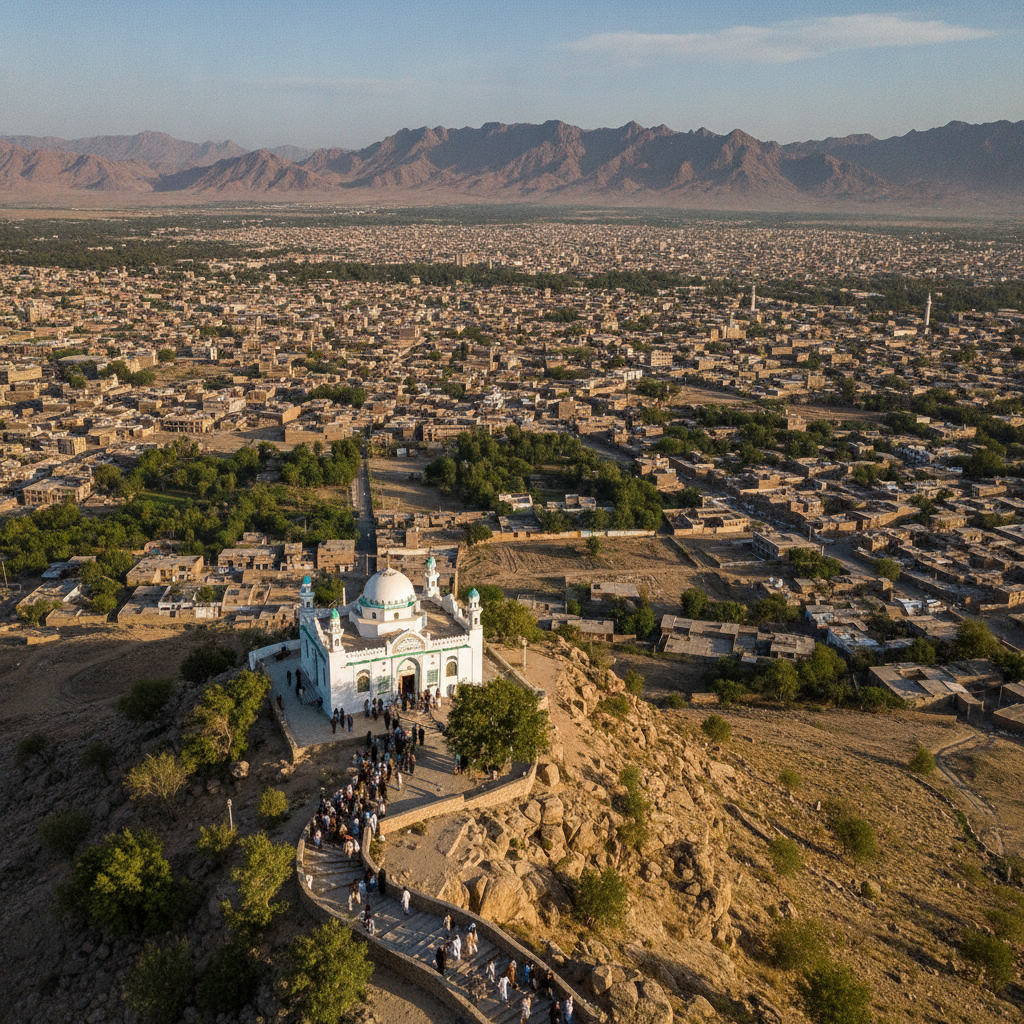
The Sufi shrine network of Kandahar district — the dozens of small shrines to local saints scattered across the city and its surrounding villages, each shrine the focal point for the devotional practices of a neighborhood or tribal group, the network representing the popular Sufi Islam that has coexisted with the more formal mosque-centered tradition.
- 4
Friday Mosque Historic Center
The Friday mosque of central Kandahar — the congregational mosque where the weekly Jumu'ah prayer gathers the faithful of the city, the building reflecting the architectural tradition of Afghan mosque construction with its courtyard, prayer hall, and the minaret from which the call to prayer reaches across the surrounding neighborhoods.
- 5
Kandahar Graveyard Saints
The historic graveyards of Kandahar containing the tombs of scholars and saints — the cemeteries that serve as outdoor shrines where the graves of notable religious figures attract visitors seeking blessing, the graveyards reflecting the Afghan tradition of venerating the pious dead that has been a feature of religious practice in the region since the medieval period.
- 6
Hadda Buddhist Remains Context
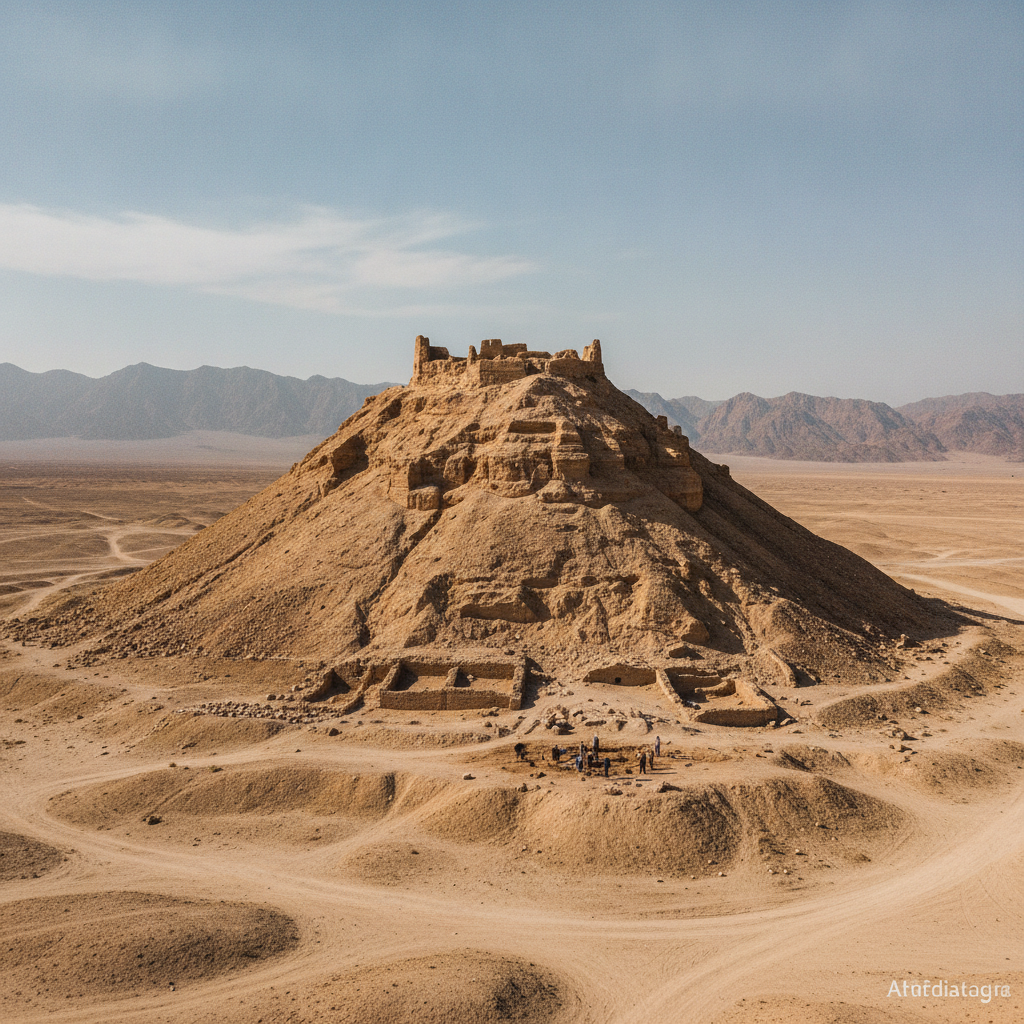
The context of pre-Islamic religious history near Kandahar — the region where Buddhist communities lived before the Islamic conquests of the 7th century CE, the archaeological traces of the Buddhist period that underlie the Islamic civilization of today, the historical depth of religious life in this part of Afghanistan extending back three millennia.
Walk this route with audio
Stories play automatically as you reach each stop — no tapping needed.