Karachi Port, Fishing Harbour and Manora Island
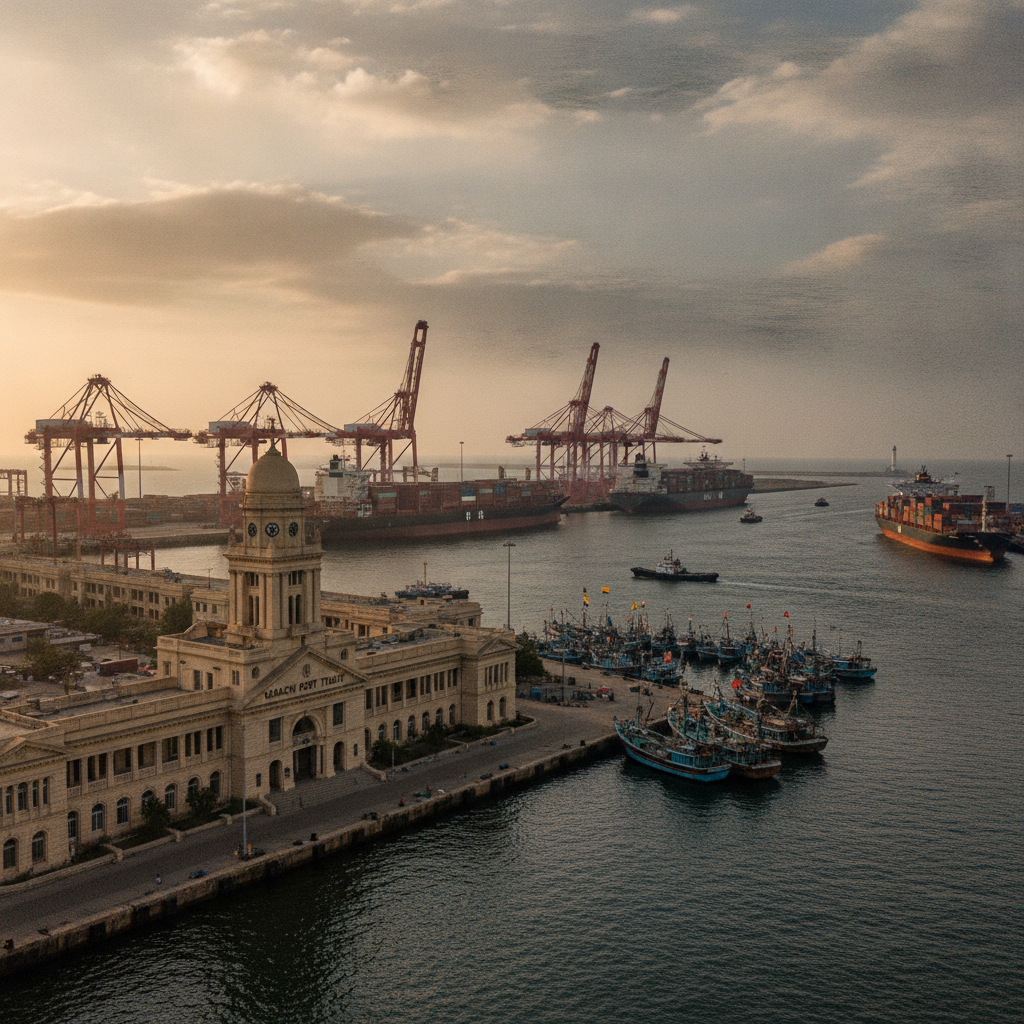
See Karachi as the great port city it is — the commercial harbour handling 60% of Pakistan's trade, the adjacent fishing harbour where the largest fishing fleet in Pakistan unloads its catch before dawn, and the short boat crossing to Manora Island with its lighthouse and the traces of the pre-colonial and colonial maritime history of this coast.
- 1
Karachi Port Trust Building
The imposing 1908 colonial building facing the harbour that administers Pakistan's most important port — the view from the waterfront of the container terminals, bulk carriers, and tankers that make Karachi the commercial lifeline of a landlocked country's import economy.
- 2
Fishing Harbour Before Dawn
The Karachi fishing harbour at 4-5am when the night's catch arrives — the wooden trawlers unloading hundreds of tonnes of fish by hand, the ice trucks waiting on the dock, the wholesalers bidding in the lamplight, and the overwhelming scale of the operation feeding Pakistan's protein supply.
- 3
Fish Auction Hall
The morning fish auction where the catch is graded and sold by rapid-fire bidding to wholesalers — the variety of species from the Arabian Sea including pomfret, kingfish, cuttlefish, shrimp, and the large tuna destined for export to Japan.
- 4
Manora Boat Crossing
The short passenger ferry to Manora Island at the entrance to Karachi harbour — the crossing used daily by the island's residents and the visitors who come to see the historic lighthouse and the quiet contrast the island offers to the mainland city's intensity.
- 5
Manora Lighthouse
The 1854 lighthouse on Manora Island that has guided ships into Karachi harbour for over 170 years — one of the oldest operating lighthouses in South Asia, the island's highest point offering views across the harbour entrance to the city and the Arabian Sea beyond.
- 6
Manora Hindu Temple
The surviving Hindu temple on Manora Island — a relic of the pre-Partition era when Karachi's population included a substantial Hindu community, the temple one of the few surviving religious sites of the city's cosmopolitan past, maintained by a small caretaker community.
Walk this route with audio
Stories play automatically as you reach each stop — no tapping needed.
More in karachi
Karachi Kirthar Hills and Gorakh Hill Day Trip
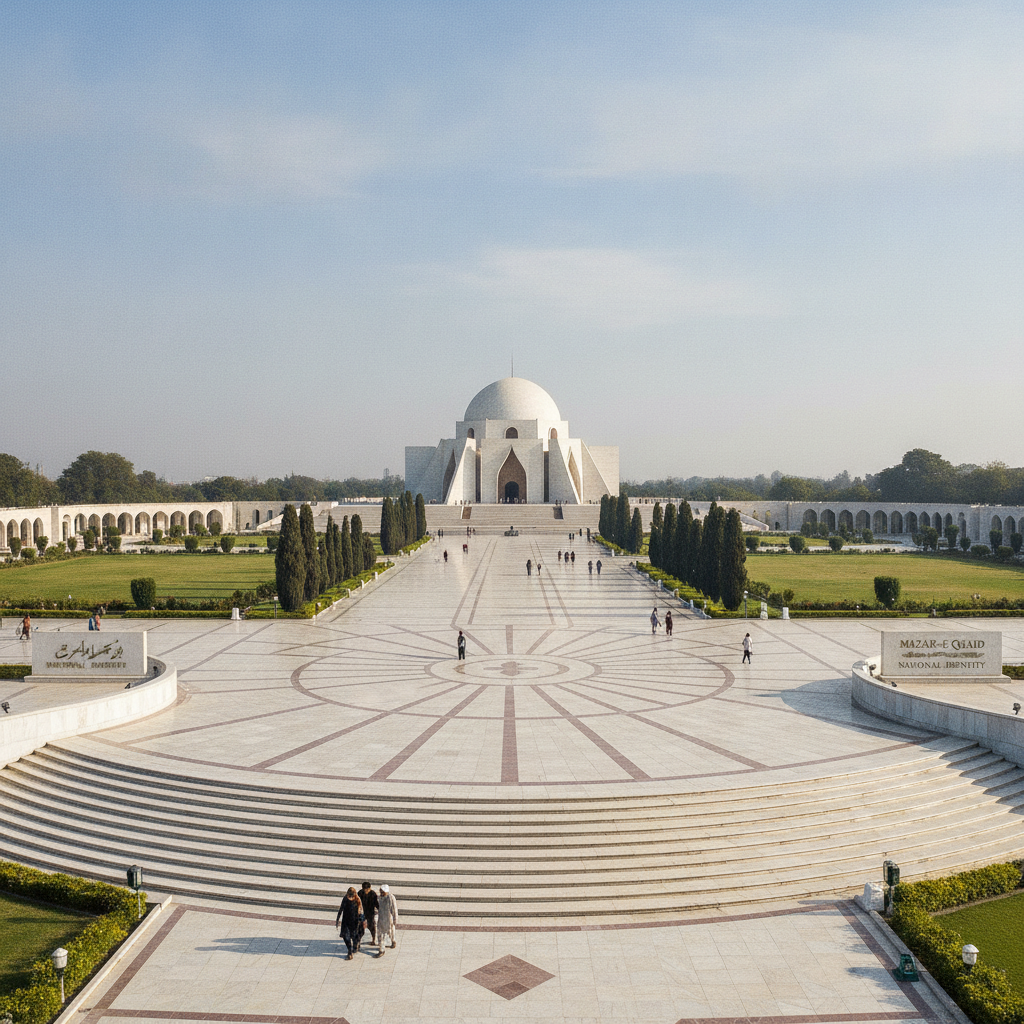
Karachi Quaid-e-Azam Mausoleum and National Identity
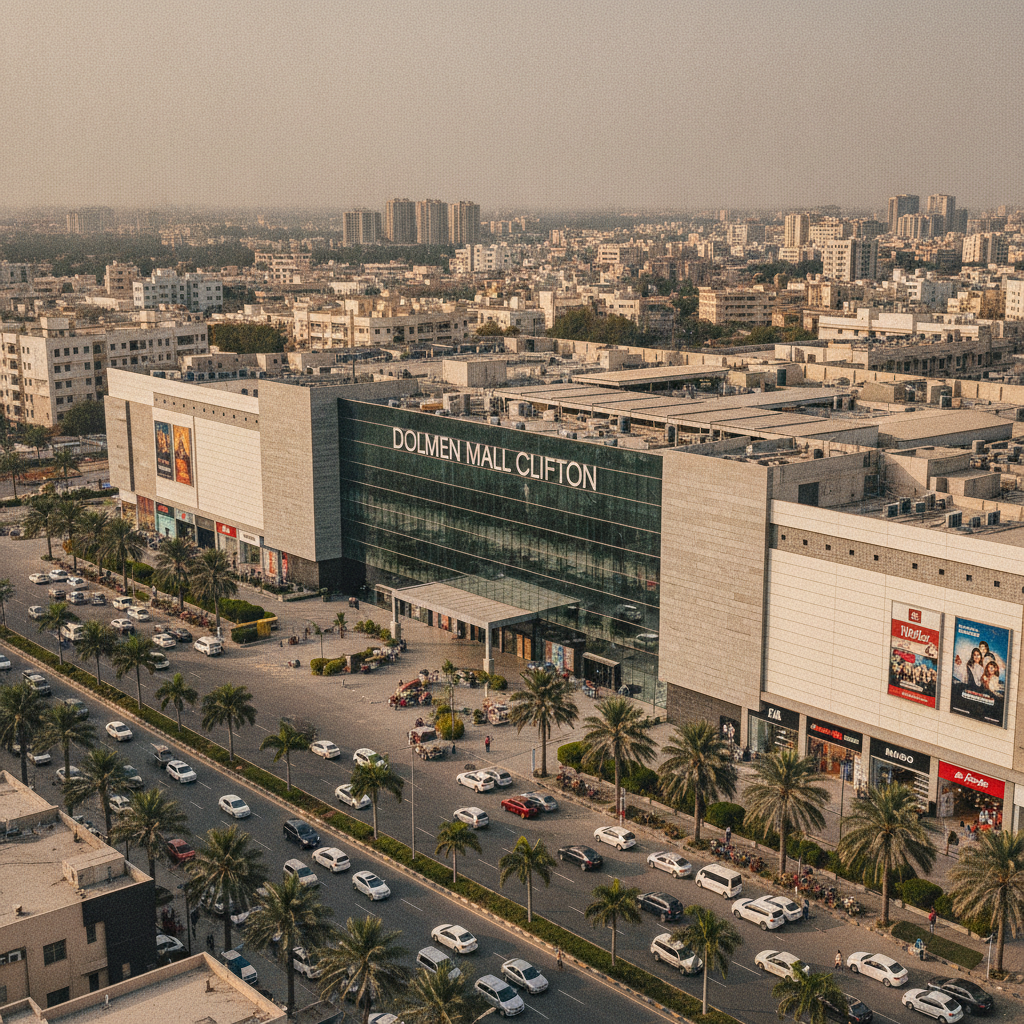
Karachi Defence Colony and Modern Urban Landscape
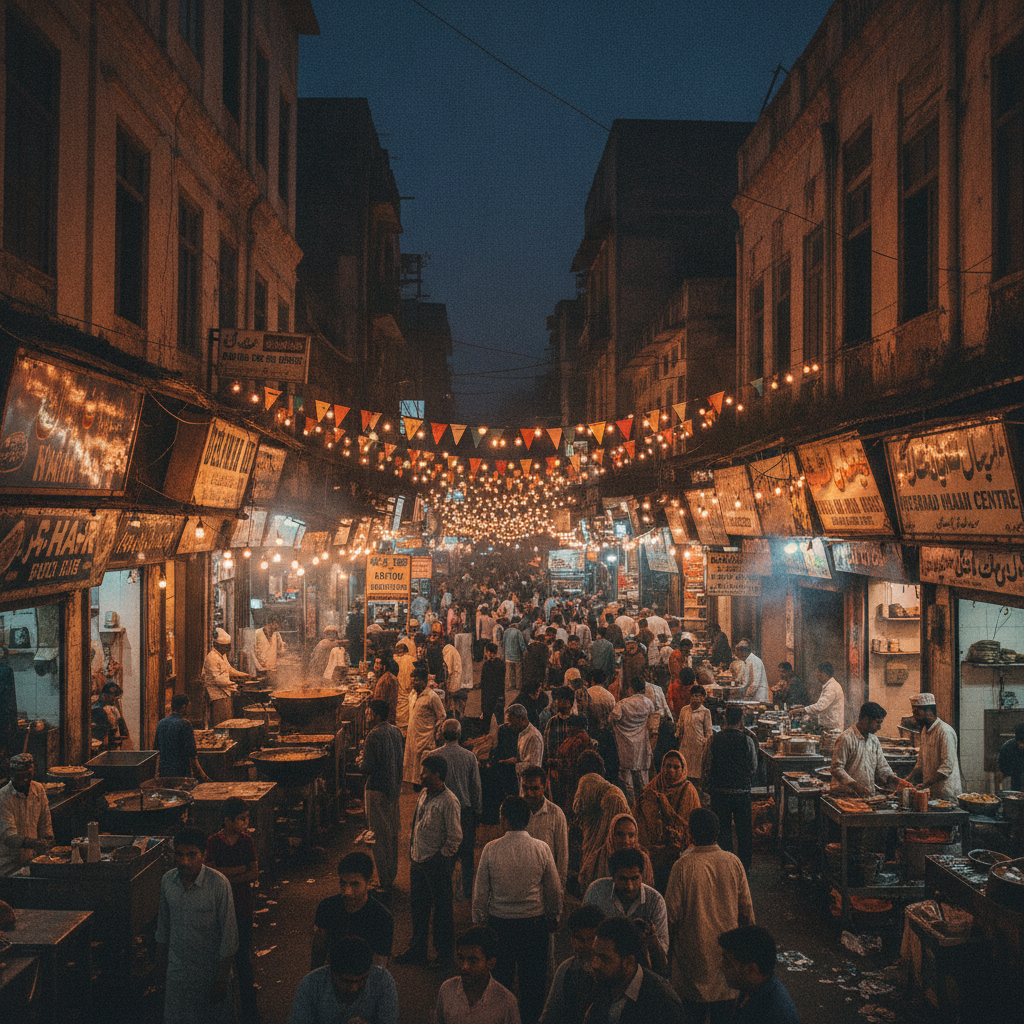
Karachi Burns Road Food Street and Culinary Heritage
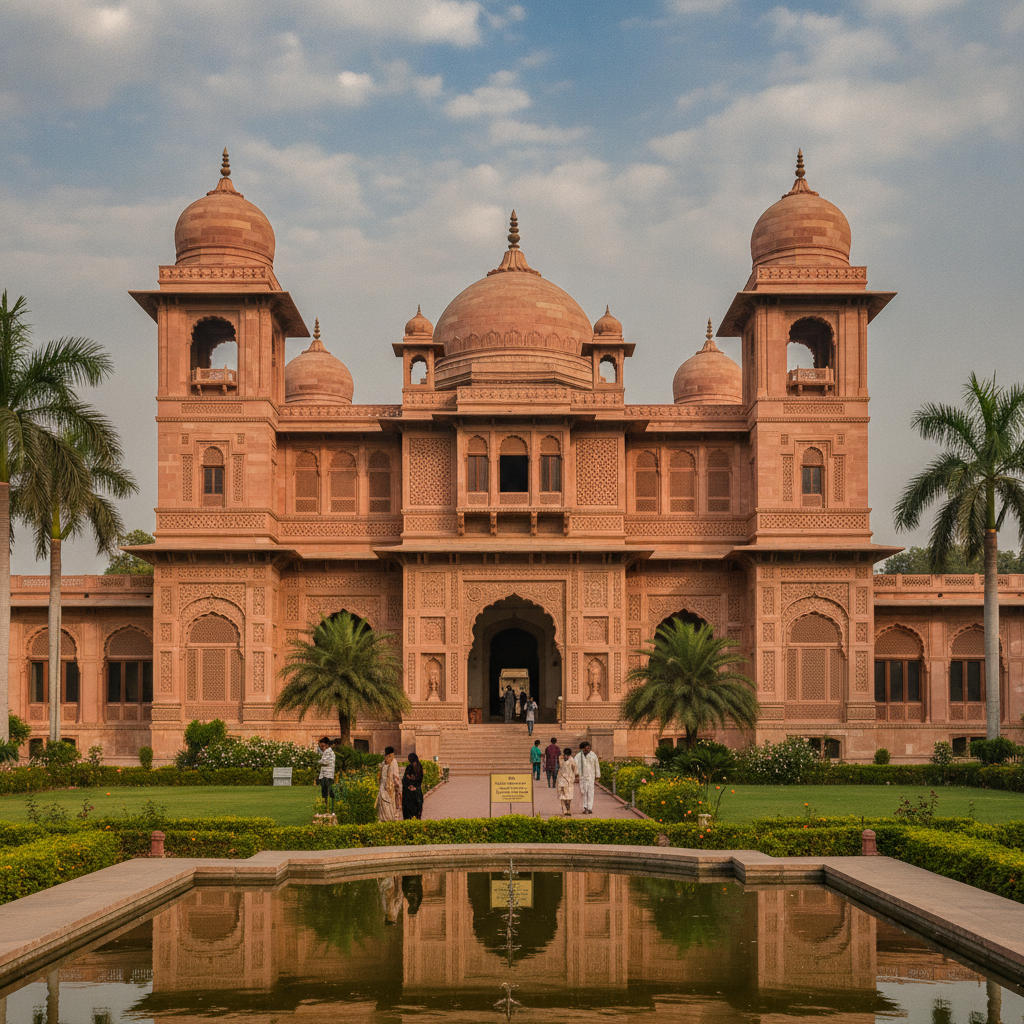
Karachi Mohatta Palace and Cultural Museums