Khiva Silk Road Caravanserai and Slave Trade
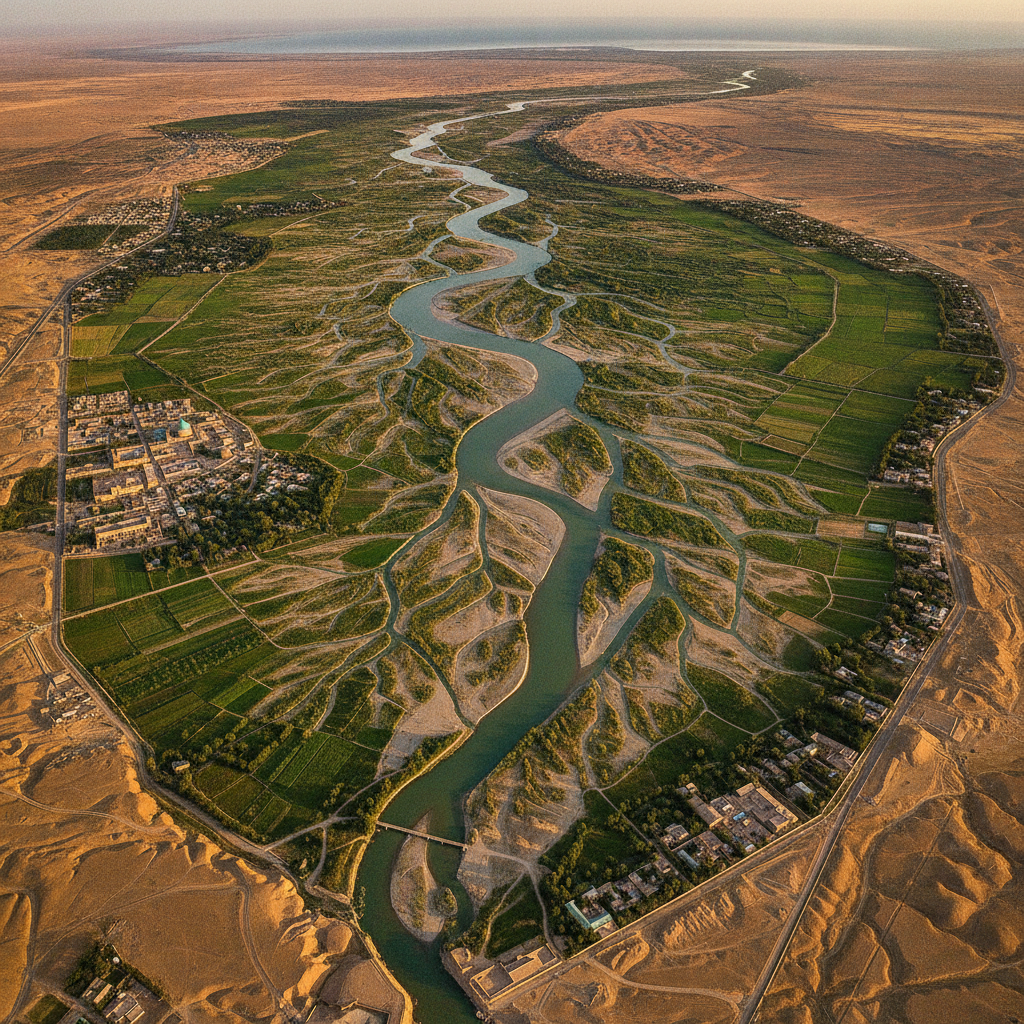
Explore Khiva's role in the Silk Road and Central Asian slave trade — the caravanserais that processed the commerce passing through the Khorezm oasis, and the city's notorious 19th-century slave market where Persian and Russian captives were sold, the abolition of which was a primary Russian justification for the 1873 conquest of Khiva.
- 1
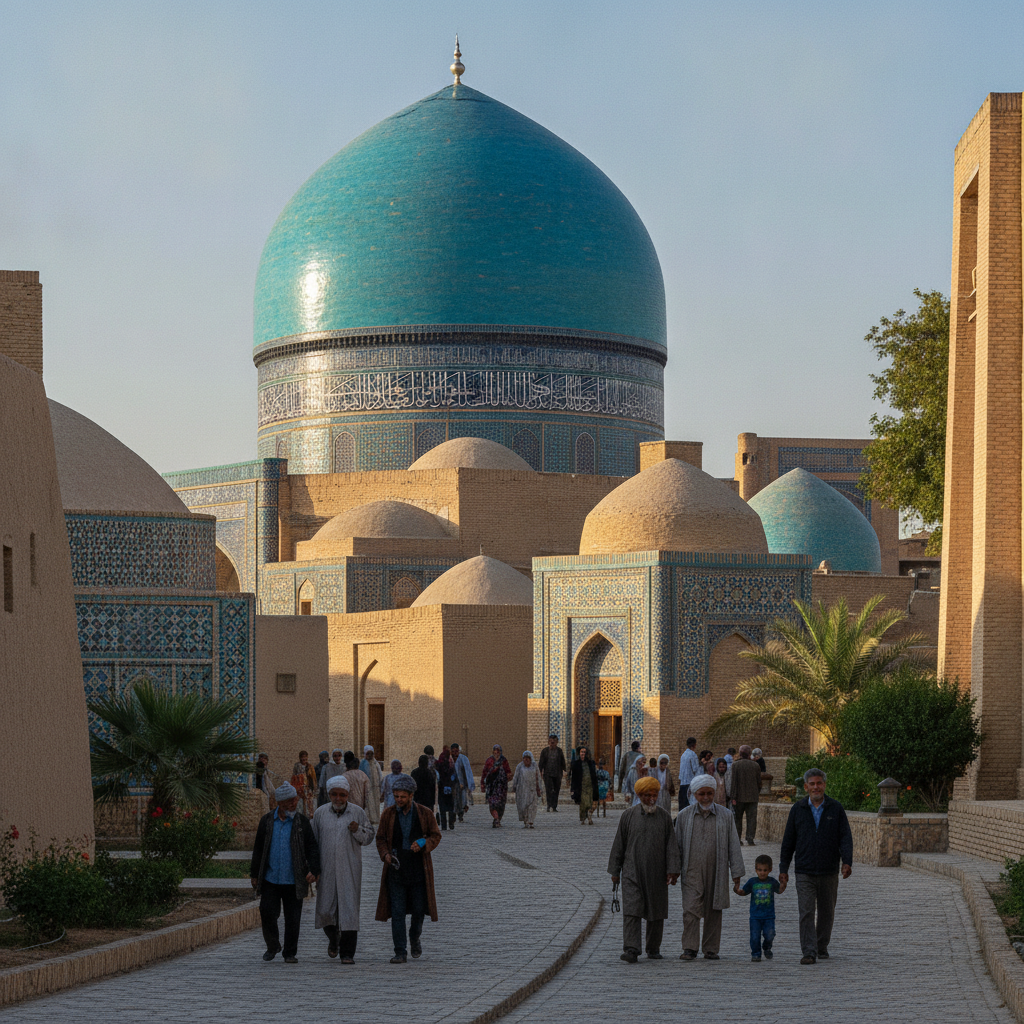
Allah Kuli Khan Caravanserai
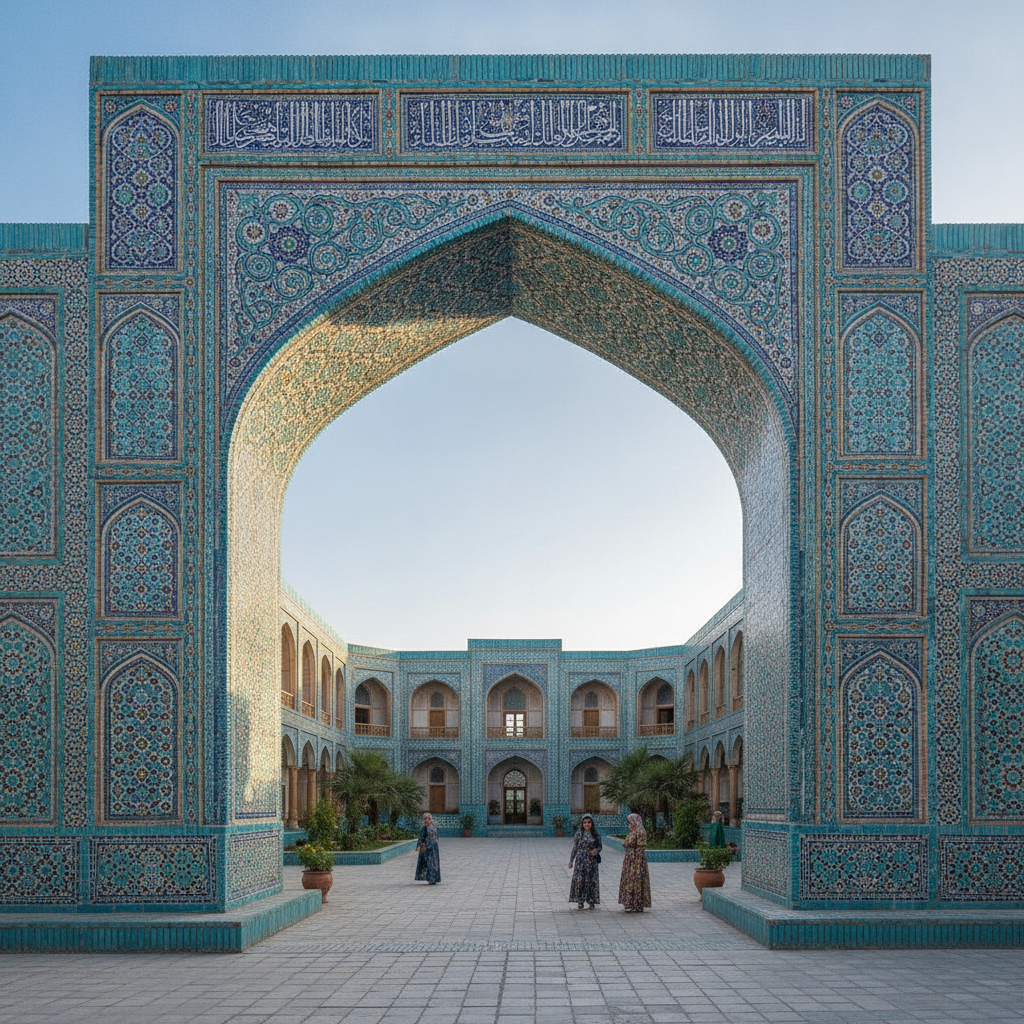
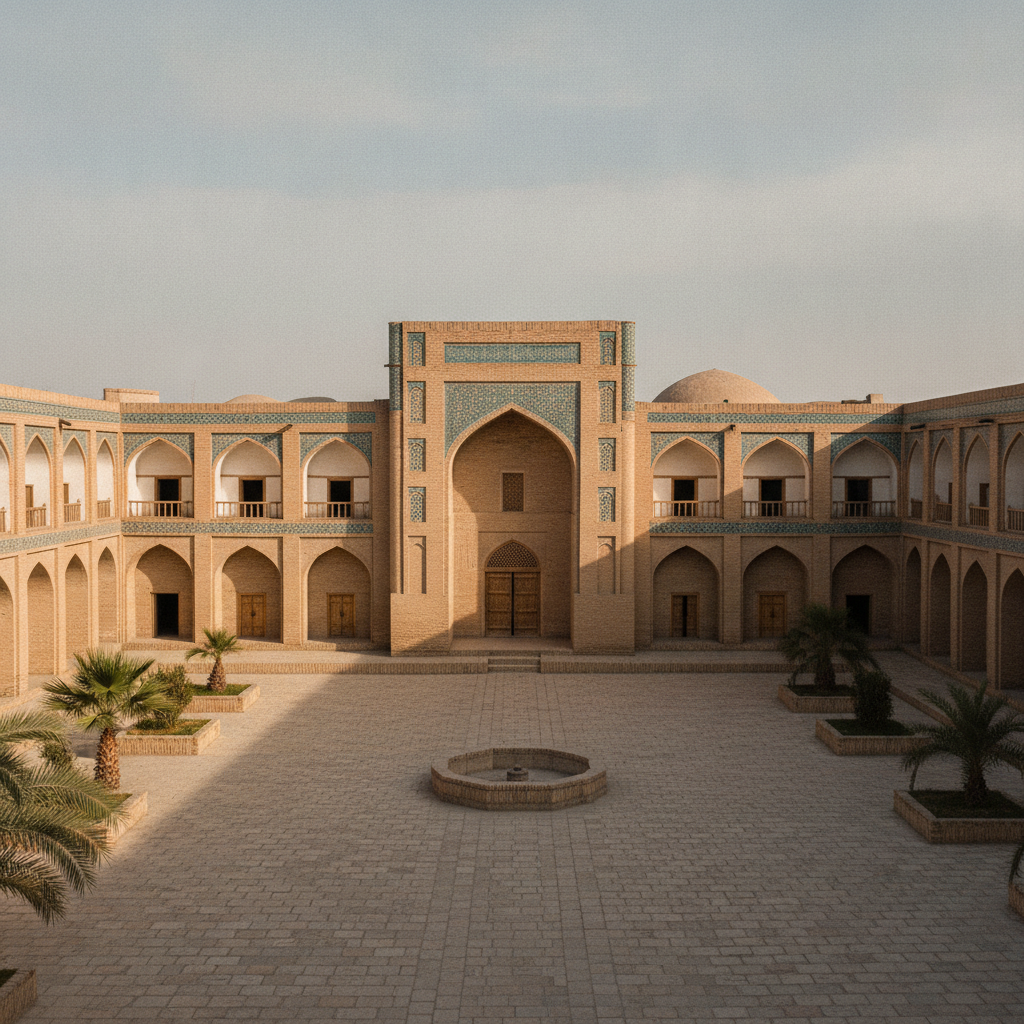
The Allah Kuli Khan Caravanserai built in 1832 — the large trading complex within Ichan Kala designed to accommodate merchants from the Silk Road caravans, the courtyard with its surrounding vaulted chambers for merchants and goods, the building showing the integration of commercial infrastructure within the walled city's fabric.
- 2
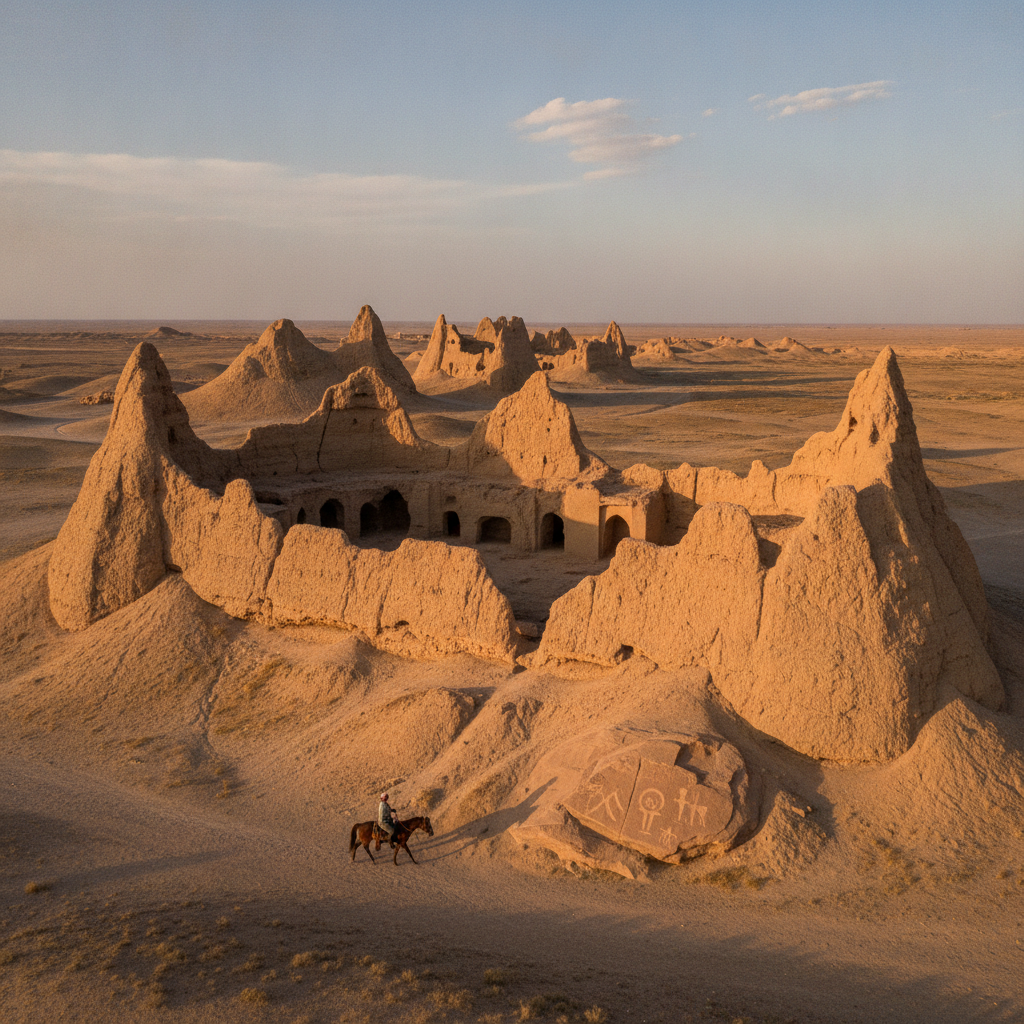
Slave Market Historical Site
The historical site of Khiva's slave market — the location within the city where captured Persians, Russians, and Central Asians were sold as agricultural laborers and domestic servants, the market supplying the labor for the Khorezm oasis's irrigated agriculture, the abolition of the slave trade in 1873 following the Russian conquest.
- 3
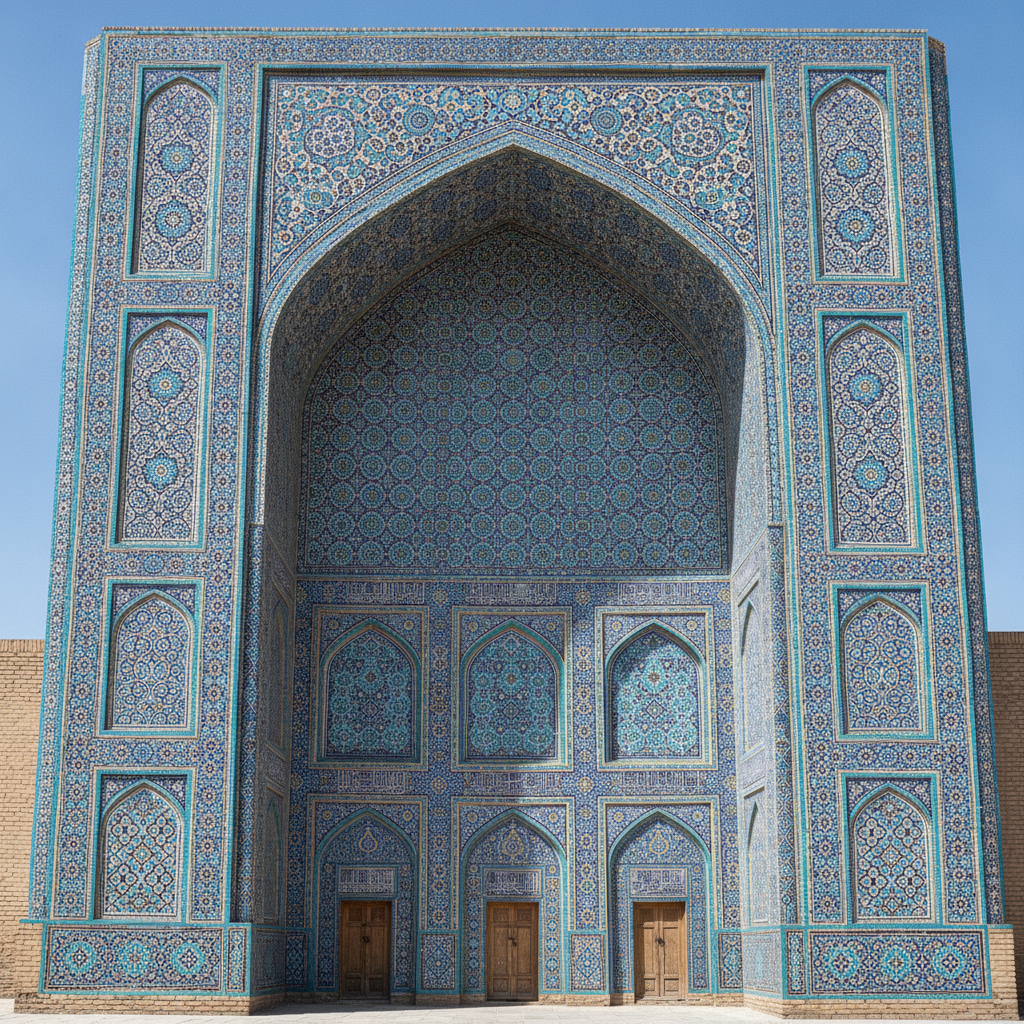
Caravanserai Architecture Detail
The caravanserai architecture of the Allah Kuli Khan complex — the vaulted iwan entrances, the rows of chambers for different merchant groups, the central courtyard water supply, and the mosque for travelers' prayers, the building type representing the infrastructure backbone of Silk Road commerce.
- 4
Russian Conquest Context
The Russian conquest context of 1873 — the military expedition of General Kaufmann that ended the independent Khanate of Khiva, the Russian justification citing the slave trade and raids on Russian caravans, the conquest making Khiva a Russian protectorate while preserving the khan as a figurehead until 1920.
- 5
Trade Goods Through Khiva
The trade goods that passed through Khiva — the cotton and silk from the Fergana Valley moving west, the Russian manufactured goods moving south, the Afghan and Indian goods passing north, and the Khorezm-produced carpets and silk moving to Russian and Iranian markets, the city a node in the complex network of Central Asian commerce.
- 6
Bazaar Quarter Modern
The modern bazaar quarter outside Ichan Kala — the commercial district where trade continues in the streets around the walled city, the market selling Uzbek crafts, textiles, and agricultural produce in the same location that has served as the external commercial zone of Khiva since the medieval period.
Walk this route with audio
Stories play automatically as you reach each stop — no tapping needed.