Kota Kinabalu Kaamatan Harvest Festival Walk
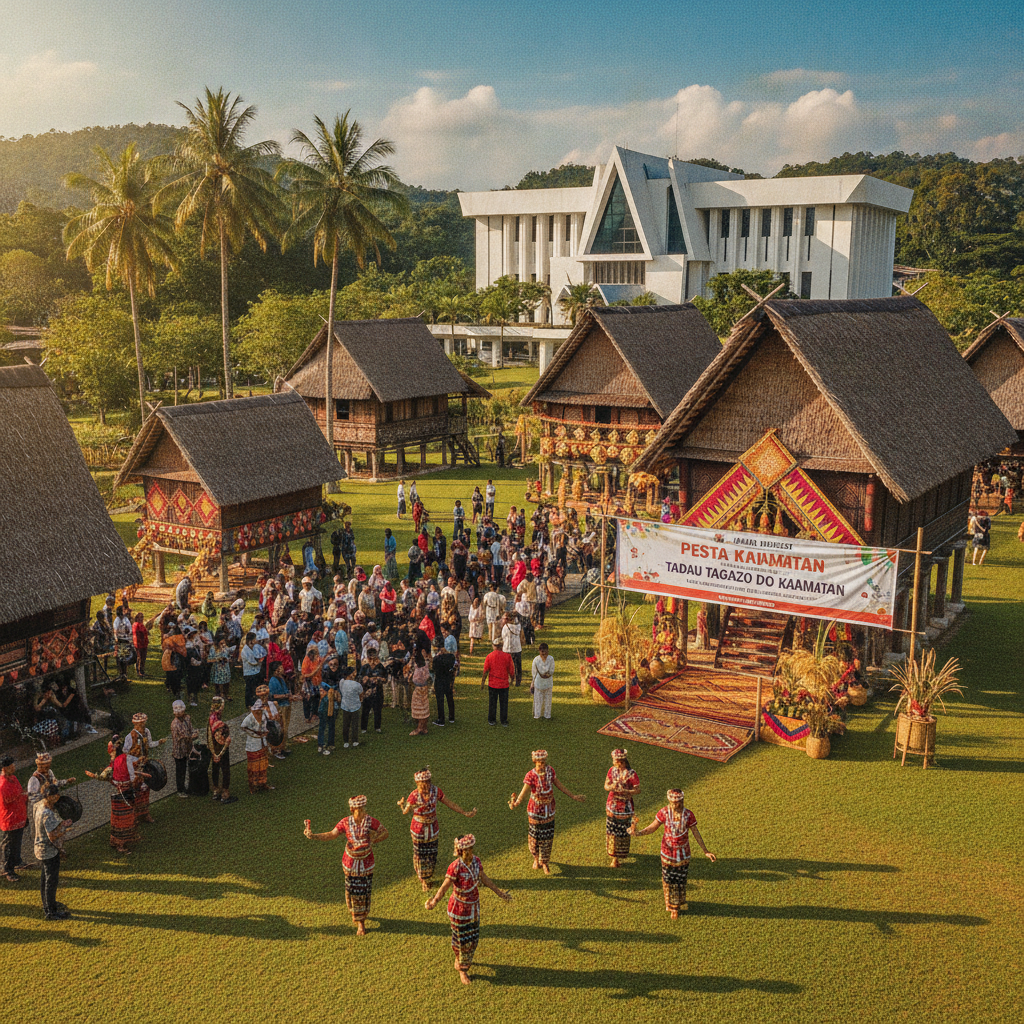
Experience Sabah's most important cultural celebration — the Kaamatan (Harvest Festival) celebrated by the Kadazan-Dusun people of Sabah every May is the most significant cultural event in the state, with traditional ceremonies, the Unduk Ngadau beauty contest, traditional music, and the rice wine culture that is central to indigenous Sabah cultural life.
- 1
KDCA Cultural Centre Penampang
The Kadazan Dusun Cultural Association (KDCA) Cultural Centre in Penampang is the headquarters of Kaamatan celebrations — the venue that hosts the grand finale of Kaamatan activities on May 30-31 each year, with the Unduk Ngadau (Harvest Queen) beauty contest, traditional dance performances, the sumazau dance demonstrations, and the largest gathering of Kadazan-Dusun people from across Sabah, serves as both a cultural heritage centre and the organisational home of the state's most important indigenous community institution.
- 2
Sumazau Traditional Dance
The sumazau is the traditional dance of the Kadazan-Dusun people — the elegant dance with its characteristic outstretched arms moving like a bird's wings, performed by both men and women in traditional dress to the accompaniment of gong music, is the most recognised cultural symbol of Sabah's indigenous people. The sumazau is performed at Kaamatan and at weddings and other celebrations, and learning the basic steps of the sumazau is offered to visitors as the most direct cultural engagement available with Kadazan-Dusun performing arts.
- 3
Tapai Rice Wine Culture
Tapai (traditional rice wine) is central to Kadazan-Dusun culture — the fermented glutinous rice wine brewed in ceramic jars using a yeast starter (sasad) made from wild herbs and consumed at ceremonies from bamboo straws directly from the jar is both a ceremonial drink and a social lubricant at Kaamatan. The preparation of tapai by the bobohizan (female traditional priestess) according to traditional protocols, the protocols for offering and accepting tapai as a mark of respect, and the competitive consumption culture that characterises Kaamatan celebrations represent a fermented beverage tradition that is simultaneously religious, social, and cultural.
- 4
Bobohizan Ritual Tradition
The bobohizan (female traditional priestesses) are the religious leaders of Kadazan-Dusun traditional society — the women who perform the magavau ceremony at Kaamatan (summoning the rice spirit Bambarayon back to the paddy fields) maintain a religious tradition of animist-spiritual practice that predates and continues alongside the Christian conversion of most Kadazan-Dusun people. The survival of the bobohizan tradition within a predominantly Christian indigenous community represents the complexity of religious identity in Sabah, where Christian practice and traditional animist ceremony coexist in the same community calendar.
- 5
Unduk Ngadau Beauty Contest
The Unduk Ngadau (Harvest Queen) contest at Kaamatan is Sabah's most watched cultural competition — the contest selecting the most beautiful and culturally accomplished young Kadazan-Dusun woman from among representatives from all Sabah's districts, judged on knowledge of traditional customs, the sumazau dance performance, and the wearing of traditional costume (the sinuangga for women and the gaung for men), is the social highlight of the Kaamatan celebration and the most visible expression of the Kadazan-Dusun community's pride in its cultural identity.
- 6
Paddy Fields Penampang Valley
The Penampang valley south of KK maintains some of the traditional paddy fields that provide the agricultural foundation of the Kaamatan harvest festival — the wet rice cultivation that the Kadazan-Dusun developed in the valley floors and hillside terraces of Sabah's interior created the rice surplus economy that sustained the community and produced the ceremonial rice wine and rice food culture that defines Kaamatan. The sight of the golden paddy approaching harvest in May, just before Kaamatan, connects the modern festival celebration to the agricultural reality that the harvest ceremony was originally designed to honour.
Walk this route with audio
Stories play automatically as you reach each stop — no tapping needed.
More in Kota Kinabalu
Kota Kinabalu Mount Kinabalu & Kinabalu Park Walk
Kota Kinabalu City Centre & Waterfront Walk
Kota Kinabalu Diving & Marine Life Walk
Kota Kinabalu Orangutan & Sabah Wildlife Walk
Kota Kinabalu Bajau Culture & Kota Belud Walk