Lahore Sufi Shrines and Qawwali Music Nights
Experience Lahore's Sufi heritage — the city that has been a center of Islamic mysticism since the 11th century, home to the shrine of Data Ganj Bakhsh where qawwali devotional music fills the air nightly, and where the Sufi tradition of music, poetry, and the search for divine love remains the living spiritual heartbeat of a city of 13 million people.
- 1
Data Darbar Shrine Complex
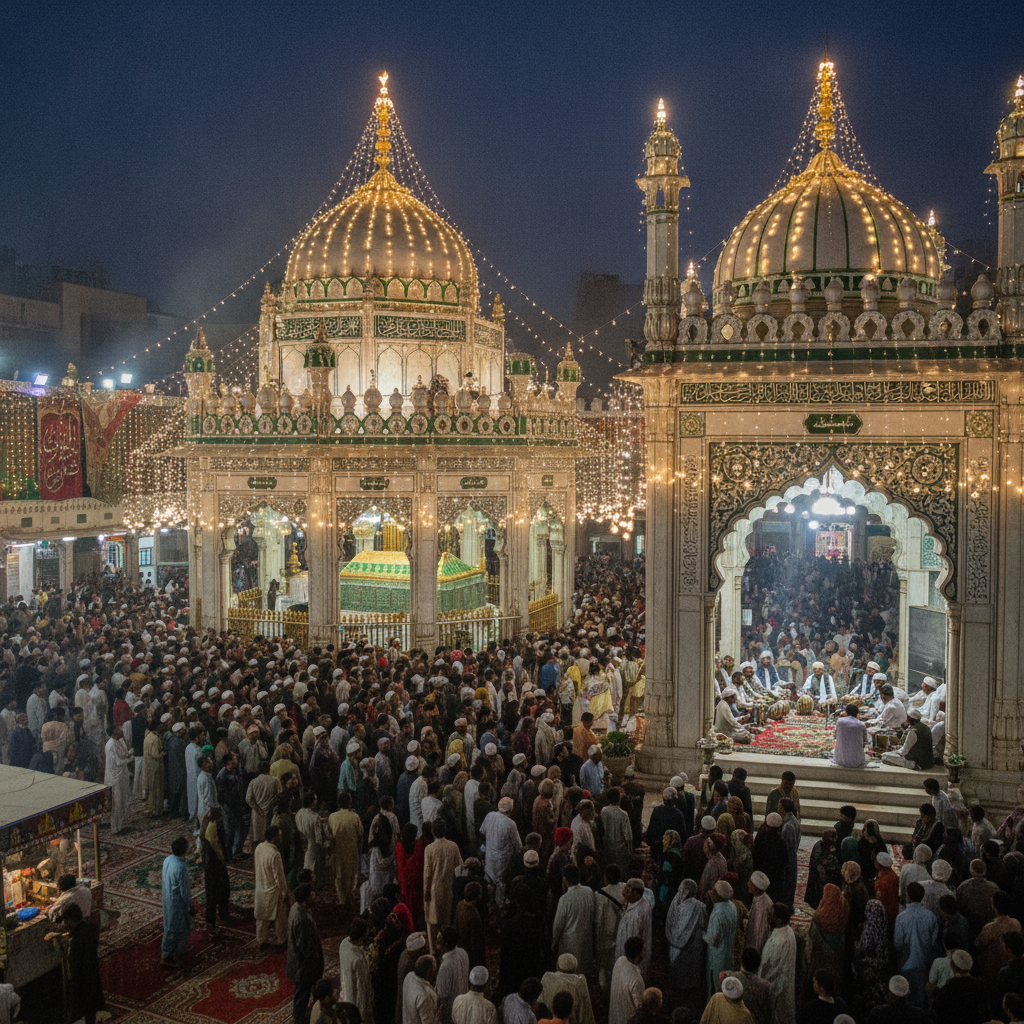
The shrine of Hazrat Ali Hujwiri (Data Ganj Bakhsh) — the 11th-century Sufi saint whose tomb is the most visited shrine in Pakistan, the complex operating 24 hours a day as a center of prayer, community feeding, and the qawwali music that plays continuously around the tomb.
- 2
Thursday Night Qawwali
Thursday night qawwali performance at Data Darbar — when professional qawwali musicians perform the devotional Sufi music throughout the night, the call-and-response singing building in intensity over hours as singers and audience enter states of devotional absorption.
- 3
Community Kitchen (Langar)
The free community kitchen operating continuously at the shrine — the tradition of feeding all comers regardless of religion or status that is central to Sufi shrine culture, the langar serving thousands of meals daily funded by donations from devotees.
- 4
Shah Jamal Shrine
The shrine of Shah Jamal where the famous dhol (drum) players Gonga and Pappu Sain have performed every Thursday — the more energetic, ecstatic form of devotional music where the drum rhythms accelerate until the devoted audience enters states of trance and spiritual transport.
- 5
Shrine of Bibi Pak Daman
The shrine of seven female companions of the Prophet's family — one of the most important women's shrines in Pakistan, where female pilgrims bring petitions and prayers, the gendered geography of Lahore's Sufi shrine culture reflecting the accessibility of Sufism to women in contrast to more orthodox Islamic practice.
- 6
Anarkali Tomb
The tomb attributed to Anarkali — the legendary court dancer who according to tradition was walled up alive by Emperor Akbar for her affair with Prince Salim, now incorporated into a government building, the legend of Anarkali persisting as Lahore's most romantic historical myth.
Walk this route with audio
Stories play automatically as you reach each stop — no tapping needed.
More in lahore
Lahore Wagah Border Retreat Ceremony
Lahore Liberty Market, Cafés and Contemporary Culture
Lahore Colonial Mall Road and British Heritage
Lahore Shalimar Gardens UNESCO Heritage Walk
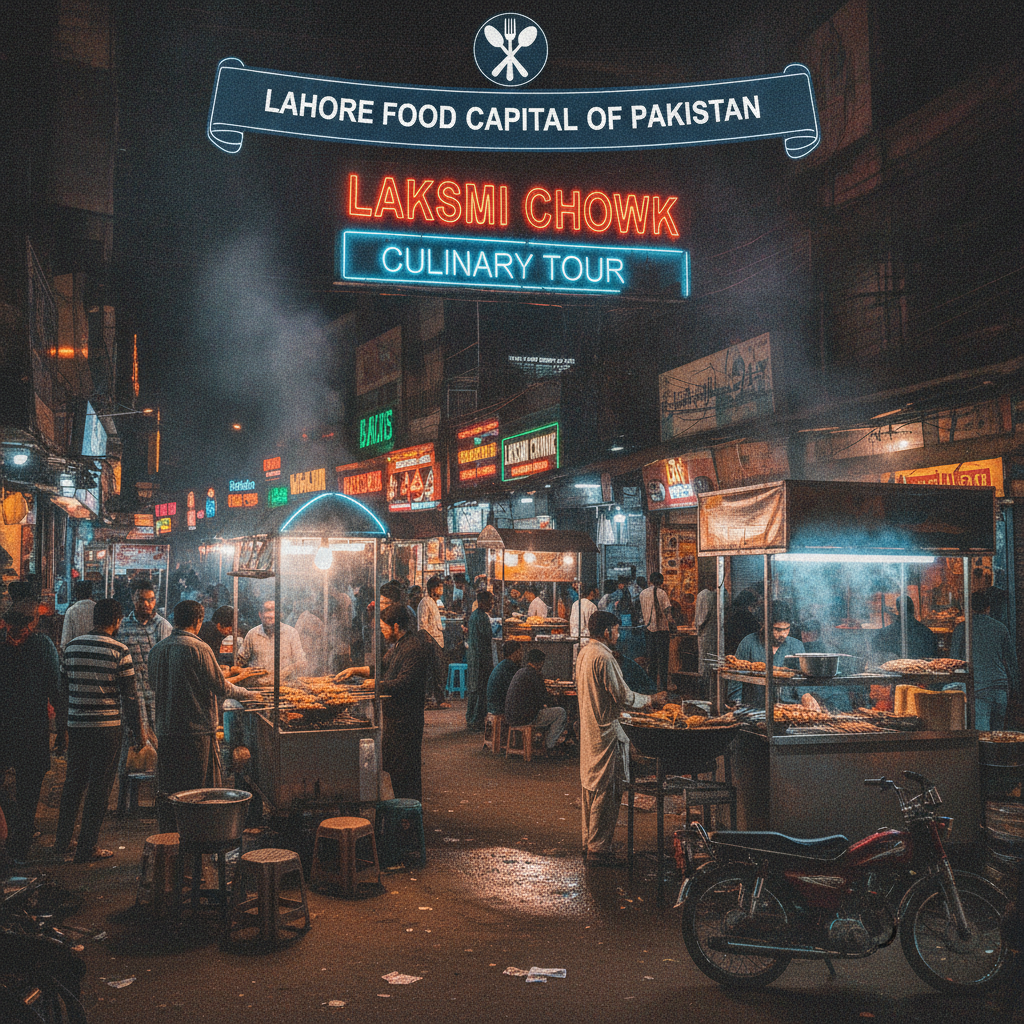
Lahore Food Capital of Pakistan Culinary Tour