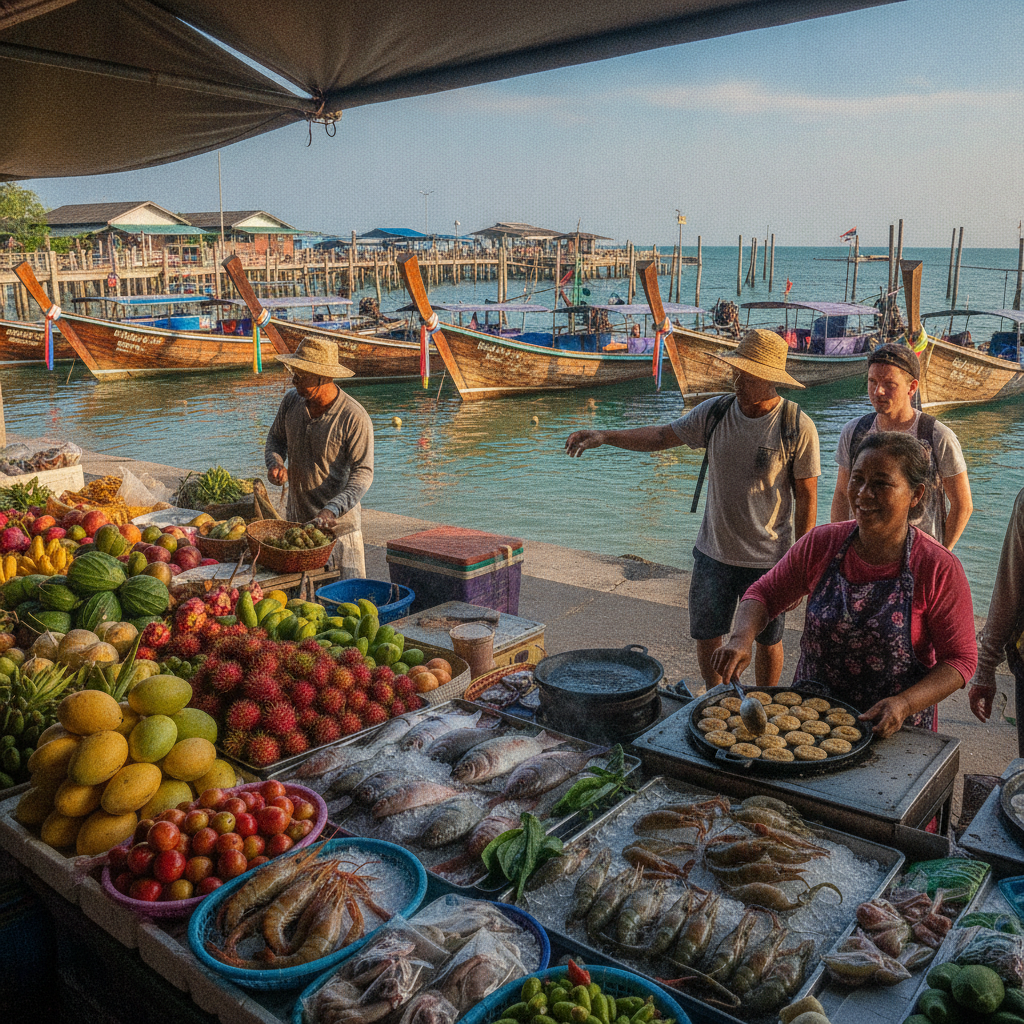
Koh Lanta Food & Local Culture Walk
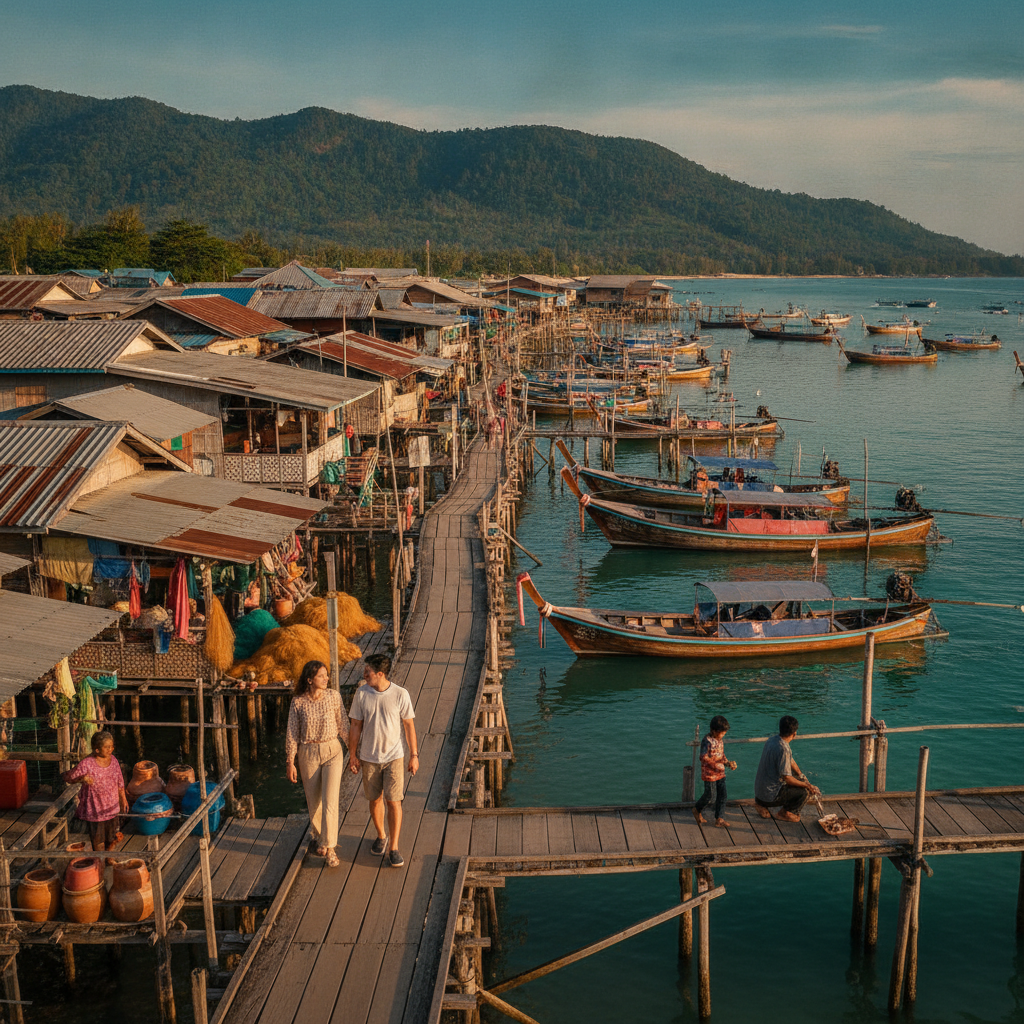
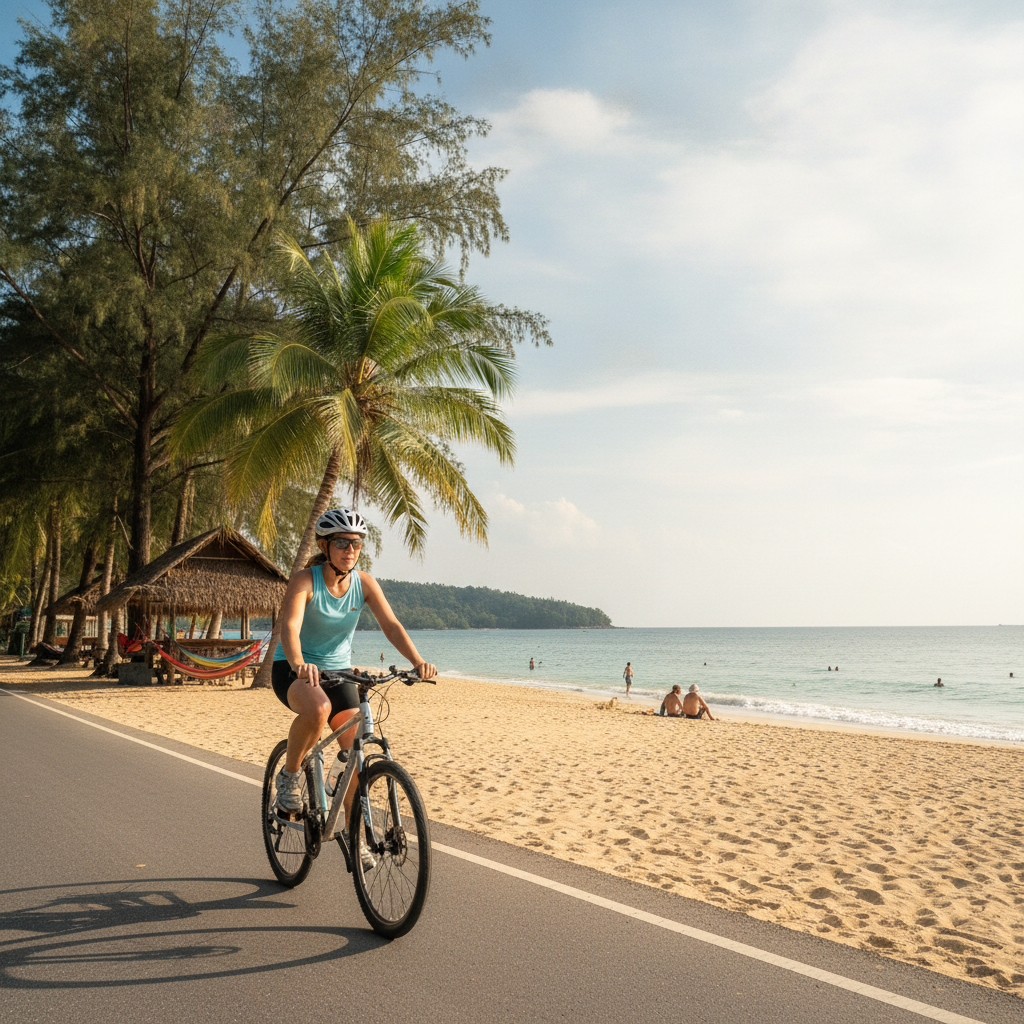
Experience Koh Lanta's food and culture — the island's food scene reflects the Thai-Malay-Chinese cultural mix of the southern Andaman coast, with the fresh seafood from the strait, the southern Thai curries, and the Old Town café culture all within accessible cycling distance from the resort areas.
- 1
Saladan Morning Market
The Saladan morning market in the commercial village at the island's northern tip serves the practical food needs of the island's residential community — the fresh produce from the mainland (vegetables, tropical fruits, and the daily fresh fish), the prepared food vendors selling the khanom jeen noodle breakfast, the fresh-made roti with condensed milk, and the various southern Thai breakfast preparations provide the most authentic encounter with the island's daily food culture before the tourist activity of the beach areas begins at 9am. The market's combination of mainland supply chain and local island produce (the fresh fish from the strait, the eggs from the island's backyard chicken operations, and the local coconut products) documents the supply chain economics of island food culture.
- 2
Fresh Seafood Lanta
The fresh seafood available on Koh Lanta reflects the extraordinary marine productivity of the southern Andaman Sea — the fishing boats that operate in the Krabi-Lanta strait and the open sea south of the island supply the island's restaurants with tiger prawns (Penaeus monodon, the largest and most prized of the Thai prawn species), the various crab species (blue swimmer, mud crab, and stone crab), the whole fish (barramundi, snapper, grouper), and the squid that appear on every seafood restaurant menu. The fresh seafood at the beachside restaurants is typically delivered directly from the boats to the restaurant kitchen the same morning, making the day's freshness genuinely exceptional by any standard.
- 3
Southern Thai Muslim Food
The Muslim food culture of Koh Lanta's Malay community (concentrated in the Old Town and the village communities on the island's eastern coast) provides the most distinctive culinary alternative to the standard Thai food on the island — the roti canai (the flaky Malaysian flatbread different from the Thai roti), the nasi lemak (coconut rice with various accompaniments), the satay with peanut sauce, and the halal seafood curries (using coconut milk rather than lard as the cooking fat) represent the Malay Islamic food tradition that is the clearest expression of the cultural influence from the south. The Muslim food stalls visible on the roads through the village communities on the eastern coast serve the residential community at prices and in quantities that are completely different from the resort restaurant operations.
- 4
Old Town Café Experience
The café operations in Lanta Old Town's heritage shophouses have created the most distinctive coffee culture on Koh Lanta — the old-style kopitiam coffee (the Hainanese roast coffee served with sweetened condensed milk in the traditional ceramic cup) and the fruit smoothies made from the local tropical fruit (the dragonfruit, the rambutan, the mangosteen, and the various Andaman coastal citrus varieties) provide the most atmospheric café experience on the island in a historical setting unmatched by any resort area café. The sea-facing terraces of the Old Town cafés, with their view of the strait and the fishing boat activity, create the most contemplative morning café environment available on Koh Lanta.
- 5
Local Night Market
The evening market that sets up in Saladan Village on certain evenings of the week is the most authentic food market experience accessible from the Koh Lanta resort areas — the Thai food vendors, the grilled seafood operations, and the fruit stalls attract the island's Thai worker community (the dive instructors, the resort staff, the boat operators, and the construction workers) alongside the adventurous resort visitors who make the journey to the village end of the island. The market prices (significantly lower than the resort restaurant prices for similar quality Thai food) and the social atmosphere of the worker community evening gathering provide the clearest window into the Thai domestic social life of the resort island economy.
- 6
Koh Lanta Meditation Retreat
The meditation and yoga retreat centres that have established themselves on Koh Lanta (primarily on the Long Beach and Klong Nin coast) reflect the island's positioning as a quieter alternative to the more intensely social beach resort destinations of Phuket and Samui — the retreat programmes offering vipassana meditation in the Buddhist tradition, the yoga instruction in the Ashtanga, Iyengar, and Vinyasa traditions, and the holistic wellness programmes attract the international wellness traveller who wants a retreat environment within reach of a beach resort context. The Koh Lanta retreat centres are typically smaller and less institutionalised than the mainland retreat centres (the Wat Suan Mokkh in Surat Thani, the various Chiang Mai retreats), creating a more personal and less programme-driven retreat experience.
Walk this route with audio
Stories play automatically as you reach each stop — no tapping needed.