Tikuna: The Amazon's Living Civilisation
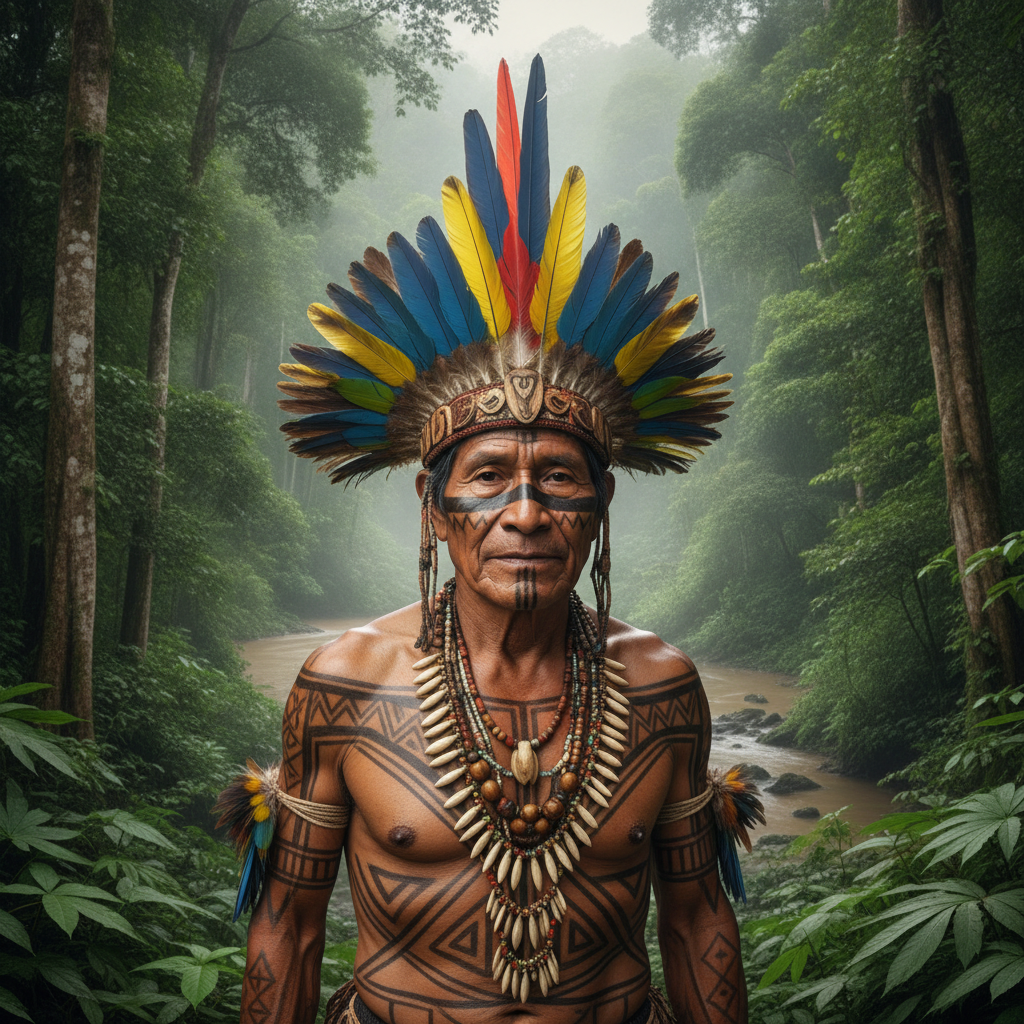
The Tikuna people — the most numerous of the Colombian Amazon's indigenous nations, with over 50,000 members in Colombia, Brazil, and Peru — maintain their language, ceremonial life, and extraordinary visual art tradition; Leticia is a Tikuna cultural centre
- 1
Tikuna Language Survival
The Tikuna language - an isolated language with no known relatives - is one of the few Amazonian languages with growing numbers of speakers; Tikuna has invested in bilingual education and the language is now taught in schools throughout the border area
- 2
Tikuna Bark Cloth Art
Tikuna produces extraordinary paintings on bark cloth — the paintings depict the mythological figures of Tikuna cosmology in vivid mineral pigments; the artworks are collected internationally and the bark cloth painting tradition is one of the Amazon's most distinctive arts
- 3
Yuruparí Ceremony
The Yuruparí—the great Tikuna initiation ceremony for teenage girls—is a week-long ritual involving seclusion, body painting, hair pulling, and chants that encode cosmological knowledge; the ceremony connects Tikuna young women to their ancestral tradition
- 4
Museu Magüta (Leticia)
The Magüta Museum in Leticia – managed by the Tikuna community – is the most important indigenous museum in the Colombian Amazon; the collection of bark cloth paintings, feather works and ritual objects is extraordinary; The Tikuna curators explain the cultural context
- 5
Tikuna Community Tourism
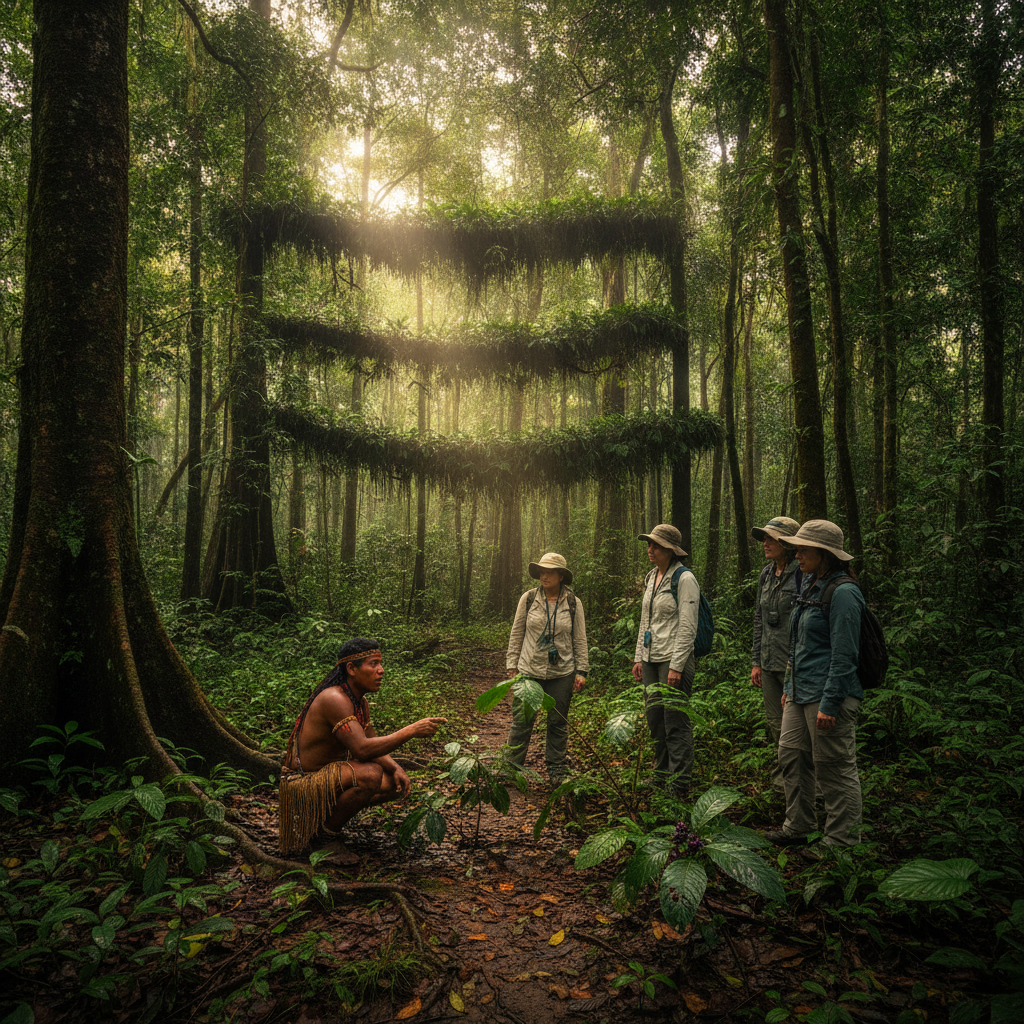
Several Tikuna communities near Leticia offer tourism - village stays, guided fishing, canoe trips and craft workshops; the community-led tourism keeps the economic advantage in the community while sharing the extraordinary environment of Tikuna
- 6
Tikuna Territory Protection
Resguardos (indigenous territories) in Tikuna near Leticia are legally protected - but pressure from illegal fishing, logging and colonization is continuous; The Tikuna's ability to defend their territories is linked to their political and cultural strength
Walk this route with audio
Stories play automatically as you reach each stop — no tapping needed.
More in Leticia
Colombian Amazon Wildlife: Jaguars, Tapirs & River Dolphins
Amacayacu: Colombia's Amazon Heart
Leticia: Eating at the Amazon's Crossroads
Leticia: Protecting the Heart of the Amazon
Amazon Forest Walk: Medicinal Plants & Primary Jungle