Lima Historic Centre: A UNESCO Colonial Capital
Lima — founded by Francisco Pizarro in 1535 as Ciudad de los Reyes — was the capital of the Spanish Viceroyalty of Peru for nearly 300 years; the UNESCO World Heritage historic centre preserves the most complete colonial architecture in South America
- 1
Plaza Mayor — Heart of Colonial Lima
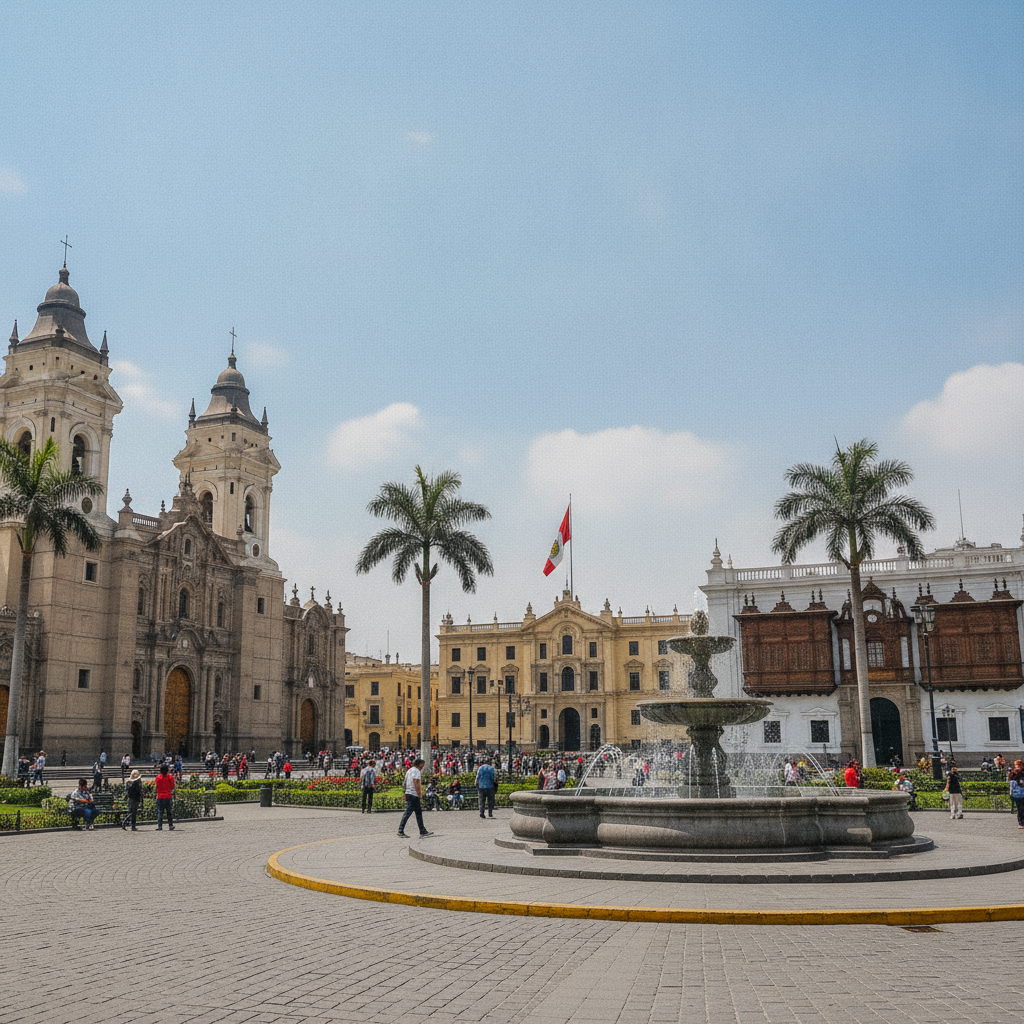
The Plaza Mayor (Plaza de Armas) of Lima — surrounded by the Cathedral, the Government Palace, the Archbishop's Palace, and the Municipality — is the founding plaza of Pizarro's 1535 city; the ornate Moorish-style wooden balconies of the Archbishop's Palace are the most photographed colonial detail in Lima
- 2
Lima Cathedral
The Lima Cathedral — built on the site of an Inca palace — was begun by Pizarro himself in 1535 and rebuilt multiple times after earthquakes; the cathedral contains the reputed tomb of Pizarro (although some historians dispute this); the neoclassical and baroque interior, the choir stalls, and the religious art collection are the main attractions
- 3
Moorish Wooden Balconies
Lima's colonial architecture is distinguished by its Moorish-influenced wooden balconies — enclosed overhanging structures of carved wood covering the facades; hundreds of these balconies survive in the historic center; they were introduced by Andalusian craftsmen and represent a Spanish-Moorish tradition adapted to Lima's climate
- 4
San Francisco Monastery
The Convent of San Francisco — a UNESCO-listed complex of churches, cloisters, and libraries — contains Lima's most visited attraction: the catacombas (catacombs) with the skeletal remains of approximately 70,000 people arranged in geometric patterns; the library's colonial manuscripts and the 17th-century azulejo tilework are also exceptional
- 5
Baroque Churches
Lima's historic center has more than 30 colonial churches — the San Pedro (Jesuit), La Merced, Santo Domingo (where the remains of Peru's patron saints Rosa and Martín de Porres are venerated), and San Agustín all represent the extraordinary flowering of baroque religious architecture in colonial Lima
- 6
Barrio Chino
Lima's Barrio Chino (Chinatown) — adjacent to the historic center — is the oldest Chinatown in South America; Chinese immigrants (culíes) arrived in Lima in the 19th century to work on the railways and sugar plantations; the Barrio Chino's restaurants serve chifa — the unique Peruvian-Chinese cuisine that is now one of Lima's most popular food styles
Walk this route with audio
Stories play automatically as you reach each stop — no tapping needed.
More in Lima
Lima's Coastal Walk: From Barranco to Miraflores
Barranco, Peñas & Lima's Bohemian Colonial District
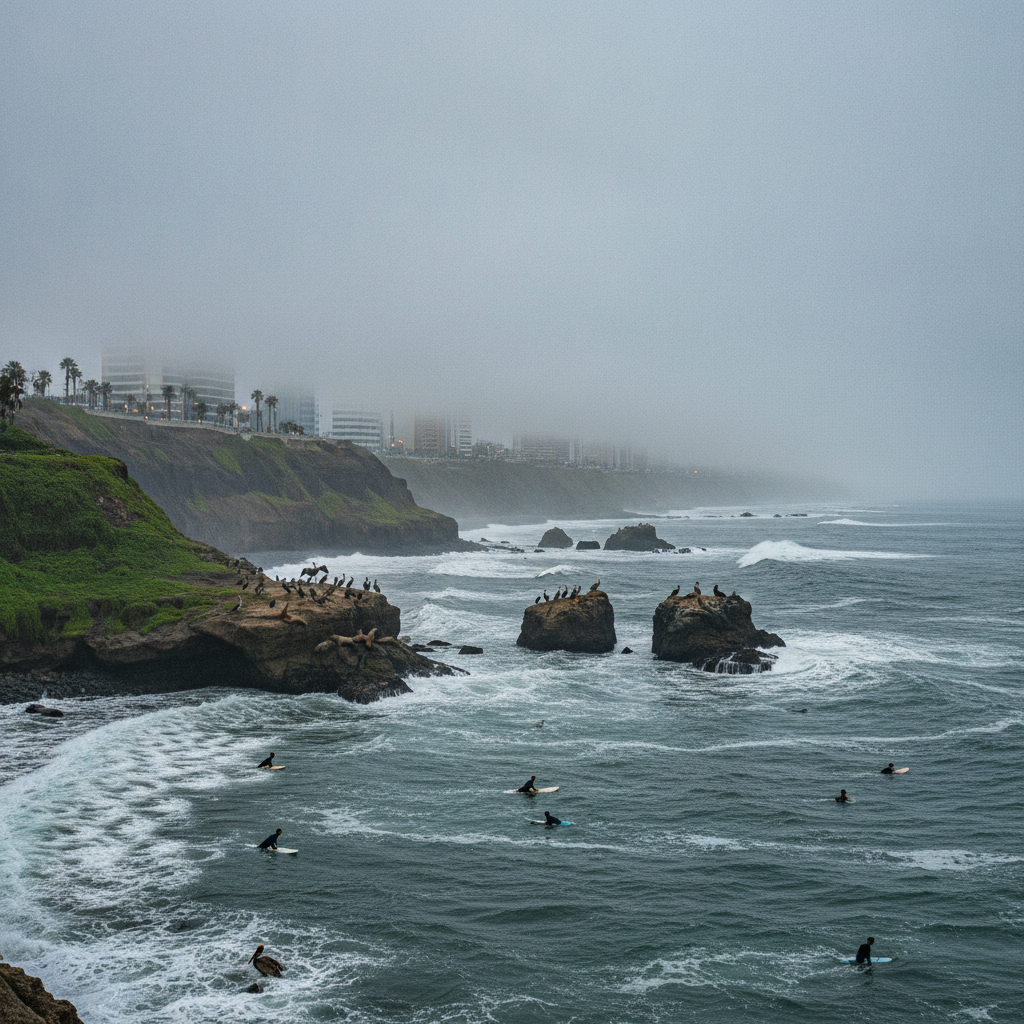
Lima's Pacific Coast: Surfing and Sea Lions
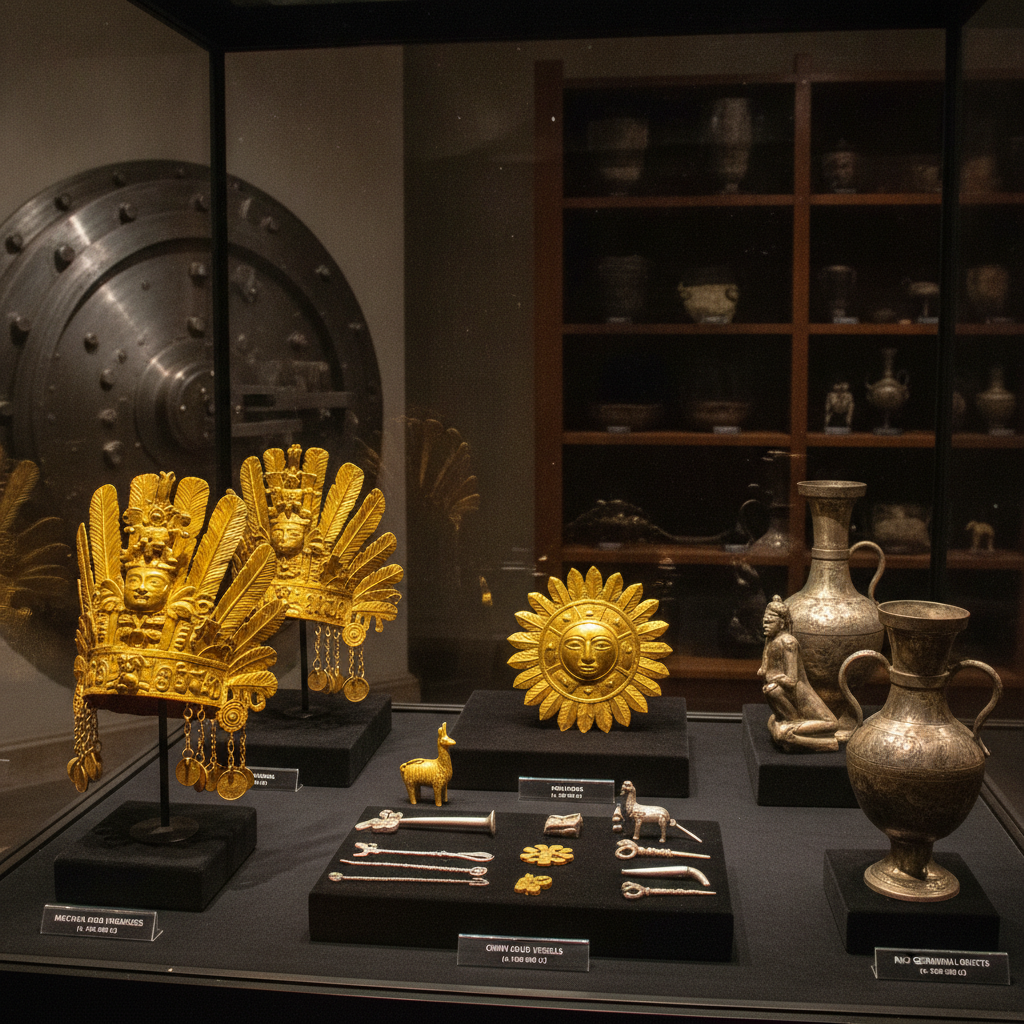
Museo Larco: Peru's Greatest Pre-Columbian Collection
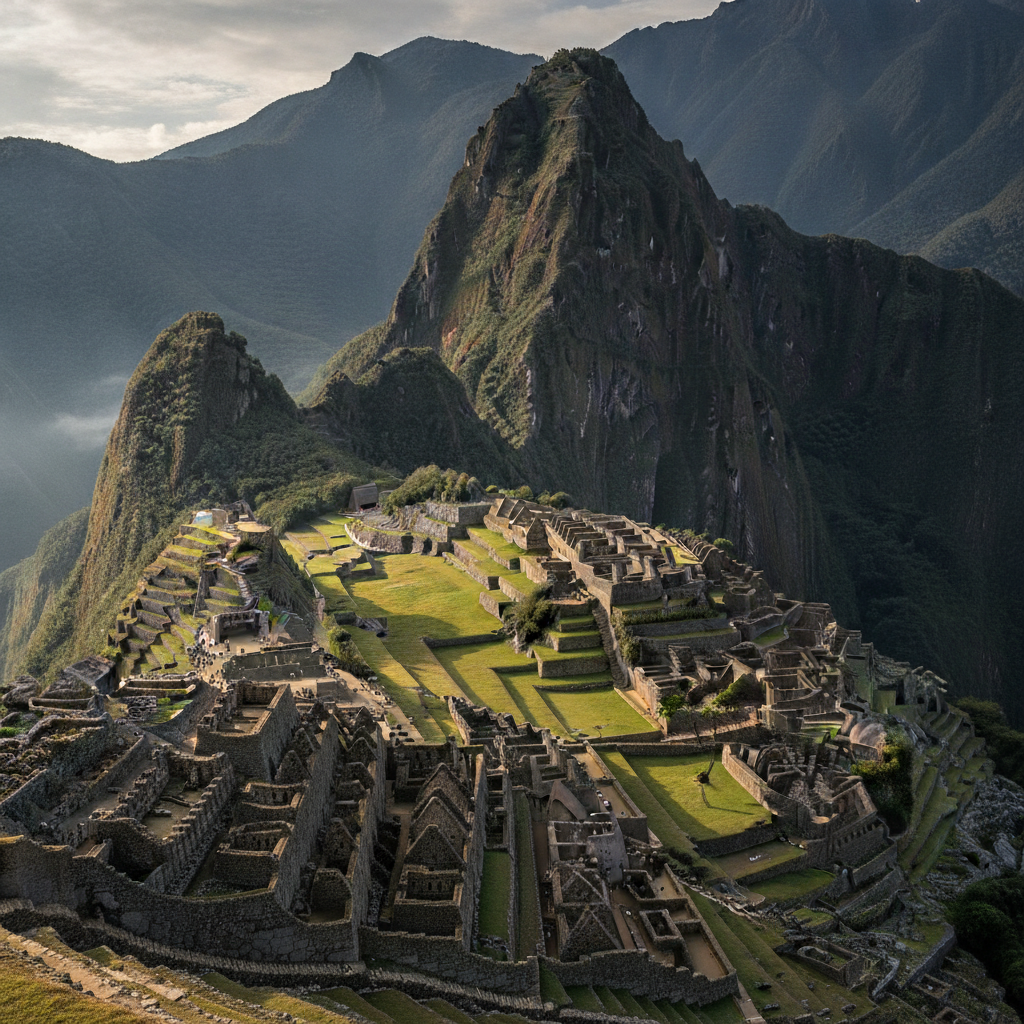
Machu Picchu, Cusco & Peru's Inca Heritage