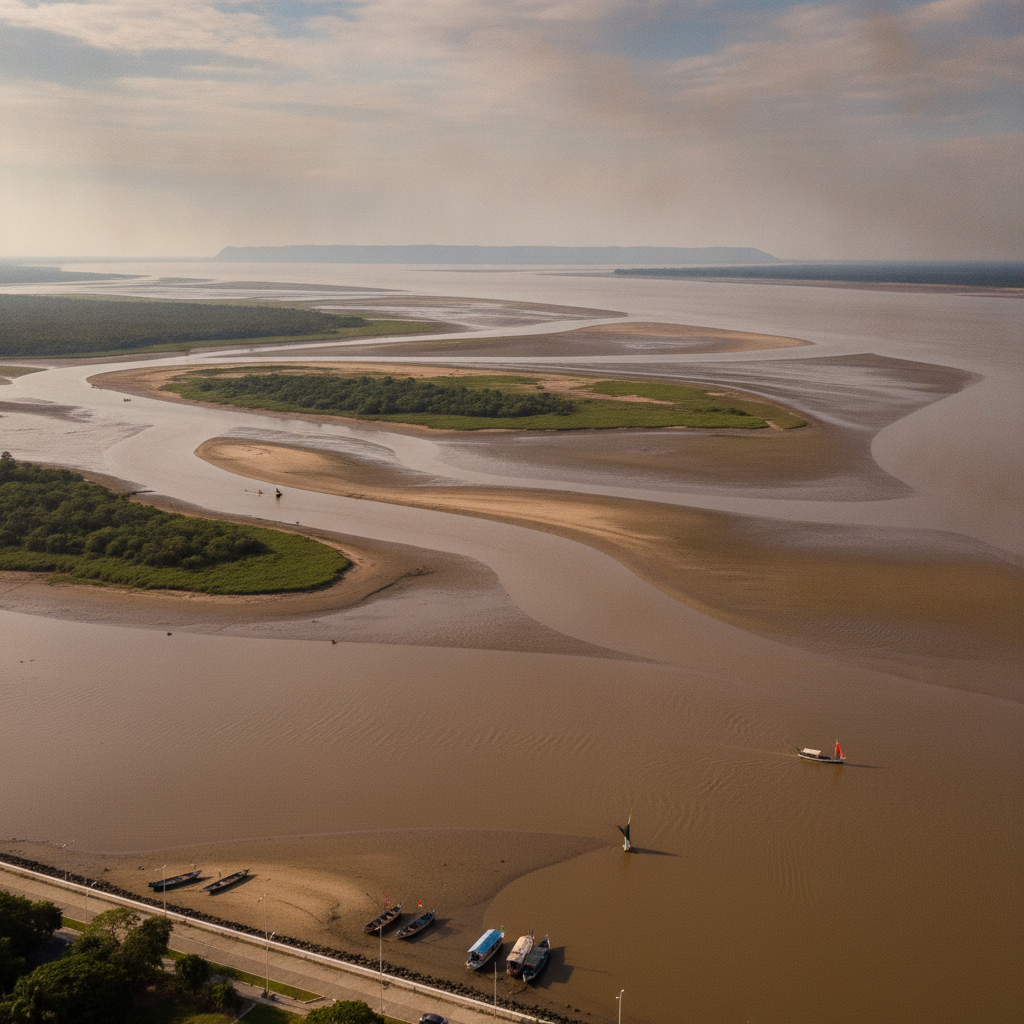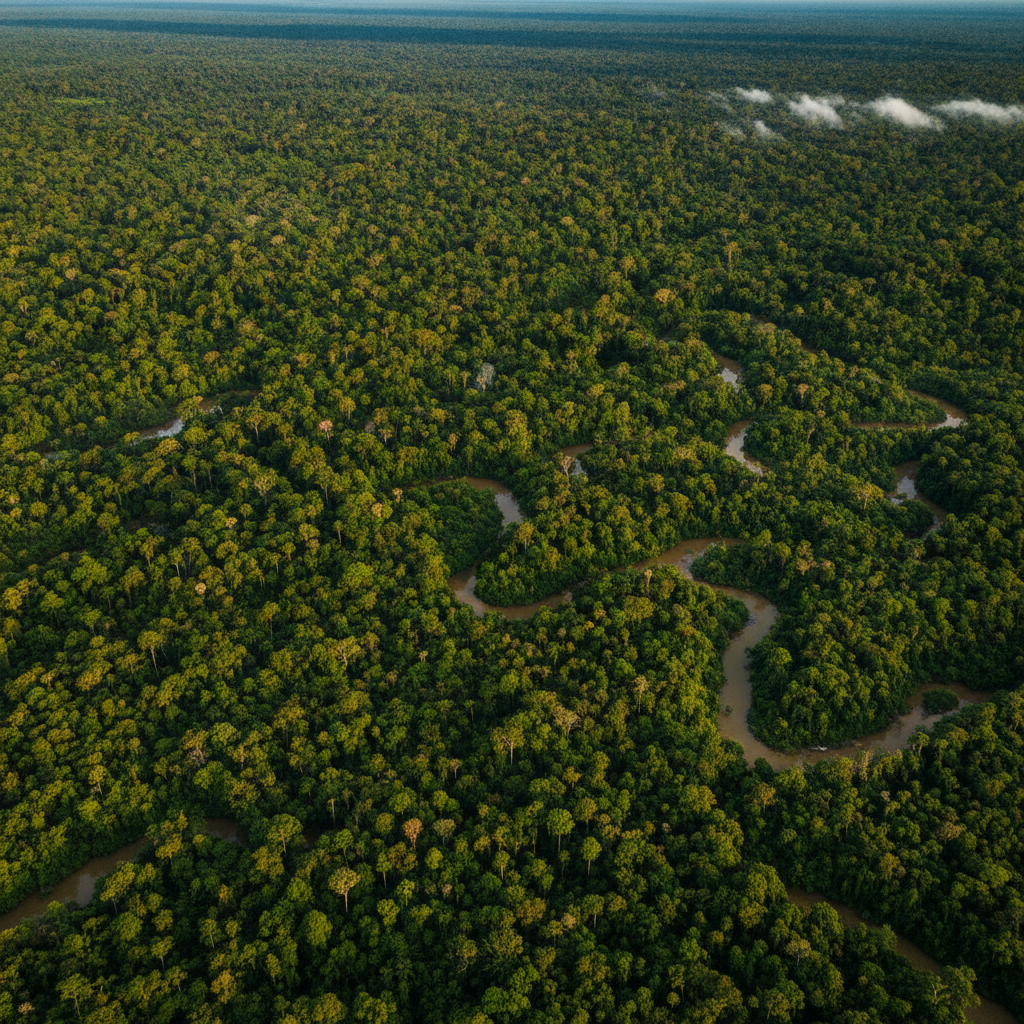
Amapá's Amazon: Brazil's Most Protected State Forest
Amapá has the highest percentage of protected land of any Brazilian state — over 70% in conservation areas; the result is one of the world's best-preserved Amazon ecosystems, accessible from Macapá
- 1
Amapá Conservation Achievement
Amapá's decision to protect 70% of its territory – through a combination of indigenous reserves, national parks and sustainable uses – makes it the global model for Amazonian conservation
- 2
Tumucumaque National Park
Montanhas do Tumucumaque National Park in northern Amapá — 3.8 million hectares — is the world's largest tropical forest national park; virtually inaccessible and almost completely undisturbed
- 3
Amazon Harpy Eagle
The harpy owl — the Amazon's apex aerial predator with a wingspan of 2 meters — lives in the Amapá forests; the sightings are extraordinary but the combination of the integrity of the forest and expert guides make Amapá the best effort in Brazil
- 4
Giant River Otter
The giant river otter — up to 2 meters long and the world's largest otter — is found in the Amapá rivers; family groups working together in the clear inland rivers are one of the Amazon's great wildlife actresses
- 5
Amazon Biodiversity Research
The Amapá forests are relatively well studied compared to other Amazonian frontiers — the combination of protection and access to research has produced important biodiversity discoveries including new species of plants, insects and fish
- 6
Carbon storage value
Amapá's forests store billions of tons of carbon – the state's governance model of protection over extraction is cited by international climate negotiators as an example of how Amazonian states can be compensated for conservation
Walk this route with audio
Stories play automatically as you reach each stop — no tapping needed.
More in Macapá
Ilha de Marajó: The Amazon's Buffalo Island
Wajãpi Indigenous Territory: Living Amazon Culture
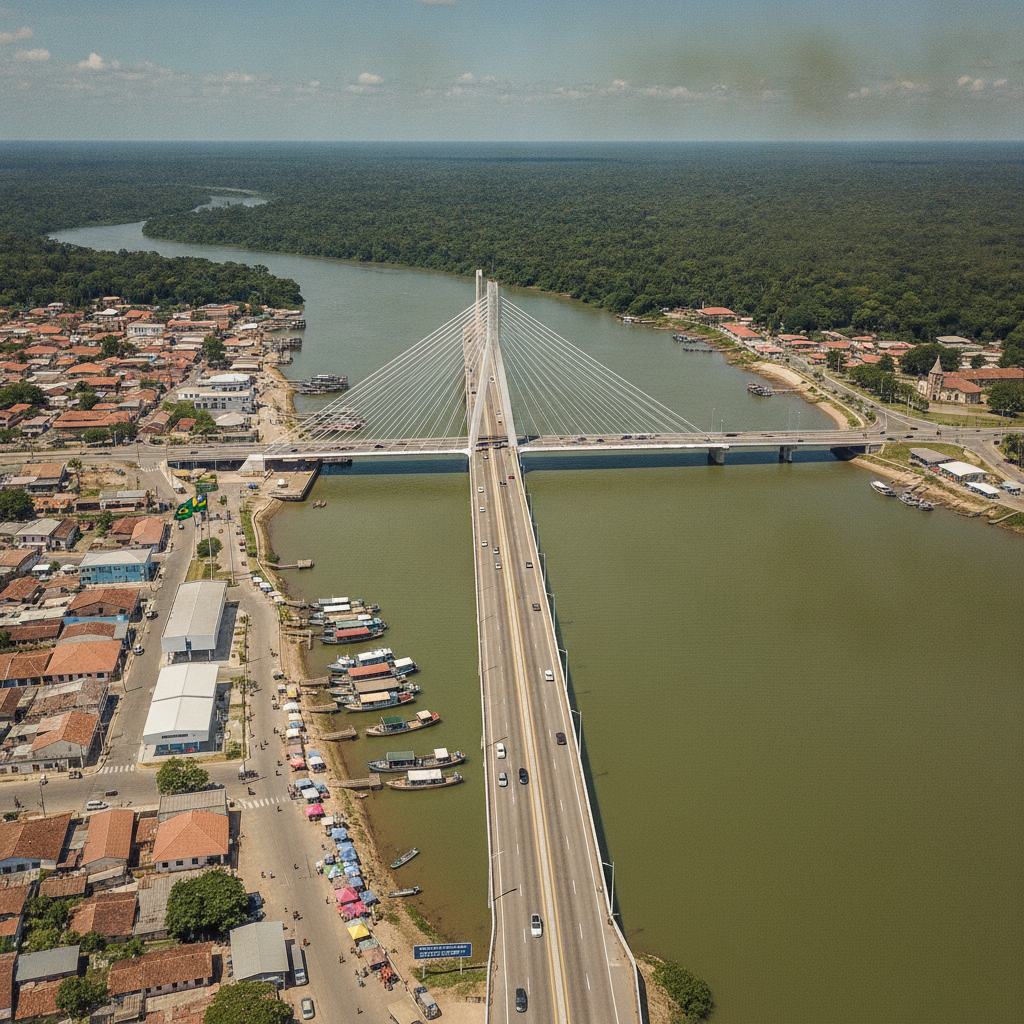
Oiapoque: Brazil's Northernmost Town & the French Guiana Border

Fortaleza de São José: Amazon Fort on the Equator
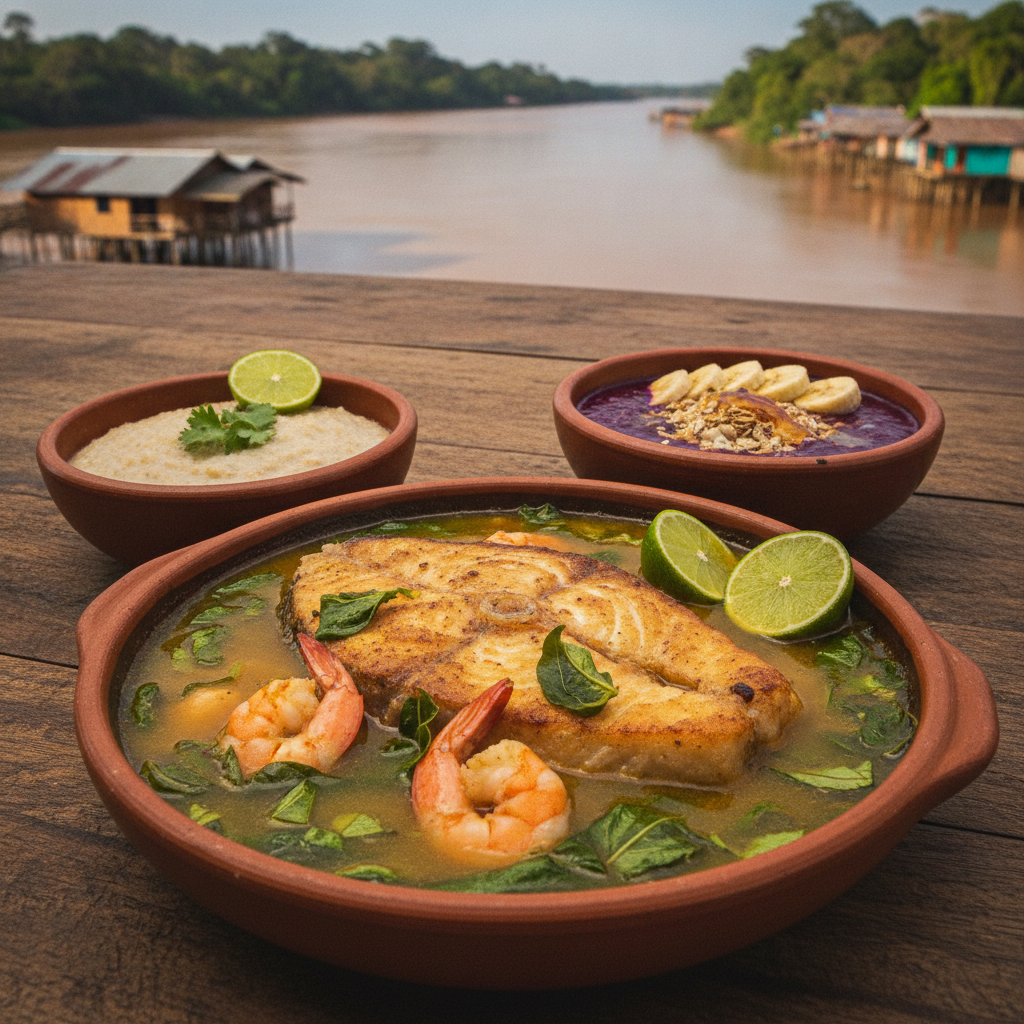
Amazon Cuisine at Macapá: Pirarucu, Tucupi & Amazonian Flavours