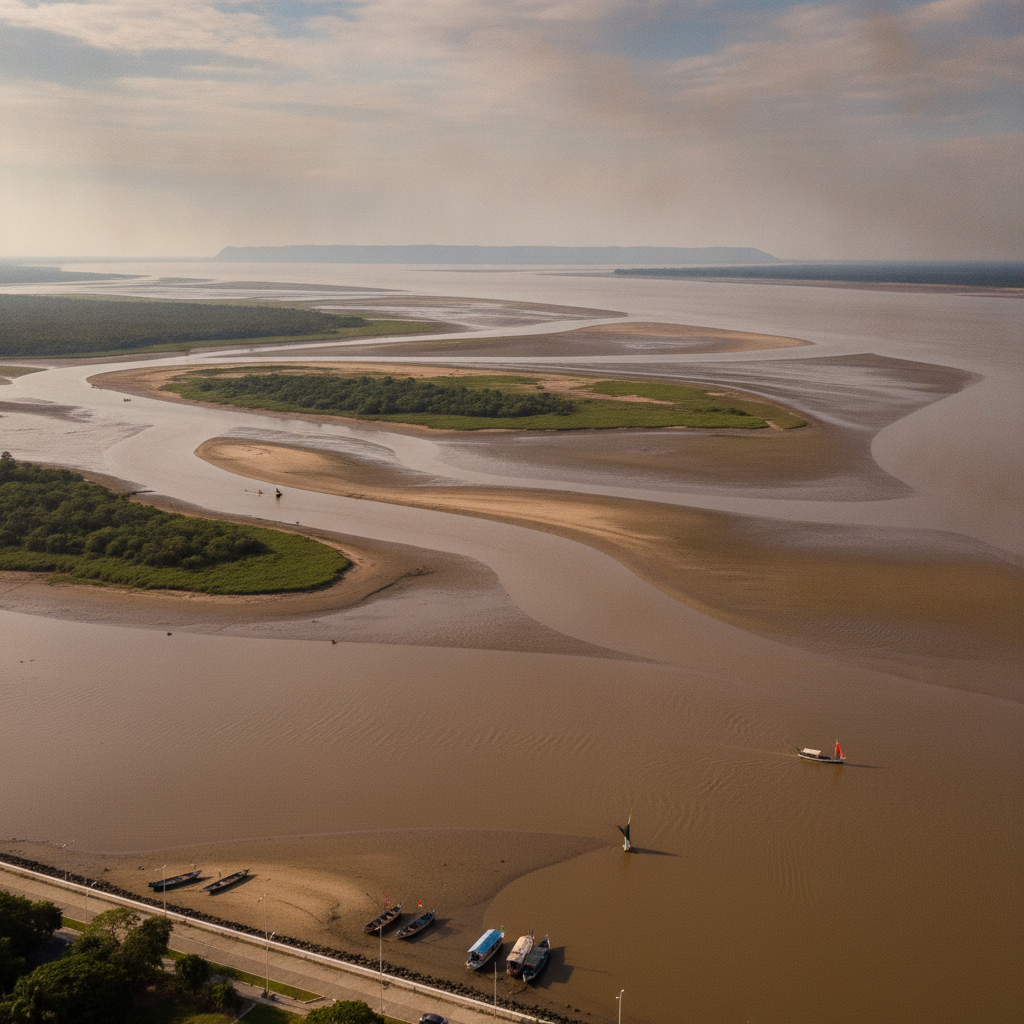
Pororoca: Surfing the Amazon Tidal Bore
The pororoca — the Amazon tidal bore near Macapá — creates waves up to 4 metres that travel for kilometres up the river tributaries; surfers ride it for up to 40 minutes, the longest wave on earth
- 1
Pororoca phenomenon
Pororoca occurs in the São Marcos and São José Gulfs near Macapá when the Atlantic Stream pushes against the Amazon outflow — the resulting bore wave travels at 25 km/h and carries with it trees, animals and river bank material
- 2
Surf the world's longest wave
Pororoca can be surfed for up to 40 minutes — the world's longest rideable wave; the annual championship in São Domingos do Capim attracts Brazilian and international surfers to ride in bore
- 3
Sound and Destruction
Pororoca is heard before it is seen - a roaring sound like thunder that intensifies before the wave arrives; the drilling destroys riverbanks, uproots trees and reconfigures the river's edge with every monthly opportunity
- 4
Indigenous Pororoca Mythology
The indigenous people of the Amazon estuary have mythologized the pororoca - the borer is associated with the great anaconda spirit of the Amazon whose movement causes the wave; mythology precedes scientific explanation
- 5
Best Viewing Locations
The São Domingos do Capim, Araguari and Mearim rivers in the Macapá region produce the most dramatic pororocas — the championship sites where the hole is channeled by river tapers and reinforced
- 6
Spring Tide Timing
Pororoca is most dramatic at the new and full moon spring tides between February and March — the astronomically highest tides coincide with the Amazon's low tide season, maximizing the hole's power
Walk this route with audio
Stories play automatically as you reach each stop — no tapping needed.
More in Macapá
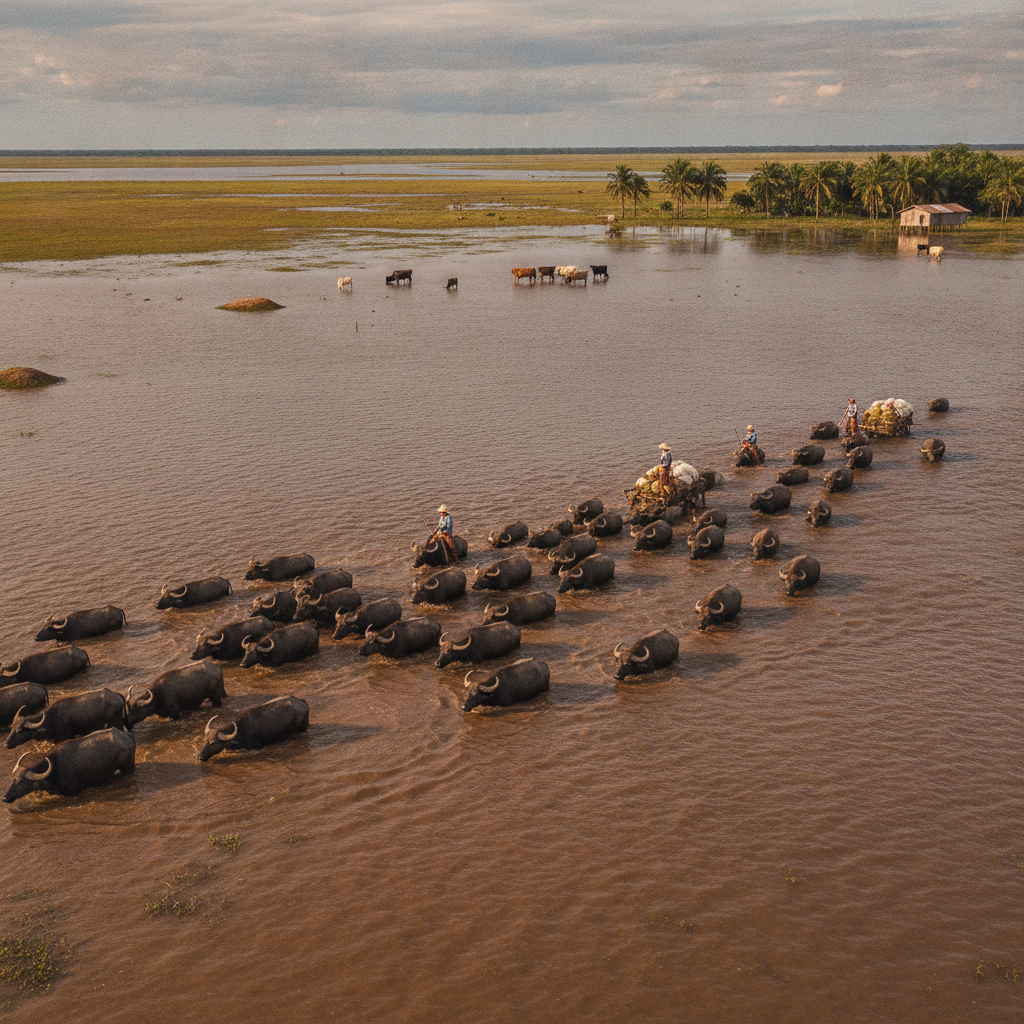
Ilha de Marajó: The Amazon's Buffalo Island

Wajãpi Indigenous Territory: Living Amazon Culture
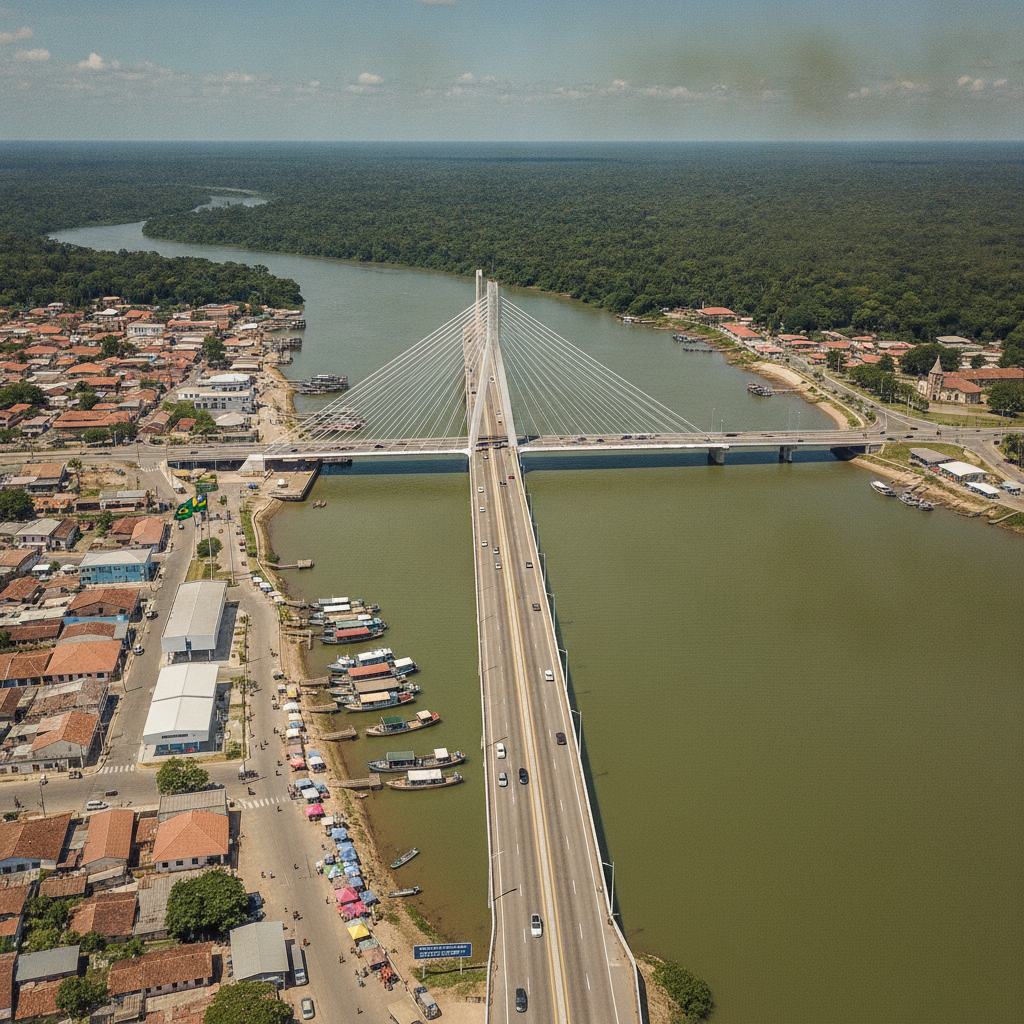
Oiapoque: Brazil's Northernmost Town & the French Guiana Border

Fortaleza de São José: Amazon Fort on the Equator
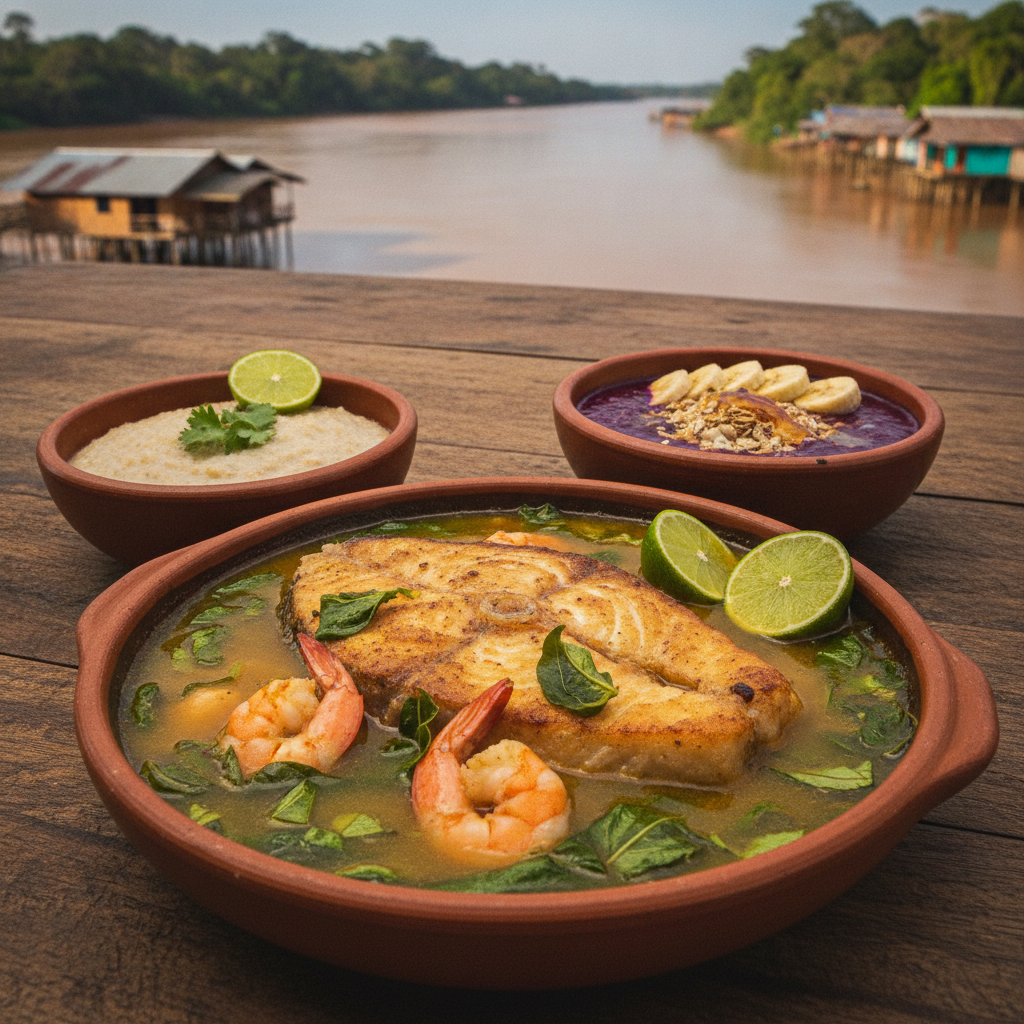
Amazon Cuisine at Macapá: Pirarucu, Tucupi & Amazonian Flavours