Alagoas Folk Culture: Guerreiro, Pastoril & Living Traditions
Maceió is the capital of Alagoas's rich folk culture — the guerreiro dramatic folk dance, the pastoril popular theatre, and the maracatu drumming tradition are living performance arts maintained in the city's neighbourhoods
- 1
Guerreiro Folk Theater
Guerreiro is Alagoa's most distinctive folk performance - a dramatic story combining songs, dances and theater performed by a company of a hundred or more during Christmas and Twelfth Day
- 2
Pastoril Popular Theater
The Pastorile – a Christmas folk theater performed by young women representing two rival groups (the Blue and the Red) – is a living tradition in Maceió's neighborhoods, performed in courtyards and public spaces
- 3
Maracatu drumming
Maracatu – an Afro-Brazilian religious procession with a percussion ensemble, the figure of the queen and the Calunga doll – is performed at carnival and at cultural events by communities descended from enslaved Africans
- 4
Casa do Artesão Alagoas
The State Crafts House in Maceió sells the distinctive crafts of Alagoas — the rendered lace (renascença), woven straw hats and ceramic naif figures representing the state's craft traditions
- 5
Festa de São João in Maceió
The June festivals in Maceió's neighborhoods – with forró, quadrilha dancing, corn and potato food and the traditional celebrations of São João, Santo Antônio and São Pedro – are the most popular annual celebrations
- 6
Candomblé Alagoas Tradition
The religious tradition of Candomblé – the Afro-Brazilian religion that preserves Yoruba and Bantu practices – has strong roots in Alagoas; terreiros (houses of worship) maintain ceremonial traditions linked to quilombo heritage
Walk this route with audio
Stories play automatically as you reach each stop — no tapping needed.
More in Maceió
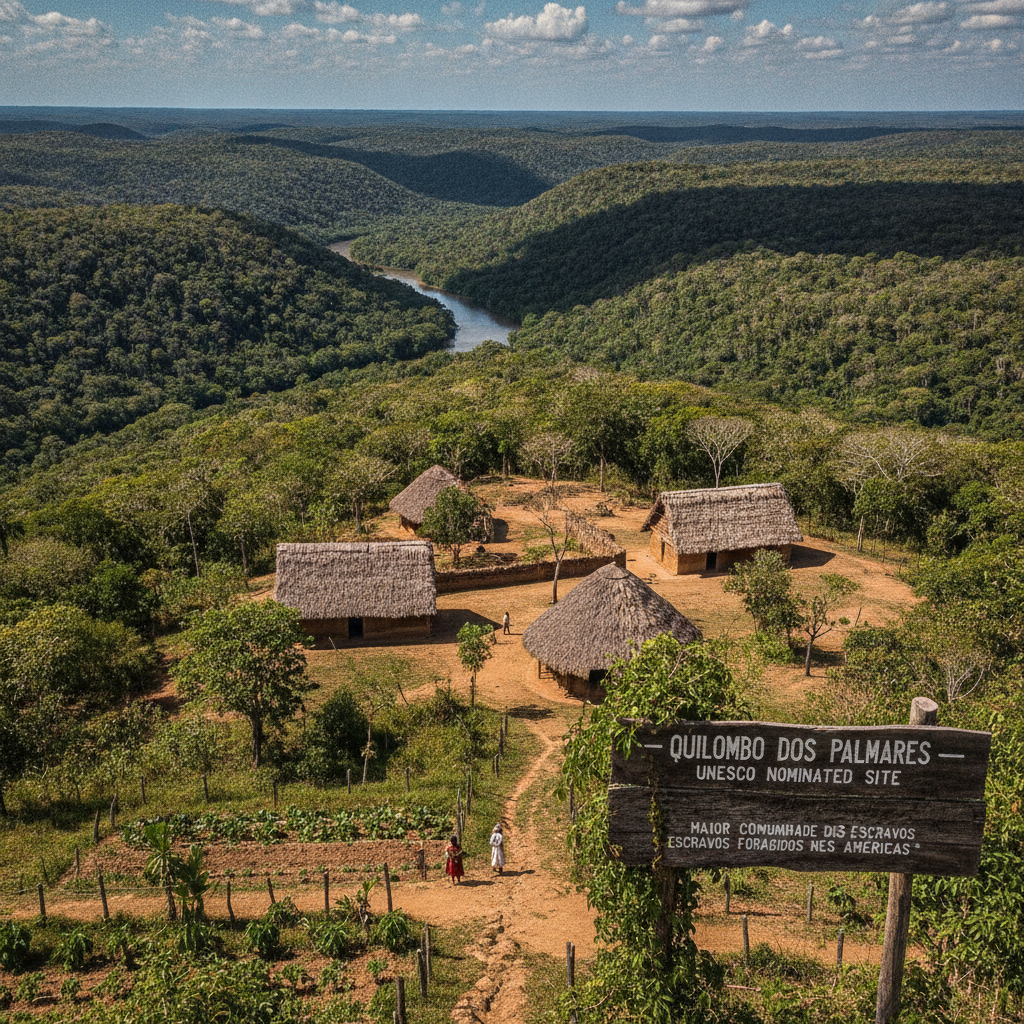
Quilombo dos Palmares: The Greatest Slave Resistance in History
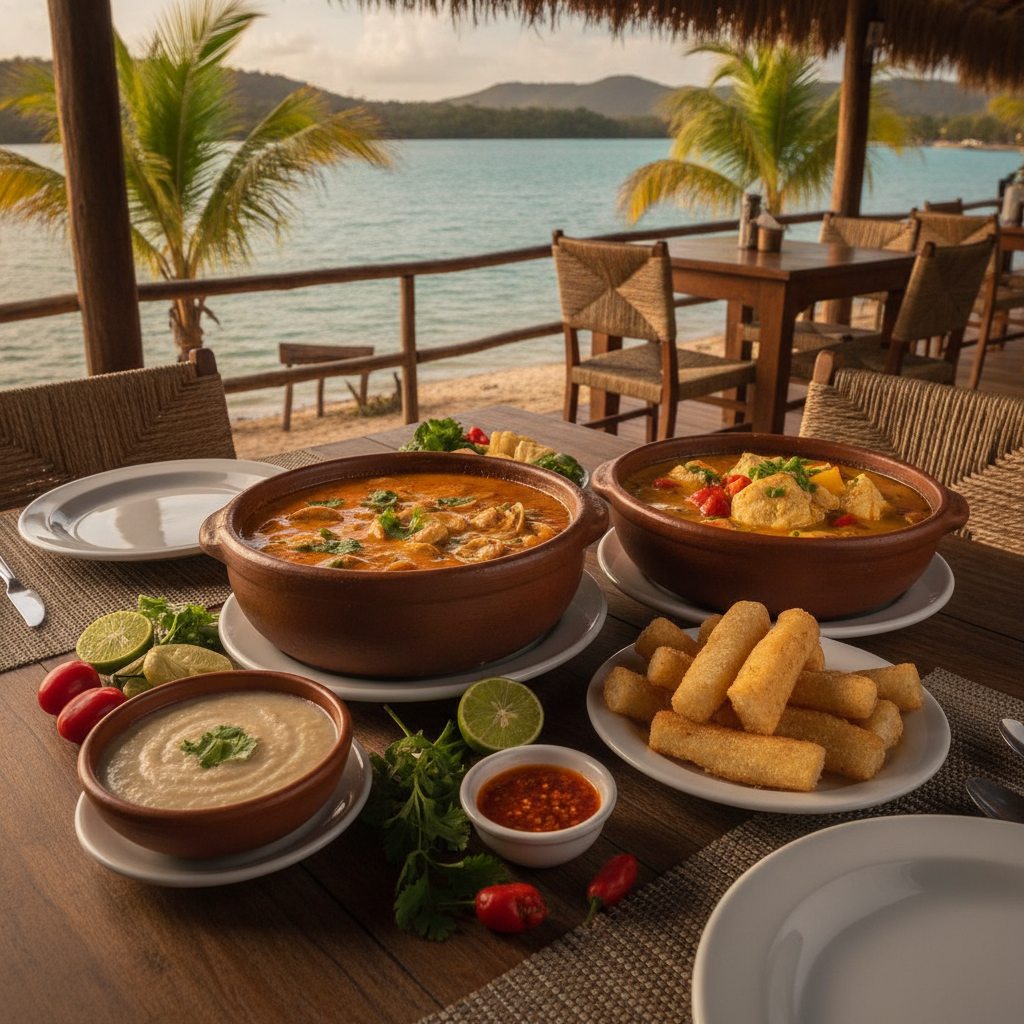
Maceió Food: Sururu, Moqueca & Alagoas Coastal Cuisine
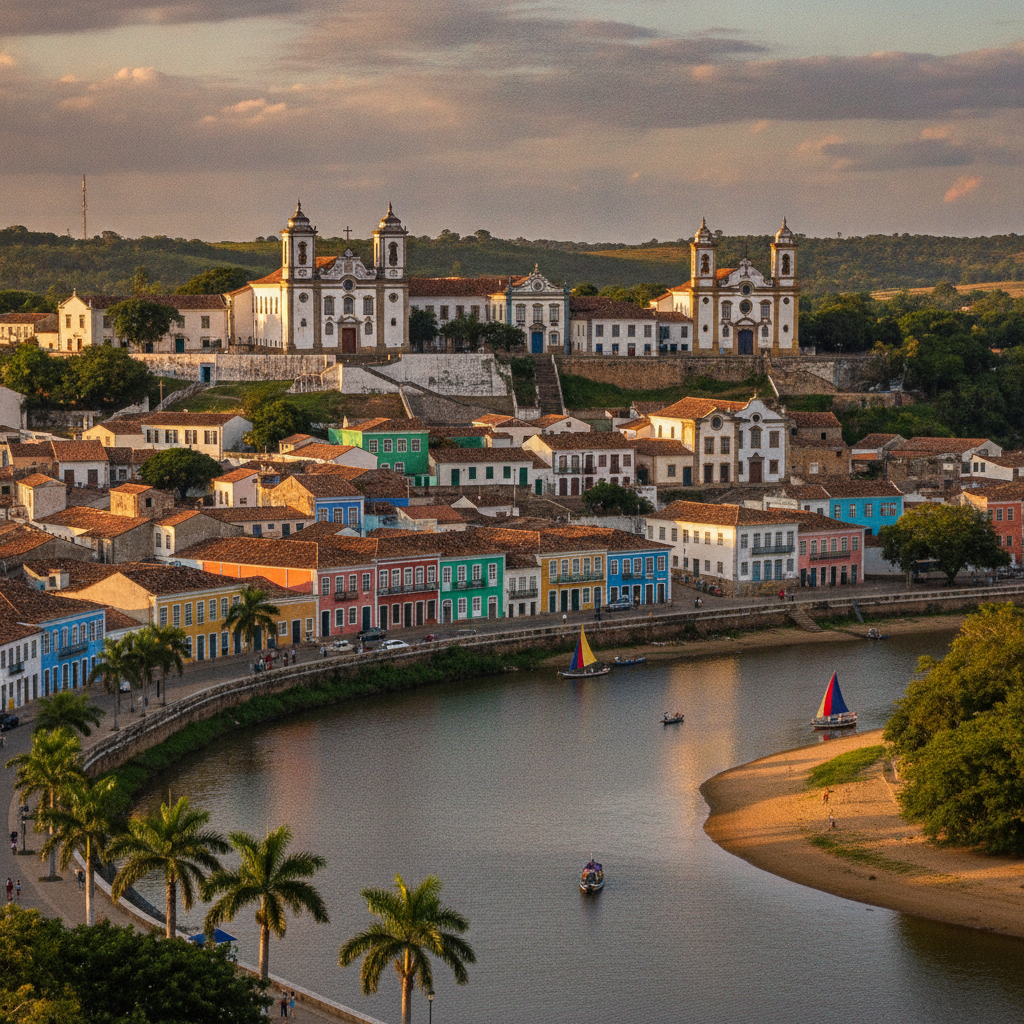
Penedo: Alagoas's Colonial Baroque Gem on the São Francisco
Alagoas Sugar History: Engenhos, Slavery & Colonial Economy
Maceió Natural Pools: Brazil's Most Beautiful Coral Reef Swimming