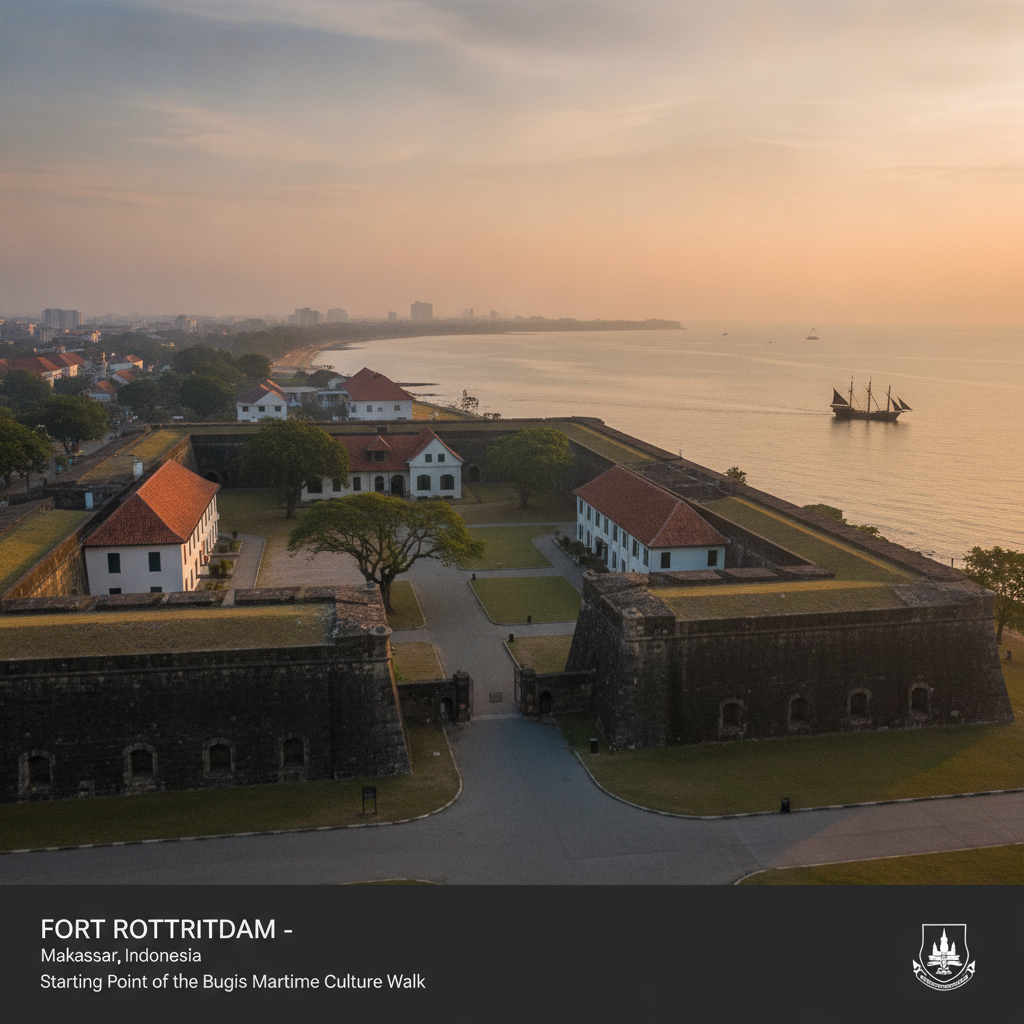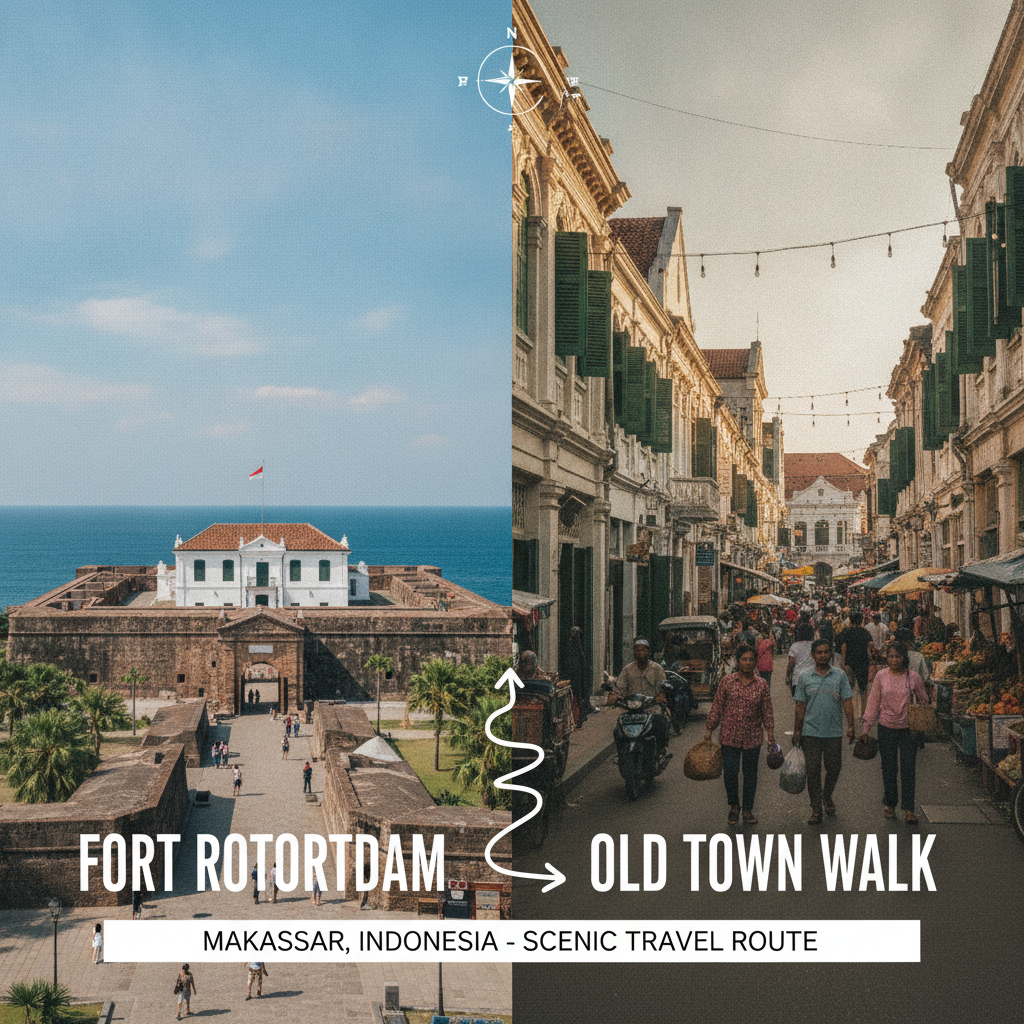
Makassar Fort Rotterdam & Old Town Walk
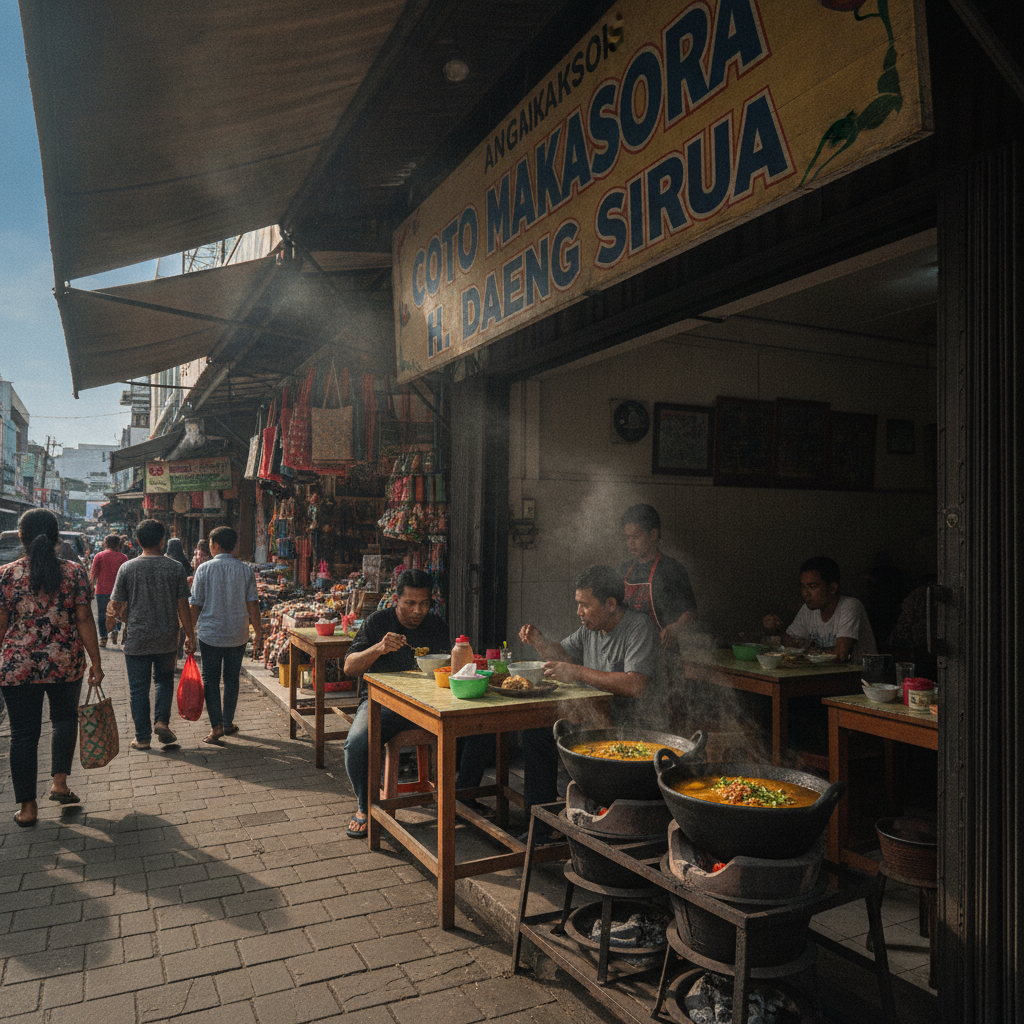
Walk Makassar's colonial heart — the Dutch Fort Rotterdam on the waterfront is one of the best-preserved colonial fortifications in eastern Indonesia, surrounded by the old commercial district where Bugis, Makassarese, Chinese, Arab, and Dutch traders competed for control of the spice trade routes that made this city one of the wealthiest ports in 17th-century Asia.
- 1
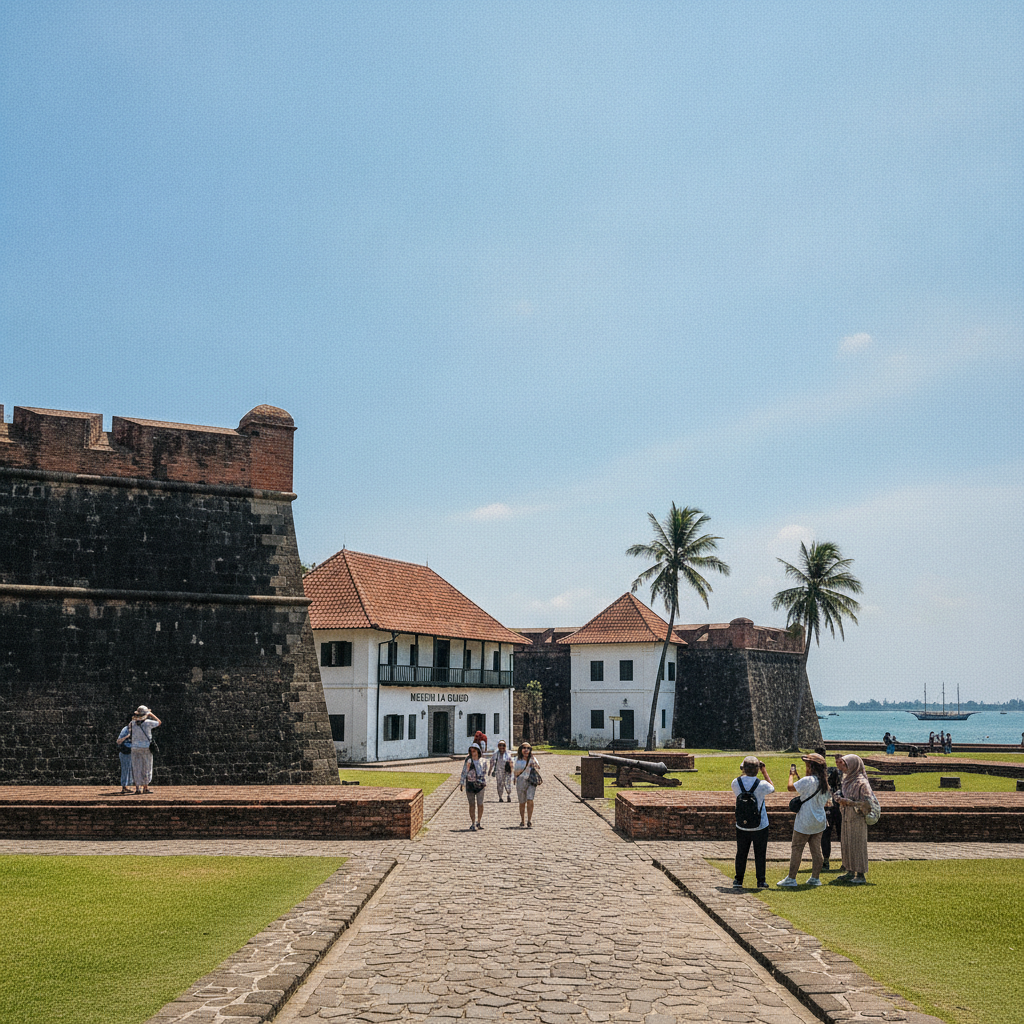
Fort Rotterdam
Fort Rotterdam (Benteng Ujung Pandang) was built by the Dutch East India Company in 1667 after defeating the Makassar Sultanate — the fort's distinctive Dutch architecture adapted to the tropical climate, with its thick walls, bastions, and internal courtyard, now houses a museum of South Sulawesi history and culture, and the intact fortification represents one of the most complete examples of Dutch colonial military architecture in eastern Indonesia.
- 2
La Galigo Museum
The La Galigo Museum inside Fort Rotterdam documents the cultures of South Sulawesi through an extensive collection of traditional weapons, musical instruments, textiles, and ceramics — the museum named for the Bugis epic poem La Galigo (considered the world's longest epic text at 6000 pages) provides cultural context for the city's role as the capital of Bugis civilisation and the commercial hub that connected the spice islands with the rest of the world.
- 3
Makassar Old Harbour
The old harbour area adjacent to Fort Rotterdam was the centre of the most important spice trade port in eastern Indonesia — the location where VOC ships, Bugis trading phinisi, Malay proas, Chinese junks, and Arab dhows once competed for anchorage has been developed as a waterfront promenade, but the phinisi boats that still anchor here maintain a connection to the maritime trade tradition that built Makassar's historical significance.
- 4
Chinatown Makassar
Makassar's Chinatown reflects the city's history as a multicultural trading port — the Chinese merchants who settled here from the 17th century onwards created a commercial district of shop-houses, temples, and clan associations that has evolved continuously while maintaining the distinctive Peranakan Chinese culture of long-settled overseas Chinese communities. The Xian Ma temple and the architecture of the shop-house streets document this continuous Chinese presence.
- 5
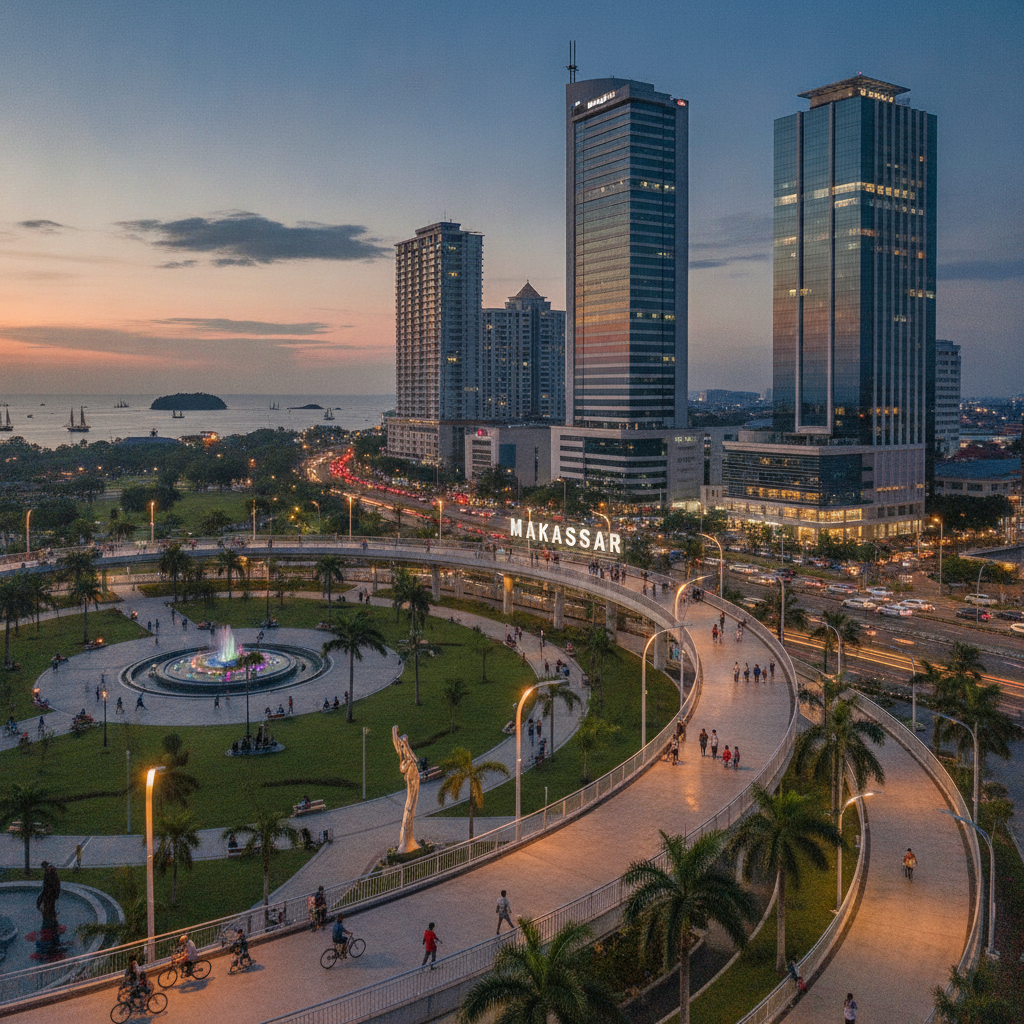
Losari Beach Promenade
Losari Beach is Makassar's most famous public space — the waterfront promenade extending along the Makassar Strait where the city's population gathers at sunset to eat grilled seafood from the floating restaurants, watch the sun drop behind the distant islands, and experience the collective social ritual that defines Makassar's public life. The promenade has been redeveloped multiple times but retains its function as the city's most democratic outdoor gathering place.
- 6
Makassar Waterfront Sunset
The Makassar Strait sunset viewed from the city's waterfront is one of the most dramatic urban sunsets in Sulawesi — the wide strait with its silhouetted islands, the phinisi boats at anchor, and the city skyline behind combine to create a sunset spectacle that Makassar residents consider their city's greatest natural asset, gathering each evening to watch the performance that has occurred daily since the city was founded.
Walk this route with audio
Stories play automatically as you reach each stop — no tapping needed.