Equatorial Guinea's Oil Boom & Malabo's Transformation
Oil was discovered in 1995 and transformed Equatorial Guinea overnight — Malabo's construction boom, the new capital project, and the collision between sudden wealth and persistent poverty define modern life
- 1
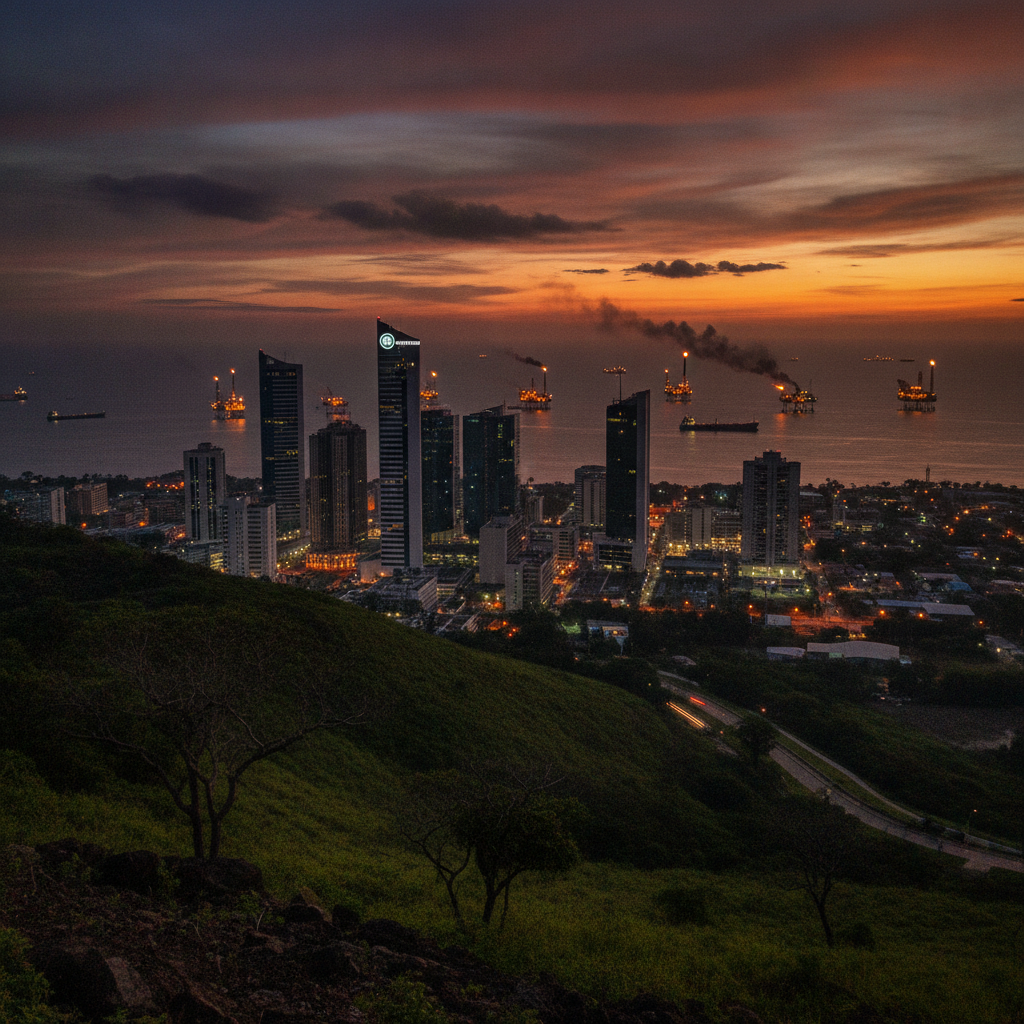
Oil platform port activity
Malabo's port is filled with supply boats serving offshore oil platforms — the rhythm of the oil industry visible in ships, workers and equipment constantly moving through the port
- 2
Ciudad de la Paz New Capital
The government has been building a brand new capital inland since 2011 — Oyala (renamed Ciudad de la Paz) is a surreal planned city in the rainforest, partially completed and largely empty
- 3
Riches and poverty contrast
Equatorial Guinea has the highest GDP per capita in sub-Saharan Africa — yet most citizens remain poor; walking Malabo reveals the deep inequality of an oil state
- 4
Spanish language and culture
The only Spanish-speaking country in Africa retains its Iberian cultural identity — Spanish television, Spanish cooking and Spanish bureaucratic culture in an otherwise francophone region
- 5
Fang and Bubi cultural traditions
The Fang on the mainland and the Bubi on Bioko Island maintain distinct cultural identities despite oil wealth and urbanization - traditional ceremonies, masks and music are still practiced
- 6
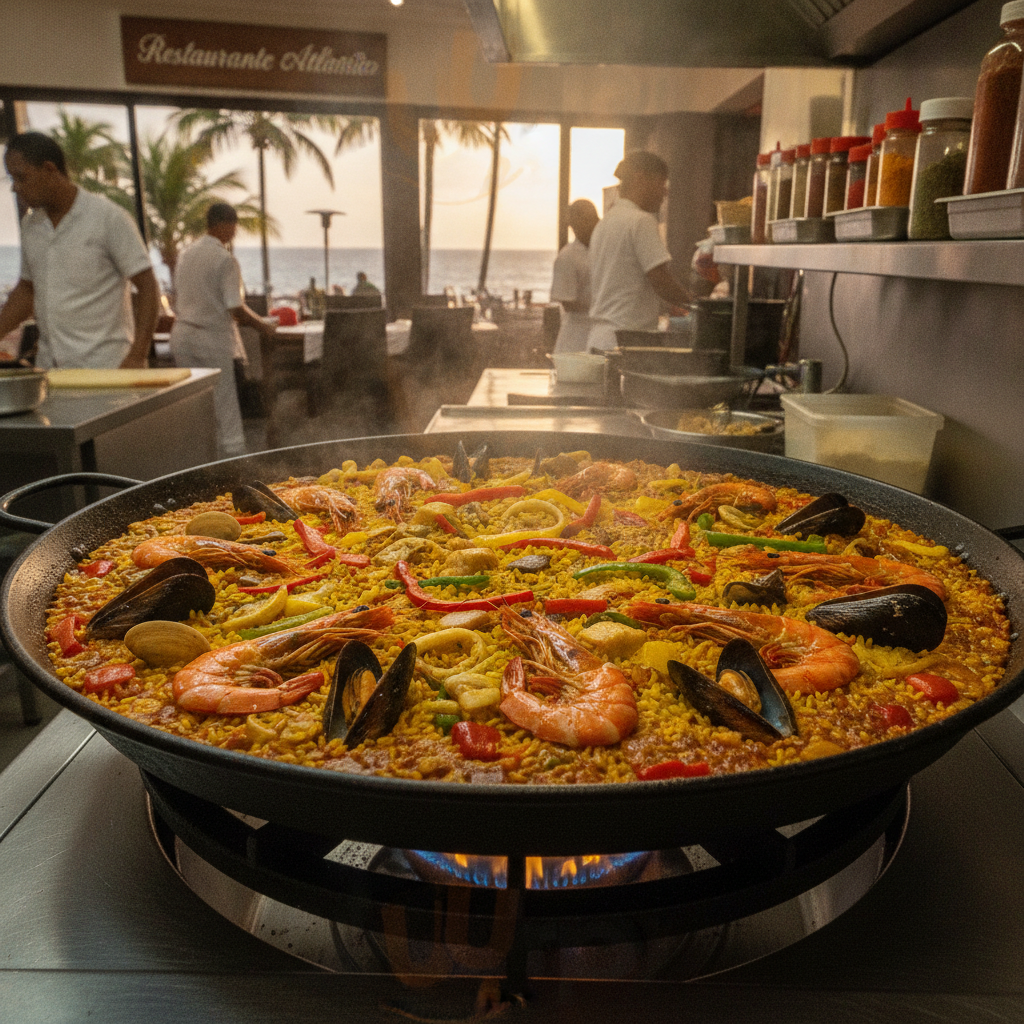
Equatorial Guinea food scene
Food in Malabo is uniquely Latin American — Spanish tortilla, seafood paella and bocadillos along with Fang ndolé stew and Bubi fresh seafood from the island's fishing villages
Walk this route with audio
Stories play automatically as you reach each stop — no tapping needed.
More in Malabo
Malabo's Unique Cuisine: Spanish-African Fusion in the Gulf of Guinea
Bioko Island Beaches: Volcanic Coasts & Gulf of Guinea
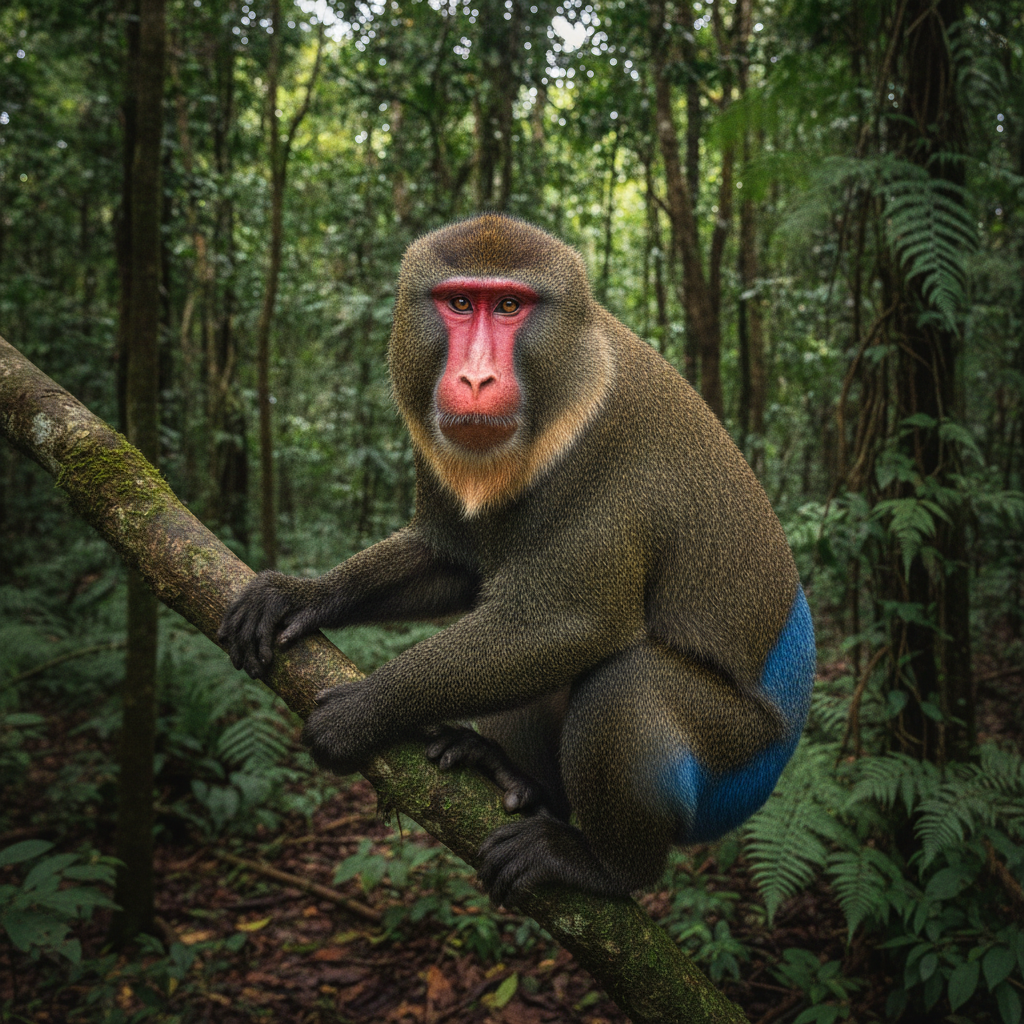
Bioko Island Primates: Drills, Bushbabies & Critical Conservation
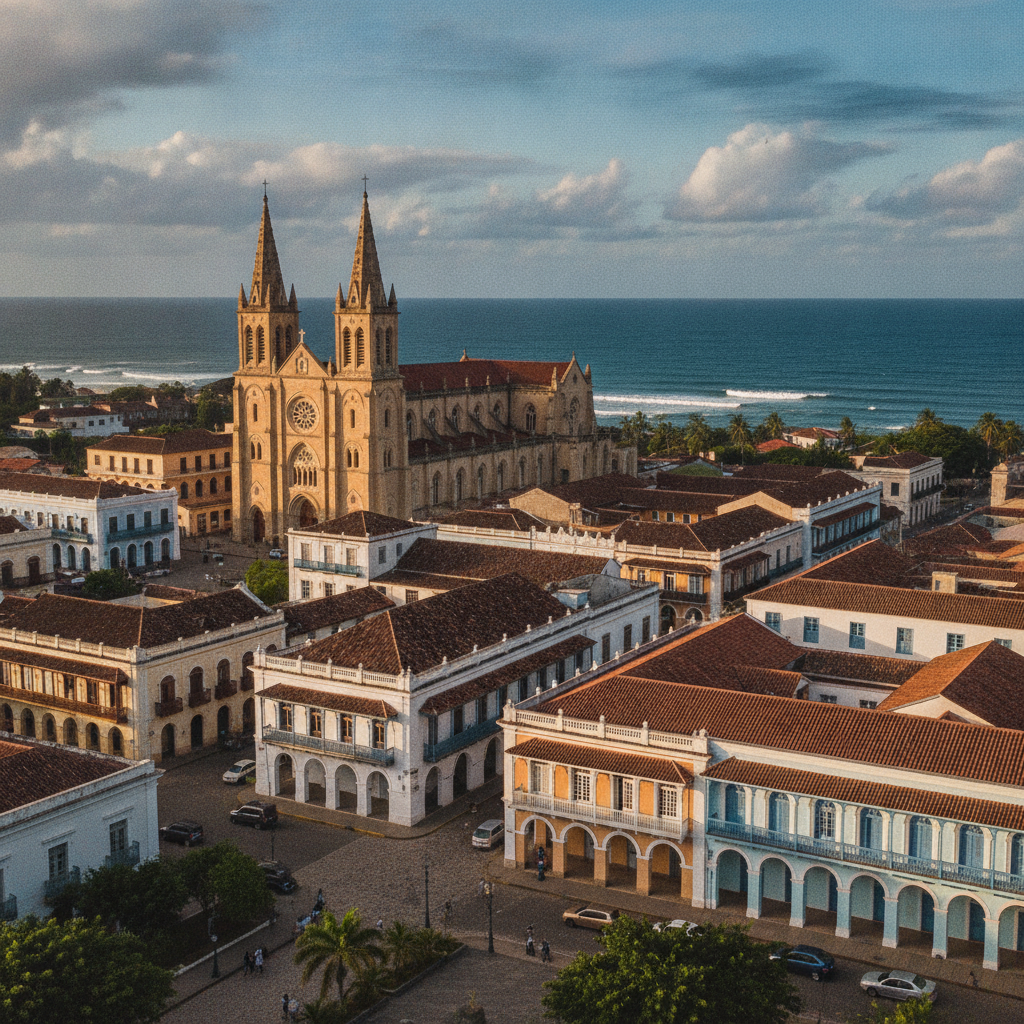
Malabo's Spanish Colonial Heritage on Bioko Island
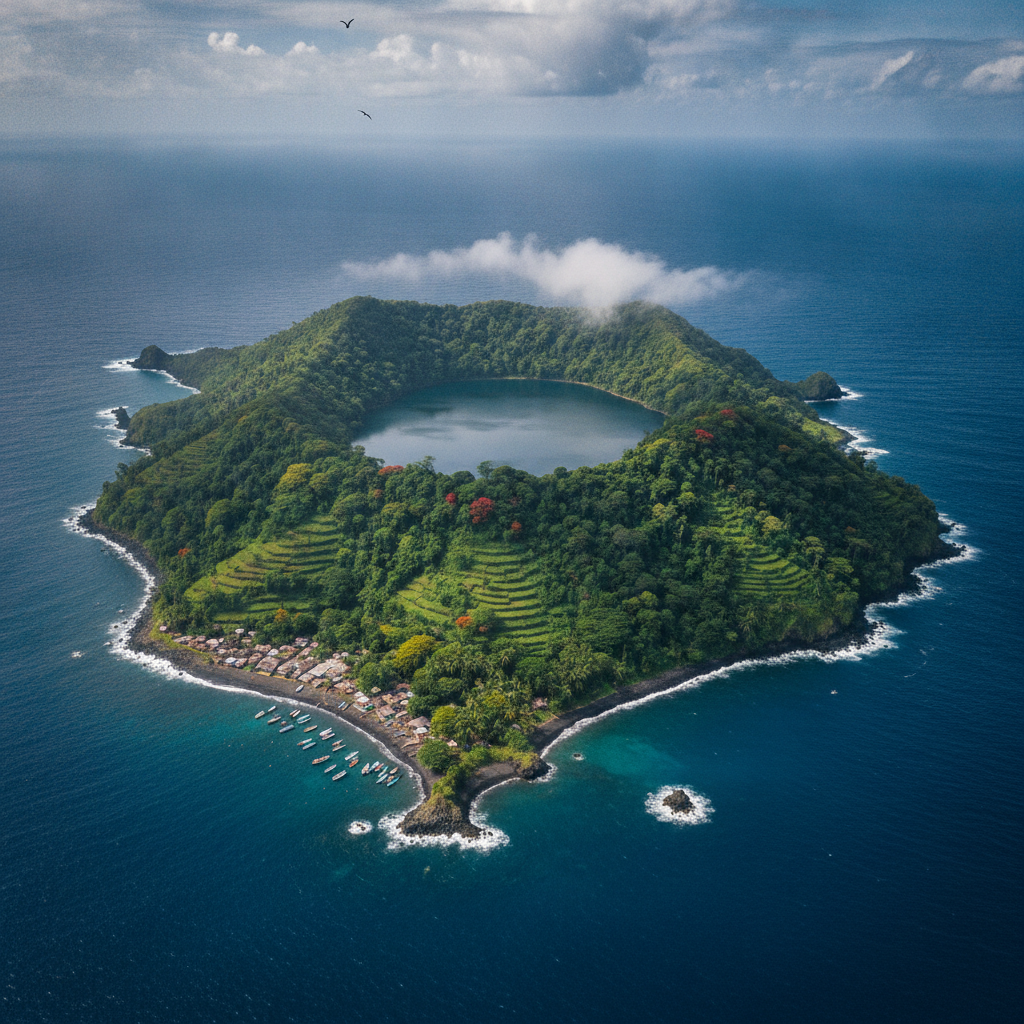
Annobón Island: Equatorial Guinea's Isolated Volcanic Paradise