Mary Karakum Desert Wildlife and Nature
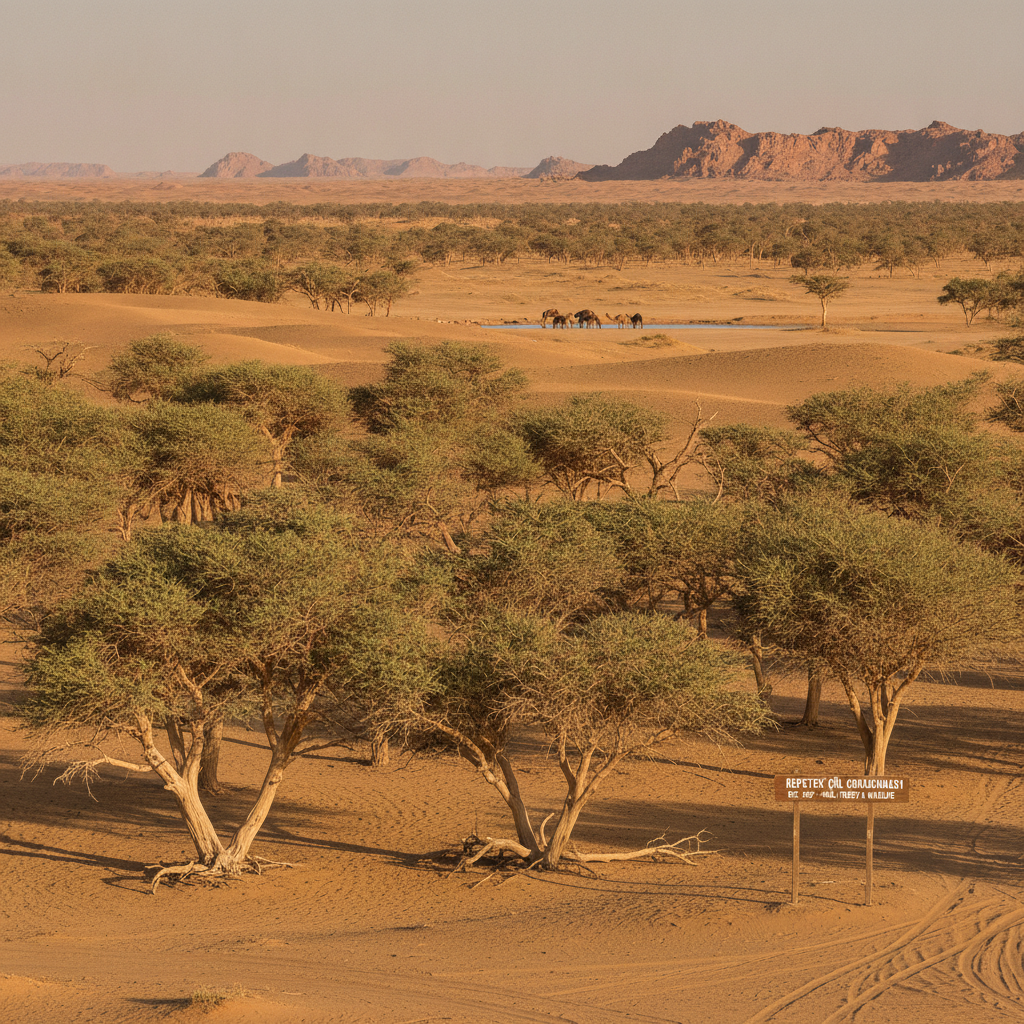
Explore the wildlife of the Karakum Desert around Mary — the vast black sand desert that covers 70 percent of Turkmenistan hosting surprising biodiversity including the endangered Persian leopard, Asiatic cheetah remnant population, Bactrian camels, and the iconic sand cat, in a landscape that appears barren but supports a remarkable ecosystem.
- 1
Repetek Desert Reserve
The Repetek Desert Biosphere Reserve east of Mary — one of the few protected areas in the Karakum Desert, the reserve established in 1927 preserving the saxaul forest ecosystem and the desert animals that depend on it, the UNESCO-recognized biosphere home to the desert monitor lizard, sand boa, and the remarkable sand rat.
- 2
Bactrian Camel Herds
The semi-wild Bactrian camel herds of the Karakum — the two-humped camels that have been the characteristic large animal of Central Asian deserts for millennia, herds still roaming the Karakum under loose management by Turkmen herder families, the camels exploiting the deep-rooted saxaul trees and other desert shrubs for fodder.
- 3
Sand Cat Habitat
The sand cat habitat in the dunes around Mary — the small wild felid perfectly adapted to desert life, its broad paws acting as sand shoes on the loose dune surface, the cat hunting gerbils and lizards in the night and sheltering in burrows or under saxaul roots during the day, one of the rarest wild cats in Central Asia.
- 4
Desert Bird Migration Route
The desert bird migration route over the Mary oasis — the migratory birds using the Murghab oasis as a refueling stop on the Central Asian flyway between Siberian breeding grounds and South Asian wintering areas, the species including raptors, waders, and waterfowl visible in spring and autumn migration season.
- 5
Saxaul Forest Ecosystem
The saxaul forest ecosystem of the Karakum — the twisted grey-barked trees that form the only forest in the desert, their deep root systems accessing groundwater that surface plants cannot reach, the forest providing shade, fuel, and fodder in a landscape that would otherwise be almost lifeless, the trees protected in the Repetek reserve.
- 6
Desert Night Wildlife
The desert night wildlife of the Karakum — the ecosystem that comes alive after dark when the extreme daytime temperatures drop, the nocturnal gerbils emerging from their burrows, the desert foxes beginning their hunting, and the owls calling across the saxaul forest, the darkness of the desert making stargazing as spectacular as the wildlife observation.
Walk this route with audio
Stories play automatically as you reach each stop — no tapping needed.
More in mary
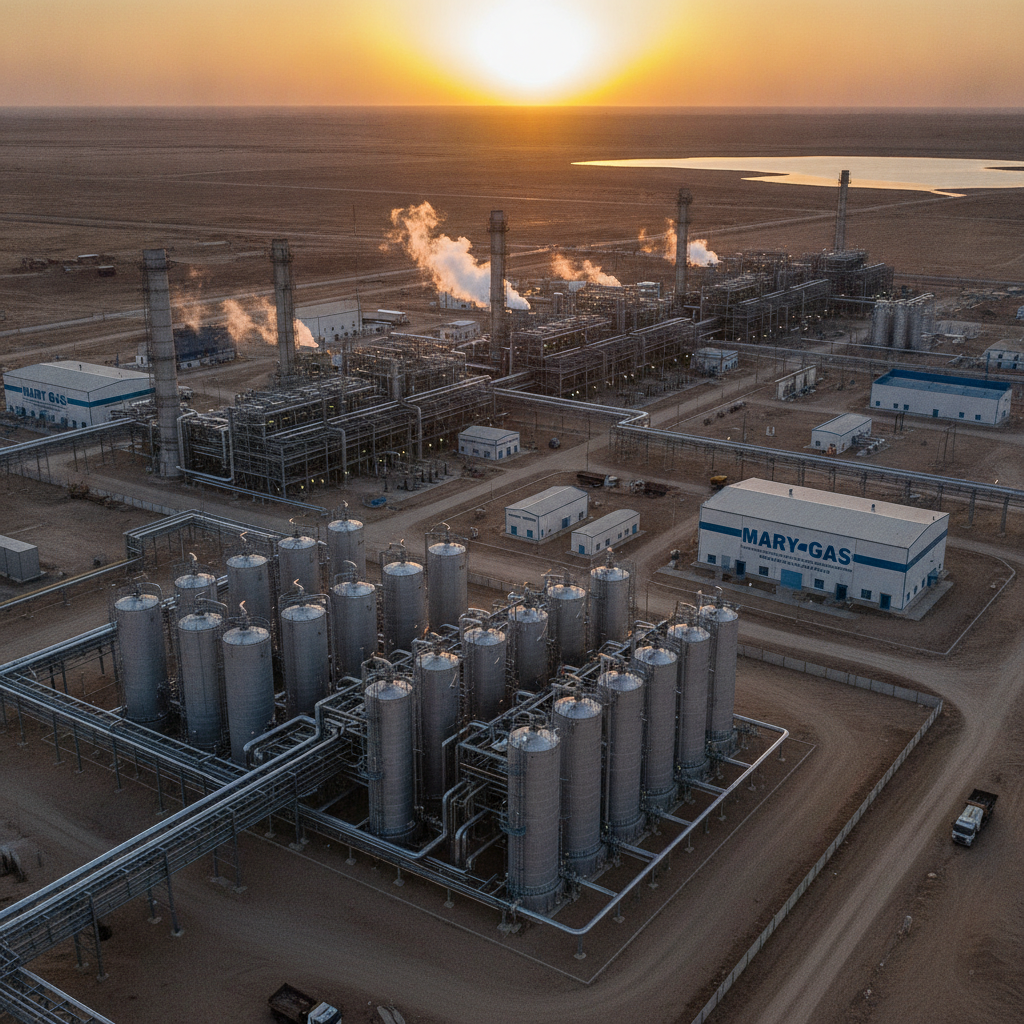
Mary Gas Fields Turkmen Natural Gas Industry
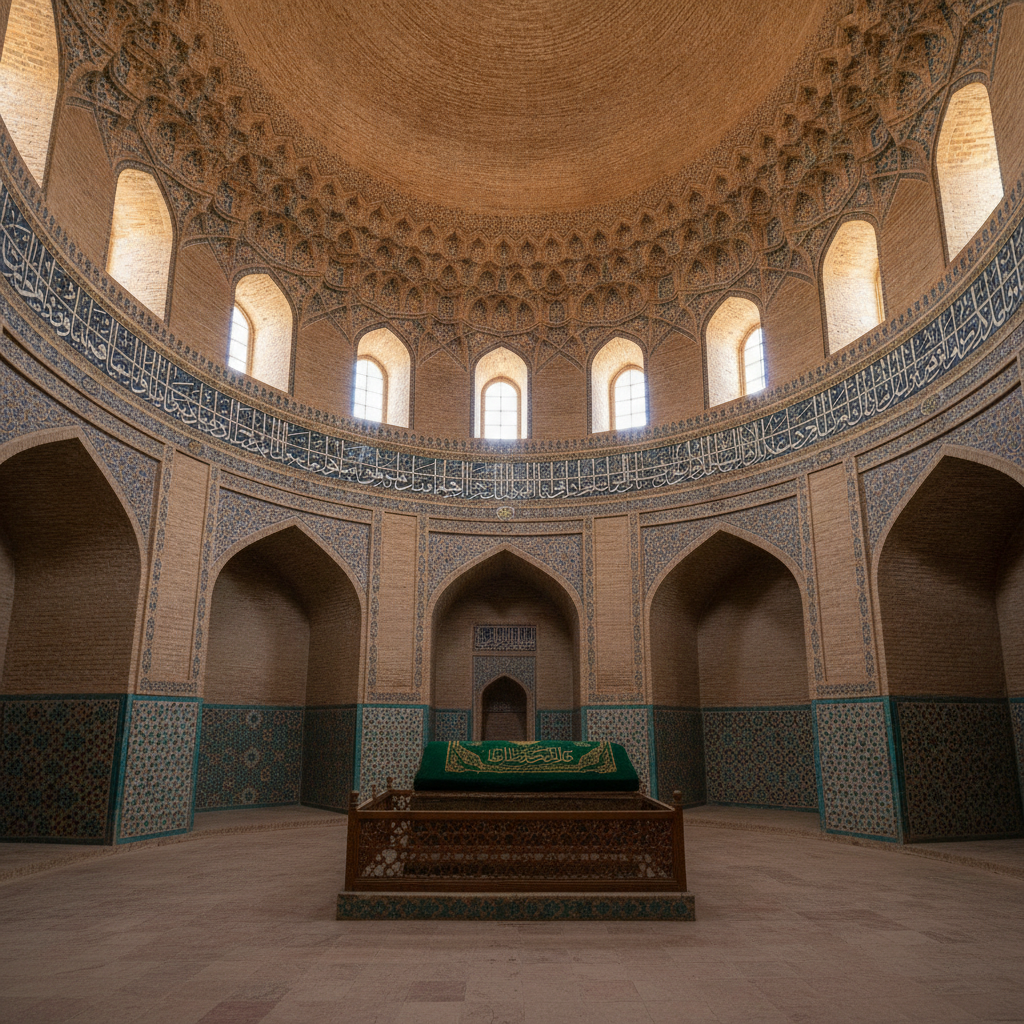
Mary Seljuk Imperial Architecture and Heritage
Mary Iolotan Tekke Carpet Weaving Center
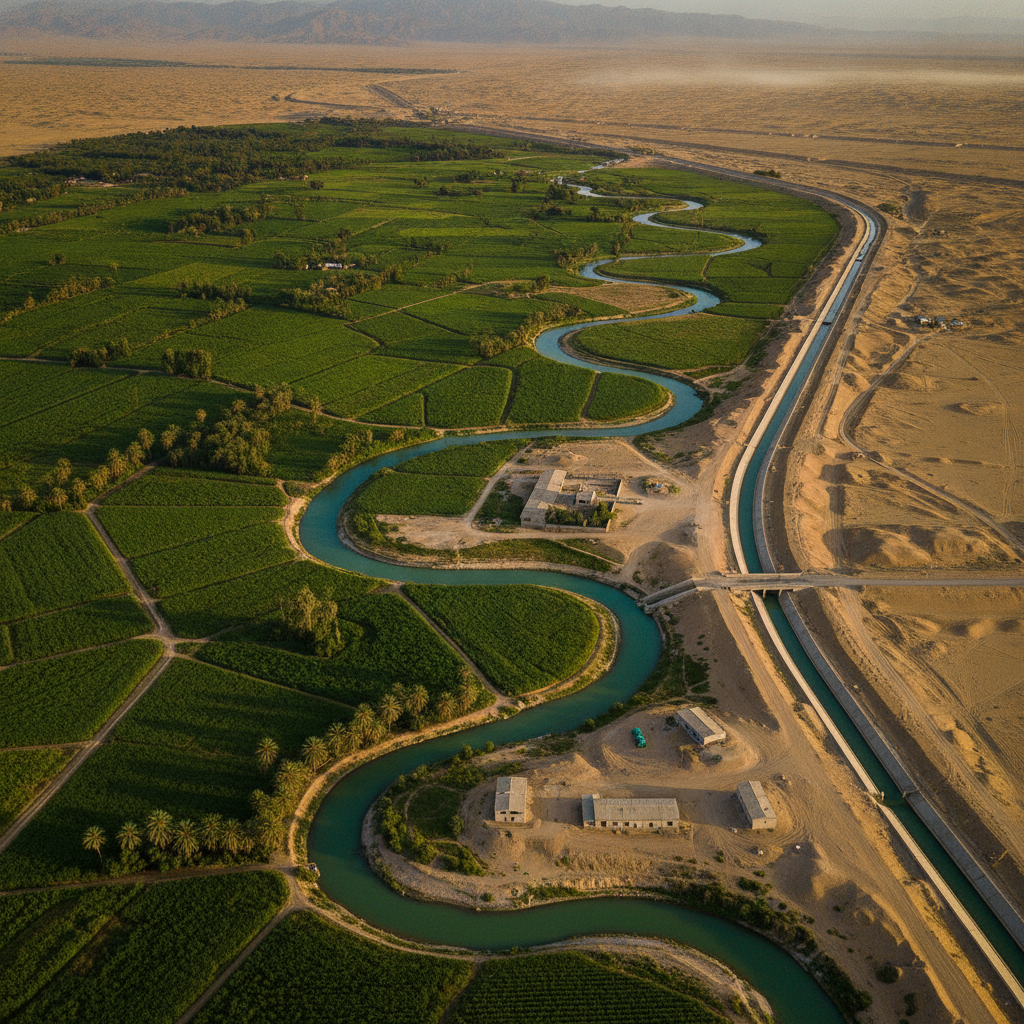
Mary Karakum Desert Oasis Agricultural Landscape
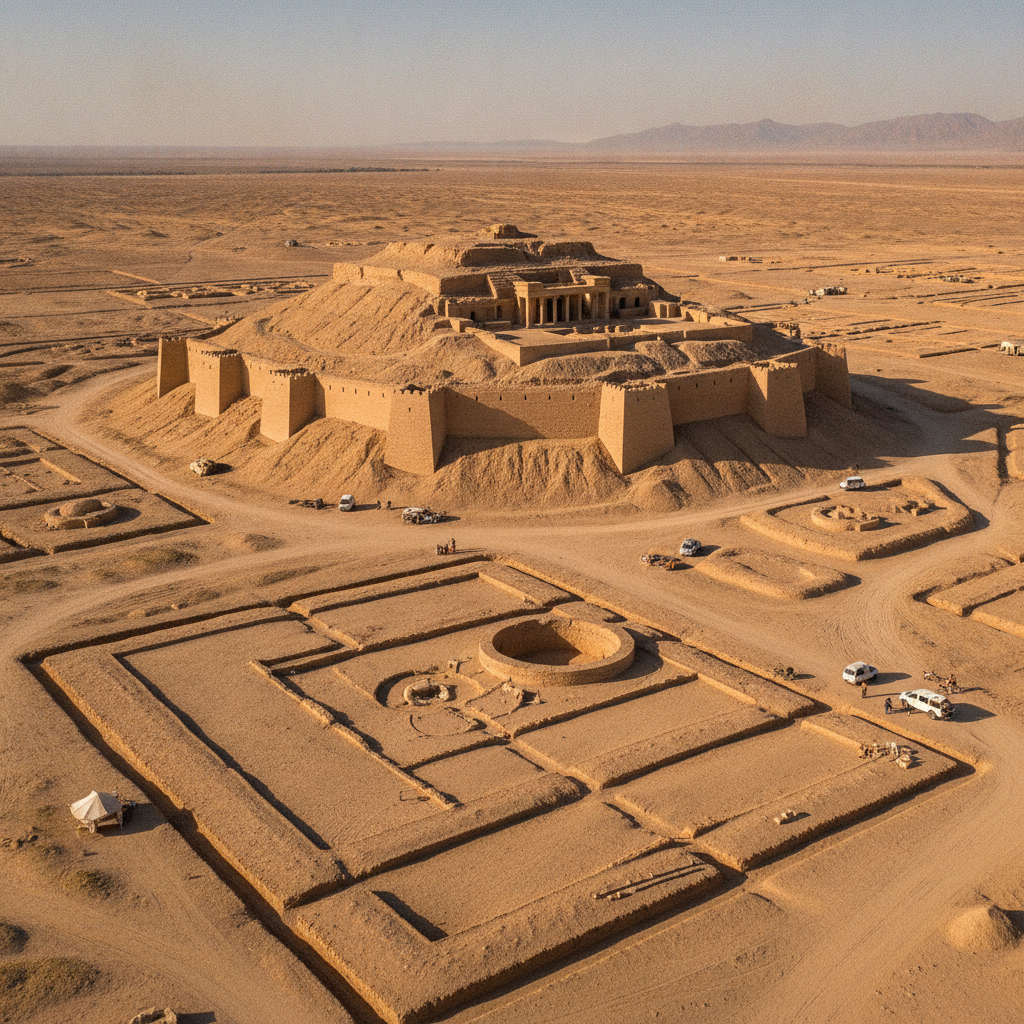
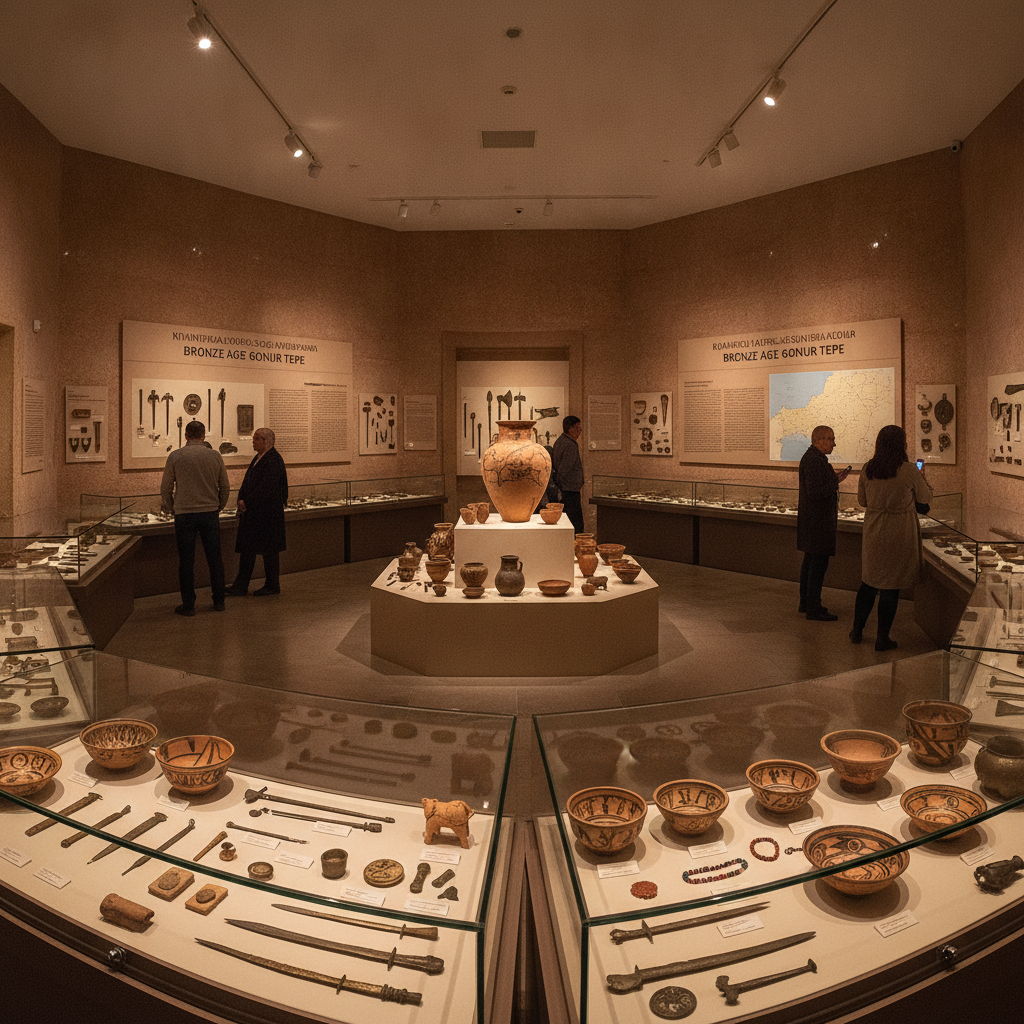
Mary Gonur Tepe Bronze Age Urban Civilization