Mary Seljuk Imperial Architecture and Heritage
Explore the Seljuk imperial heritage around Mary — the architectural remains of the Great Seljuk Empire that had its capital at Merv in the 11th-12th centuries, when the Seljuks ruled from Anatolia to Central Asia and Merv was one of the great cities of the Islamic world, the mausoleums and city walls the most visible survivors of this imperial era.
- 1
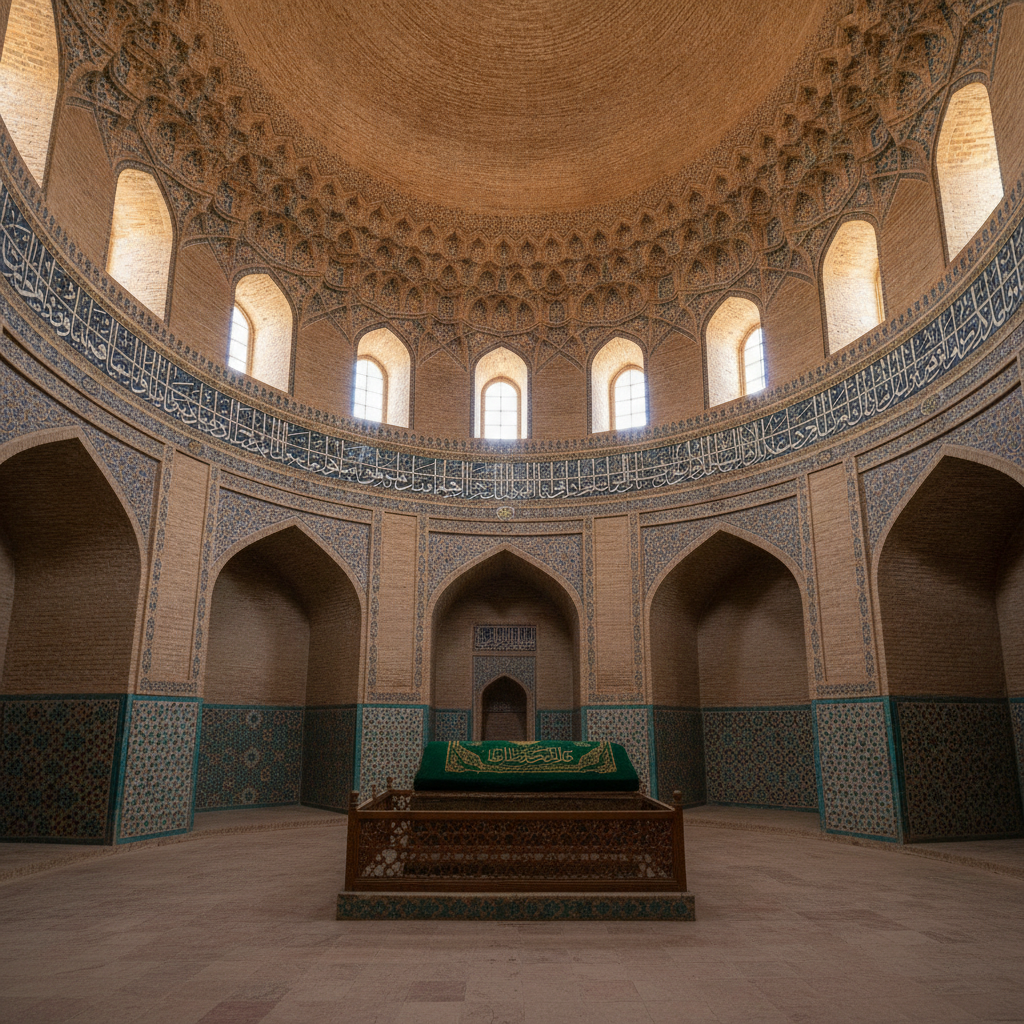
Sultan Sanjar Mausoleum Interior
The interior of the Sultan Sanjar Mausoleum — the domed tomb chamber with its muqarnas (stalactite vaulting) decoration and the inscription bands recording Quranic verses, the building designed by the architect Muhammad ibn Atsiz al-Sarakhsi whose name was recorded in the building inscription, one of the rare named architects of the medieval Islamic world.
- 2
Seljuk Dome Technology
The Seljuk dome construction technology visible at the Sultan Sanjar Mausoleum — the double-dome system with an inner shell visible from below and an outer shell creating the elevated profile visible from outside, the engineering solution that allowed the dome to appear tall and impressive while maintaining structural stability.
- 3
Kyz Kala Twin Castles
The Kyz Kala twin castles at Ancient Merv — the two rectangular fortified buildings from the Sasanian and early Islamic period whose distinctive corrugated exterior walls (a Sasanian architectural feature) survive as the most visually striking ruins at the Merv site, the buildings interpreted as noble residences or administrative complexes.
- 4
Ice House Abu Muslim
The Abu Muslim ice house at Ancient Merv — the 11th-century conical structure designed to store ice cut from frozen ponds in winter for use during the summer heat, the building an example of ancient refrigeration technology and the sophisticated urban infrastructure of medieval Merv.
- 5
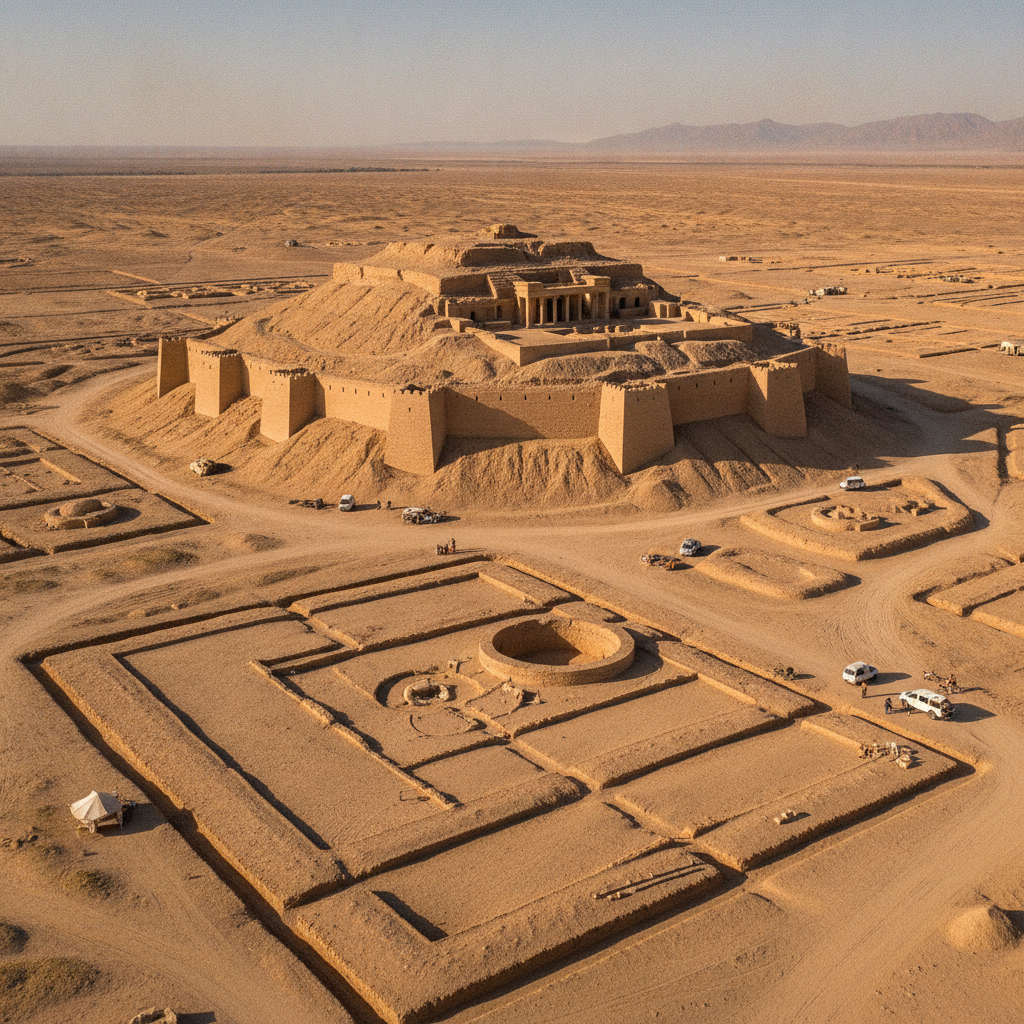
Seljuk Urban Planning Evidence
The evidence of Seljuk urban planning at Sultan Kala — the street pattern visible in the raised ruins of the medieval city showing the grid organization of the market quarter, the location of the Friday mosque at the city center, and the relationship between the citadel and the commercial districts of the largest medieval city in Central Asia.
- 6
Hauz Khan Reservoir
The Hauz Khan medieval reservoir at Ancient Merv — the large water storage facility from the Seljuk period providing the urban water supply for the medieval city, the engineering of water management in a desert city that required sophisticated storage and distribution systems to support a population of hundreds of thousands.
Walk this route with audio
Stories play automatically as you reach each stop — no tapping needed.