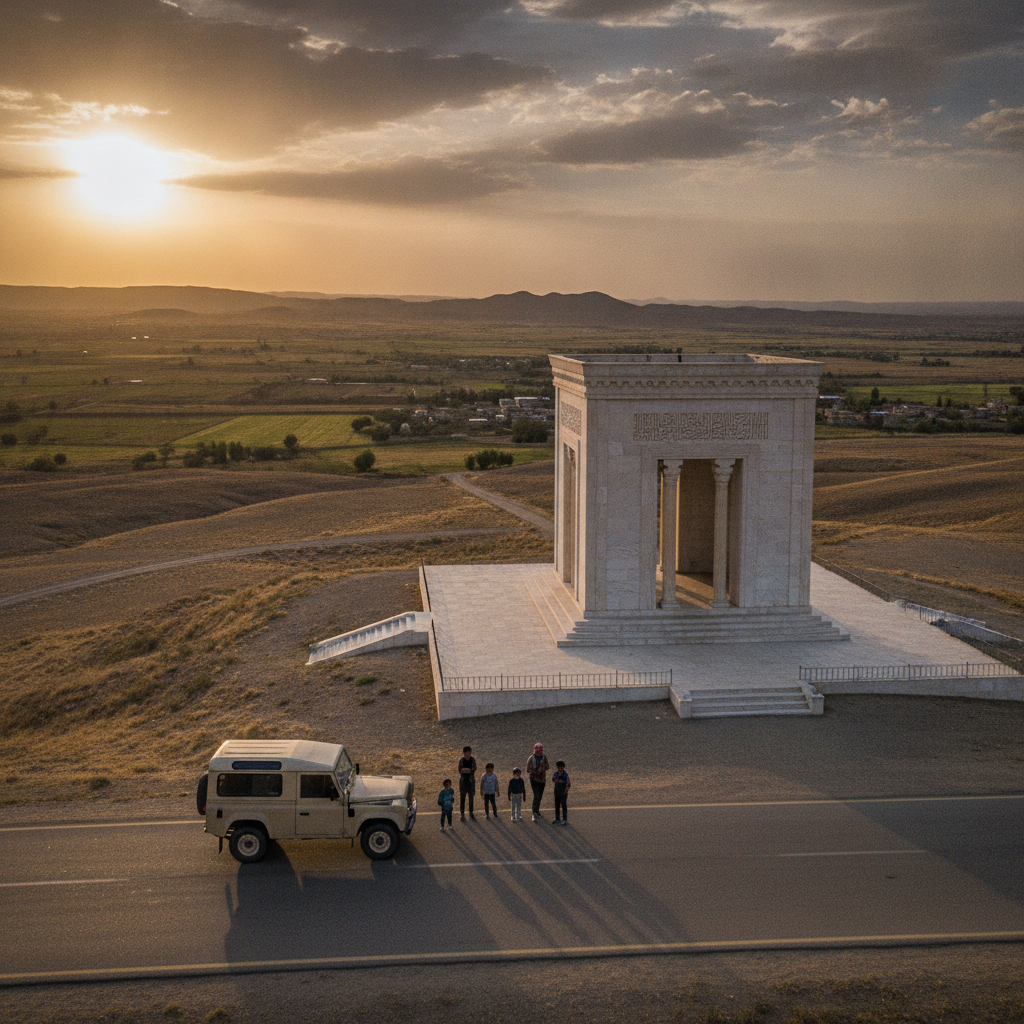
Ferdowsi Tomb Persian Poetry Epic Shahnameh
Make the pilgrimage to the tomb of Ferdowsi in Tus near Mashhad, the 10th-11th century poet who spent 30 years composing the Shahnameh — the Book of Kings, the Persian national epic — whose 60,000 couplets preserved the Persian language and culture through the Arab and Mongol conquests.
- 1
Drive to Tus
Drive from Mashhad to the ancient city of Tus where Ferdowsi was born around 940 CE, the journey through the Khorasan plain passing through a landscape that has been Persian cultural heartland since the Achaemenid period, the agricultural richness of the region explaining its historical importance.
- 2
Ferdowsi Mausoleum
Approach the Ferdowsi mausoleum, a dramatic modernist structure completed in 1934 where the poet who gave the Persian people their national epic is honored with a monument designed to match the grandeur of his literary achievement, the white marble structure visible from a distance across the Tus plain.
- 3
Tomb Chamber
Enter the tomb chamber where Ferdowsi's sarcophagus lies surrounded by bas-reliefs depicting scenes from the Shahnameh, the heroic episodes of Rostam and Sohrab, Siavash and Sudabeh, and Kay Khosrow brought to visual life around the grave of the poet who created them in verse.
- 4
Shahnameh Exhibition
Study the Shahnameh exhibition where illustrated manuscripts and explanatory panels introduce the 60,000-couplet epic that Ferdowsi composed to preserve pre-Islamic Persian history and mythology, the work that saved the Persian language from Arabic absorption and remains the foundation of Iranian cultural identity.
- 5
Tus Ancient Ruins
Explore the ruins of ancient Tus nearby where the walls and foundations of the city that was one of Khorasan's great medieval centers before Mongol destruction in 1220 CE are visible, the contrast between the ruined city and the celebrated poet's mausoleum representing the paradox of cultural survival through textual rather than material legacy.
- 6
Haruniyeh Dome
Visit the Haruniyeh dome, a 14th-century Ilkhanate structure near Tus that local tradition associates with the imprisonment of Imam Reza and now serves as a regional archaeological museum, the well-preserved brick dome demonstrating the architectural achievements of the Mongol successor states that ruled Khorasan.
Walk this route with audio
Stories play automatically as you reach each stop — no tapping needed.
More in mashhad
Nishapur Omar Khayyam and Persian Poets Heritage
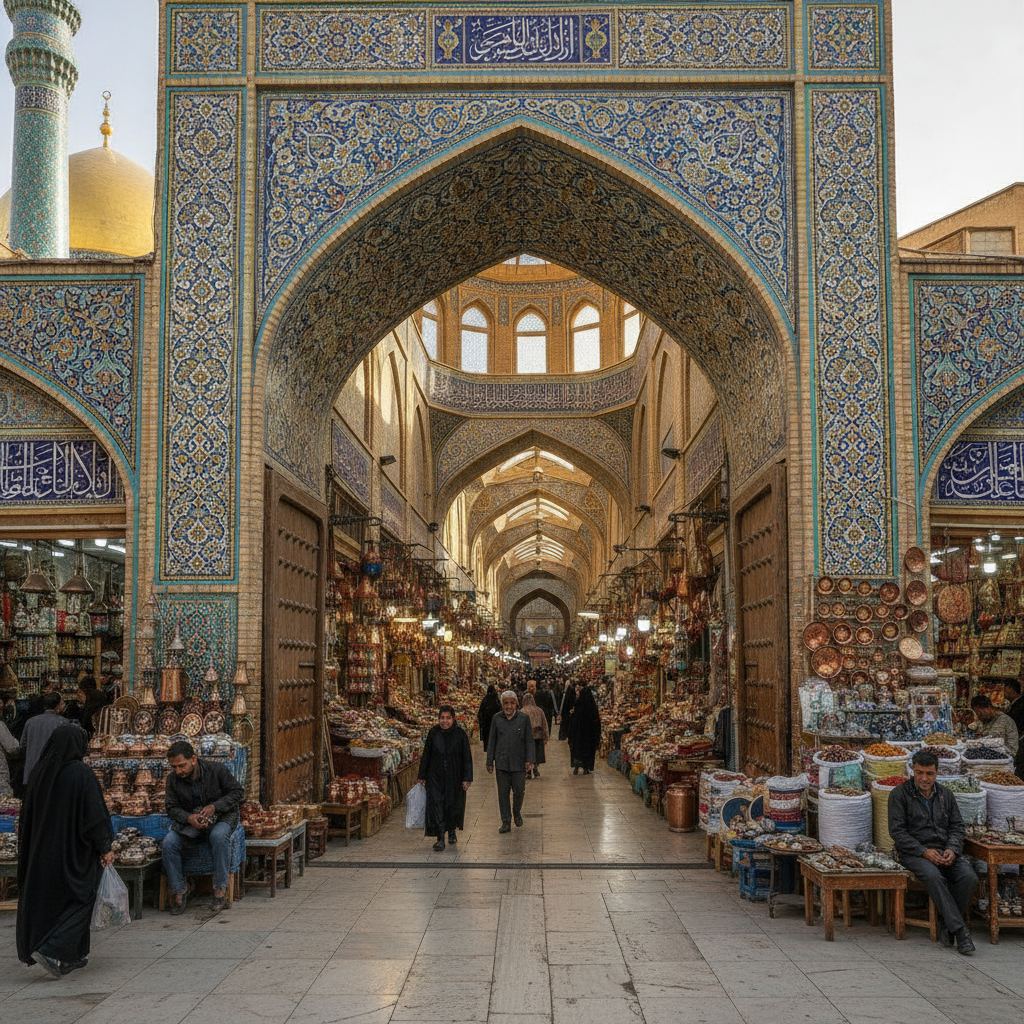
Mashhad Bazaar Traditional Crafts Khorasan Region
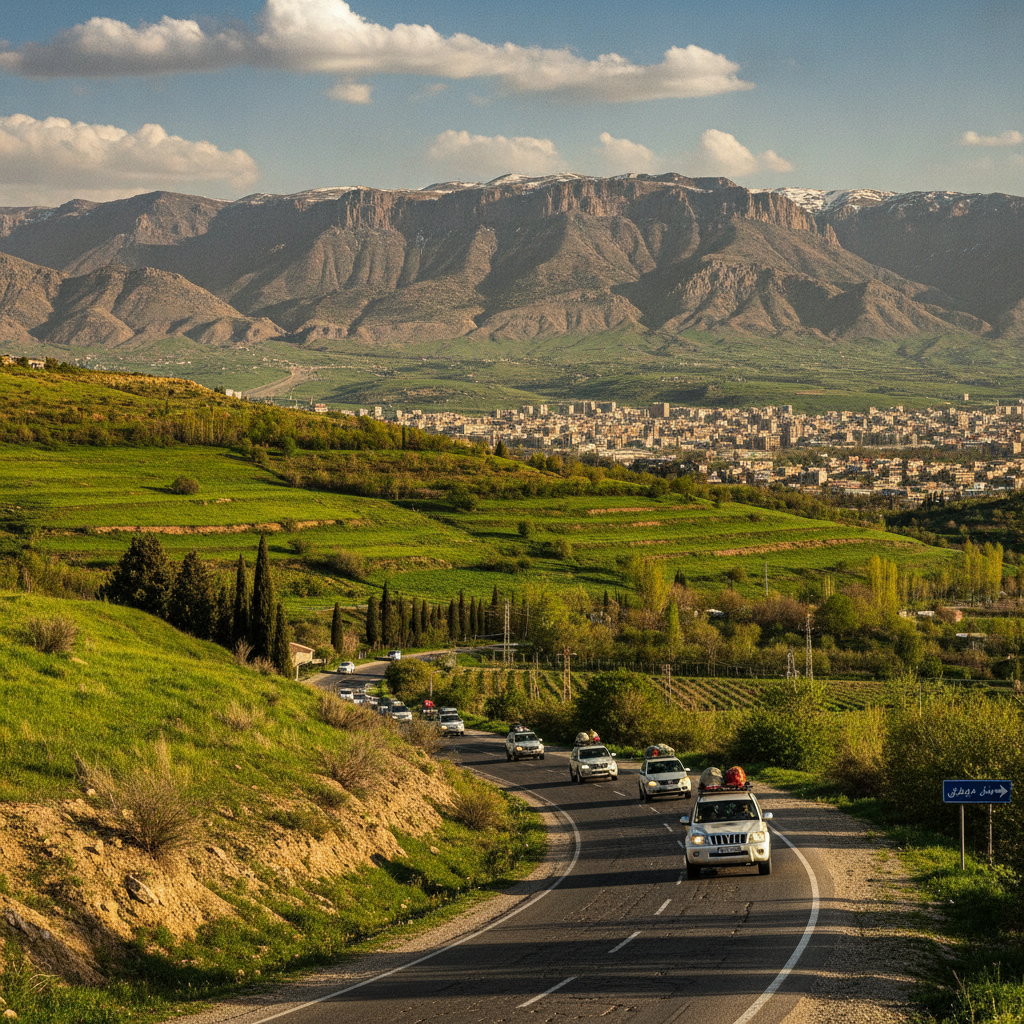
Torqabeh Mountain Village and Khorasan Nature
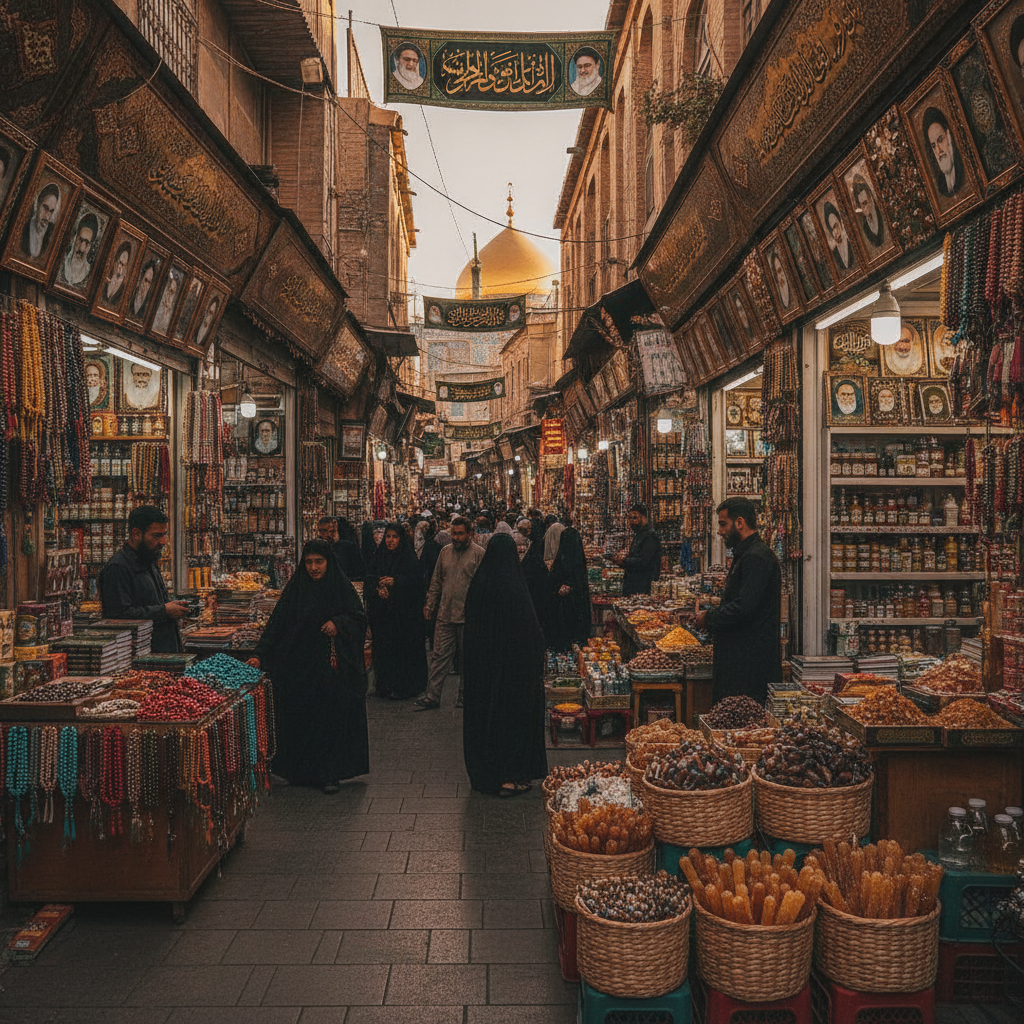
Mashhad Holy City Daily Pilgrimage Life

Saffron Market Khorasan Spice Trade Heritage
