
Saffron Market Khorasan Spice Trade Heritage
Explore the saffron markets of Mashhad, gateway to the Khorasan province that produces over 90% of the world's saffron, where the dried stigmas of the crocus flower are traded in the largest saffron market in Iran and the world's spice trade traces back millennia.
- 1
Reza Bazaar Spice Section
Enter the spice section of the Reza Bazaar near the shrine complex where the concentrated aroma of saffron — the world's most expensive spice by weight — fills the air, the stalls displaying the deep red threads in quantities ranging from tiny retail packages to wholesale kilograms.
- 2
Saffron Grading
Watch the saffron grading process where merchants sort the dried crocus stigmas by color intensity, length, and purity — the Super Negin grade with its deep red threads and minimal yellow style being the most valuable — the grading knowledge representing expertise passed down through generations of spice traders.
- 3
Wholesale Saffron Market
Visit the wholesale saffron market where traders from across Iran and international buyers negotiate the prices of large quantities of Khorasan saffron, the trading floor representing one of the most important commodity markets in the global spice trade.
- 4
Saffron Cultivation Story
Learn about saffron cultivation in the villages around Mashhad where the Crocus sativus flowers bloom for just two weeks in October-November, the labor-intensive hand-picking and immediate stigma extraction requiring enormous human effort for each gram of the final product.
- 5
Traditional Saffron Products
Sample traditional products made with Khorasan saffron — saffron tea, saffron rice, saffron ice cream (bastani) — experiencing how this spice's floral, slightly bitter, and intensely colored character enhances Iranian cooking in dishes from the simplest rice to the most elaborate festive preparations.
- 6
Dried Fruit and Nut Market
Browse the broader dried fruit and nut market alongside the saffron where the agricultural abundance of Khorasan — pistachios, barberries, dried mulberries, raisins, and walnuts — creates a sensory environment of extraordinary richness reflecting the historic fertility of this eastern Iranian province.
Walk this route with audio
Stories play automatically as you reach each stop — no tapping needed.
More in mashhad
Nishapur Omar Khayyam and Persian Poets Heritage
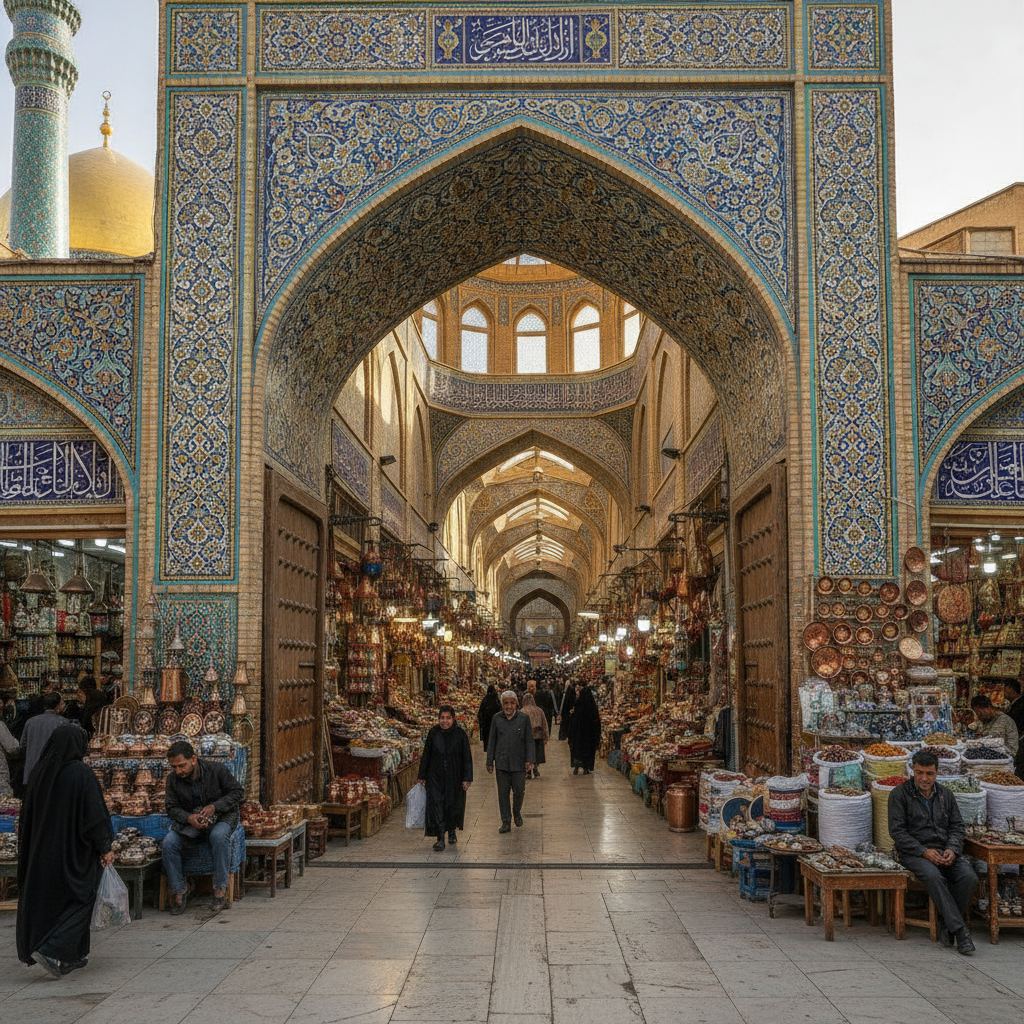
Mashhad Bazaar Traditional Crafts Khorasan Region
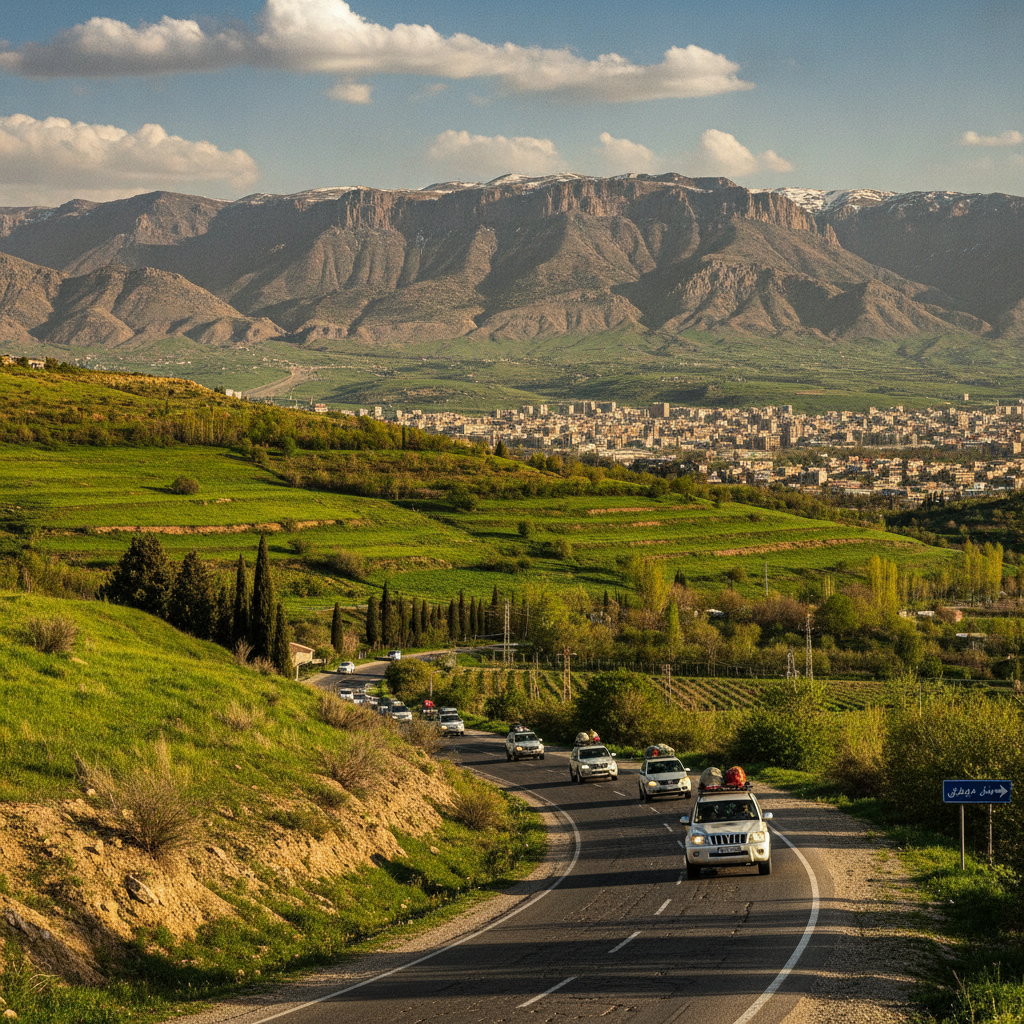
Torqabeh Mountain Village and Khorasan Nature
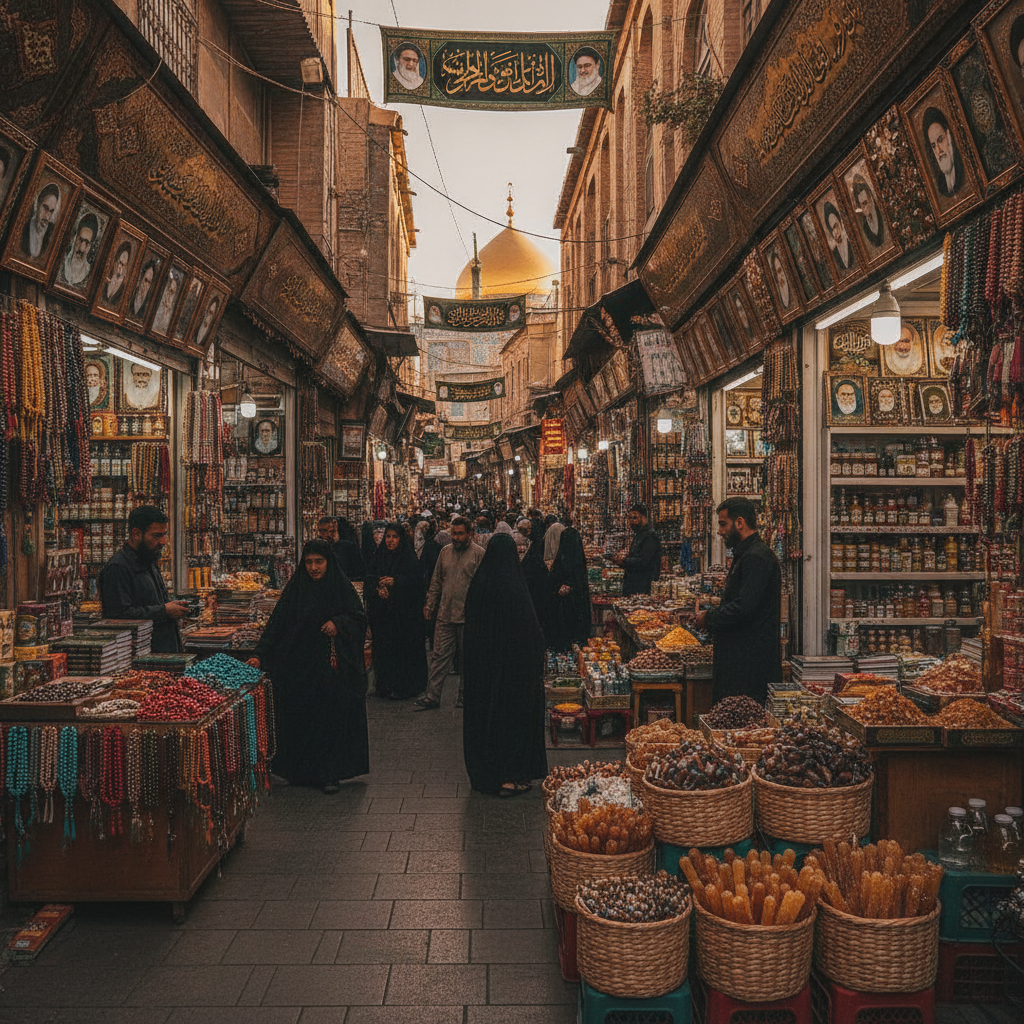
Mashhad Holy City Daily Pilgrimage Life
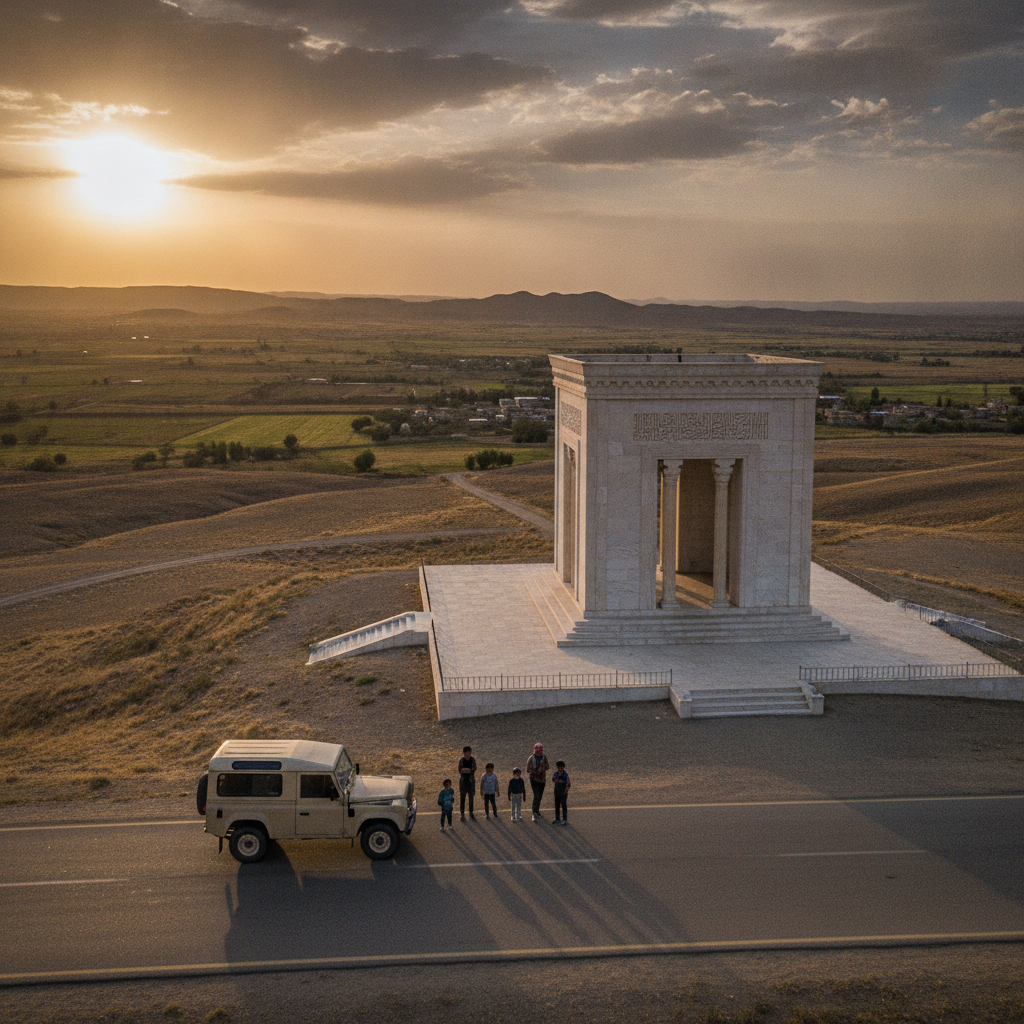
Ferdowsi Tomb Persian Poetry Epic Shahnameh
