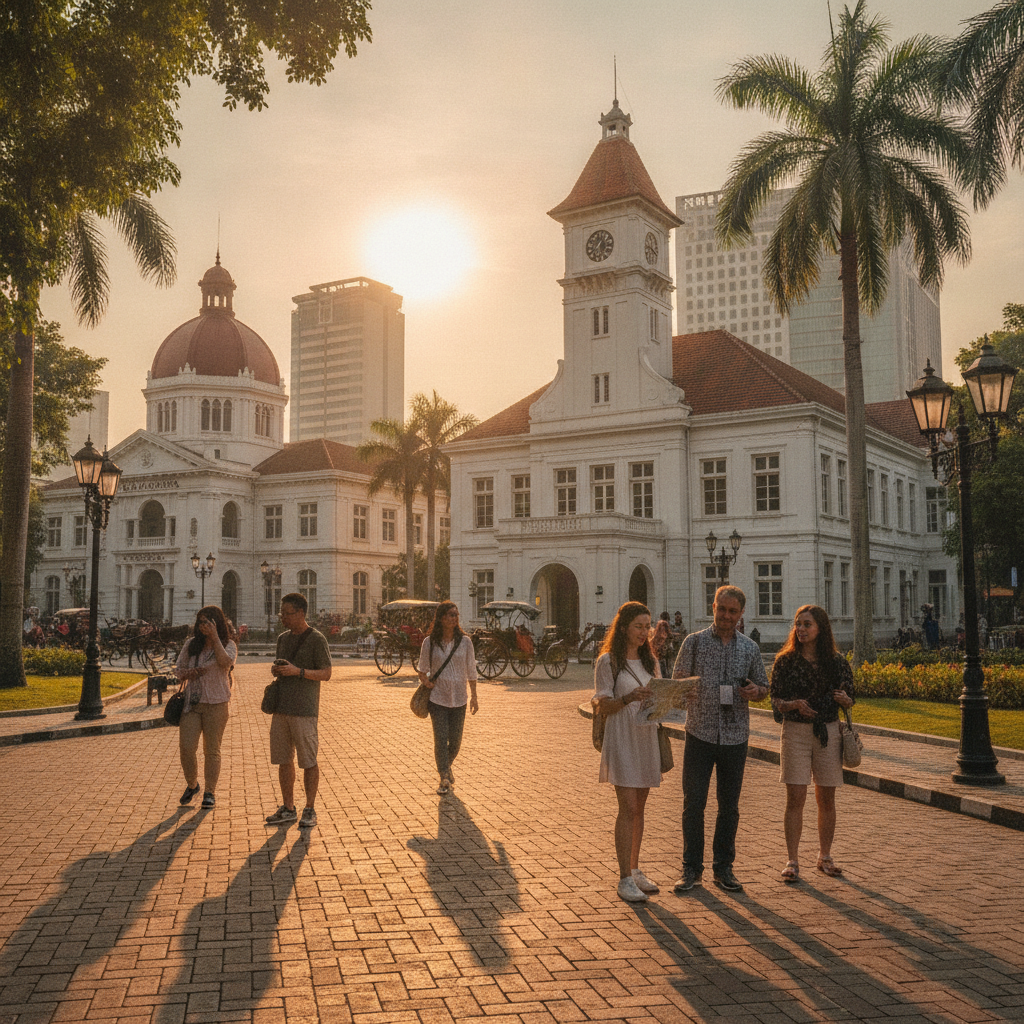
Medan Belawan Port & Plantation Legacy Walk
Explore Medan's port city and plantation heritage — the Belawan port north of Medan was the export hub through which the tobacco, rubber, and palm oil of North Sumatra's plantation belt flowed to world markets, creating the wealth that built colonial Medan and establishing the export economy that continues to define North Sumatra's economic character.
- 1
Belawan Port History
Belawan Port, 24km north of Medan, was the export terminus of the Deli plantation economy — the port constructed by the Dutch colonial government to handle the massive tobacco and rubber exports of the plantation belt developed from a small fishing village into one of the busiest ports in the Dutch East Indies, handling the hogsheads of tobacco and bales of rubber that made Deli tobacco (prized for cigar wrappers by the European cigar industry) one of the most valuable agricultural exports from the entire colonial archipelago.
- 2
Deli Tobacco Plantation Area
The estates north and east of Medan that constituted the Deli tobacco belt in the colonial era have largely been converted to oil palm and rubber, but the estate roads, workers' settlements (pondok), and occasional surviving colonial estate buildings document the plantation landscape that defined this region — the contract labour system (koelieordonantie) that bound Chinese and Javanese workers to the tobacco estates under conditions that prompted international criticism was the foundation of the economic system that built Medan's colonial prosperity.
- 3
Rubber Estate Landscape
The rubber estates that replaced tobacco cultivation in many areas of the Deli plantation belt after the early 20th century created a landscape of uniform canopy extending across vast areas of the North Sumatran lowlands — the rows of Hevea brasiliensis trees with their collection cups and the workers tapping the latex in the early morning represent a plantation agriculture system established during the colonial era that continues as an important component of North Sumatra's agricultural economy alongside the oil palm that has become dominant.
- 4
Sunggal River District
The Sunggal River and its tributaries were the original boundaries of the tobacco estate concessions granted by the Deli Sultanate to Dutch planters — the river valleys of the Deli region provided the ideal sandy loam soil conditions that made Deli tobacco particularly suited for cigar wrapper production, as the soil type influenced the leaf texture and combustion quality that made Deli wrapper leaf the preferred choice for premium European cigars and gave Deli tobacco its world-market position.
- 5
Medan Polonia Colonial Quarter
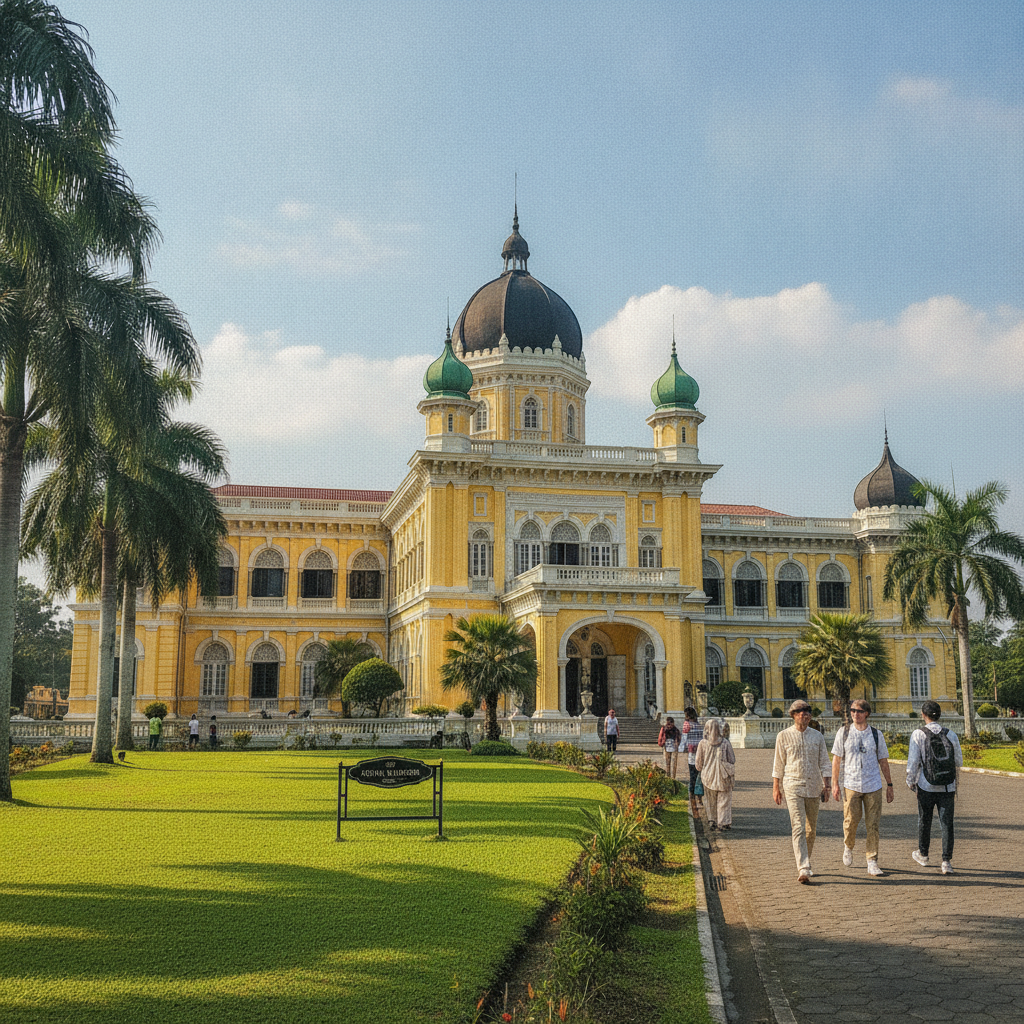
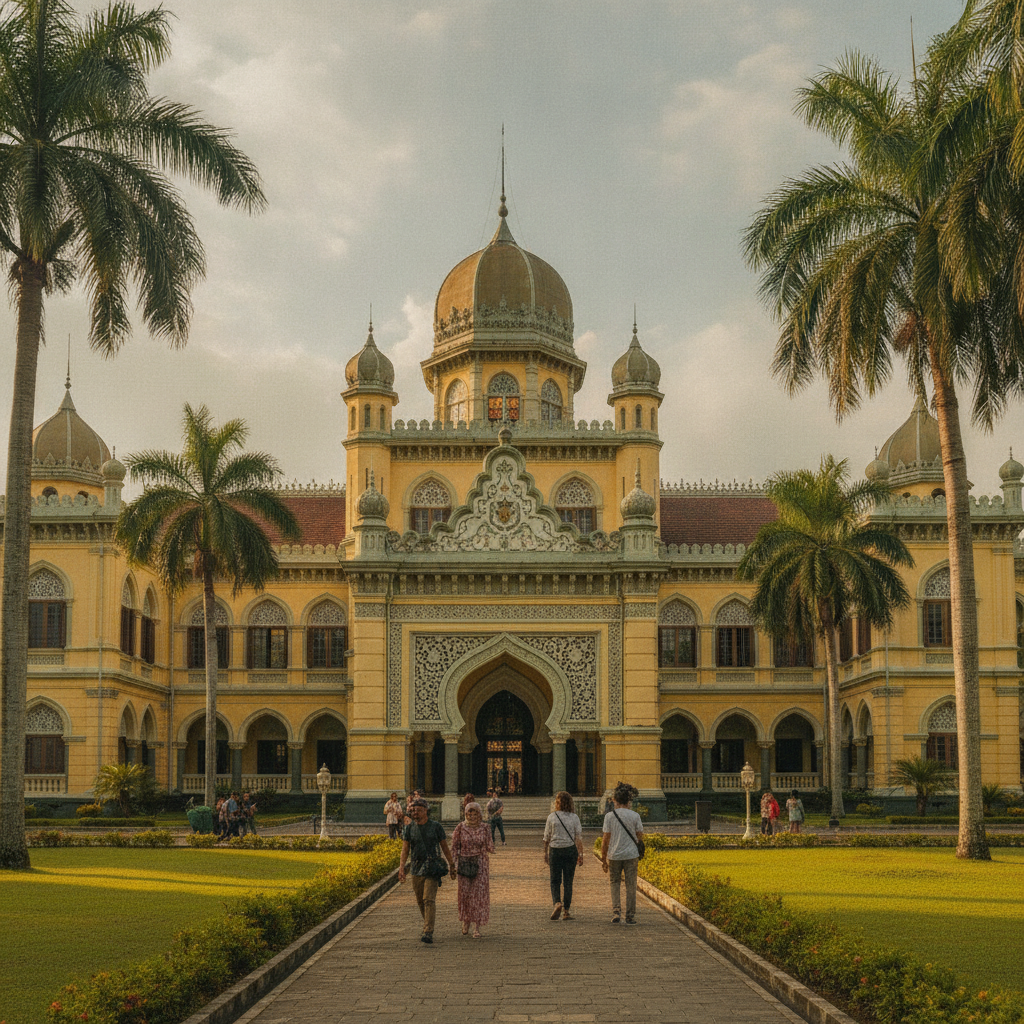
The Polonia district of Medan was developed as the residential area for colonial plantation administrators and European staff — the wide streets, the large villa houses in colonial bungalow style set in substantial gardens, and the proximity to the original airfield (now the site of the existing airport) create an urban environment that preserves more of the colonial residential character than the commercial city centre, and the area's current use by consulates, government buildings, and upmarket hotels maintains a degree of spatial exclusivity established in the colonial era.
- 6
North Sumatra Palm Oil Economy
The landscape north and east of Medan is now dominated by oil palm estates that have replaced the tobacco and rubber of the colonial era — North Sumatra is one of Indonesia's major palm oil producing provinces, and the estate landscape visible from the roads out of Medan documents the most recent transformation of a plantation economy that has continuously reoriented toward the highest-value global commodity crop since the 19th century, with the current palm oil boom creating both the economic conditions for regional prosperity and the environmental pressures on forest ecosystems that conservation advocates contest.
Walk this route with audio
Stories play automatically as you reach each stop — no tapping needed.