Montreal in Winter — Skating, Snowshoeing & Embracing the Cold
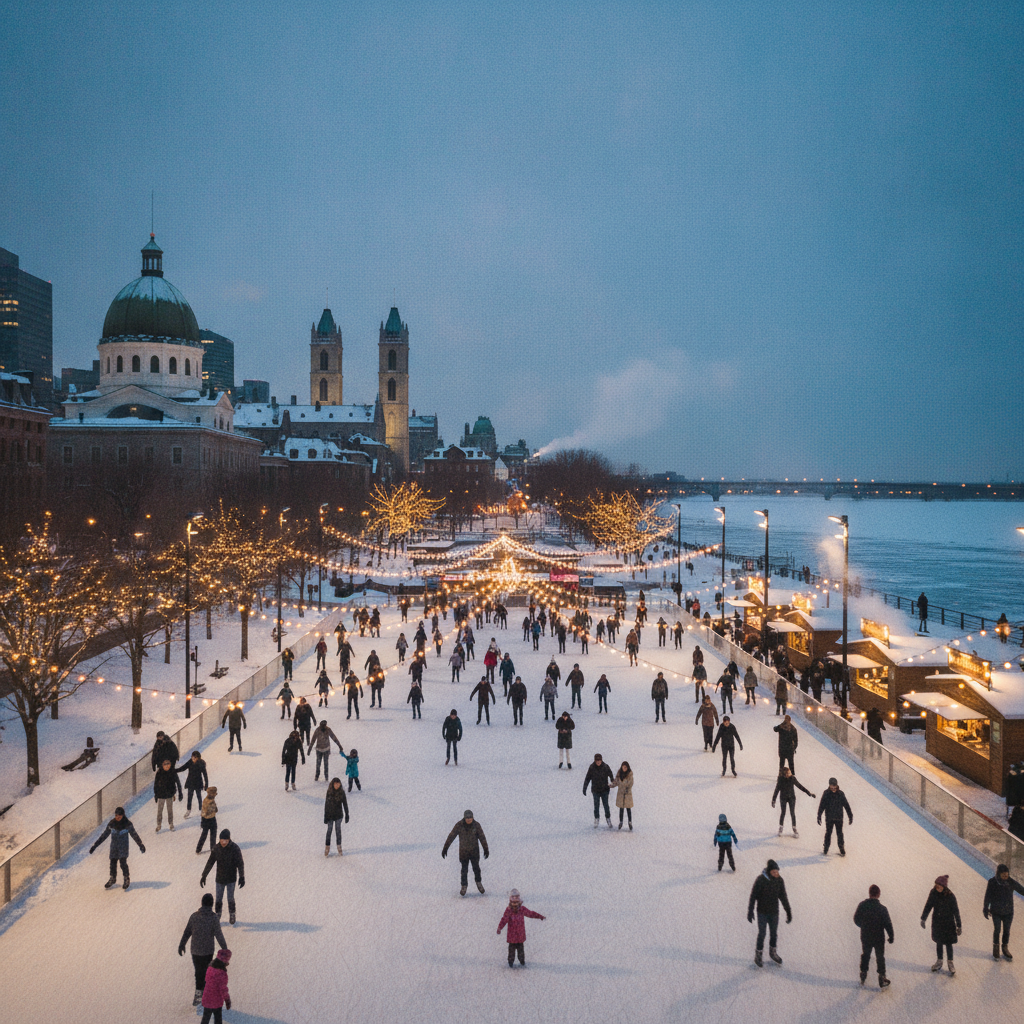
Montreal winter (the Montreal winter — the season from December through March in which the city receives an average of 235 cm (92 inches) of snow, the temperature averages -10°C (14°F) in January, and the city's residents respond not by retreating indoors but by embracing the winter with an intensity of outdoor winter activity (skating, snowshoeing, skiing, tobogganing, and winter festivals) that is unmatched by any other major city in the world): Montreal is the best city in the world for experiencing urban winter culture.
- 1
Montreal en Lumière — Indoor and Outdoor Winter Festival
Montréal en Lumière (February–March, 11 days) is Montreal's winter festival balancing outdoor cold-weather activities (ice sculptures, outdoor kitchens, fire performers) with indoor programming (gastronomic dinners in the Quartier des Spectacles restaurants, classical concerts, and a Nuit Blanche art event) — the festival was created specifically to make February (the coldest month) economically viable for the restaurant and entertainment sector.
- 2
Cross-Country Skiing in Mont Royal Park
Mont Royal Park (5km of marked cross-country ski trails, groomed November–March when conditions permit) is accessible from the Côte-des-Neiges Metro station by a 20-minute walk — ski rental is available at the Beaver Lake chalet; the trails follow Olmsted's original carriage paths through the park's mixed forest; the Chalet du Mont Royal at the summit offers hot chocolate and soup in an 1930s Art Deco room with panoramic city views; no reservation required, free trails.
- 3
Snowshoeing in the Laurentians — 80km from Montreal
The Laurentian Mountains (Laurentides, 80km north of Montreal via Autoroute 15) offer the most accessible backcountry snowshoeing within day-trip distance of any North American city — Mont-Tremblant National Park (free with Quebec parks pass) maintains 53km of groomed snowshoe trails; the village of Mont-Tremblant (a pedestrian ski village modelled on a Québécois historic town) has 95 ski trails across 3 mountain faces served by 14 gondolas and 76 ski lifts.
- 4
Ice Skating on the Canal — Lachine Canal Becomes a Skating Rink
The Lachine Canal (14.5km, former industrial waterway connecting the St Lawrence to the Interior, now a linear park managed by Parks Canada) is cleared and marked as a skating route by volunteers and the Atwater Market community when conditions allow (temperature must stay below −10°C for 10+ days) — the ice varies from mirror-smooth to textured depending on recent snowfall; the Atwater Market (Marché Atwater, open daily) marks one end of the canal route.
- 5
Outdoor Hockey — Montreal's Neighbourhood Rinks
Montreal maintains 225 outdoor skating rinks (patinoires, free, city-maintained) in neighbourhood parks from December–March — the rinks serve as community social centres; the classic 'shinny' (informal pickup hockey) happens every morning and evening on neighbourhood rinks across the island; Parc Molson (Plateau), Parc des Outaouais (Rosemont), and the rinks of Rosemont's Marc-Aurèle-Fortin Park are the most active adult shinny locations.
- 6
Sugar Shack Season — Maple Syrup the Quebec Way
Cabane à sucre (sugar shack) season (late February through April, depending on the maple sap run) is Quebec's most important food tradition — 'sugar shacks' in the Laurentians, Eastern Townships, and Montérégie regions serve a fixed menu of habitant cuisine: split pea soup, baked beans, meat pie (tourtière), ham, and the definitive finale — maple taffy poured hot over snow and rolled on a stick (la tire); Cabane à Sucre au Pied de Cochon (restaurant version in Montreal by chef Martin Picard) is the haute-cuisine version.
Walk this route with audio
Stories play automatically as you reach each stop — no tapping needed.
More in montreal
Montreal's Gay Village, Pride Festival & LGBTQ+ Culture
The Olympic Stadium, Biodôme & Parc Jean-Drapeau
Saint Joseph's Oratory, Brother André & Montreal's Religious Heritage
Mount Royal Park, the Plateau & Montreal's Bohemian Heart
Old Montreal, Notre-Dame Basilica & the History of New France