Namangan Old City and Central Bazaar
Explore Namangan — the third-largest city in Uzbekistan and the northern capital of the Fergana Valley, a city with roots going back to the 17th century whose old town mahalla neighborhoods and central bazaar preserve the character of a traditional Central Asian commercial city, the mosques and religious schools of Namangan reflecting the city's reputation as one of the most Islamic cities in post-Soviet Central Asia.
- 1
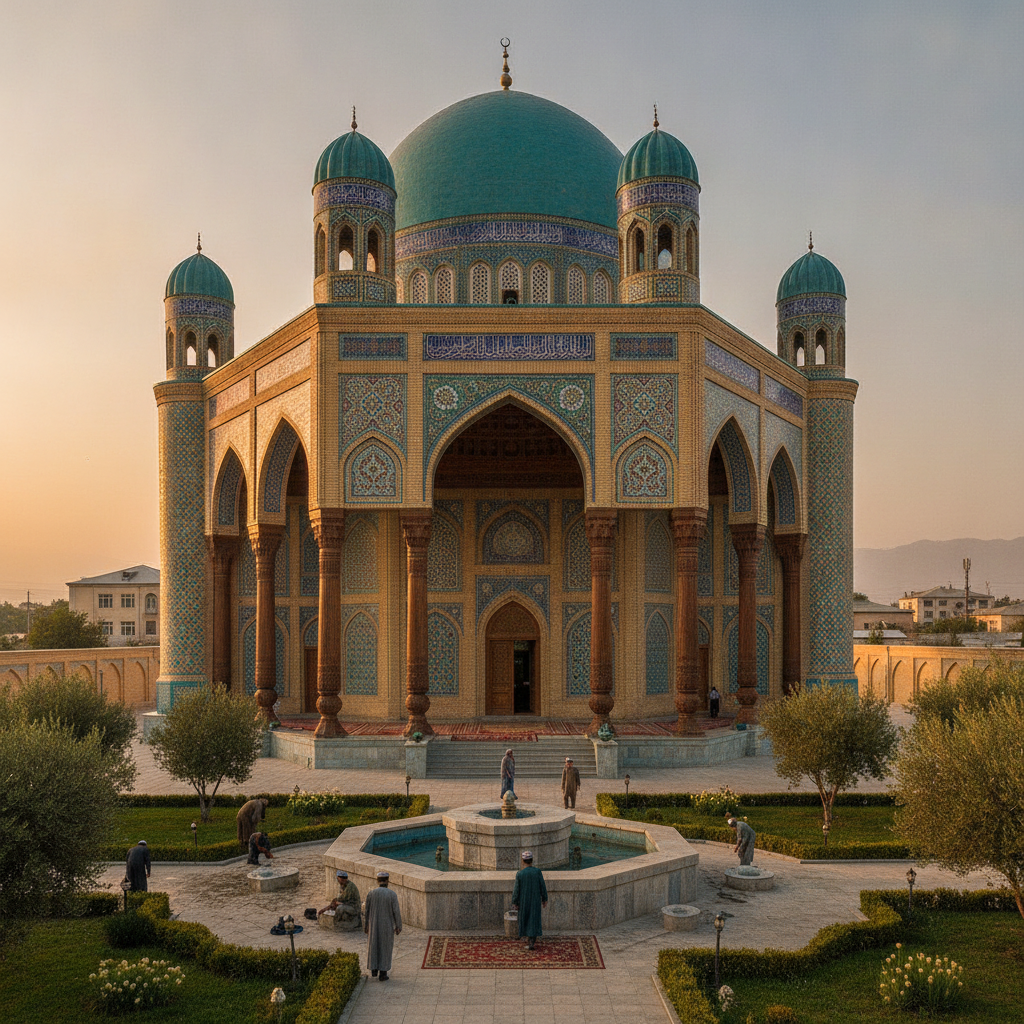
Khoja Amin Kabri Mosque Complex
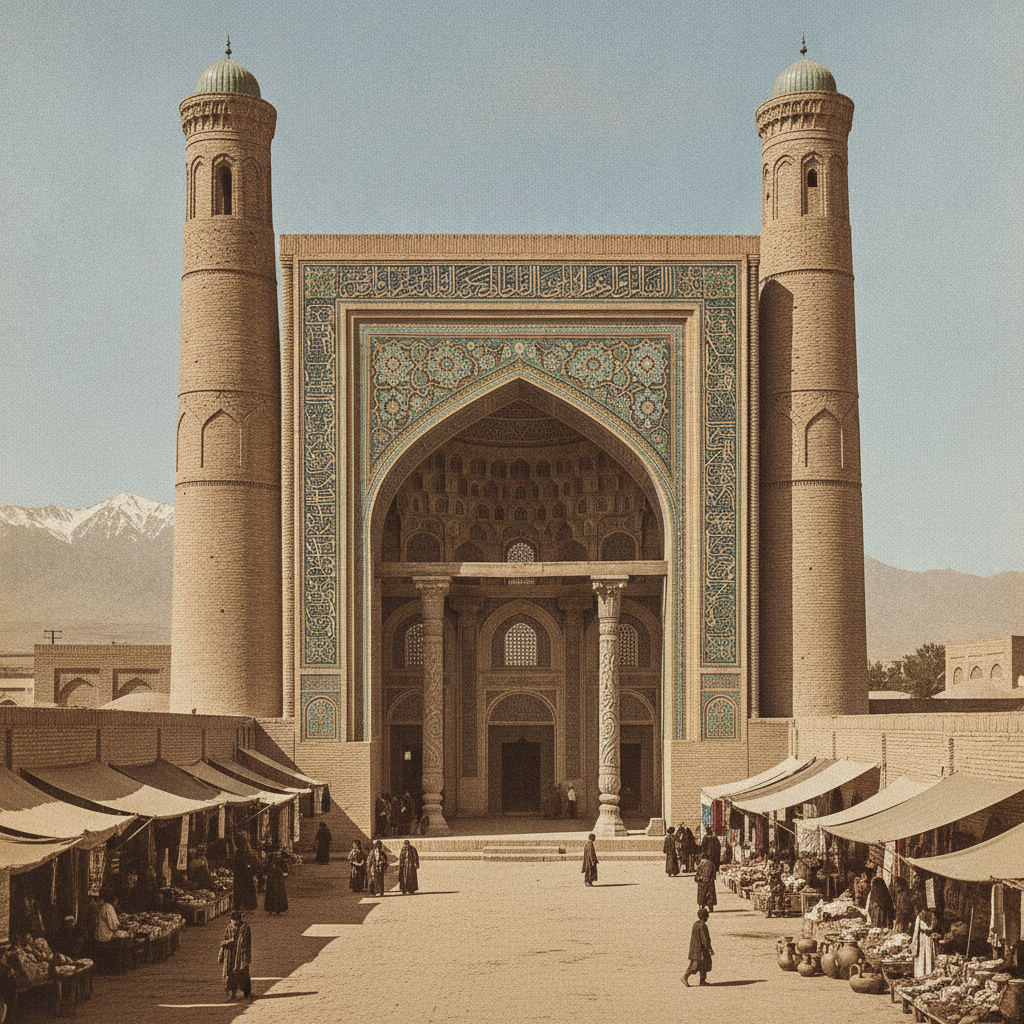
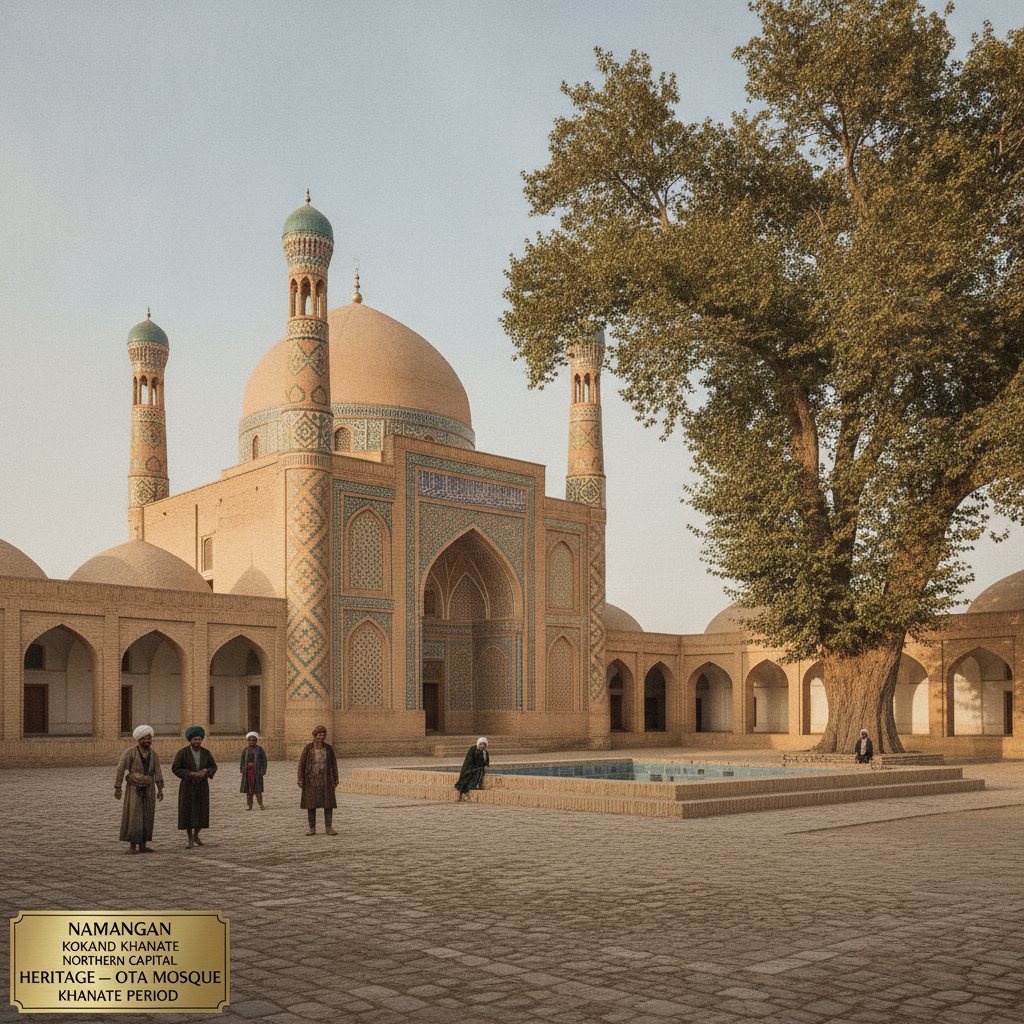
The Khoja Amin Kabri mosque complex — one of the historic mosques of Namangan built in the 19th century during the Kokand Khanate period, the complex with its carved wooden columns, decorated portal, and the attached cemetery containing the graves of local religious figures, the mosque representing the architectural ambition of the khanate's northern Fergana capital.
- 2
Namangan Central Bazaar
The Namangan central bazaar — the commercial heart of the city where the agricultural produce of the northern Fergana Valley is traded alongside the manufactured goods and craft products of the region, the bazaar one of the largest in Uzbekistan serving a city of nearly 600,000 people and the rural population of the northern valley.
- 3
Old Mahalla Neighborhoods
The old mahalla neighborhoods of Namangan — the traditional quarter structure of mud-brick courtyard houses organized around neighborhood mosques and teahouses, the alleyways and courtyard walls of the residential quarters preserving the traditional urban fabric of a Central Asian city that grew organically over several centuries of settlement.
- 4
Mulla Kyrgyz Mosque
The Mulla Kyrgyz Mosque of Namangan — the historic religious building from the Kokand Khanate period whose architectural details reflect the craftsmen brought from different parts of Central Asia to build the mosque and madrasa complexes of the prosperous northern city, the building surviving as evidence of the pre-Russian urban culture of Namangan.
- 5
Religious Significance Post-Soviet
The religious significance of Namangan in post-Soviet Central Asia — the city's reputation as one of the most pious cities in Uzbekistan, the concentration of active mosques and religious activity that made the city a center of Islamic revival after independence in 1991 and also a focus of government concern about religious extremism in the late 1990s.
- 6
Namangan Textile Market
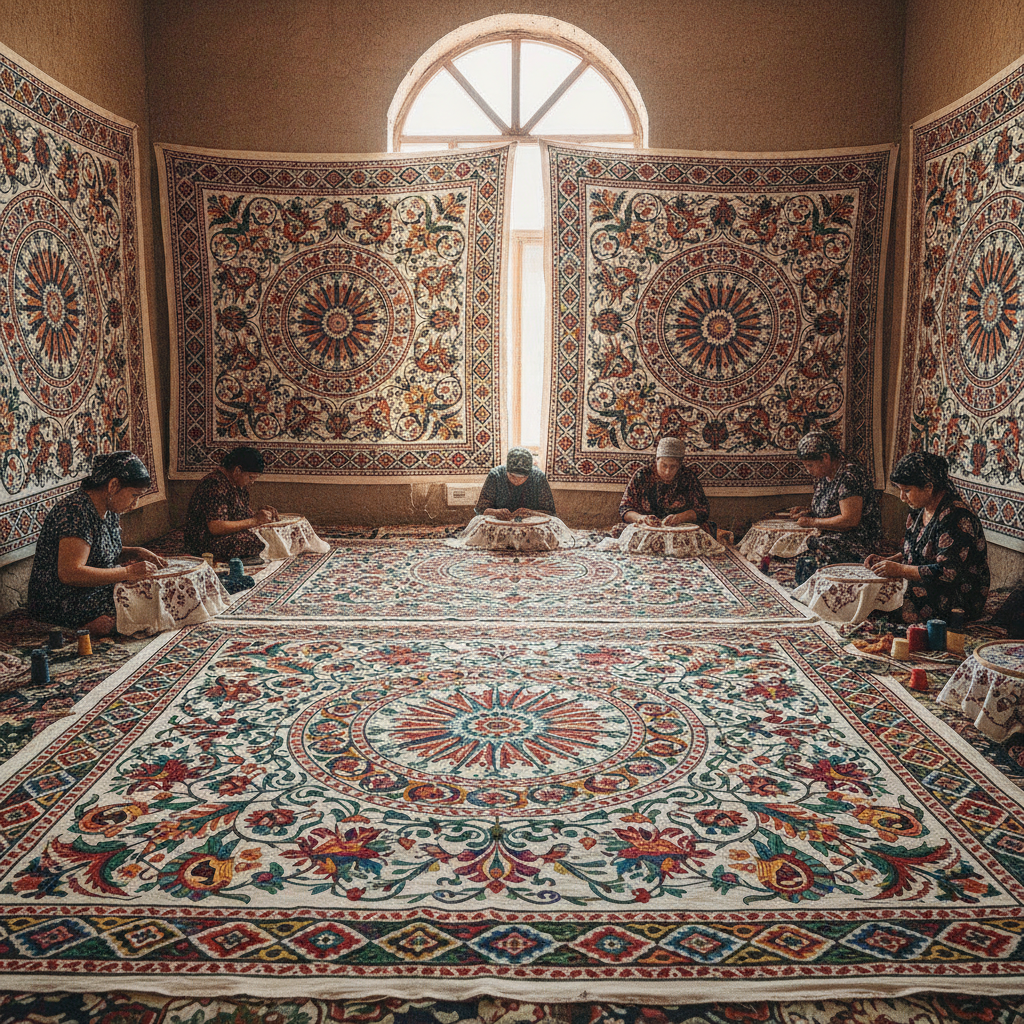
The textile market of Namangan — the city's historical specialization in silk and cotton fabric production visible in the fabric sections of the bazaar, the city whose 19th-century prosperity was built on silk textile production alongside the agricultural output of the fertile northern valley, the contemporary market selling both locally produced and imported fabric.
Walk this route with audio
Stories play automatically as you reach each stop — no tapping needed.
More in namangan
Namangan Kokand Khanate Northern Capital Heritage
Namangan Soviet Industrial Legacy Textile City
Namangan Islamic Revival Mosques Religious Life
Namangan Northern Fergana Valley Landscape
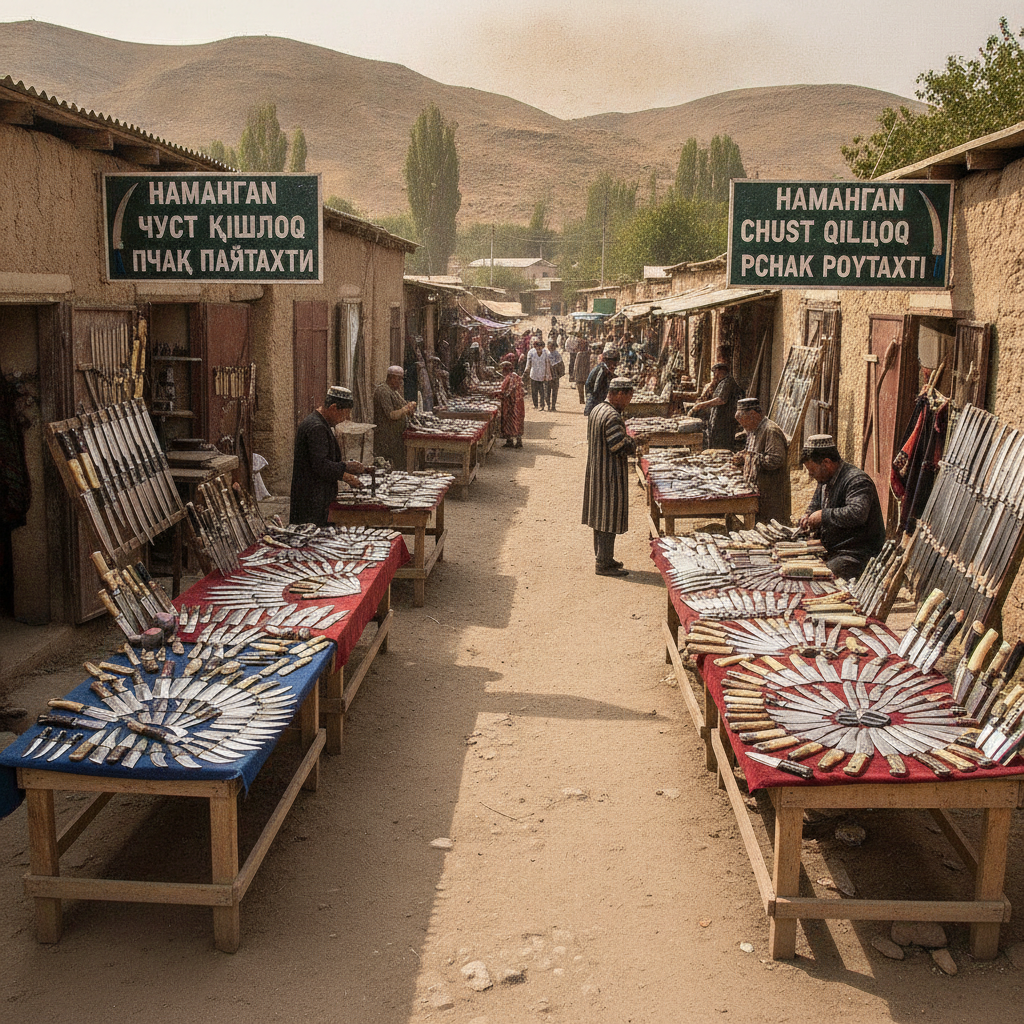
Namangan Chust Village Pchak Knife Capital