Padang Teluk Bayur Port & Trade History Walk
Explore Padang's port heritage — Teluk Bayur port south of the city handles the bulk export of West Sumatra's agricultural products and minerals, a function that has defined Padang's role as the economic gateway of the Minangkabau highland economy since the Dutch colonial era.
- 1
Teluk Bayur Harbour View
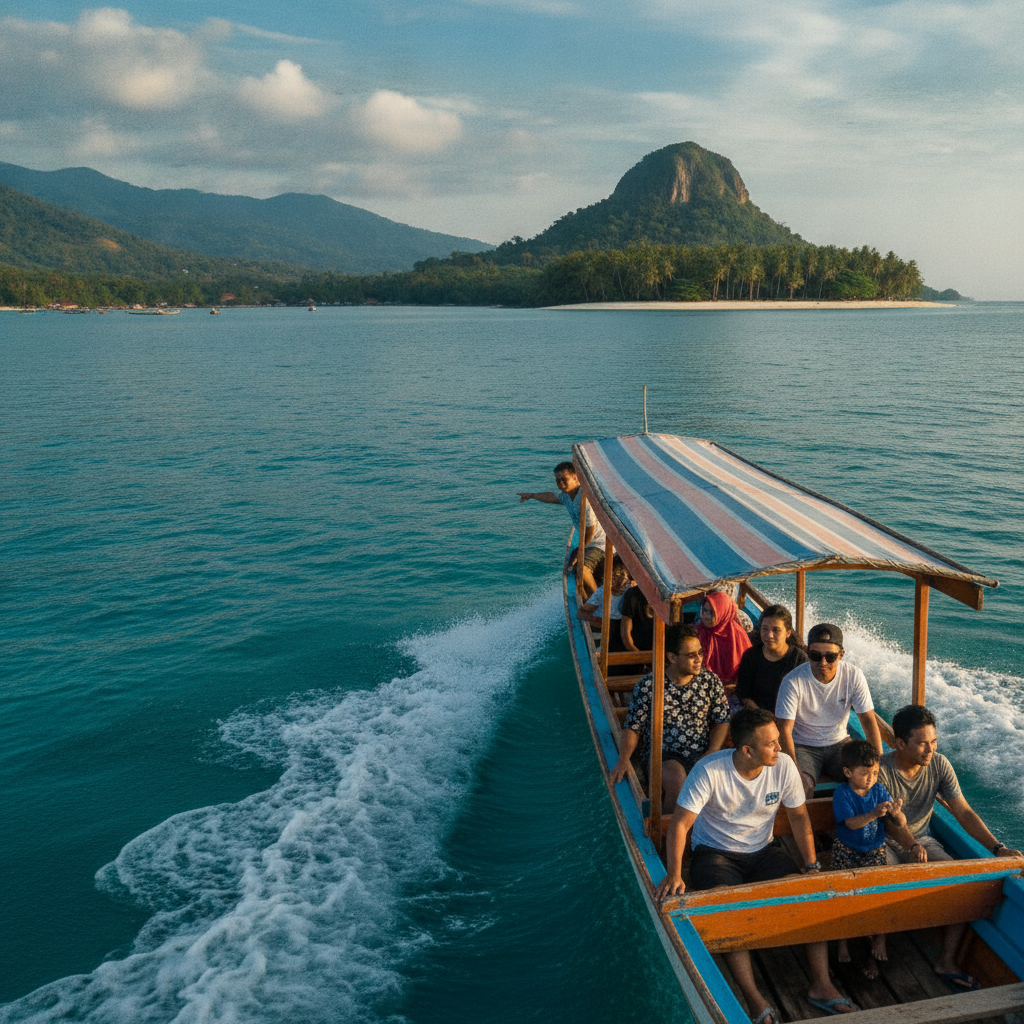
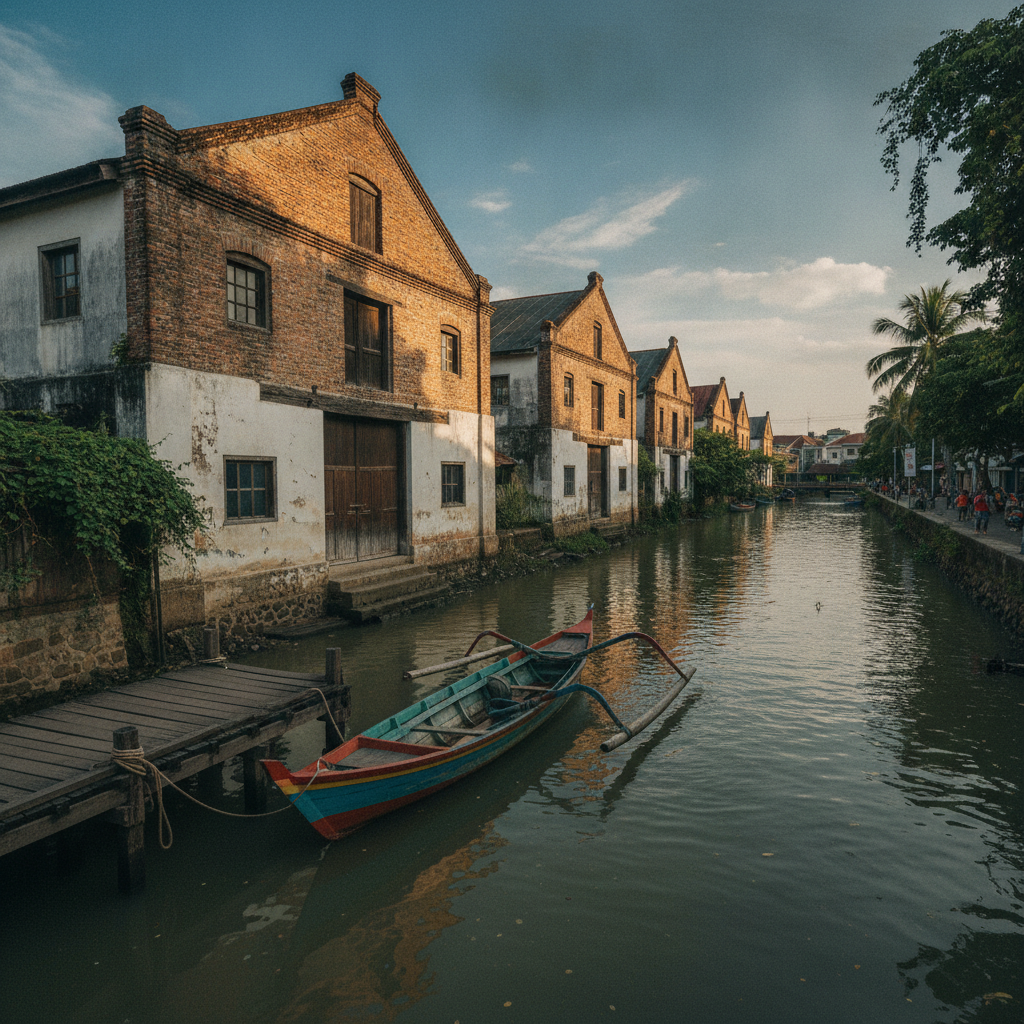
Teluk Bayur (formerly Emmahaven) is West Sumatra's primary deep-water port — the natural harbour in the bay south of Padang handles the export of cement, coal, and palm oil that constitute the bulk of West Sumatra's export economy, and the cargo ships visible in the bay loading their bulk cargo represent the continuation of the trading function that the Dutch colonial government developed when they constructed the port in the 1890s to handle the growing volume of agricultural exports from the plantation estates of the West Sumatra interior.
- 2
Colonial Port Infrastructure
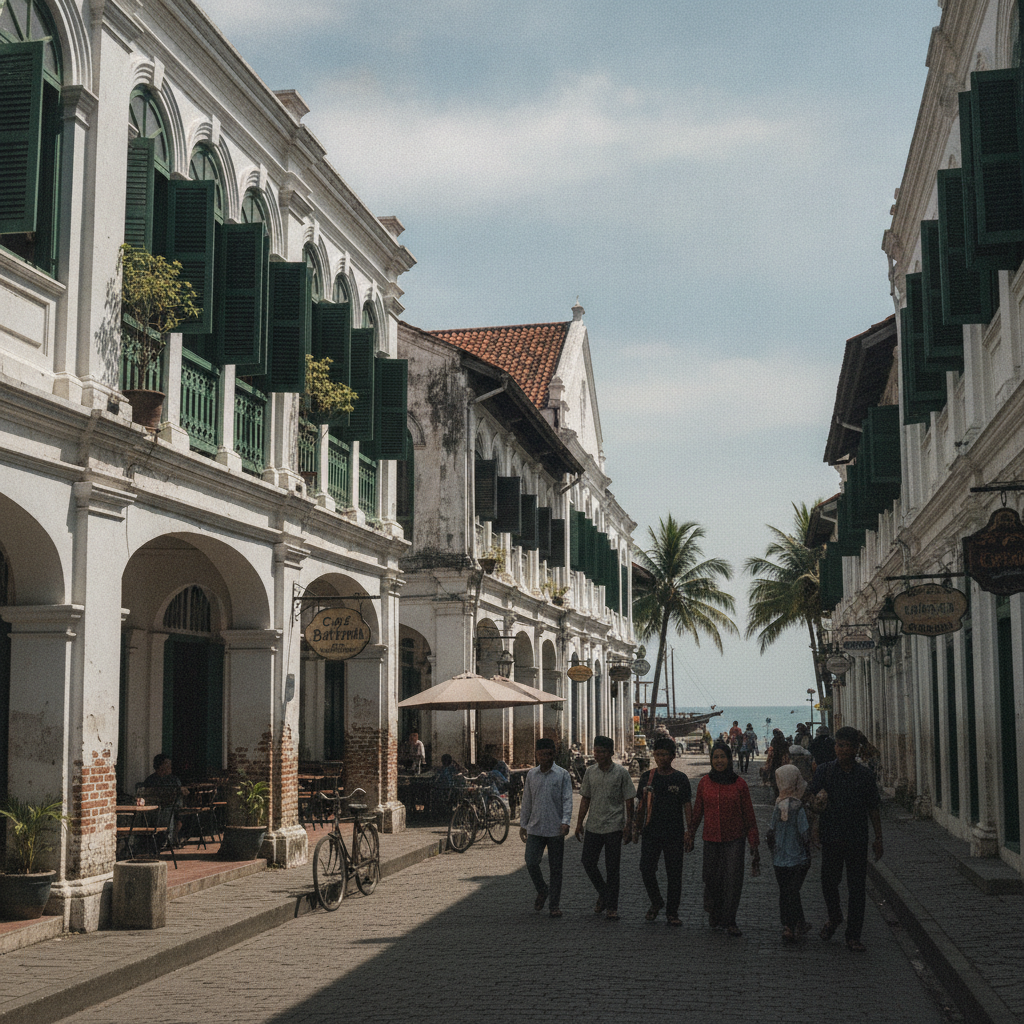
The colonial-era port infrastructure at Teluk Bayur was constructed to connect the highland plantation economy with the export market — the original Dutch harbour works, the railway that connected Padang to the highland mining and agricultural areas, and the warehousing built to handle the tobacco, rubber, and cinnamon exports of the 19th and early 20th centuries represent the physical infrastructure of a colonial extractive economy whose basic geography of highland production and coastal export continues to define West Sumatra's economic structure.
- 3
Padang Railway Heritage
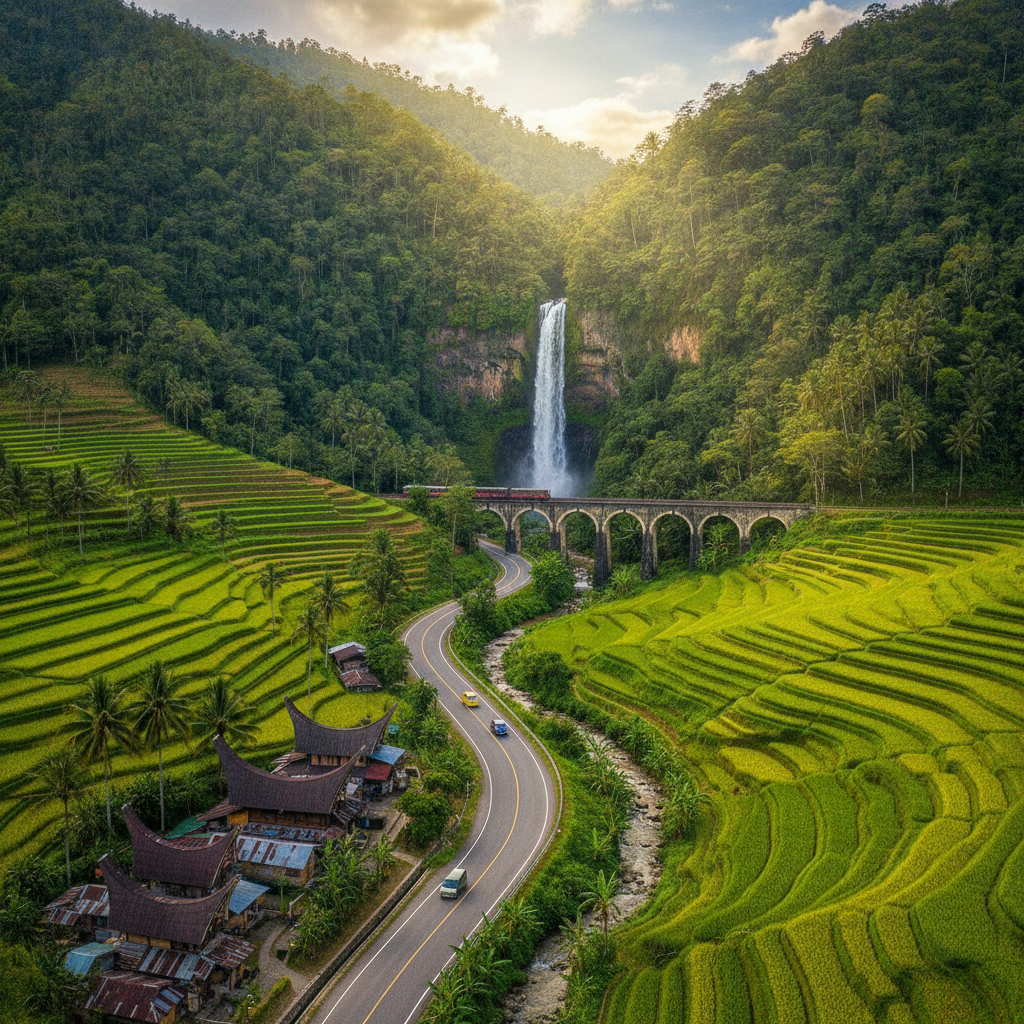
The Padang railway network, built by the Dutch colonial government in the 1890s to connect the highland coal mines at Sawahlunto with the Teluk Bayur port, is one of the most historic railway systems in Indonesia — the Emmahaven railway that traversed the dramatic highland terrain required significant engineering works including tunnels and viaducts, and the line through the Anai Canyon was considered one of the engineering achievements of colonial railway building in Southeast Asia. The railway continues to operate on some sections as both freight and tourist service.
- 4
Sawahlunto Coal Heritage Town
Sawahlunto, the coal mining town 90km northeast of Padang connected by the colonial railway, has been designated a UNESCO World Heritage Site (2019) as part of the Ombilin Coal Mining Heritage of Sawahlunto — the intact colonial mining infrastructure, the workers' housing, the mining railway system, and the mine headworks document the complete system of colonial industrial extraction that made West Sumatra's coal one of the most important energy resources of the Dutch East Indies. The transformation of Sawahlunto from an active mining town to a heritage tourism destination is one of Indonesia's most successful adaptive reuse projects.
- 5
Padang-Panjang Railway Scenic Route
The railway route from Padang through the Anai Valley to Padang Panjang in the highlands is one of Southeast Asia's most scenic railway journeys — the track ascending through the narrow Anai canyon, past waterfalls and dramatic rock formations, rising from sea level to over 700 metres in a journey of dramatic elevation change and spectacular tropical landscape. The route that the Dutch engineers constructed over a century ago still carries passengers through one of the most impressive railway corridors in Indonesia.
- 6
Cinnamon Export Heritage
West Sumatra's cinnamon (kayu manis) was one of the earliest and most valuable spice exports from the Padang region — the true cinnamon bark (Cinnamomum burmanni, sometimes called Padang cinnamon) grown in the Minangkabau highlands and exported through Padang's port was among the most prized spices in the European spice trade, and West Sumatra remains one of the world's largest cinnamon-producing regions. The spice that brought early European traders to Padang continues to be exported in bulk from Teluk Bayur port, connecting the colonial spice trade history with contemporary agricultural export commerce.
Walk this route with audio
Stories play automatically as you reach each stop — no tapping needed.