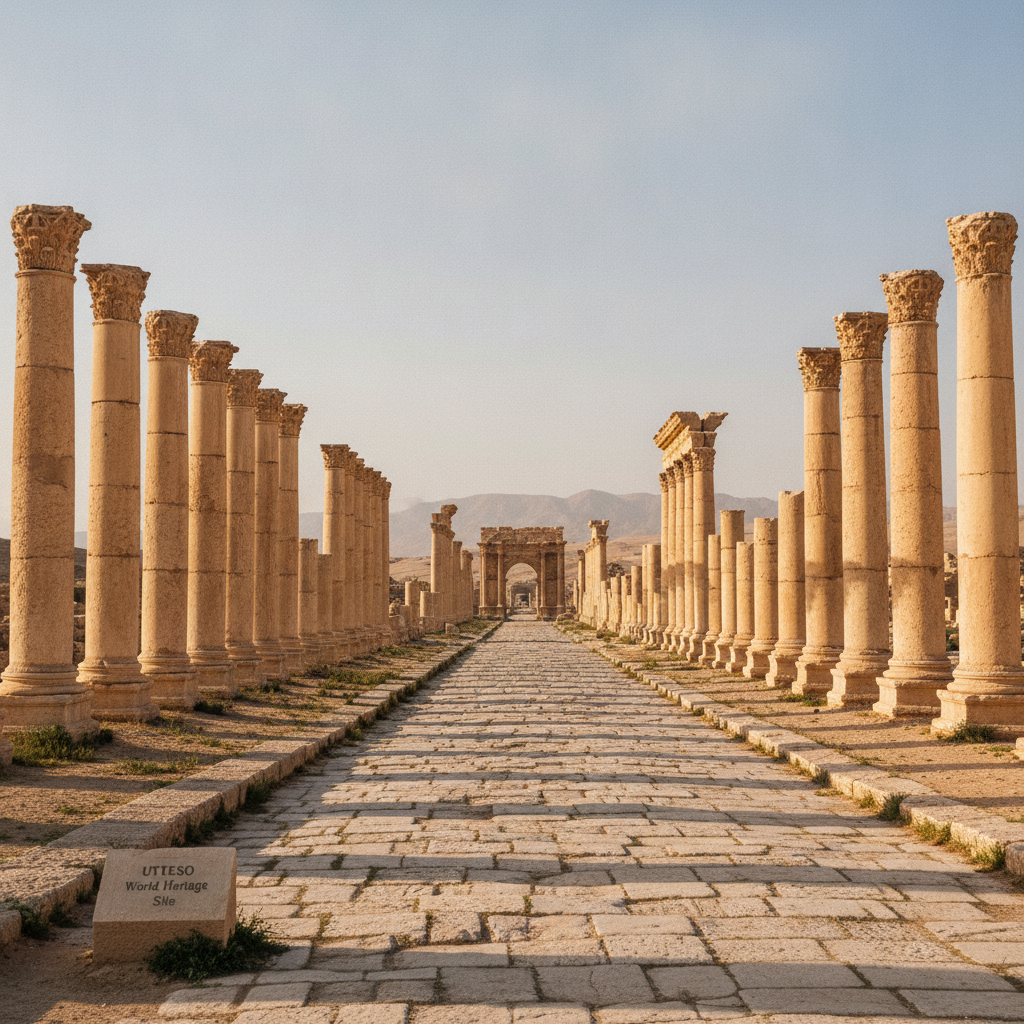
Palmyra Museum and Artistic Heritage
Visit the Palmyra Museum whose collections of Palmyrene sculpture, funerary portraits, and everyday objects from the ancient city represent the most distinctive artistic tradition of the ancient Middle East, the unique synthesis of Parthian and Roman art that developed in this desert trading city.
- 1
Museum Collections
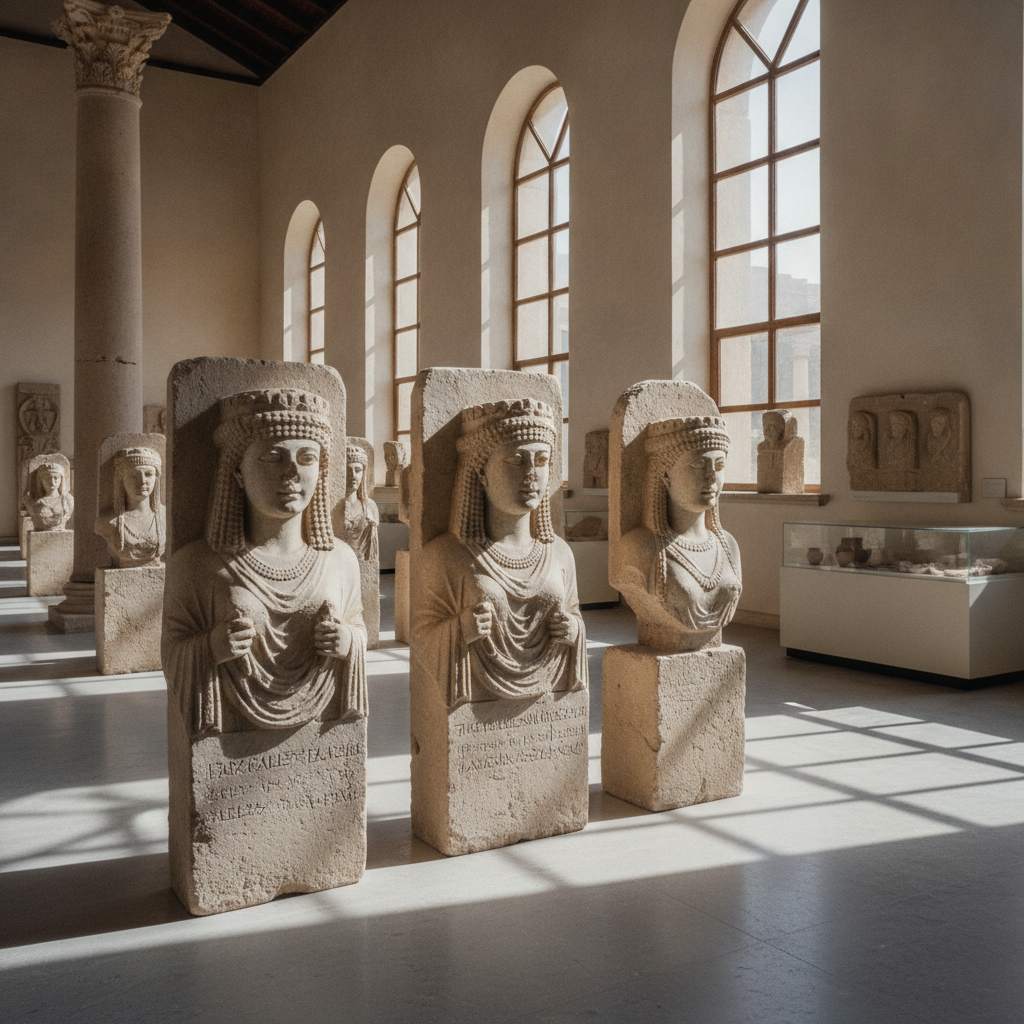
See the Palmyra Museum collections of ancient artifacts that survived the civil war period, the sculptures, inscriptions, and objects from the ancient city demonstrating the extraordinary artistic achievement of a desert trading civilization at the crossroads of empires.
- 2
Palmyrene Sculpture
Examine the Palmyrene sculpture in the museum where the distinctive frontal style with its stylized features, elaborate jewelry, and direct gaze represents a unique artistic tradition combining Parthian frontality with Roman portrait realism.
- 3
Funerary Banquet Reliefs
See the funerary banquet reliefs from Palmyra where the reclining deceased is shown surrounded by family members and servants in a scene borrowed from Greek funerary art but transformed by Palmyrene artistic conventions into a distinctive local tradition.
- 4
Religious Objects
Find the religious objects from the Palmyrene sanctuaries including the votive reliefs showing the gods of the Palmyrene pantheon, the tesserae used for religious banquets, and the incense altars of the desert city religious life.
- 5
Trade Objects
See the trade objects from Palmyra including the silk textiles, Chinese lacquerware, and Indian spices found in the ancient city that demonstrate the extraordinary reach of Palmyrene trade networks across the ancient world.
- 6
Post-War Assessment
Learn about the assessment of the Palmyra Museum after the ISIS occupation when the collection was found to have suffered significant damage and looting, the international effort to document and recover the lost objects and restore those that remained.
Walk this route with audio
Stories play automatically as you reach each stop — no tapping needed.