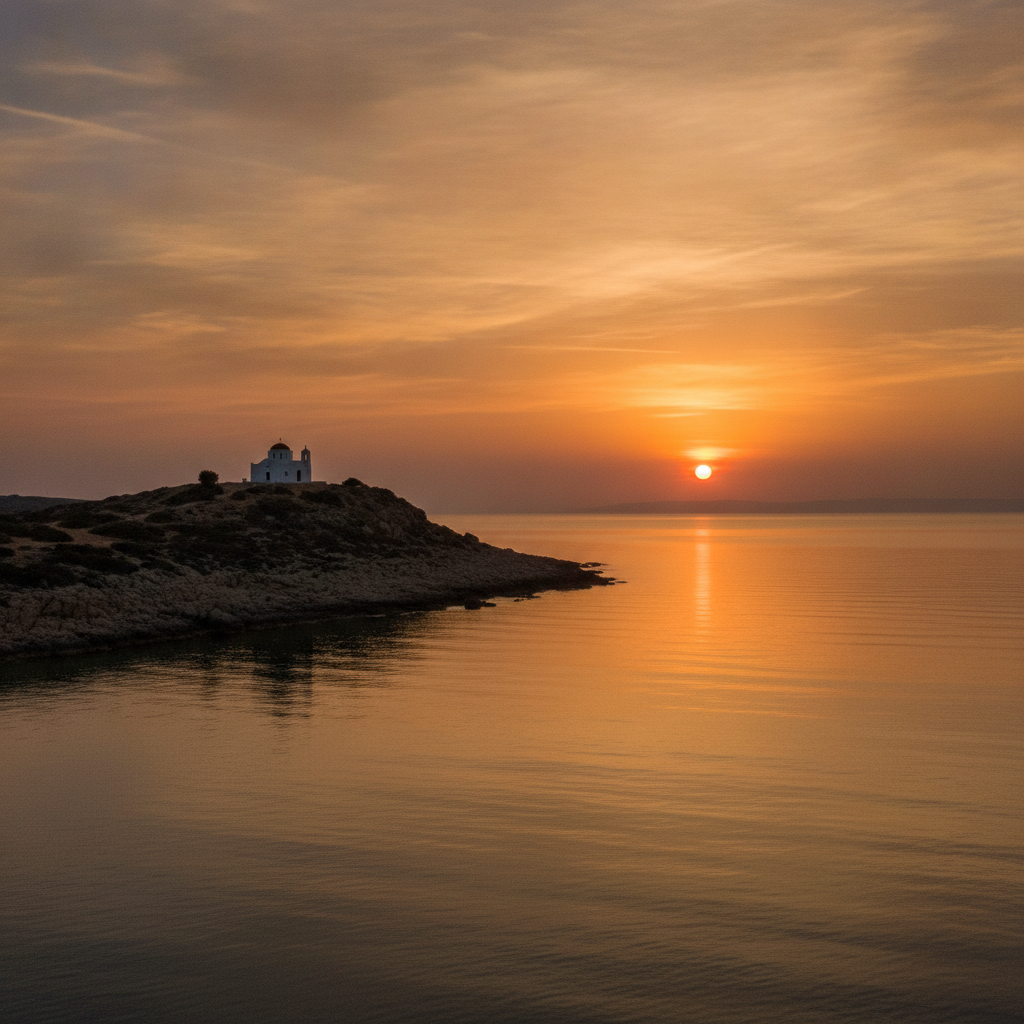
Paphos: UNESCO Roman Mosaics, Aphrodite's Mythological Birthplace, the Tombs of the Kings Necropolis, the Crusader Harbor Castle, Ayios Neophytos Byzantine Monastery, and the Aphrodite Open-Air Opera
Paphos, the UNESCO World Heritage western Cyprus city, is the mythological birthplace of Aphrodite and the site of the finest Roman mosaic floors in the eastern Mediterranean, combining the 3rd century AD Dionysus mosaic narratives, the rock-cut Hellenistic necropolis, the layered Crusader castle, the 12th century cave monastery of Neophytos, and the annual harbor opera festival.
- 1
Paphos Archaeological Park: The Roman Mosaics
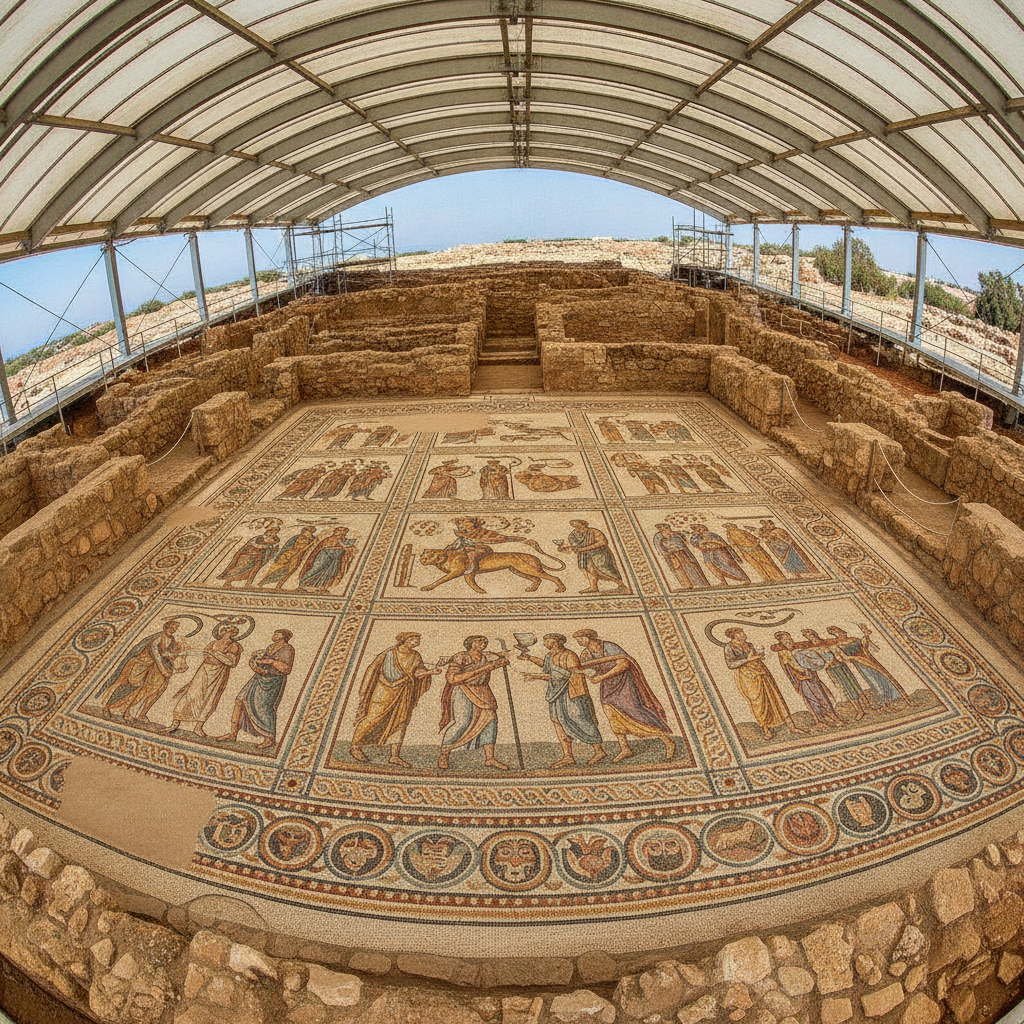
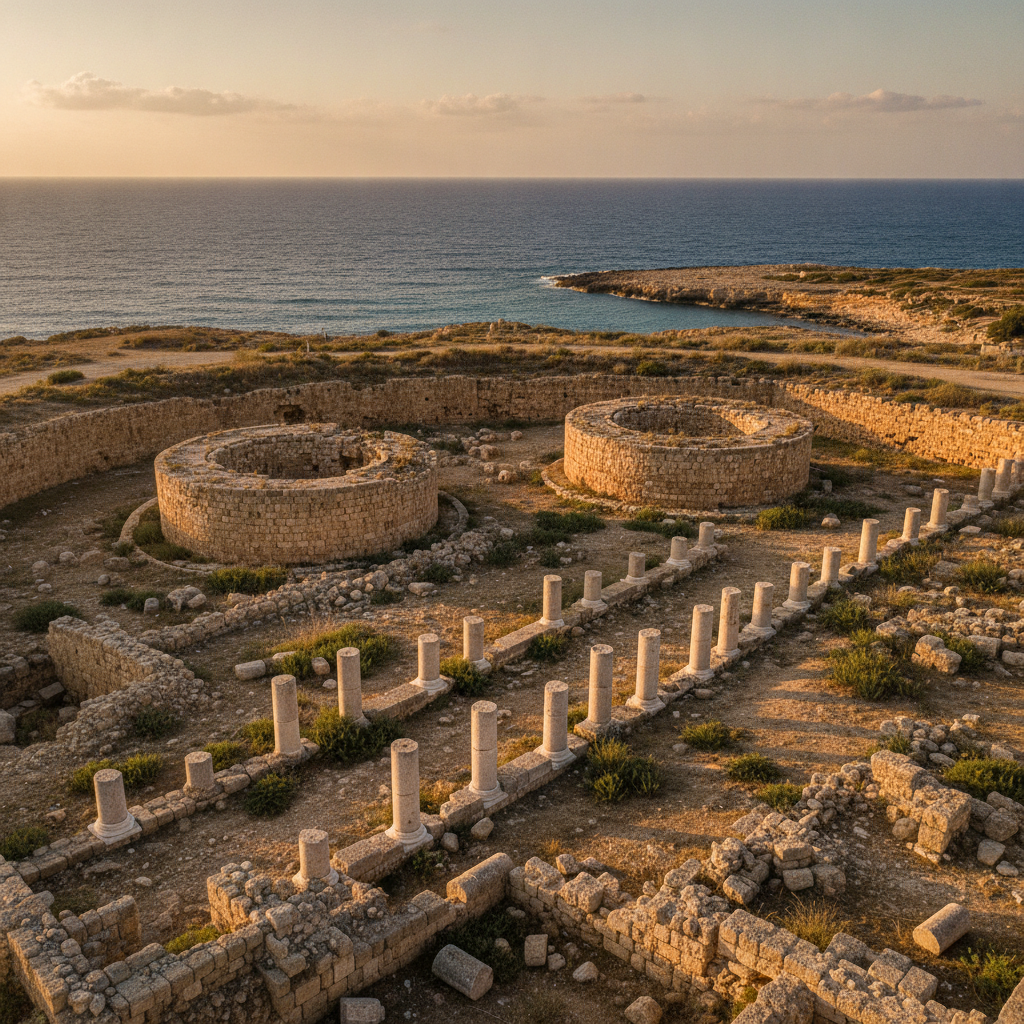
Paphos Archaeological Park on the harbor promontory, a UNESCO World Heritage Site encompassing the most spectacular Roman mosaic floors in the eastern Mediterranean, includes the Houses of Dionysus, Theseus, and Aion where the mythological narrative floors of the 3rd and 4th centuries AD survive in near-complete condition, with the Dionysus House alone containing 2,000 square meters of mosaic floor depicting the wine god's legendary encounters in scenes of the most refined classical artistry available in any provincial Roman site.
- 2
Petra tou Romiou: Where Aphrodite Emerged
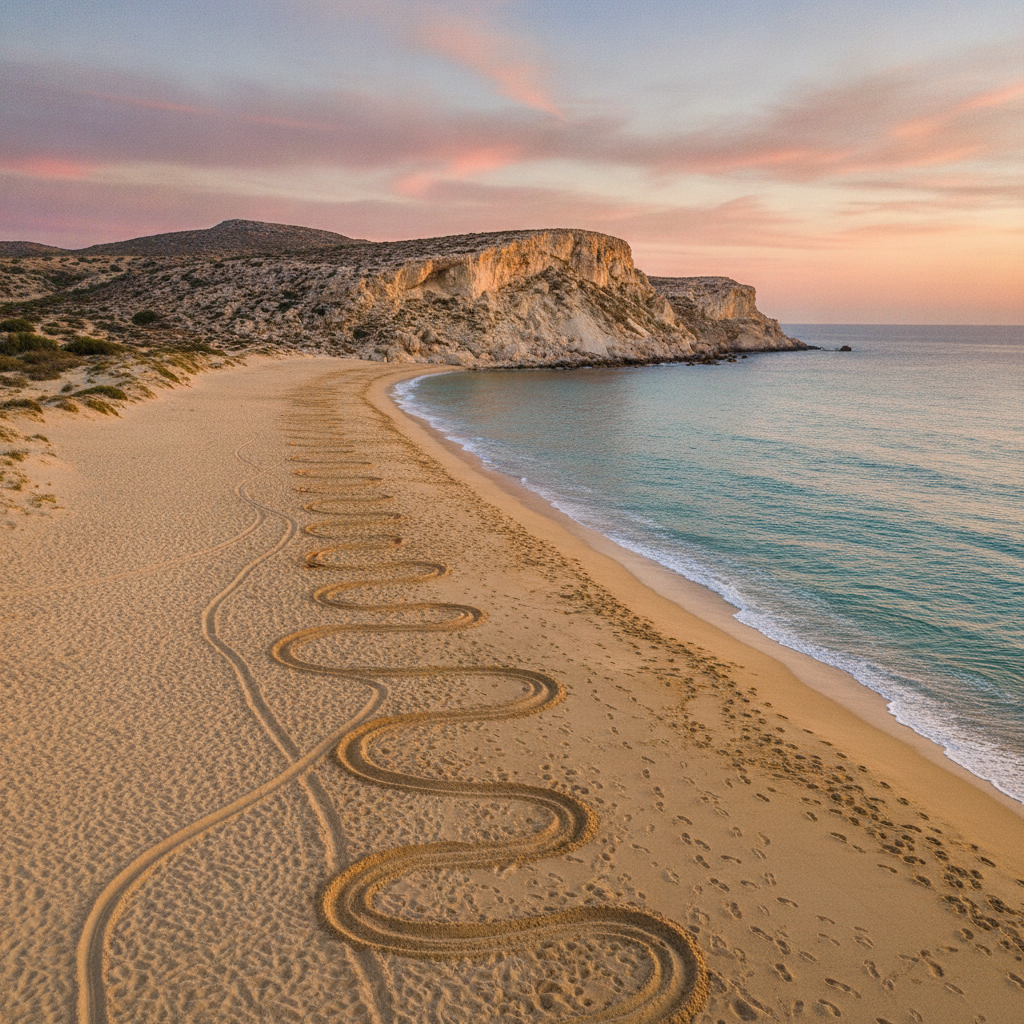
The Petra tou Romiou, the sea stack on the southwest Cyprus coast 25 kilometers east of Paphos, identified by ancient Greek tradition as the birthplace of Aphrodite who rose from the sea foam created when the severed genitals of Uranos were cast into the sea, is the most mythologically significant coastal site in Cyprus and one of the most visited natural landmarks in the eastern Mediterranean. The beach at the base of the rock stack is considered sacred to Aphrodite and the location is used for the annual Aphrodite Festival performances.
- 3
Tombs of the Kings: The Underground Necropolis
The Tombs of the Kings, the 4th century BC underground rock-cut necropolis north of Paphos harbor where the Ptolemaic nobility were buried in chambers decorated with Doric columns carved from the living rock in imitation of the palatial architecture of the living, is the most atmospheric ancient monument in Paphos and the site that most clearly demonstrates the cosmopolitan Hellenistic culture of the wealthy Cypriot landowners who competed with the Alexandrian elite for the symbols of civilized burial.
- 4
Paphos Castle and the Medieval Harbor
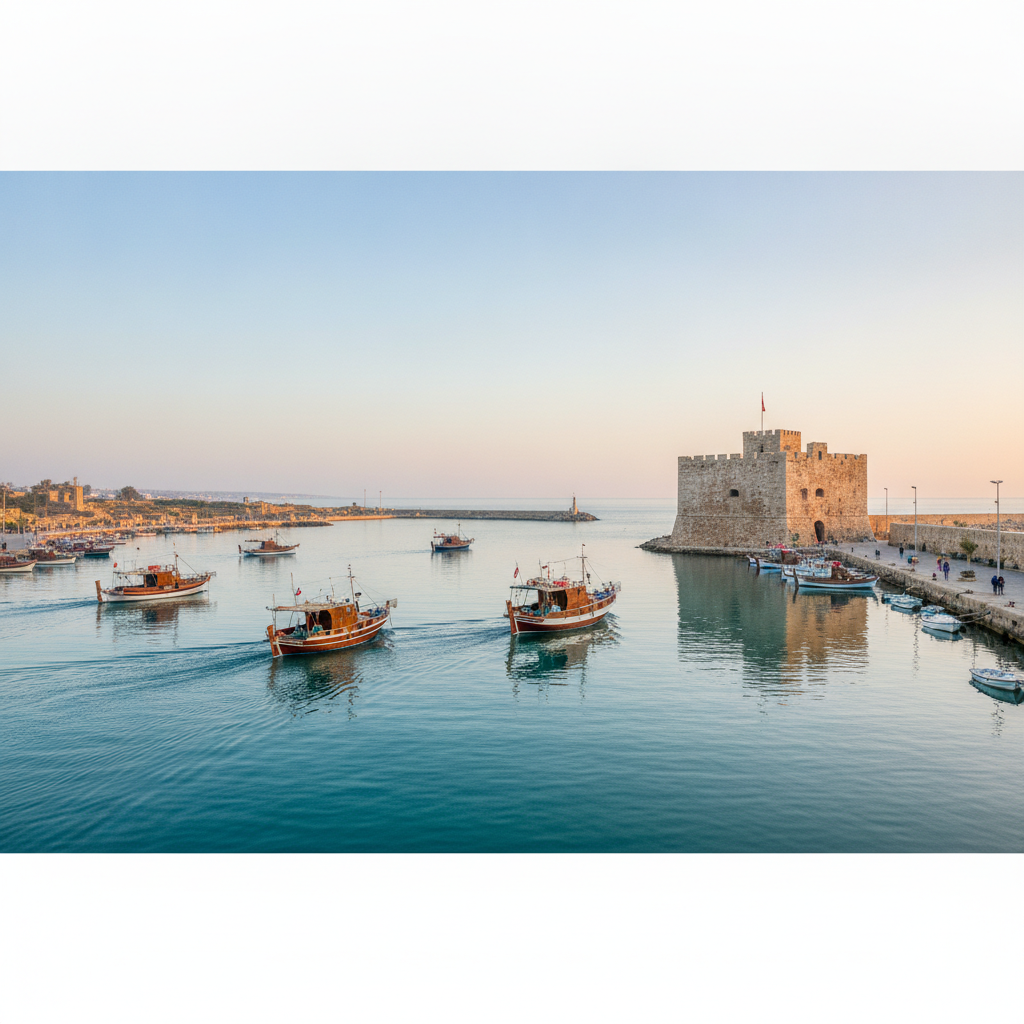
Paphos Castle at the harbor entrance, the Byzantine watchtower rebuilt by the Lusignan Crusaders in the 13th century, used as a prison by the Ottomans, and captured by the British in 1878, is the most layered historical structure in Paphos for the sequence of occupations it represents. The Paphos harbor front of the fishing boats, the restaurants, and the castle creates the most photogenic urban waterfront in western Cyprus.
- 5
Ayios Neophytos Monastery: The Hermit Saint
Ayios Neophytos Monastery 9 kilometers north of Paphos, founded in 1159 by the hermit monk Neophytos who carved his cell and his oratory from the living rock of the cliff and decorated the walls with the finest Byzantine frescoes in Cyprus in a program of 12th century painting of extraordinary iconographic richness, is the most intimate and most beautiful Byzantine monastery in Cyprus. The Enkleistra, the carved rock cell of Neophytos, preserves the frescoes that Neophytos himself chose as the visual program of his solitary life.
- 6
Paphos Aphrodite Festival: The Opera on the Sea
The Paphos Aphrodite Festival, the annual open-air opera production held in the Paphos Castle harbor setting in September, is the most beautiful opera venue in the eastern Mediterranean, with the castle lit against the night sky and the harbor as the natural amphitheater for the major opera productions that the Cyprus Grand Opera presents each year. The festival, established in 1999, has presented major productions with international casts in a setting that no European opera house can replicate.
Walk this route with audio
Stories play automatically as you reach each stop — no tapping needed.
More in Paphos
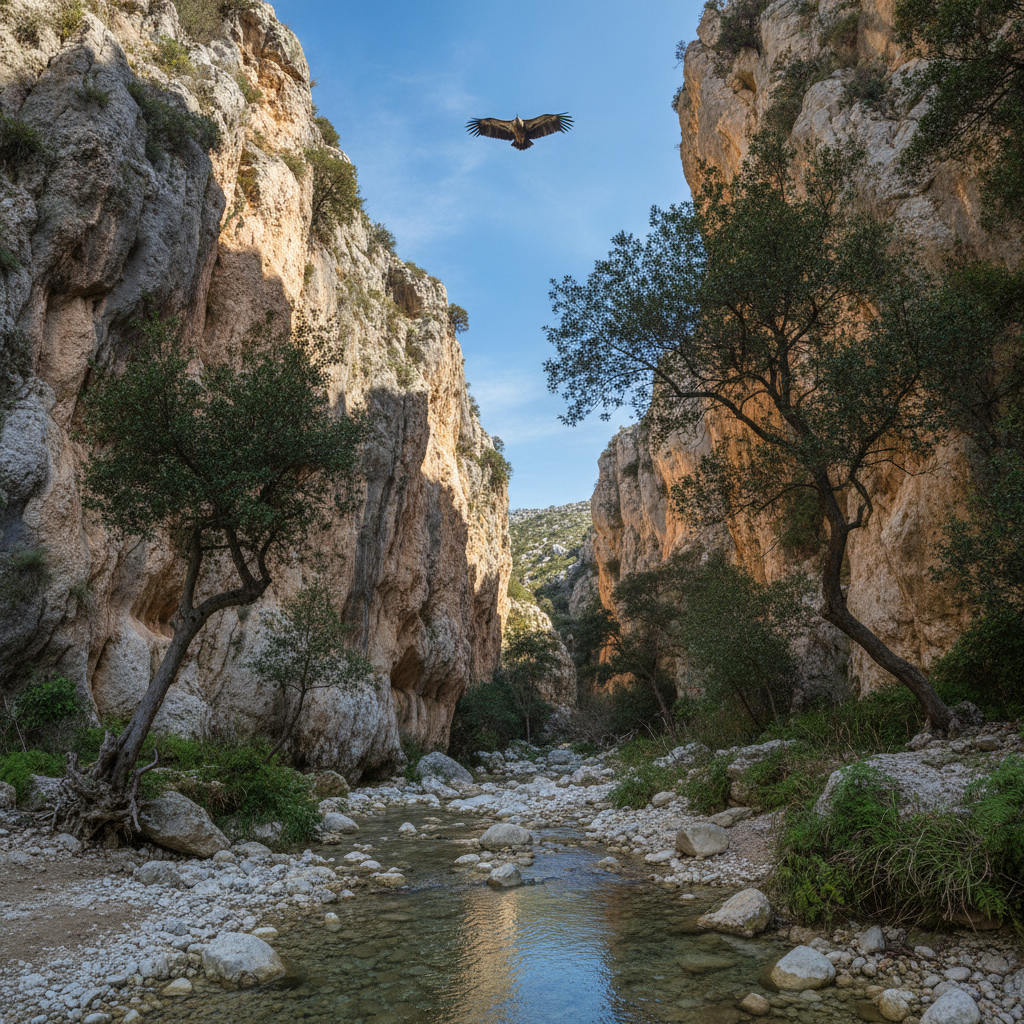
Paphos Village and Nature: Avakas Gorge Slot Canyon, Geroskipou Sweet Village, Summer Panegyri Festivals, Paphos New Town Infrastructure, the Day Activity Compression, and the Aphrodite Island Legacy Brand
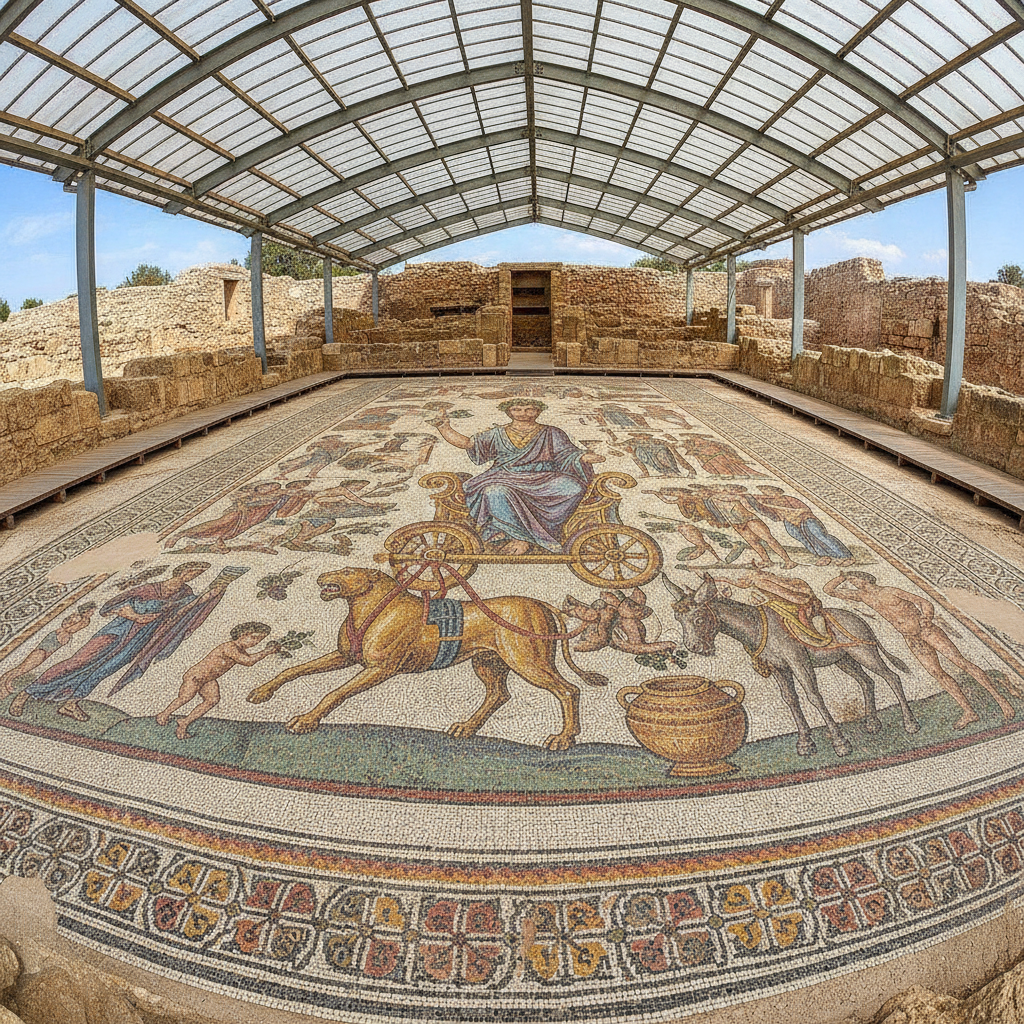
Paphos Archaeological Deep Dive: Dionysus Mosaic Panels, the House of Theseus Roman Governor, the Aion Theological Program, Early Christian Sergius Paulus Conversion, Mountain District Villages, and Paphos as Roman Provincial Capital
Paphos Nature and Departure: Cedar Forest Mouflon, Peyia Village and Sea Caves Coastline, Aphrodite Hills Golf, Byzantine Icon Painting Workshops, Indigenous Xynisteri and Maratheftiko Wine, and the Archaeological Final Walk
Paphos Nature and Villages: Coral Bay Beach, Akamas Turtle Peninsula, the Baths of Aphrodite Walking Trail, Laona Plateau Wine Villages, the Ancient Palaipafos Aphrodite Sanctuary, and Paphos Airport Practical Guide
Paphos Diving, Medieval Heritage, Festivals, Road Trips, Byzantine Churches, and the Day Trip Base Network