Patan Durbar Square Medieval Heritage Walk
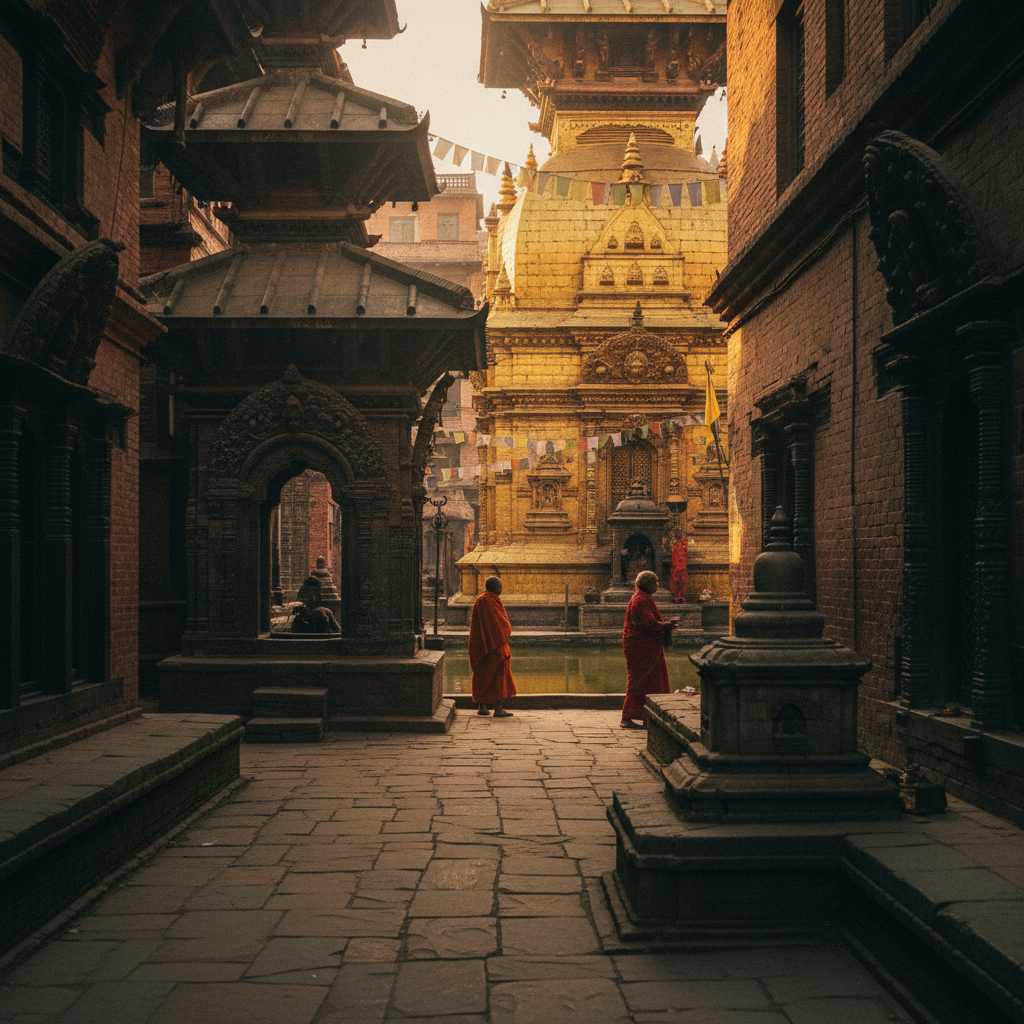
Explore Patan's royal square — the Patan Durbar Square is the most completely Newari-architecturally preserved single medieval royal square accessible in Nepal, the concentration of the triple-roofed pagodas, the gilded Krishna Mandir, and the ancient royal palace creating the most architecturally dense single heritage space in the Kathmandu valley.
- 1
Krishna Mandir Temple
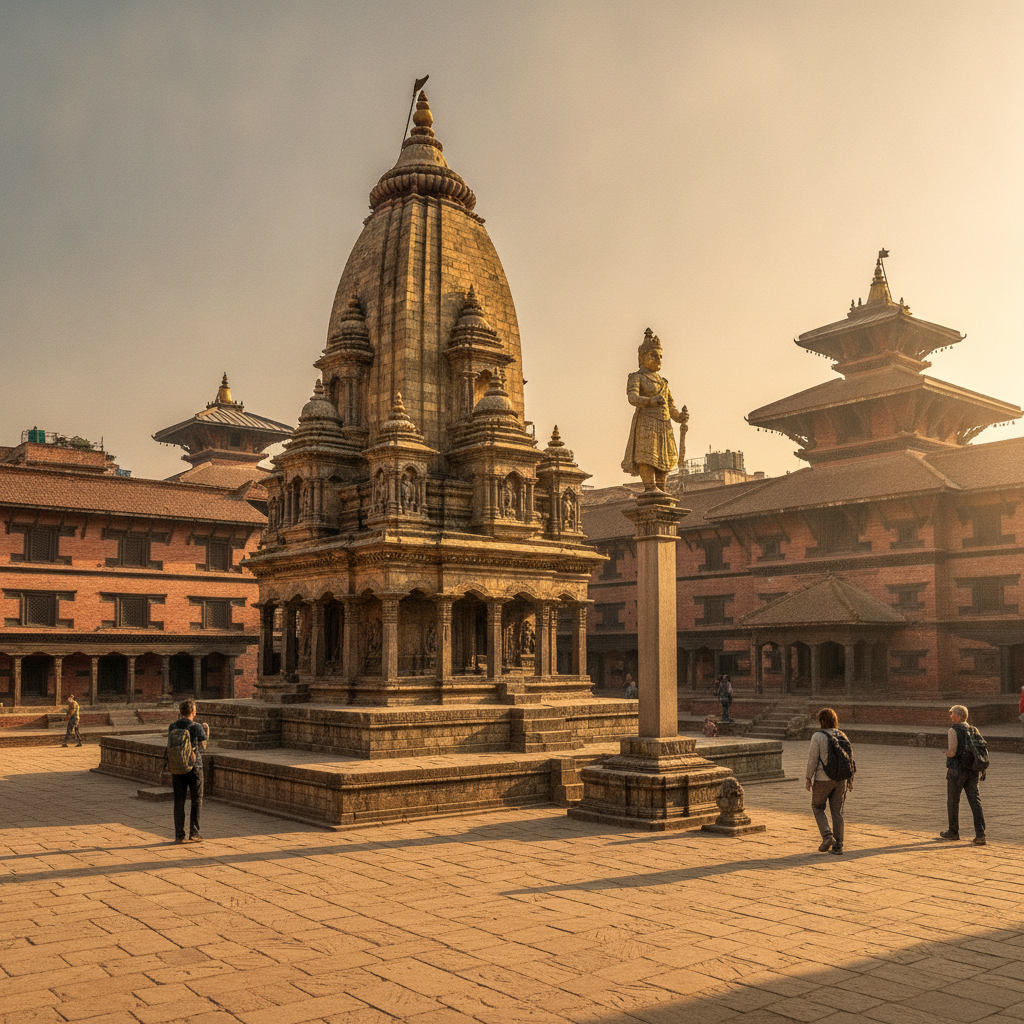
The Krishna Mandir in Patan Durbar Square (the 17th century stone temple dedicated to the Hindu god Krishna, the most architecturally distinctive single temple in the Patan royal square — its sikhara-style tower in the North Indian temple form contrasting with the surrounding Newari pagoda temples, the 21 golden spires of the shikhara tower visible above the surrounding temple complex) is the most architecturally unique single religious building accessible in the Kathmandu valley — the temple's construction history (commissioned by King Siddhi Narasimha Malla in 1637, the most completely documented single temple construction record accessible in the Nepal medieval history) and the temple's relief carvings (the stone friezes depicting the complete Mahabharata and the Ramayana epic narratives running around the temple's lower levels, the most completely epic-narrative-carved single temple surface accessible in Nepal outside the Changu Narayan temple) create the most historically significant single stone temple encounter accessible in the Patan heritage circuit.
- 2
Patan Royal Palace Museum
The Patan Museum in the old royal palace complex (the most completely curated single museum of Newar art and culture accessible in the Kathmandu valley, housed in the restored wing of the Malla-period royal palace that was the most important single royal court of the Lalitpur kingdom) is the most intellectually enriching single heritage encounter accessible in the Patan Durbar Square visit — the museum's collections (the 12th-18th century bronze casting, the stone sculpture, and the painted manuscripts that together constitute the most comprehensive single collection of Newari Buddhist and Hindu art accessible anywhere in the world, the individual objects displayed in the most contextually informative single museum environment accessible in Nepal) and the museum's building (the restored courtyard palace architecture, the wooden windows, the carved beam-ends, and the traditional Newari building forms that are as informative as the collections they house) create the most completely Newari-culturally educating single museum visit accessible in Nepal.
- 3
Bhimsen Temple
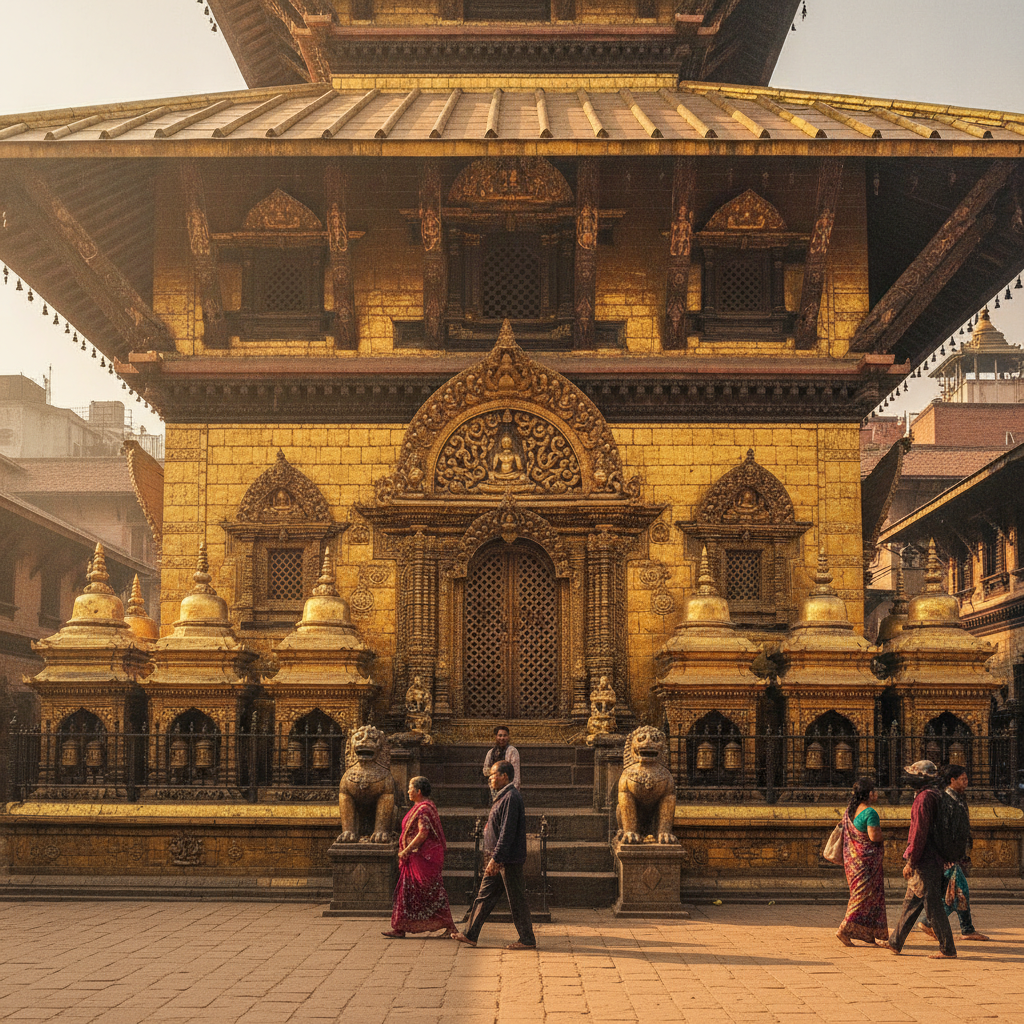
The Bhimsen Temple at the northern end of the Patan Durbar Square (the three-tiered pagoda dedicated to Bhimsen — the Newari patron deity of merchants and traders — the most commercially significant single temple in the Patan heritage circuit, its prominent position at the main market approach to the royal square reflecting the Newar trading community's historical centrality to Patan's urban economy) is the most culturally community-function-revealing single temple accessible in the Patan Durbar Square — the temple's merchant community connection (the traditional offering activity by the Newar business community visible at the temple's main door, the most directly contemporary community-religious practice accessible in the ancient temple precinct) and the temple's architectural character (the three-tiered form with the elaborately carved woodwork at each level, the roof struts carved with the most intricately detailed single wooden sculpture accessible at the northern end of the Durbar Square) create the most socially informative single temple visit accessible in the Patan royal square.
- 4
Mul Chowk Royal Courtyard
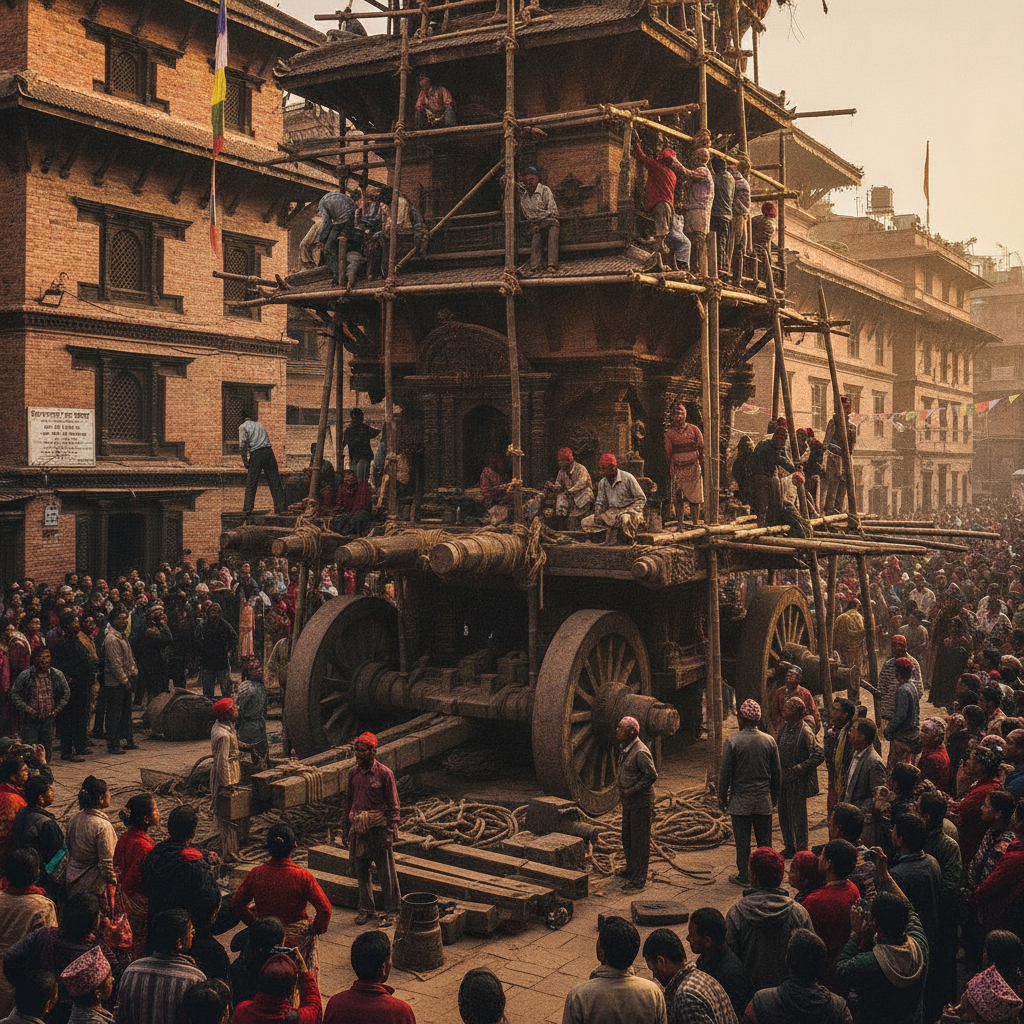
The Mul Chowk royal courtyard of the Patan palace (the inner courtyard of the ancient Malla royal palace, the most elaborately carved single palace courtyard accessible in Nepal — the gilded torana above each doorway, the carved wooden windows on all four sides, and the central Tusha Hiti royal bathing tank with its most intricate stone carving accessible in the valley's royal architecture) is the most architecturally detailed single palace space accessible in the Kathmandu valley — the courtyard's specific character (the intimate scale of the Mul Chowk contrasting with the public grandeur of the Durbar Square outside, the carved surfaces visible at arm's length creating the most directly detailed single stone and wood carving encounter accessible in Nepal) and the courtyard's ritual significance (the site of the most important royal ceremonies of the Malla kingdom, the central tank used for the purification rituals that are the most directly religiously functional single courtyard feature accessible in the Nepal palace heritage) create the most completely royal-ritual-architecture-experiencing single visit accessible in Patan.
- 5
Vishwanath Temple
The Vishwanath Temple in the Patan Durbar Square (the two-tiered pagoda dedicated to Shiva in his form as the Lord of the Universe, the temple famous for the stone elephants flanking the entrance stairway and the erotic carvings on the roof struts that are the most directly discussed single architectural element accessible at any Nepal pagoda temple) is the most conversation-provoking single temple in the Patan Durbar Square visit — the erotic strut carvings' specific explanation in the Newari tradition (the most commonly cited single architectural detail in the Nepal temple heritage circuit, the goddess of lightning's modesty in the face of the erotic imagery the traditional explanation for the placement of these carvings on the temple roof struts visible to the storm clouds above) and the temple's Shiva iconography (the large Shivalingam visible in the inner sanctum through the open doorway, the most directly Shaivite-symbolically recognisable single sacred object accessible at the Patan Durbar Square temple visit) create the most iconographically informative single temple encounter accessible in the square.
- 6
Durbar Square Sunset
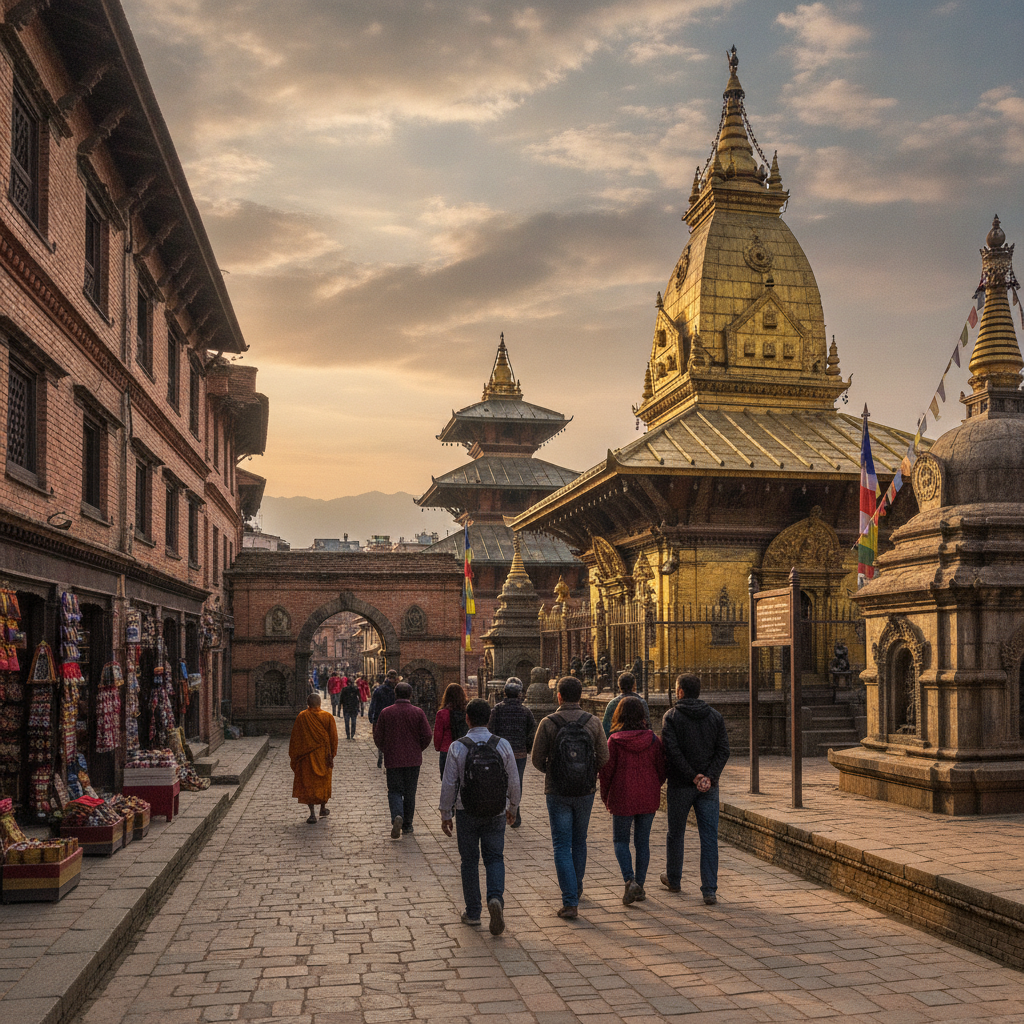
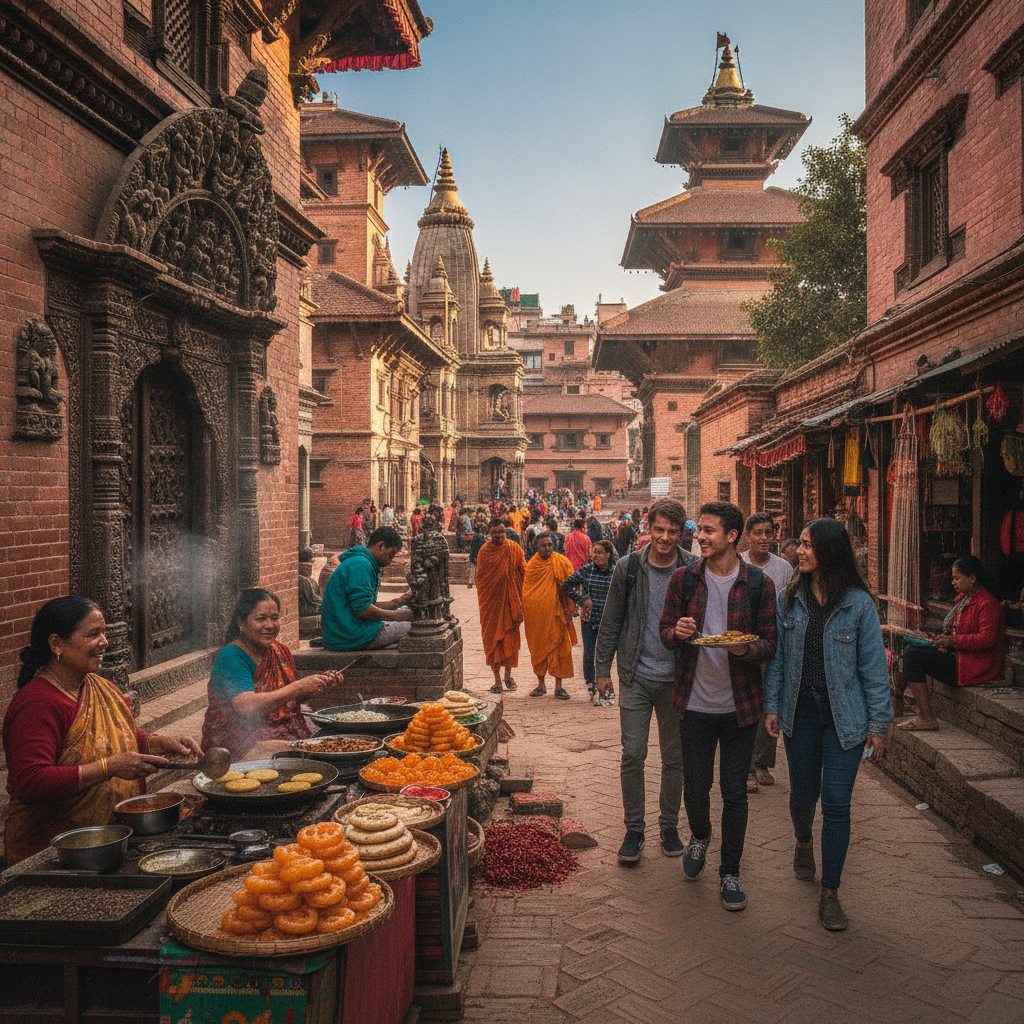
The Patan Durbar Square at sunset (the evening light on the gilded temple roofs and the red brick palace facades, the daily life of the Newar community visible in the square's margins — the vegetable sellers, the flower garland makers, and the devotees visiting the evening temple with the last offerings of the day) is the most atmospherically complete single heritage square hour accessible in Nepal — the sunset's specific effect on the Patan square architecture (the warm light on the gilded copper repoussé decorations of the Krishna Mandir and the Bhimsen Temple creating the most brilliantly golden single heritage architecture visible at sunset in Nepal, the elongated shadows of the temple towers crossing the stone-paved square floor) and the square's community activity at dusk (the pigeons gathering on the temple roofs, the Newar women carrying their shopping baskets through the square, and the evening temple bells audible from the multiple shrines creating the most organically animated single medieval urban scene accessible in Nepal) complete the most atmospherically nostalgic single heritage evening available in the Kathmandu valley.
Walk this route with audio
Stories play automatically as you reach each stop — no tapping needed.