Patan Hidden Courtyards & Secret Temples Walk
Venture beyond the tourist trail in Patan — the residential lanes behind the Durbar Square contain the most completely unrenovated single traditional Newari urban fabric accessible in Nepal, the unmarked monastery courtyards, the neighbourhood water spouts, and the local temple festivals visible only to those who leave the main heritage circuit.
- 1
Kumbheshwar Temple
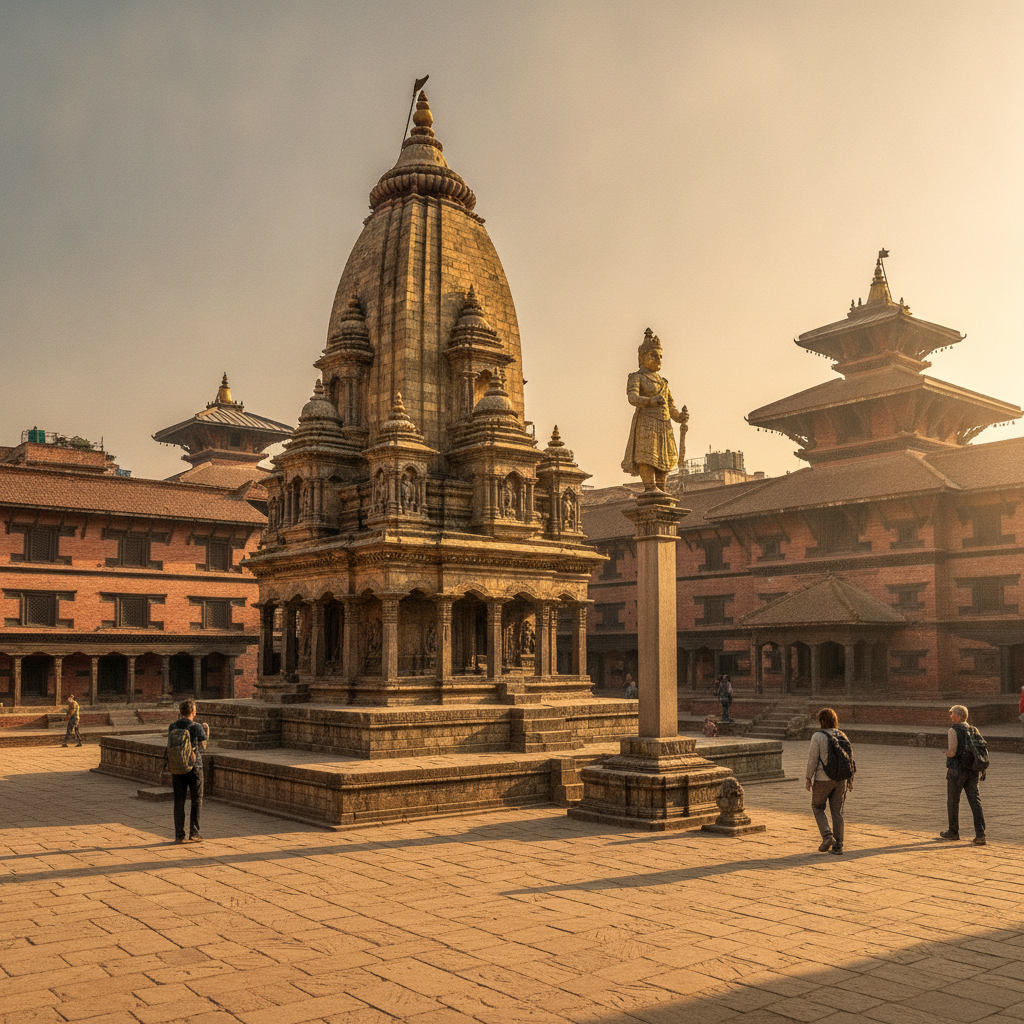
The Kumbheshwar Temple in northern Patan (the five-tiered pagoda dedicated to Shiva — one of only two five-tiered temples accessible in the Kathmandu valley, the most architecturally distinctive single temple accessible in Patan outside the Durbar Square) is the most surprisingly undiscovered single major heritage building accessible in the Patan heritage circuit — the temple's five-tier form (the gradually diminishing roofs and the central tower creating the most vertically dramatic single temple silhouette accessible in Patan, the gilded finial and the prayer flags above the highest level visible from the surrounding lanes) and the Kumbheshwar's specific sacred geography (the sacred pool in the courtyard believed to be connected to the Gosaikunda lake in the high Himalayas — the most directly mythologically mapped single sacred water body accessible in the Patan heritage circuit, the pool's fish fed as sacred animals by the devotees) create the most completely devotionally and architecturally rewarding single temple discovery accessible outside the Patan Durbar Square main circuit.
- 2
Residential Lane Network
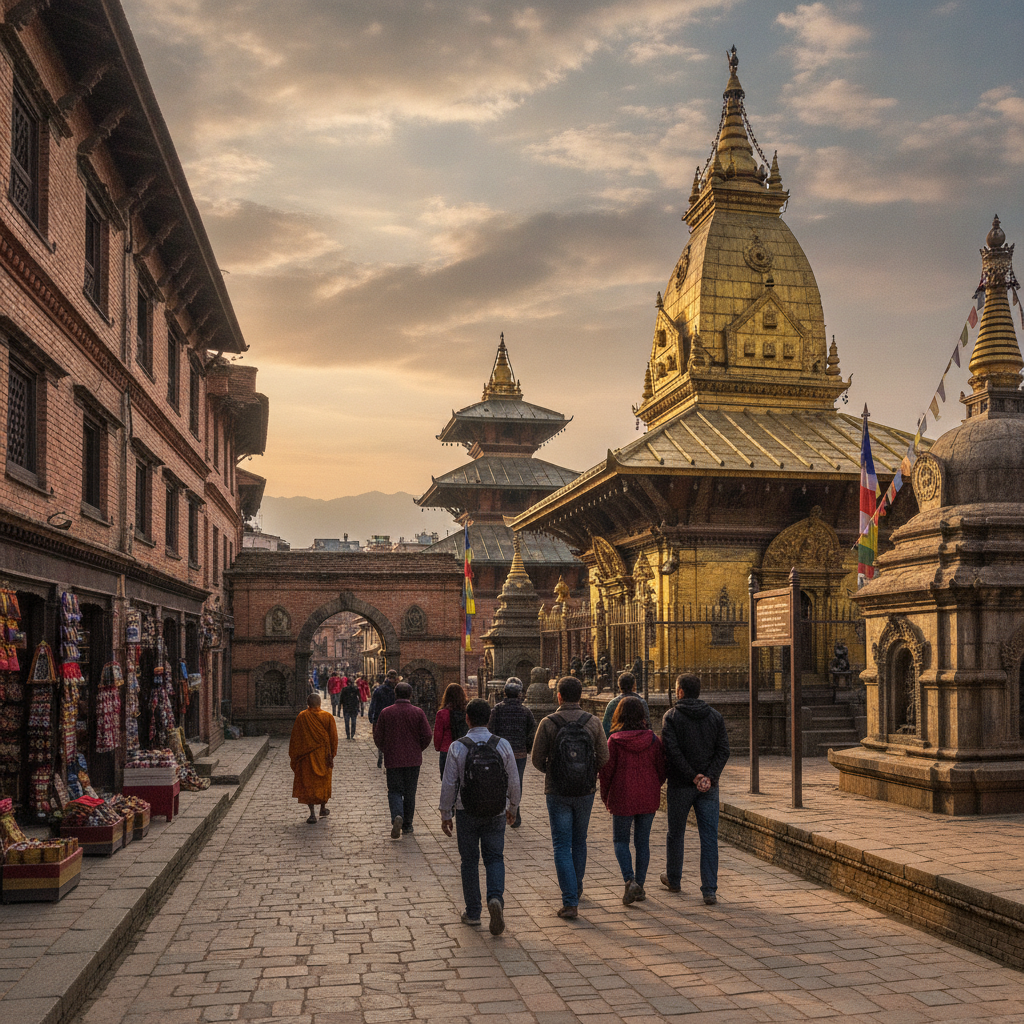
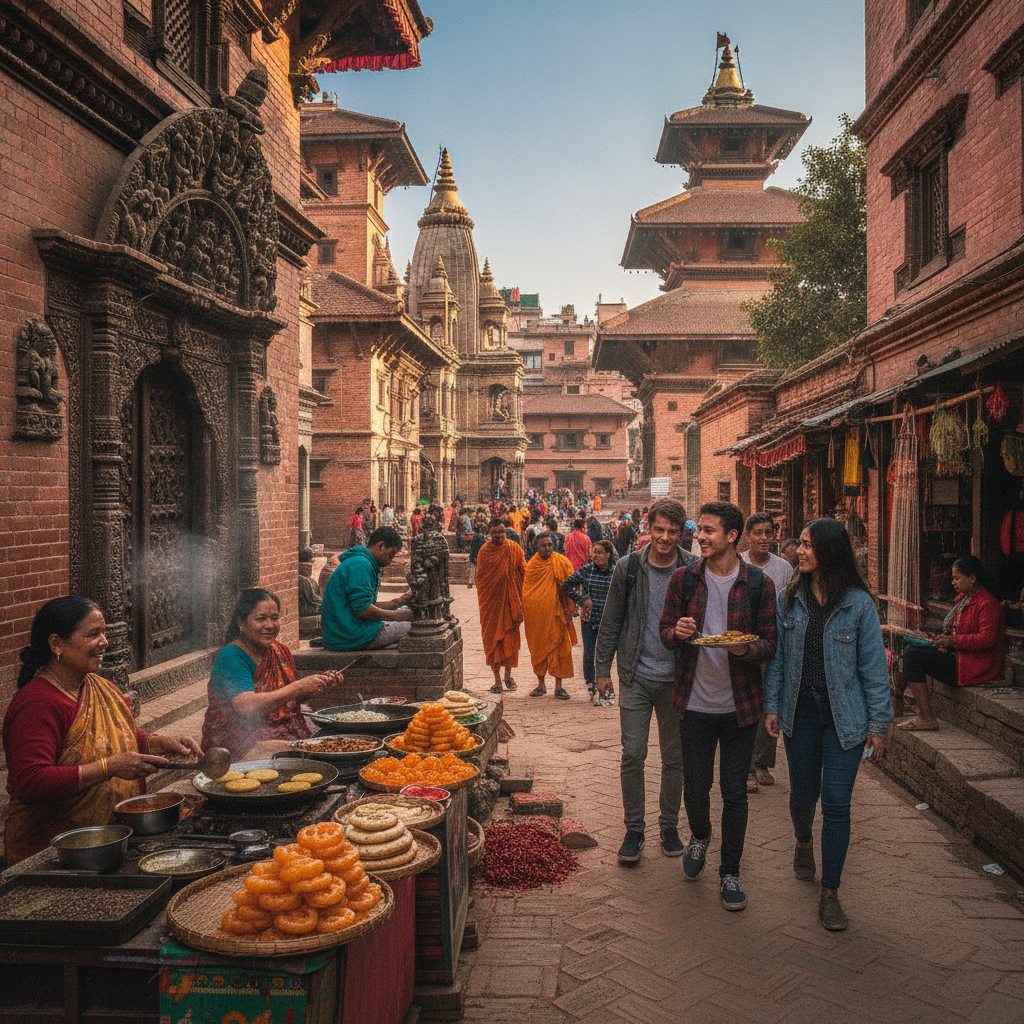
The residential lane network of the Patan old city (the maze of narrow lanes that constitute the most completely traditional single urban fabric accessible in Nepal, the brick-paved paths between the four-storey traditional Newari houses creating the most atmospherically enclosed single medieval urban environment accessible in the Kathmandu valley) is the most unexpectedly rich single off-the-beaten-path walking environment accessible in Patan — the lanes' specific character (the traditional houses with the ground floor shops or workshops, the first floor domestic space, and the upper levels used for grain storage and the sleeping rooms, the architectural type unchanged since the Malla period creating the most completely traditional single residential urban environment accessible in Nepal) and the lanes' living community (the children playing in the courtyard spaces, the older residents sitting in the sun on the traditional window benches, and the domestic activity visible through the open ground floor doors creating the most naturally unposed single community-life observation accessible in the Kathmandu valley) make the Patan residential lanes the most rewarding single urban exploration available near the heritage square.
- 3
Neighbourhood Water Spout
The dhunge dhara stone water spouts of the Patan neighbourhood (the traditional sunken water tanks with the stone-carved serpent or Makara water spouts that have been the primary water source for the Patan community for more than a thousand years, the most completely functional single ancient infrastructure accessible in the Nepal urban heritage) are the most directly historically-continuous single urban infrastructure accessible in Patan — the water spout's specific form (the stone Makara — the mythological crocodile-elephant creature — whose mouth delivers the constant flow of spring water that has maintained the Patan community's water supply through the driest seasons, the stone carving's traditional iconography reflecting the most water-specifically appropriate single Newari sculptural image accessible in the heritage city) and the social function of the water spout (the neighbourhood gathering point where the women collect the daily water, wash the vegetables, and exchange the community news creating the most directly community-socially-functional single ancient infrastructure accessible in any Nepal heritage destination) create the most humanly-historically connected single encounter accessible in Patan's hidden residential quarter.
- 4
Itumbahal Monastery
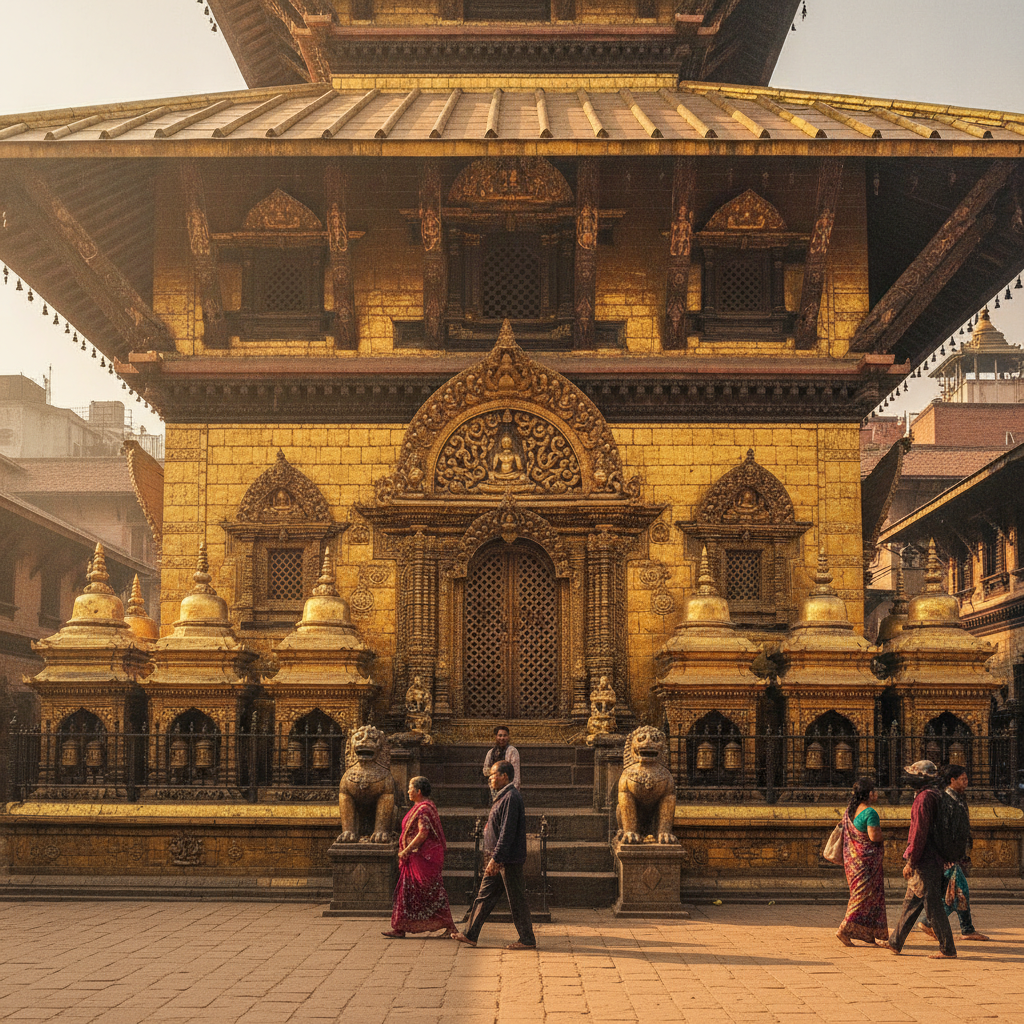
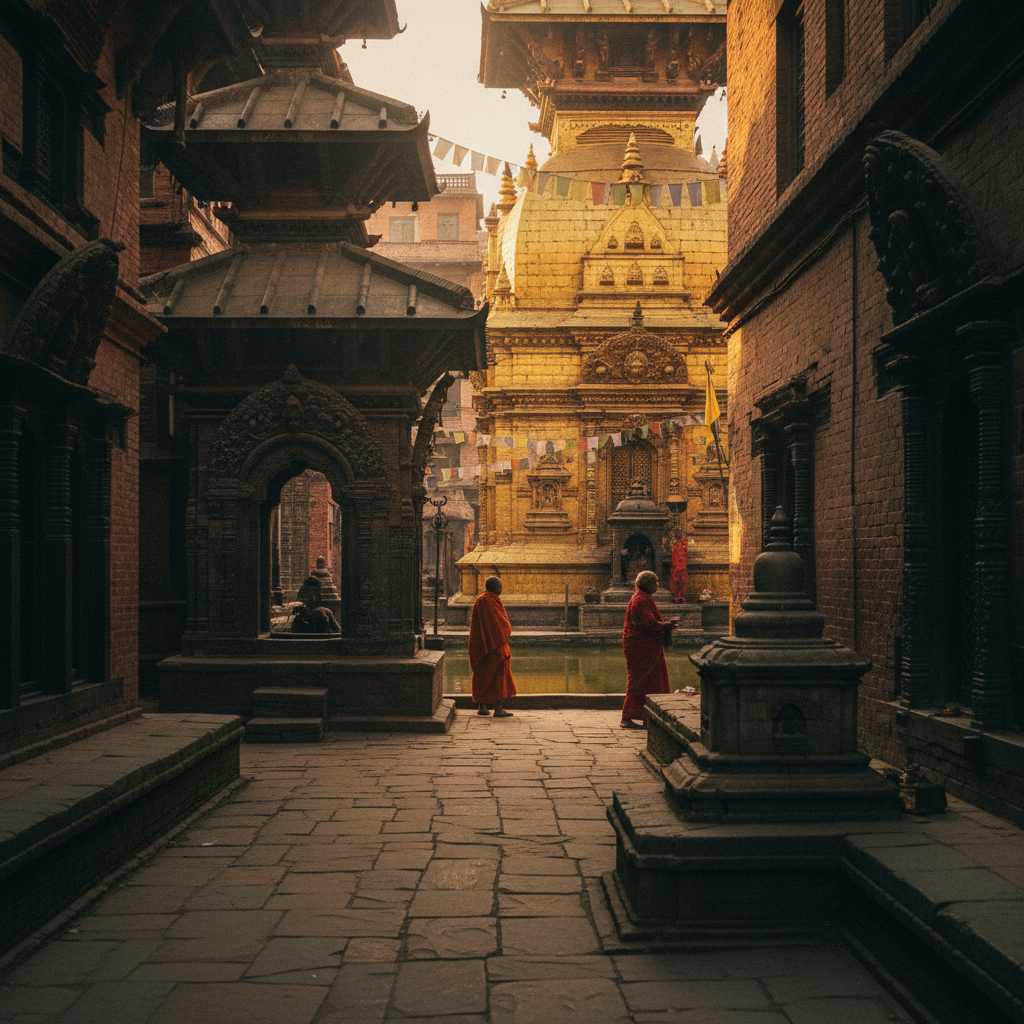
The Itumbahal Buddhist monastery in northern Patan (one of the most ancient continuously active Buddhist monastery courtyards accessible in the city, less visited than the Golden Temple but maintaining the most completely traditional single bahal community practice accessible in the Patan monastic circuit) is the most authentically undisturbed single Buddhist monastery encounter accessible in the city — the Itumbahal's specific character (the courtyard's ancient carved shrine at the centre, the surrounding monastery buildings with the worn wooden balustrades and the accumulated offerings of centuries visible in the most patina-authentic single monastery interior accessible in Patan) and the monastery's community (the traditional Vajracharya Buddhist priests maintaining the ritual calendar that is the most continuously observed single traditional Buddhist practice accessible in the Newar community, the festivals and the monthly puja cycles visible to the visitor who arrives at the right calendar date) create the most genuinely community-Buddhist-practice-observing single monastery courtyard accessible in the Patan heritage circuit.
- 5
Patan Old City Rooftop
The Patan old city rooftop view (accessible from certain guesthouses and restaurants in the Durbar Square area, the rooftop level revealing the most completely traditional single urban roofscape accessible in Nepal — the stacked terracotta tiles of the traditional Newari roofs extending in every direction, interrupted by the pagoda towers of the neighbourhood temples and the prayer flags of the Buddhist bahals) is the most completely urban-fabric-surveying single viewing experience accessible in Patan — the rooftop's panorama (the Durbar Square temples visible from above, their roof structure and the gilded finials accessible from a perspective unavailable at street level, and the Himalayan peaks visible on clear days beyond the northern edge of the city creating the most mountain-and-medieval-cityscape single combined view accessible in Nepal) and the rooftop's community observation (the domestic life of the surrounding households visible from the roof level — the vegetables drying on the adjacent rooftops, the children's rooftop play, and the older residents tending the rooftop gardens creating the most directly urban-domestic single observation accessible in the Patan heritage visit) complete the most completely Patan-urban-experiencing single elevated view available in the medieval city.
- 6
Evening Temple Festival
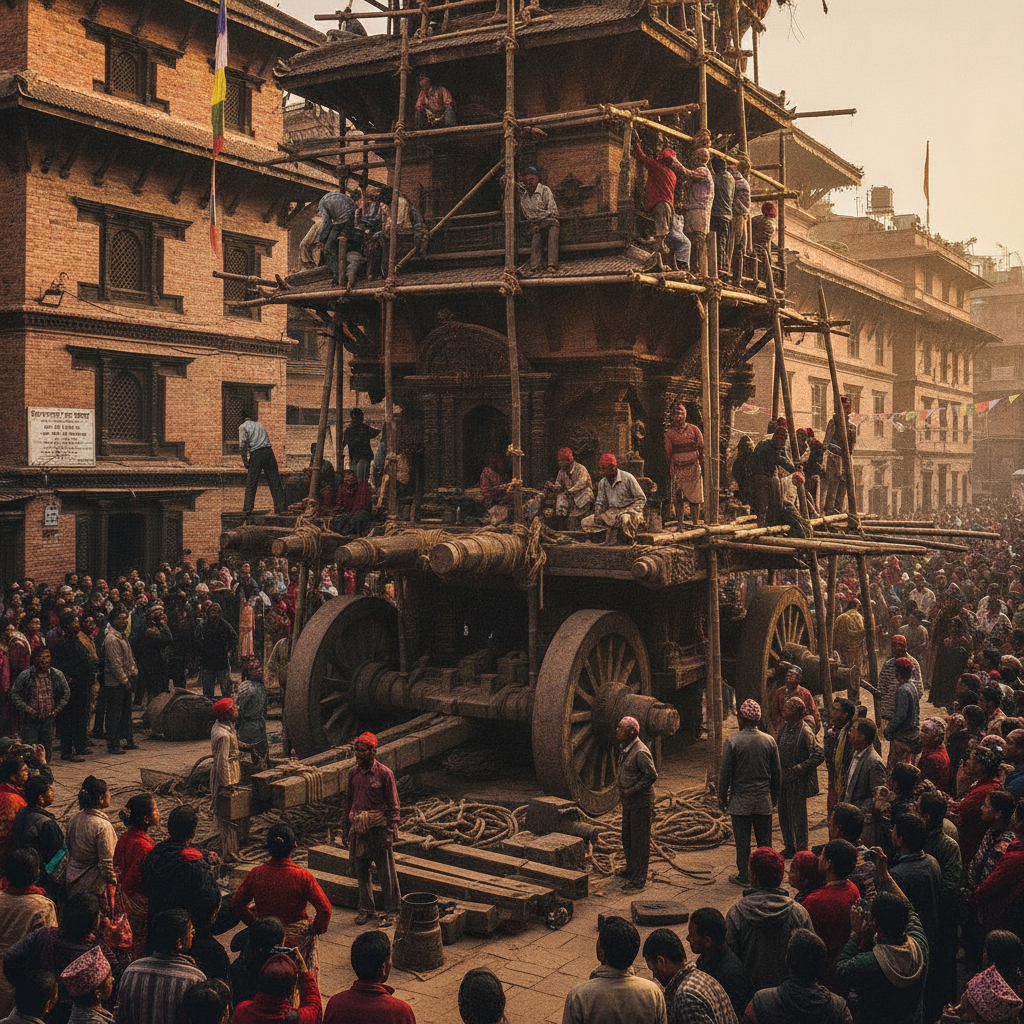
The Patan evening temple festival (the neighbourhood jatra or the monthly festival day celebration visible in the residential quarter of the old city — the deity image carried through the lanes on the decorated palanquin, the musicians playing the traditional Newari instruments preceding the procession, and the lane-side residents bowing as the deity passes) is the most directly Newari-religious-community-life-observing single evening encounter accessible in the Kathmandu valley — the festival's specific elements (the dhimay drum and the nay wind instrument that are the most immediately identifiable single traditional Newari musical instruments accessible in the procession, the musicians' colourful traditional dress and the offering-bearing devotees following the deity image) and the procession's community function (the entire neighbourhood visible along the procession route — the old, the young, the merchants and the craftsmen — the most completely community-age-spanning single traditional religious event accessible in Nepal's heritage cities) create the most completely Newari-cultural-life-participatory single encounter available in Patan's hidden residential quarter.
Walk this route with audio
Stories play automatically as you reach each stop — no tapping needed.