Cauca Valley: Sugar, Struggle & Afro-Colombian Heritage
The Cauca River valley south of Popayán is Colombia's most complex social landscape — sugarcane plantations worked by Afro-Colombian communities, Nasa indigenous territories on the hillsides, and the legacy of colonial hacienda society coexist in extraordinary tension
- 1
Afro-Colombian communities
The Afro-Colombian communities of the Cauca Valley—descendants of enslaved Africans brought to work in the colonial mines and haciendas—maintain distinct cultural traditions; woodcarving, marimba music (ancestor of both cumbia and the Afro-Pacific tradition), and communal land tenure are distinctive
- 2
Sugarcane monoculture
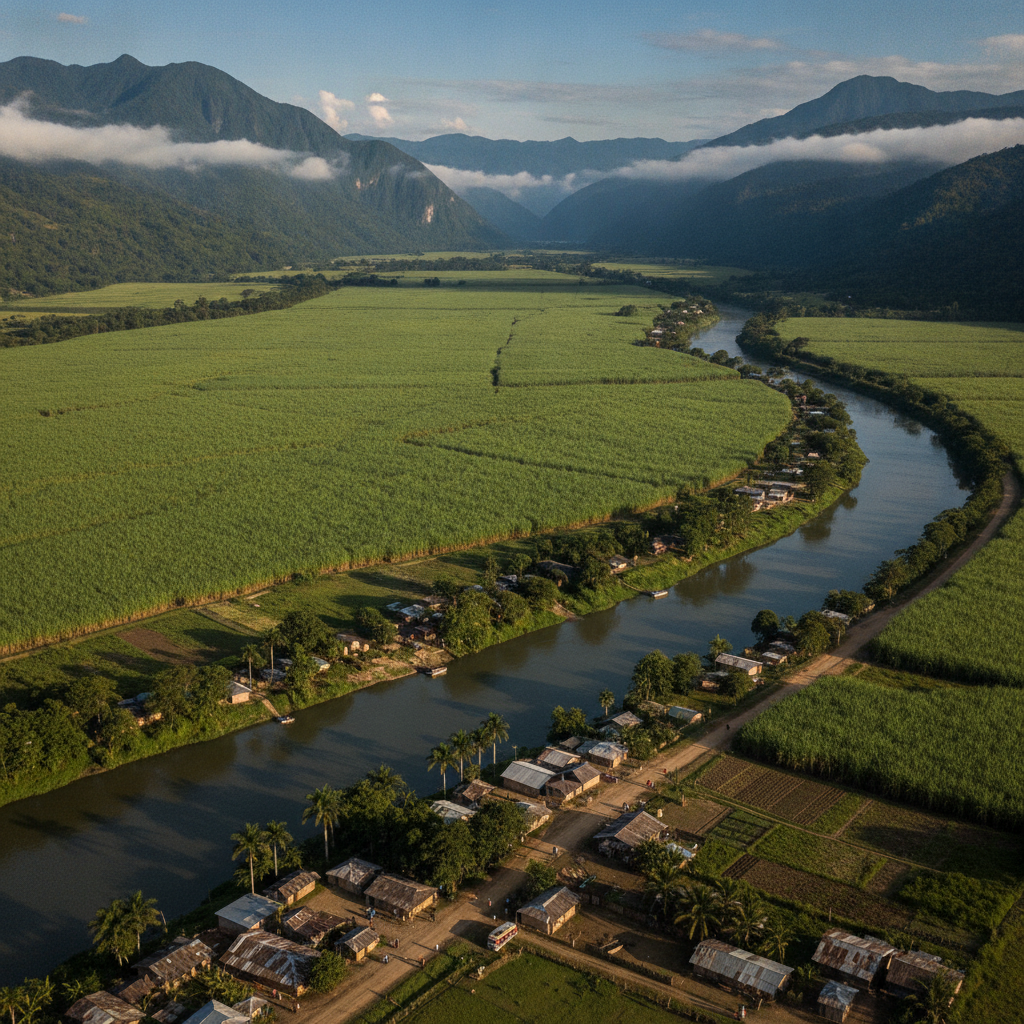
The floor of the Cauca Valley is dominated by industrial monoculture of sugar cane — the large plantations supply Colombia's sugar and ethanol industries; the ecological transformation of the valley from diverse indigenous agriculture to monoculture is one of Colombia's most dramatic land-use changes
- 3
Hacienda San José Heritage
The colonial haciendas of the Cauca Valley—some dating to the 17th century—represent the plantation system that structured colonial Cauca; several haciendas have been preserved as cultural heritage; the architecture, slave quarters and processing plants tell a complex colonial history
- 4
Popayán's elite and colonialism
Popayán was the richest city in colonial Colombia—the "city of academics" that produced a disproportionate number of Colombian statesmen and intellectuals; the white elite of Popayán and their relationship to the plantation economy of the Cauca Valley is central to understanding Colombian social history
- 5
Land conflict in Cauca
The Cauca department has Colombia's most intense and ongoing land conflict — between indigenous peoples who want to restore land, Afro-Colombian communities defending territorial rights, sugar cane companies and coca farmers; the armed conflict has cost thousands of lives in the valley and mountains
- 6
Marimba Music Tradition
Marimba de chonta - the wooden xylophone of African origin played by Afro-Colombian communities on the Pacific coast and the Cauca Valley - is UNESCO Intangible Cultural Heritage; the music of the marimba, the accompanying songs (cantos) and the traditional dance (currulao) are living arts in Cauca communities
Walk this route with audio
Stories play automatically as you reach each stop — no tapping needed.
More in Popayán
Volcán Puracé: The Active Volcano Above Popayán
Popayán Semana Santa: The Most Solemn Holy Week in America
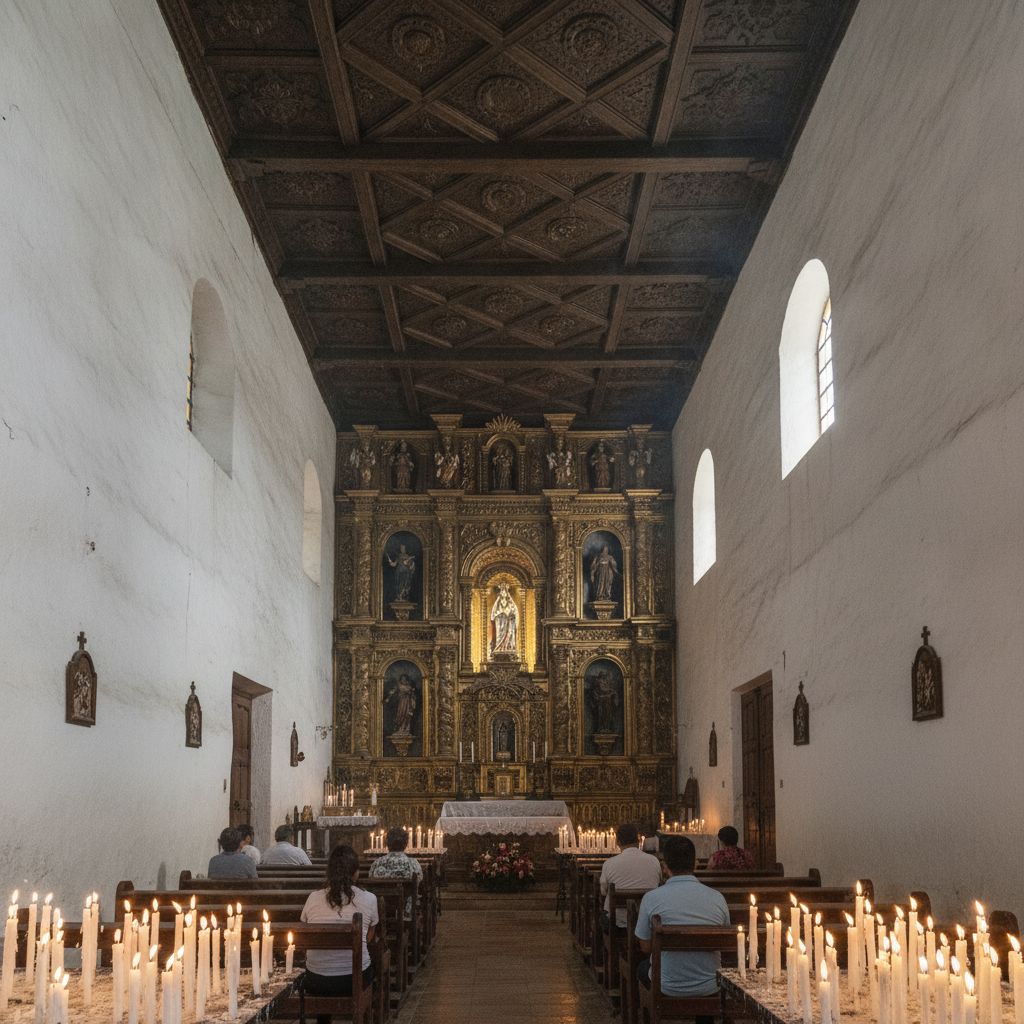
Popayán's Colonial Churches: A City of Faith and Art
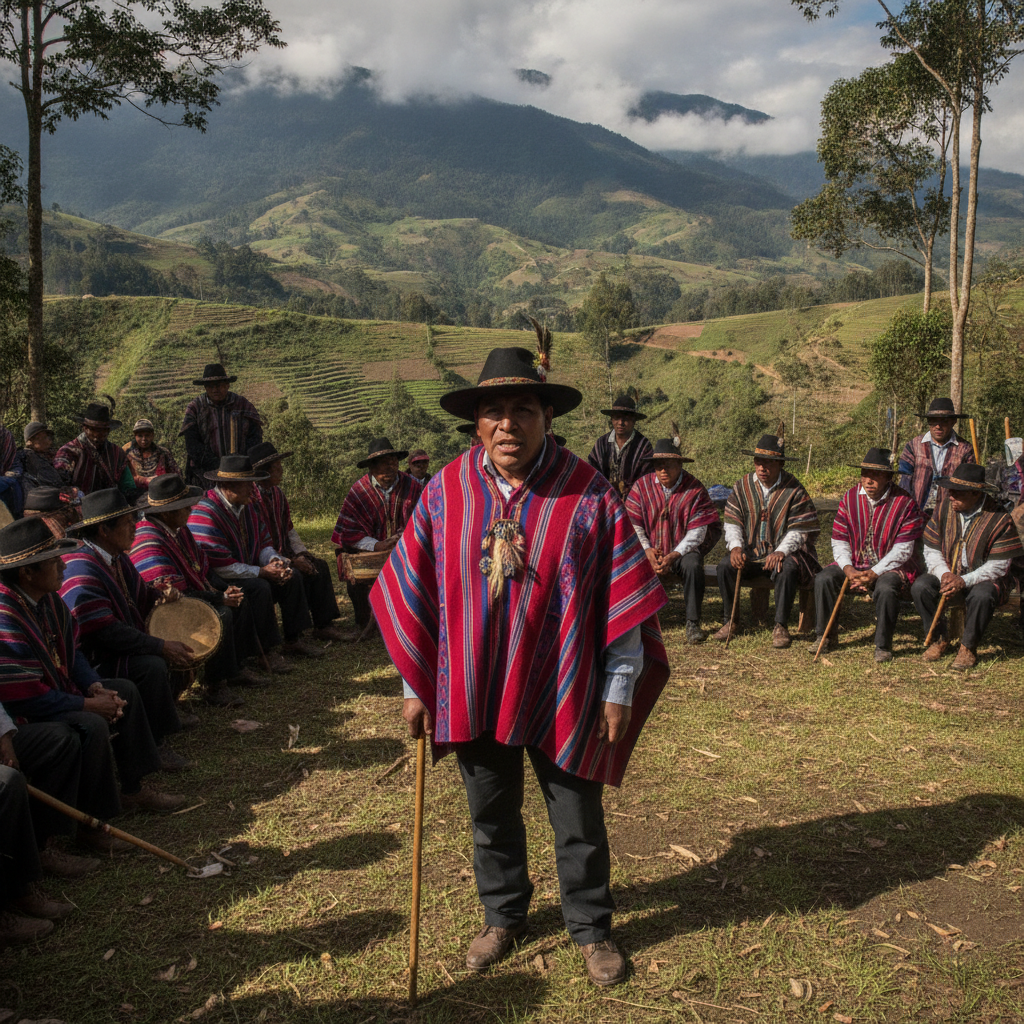
Nasa-Páez: Cauca's Indigenous Guardians
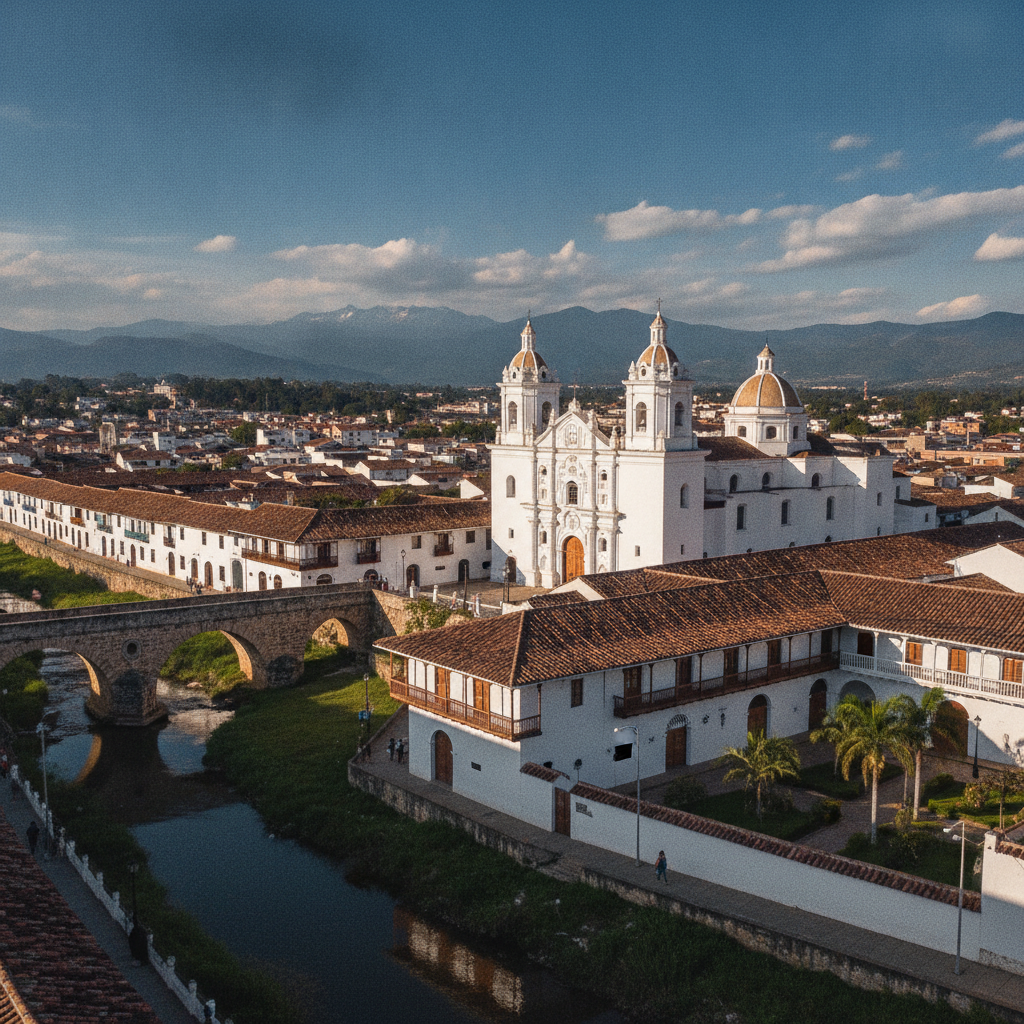
Popayán: Colombia's White City of Colonial Grandeur