Porto Alegre Contemporary Life: Tech Economy, Italian Caxias do Sul, Gaucho Music, and the 2024 Flood Recovery
The contemporary dimensions of Porto Alegre span the technology economy centered on the university parks, the Italian wine culture of Caxias do Sul, the gaucho folk music of the CTG tradition, and the ongoing recovery from the catastrophic 2024 floods that tested the resilience of the most economically sophisticated state in southern Brazil.
- 1
Contemporaneo do RS: The New Porto Alegre
The contemporary Porto Alegre is one of the most economically sophisticated cities in Brazil, with a strong financial services sector, a technology cluster centered on the Tecnopuc technology park at PUCRS university, and a startup ecosystem that has made the city one of the leading innovation hubs in the south of Brazil. The combination of the strong educational institutions, the quality of life advantage over Sao Paulo, and the relatively lower costs attracts professionals seeking an alternative to the megacity experience.
- 2
Italian Immigration Heritage: Caxias do Sul
Caxias do Sul, the second largest city in Rio Grande do Sul and the principal industrial city of the Serra Gaucha, was founded by Italian immigrants in 1875 and retains a strong Italian cultural identity in its wine production, cuisine, Catholic festival traditions, and the political culture of the Italian municipal tradition. The Caxias do Sul vineyards and the connection to the Bento Gonçalves wine circuit make the city a significant wine tourism center.
- 3
Mate Erva: The Economic Plant
Erva-mate, the Ilex paraguariensis plant that produces the mate herb consumed as chimarrao in Rio Grande do Sul, as tereré cold mate in Paraguay and Mato Grosso do Sul, and as the basis of the international energy drink market through the guaraná combination, is cultivated commercially throughout the Rio Grande do Sul highlands and the Parana plateau in the most extensive temperate agricultural production of the south of Brazil. The mate economy supports thousands of small producers in the highland communities.
- 4
Music: Gaucho Folklore and CTG Culture
The music of the gaucho folklore tradition, encompassing the vaneira, the polca, the milonga, and the chamamé forms that reflect the multiple European, indigenous, and River Plate influences on the Rio Grande do Sul cultural frontier, is maintained by the CTG gaucho tradition clubs and is performed in the nativismo festivals that are the largest gathering of participants in any regional folk culture festival in Brazil.
- 5
Contemporary Art: Santander Cultural
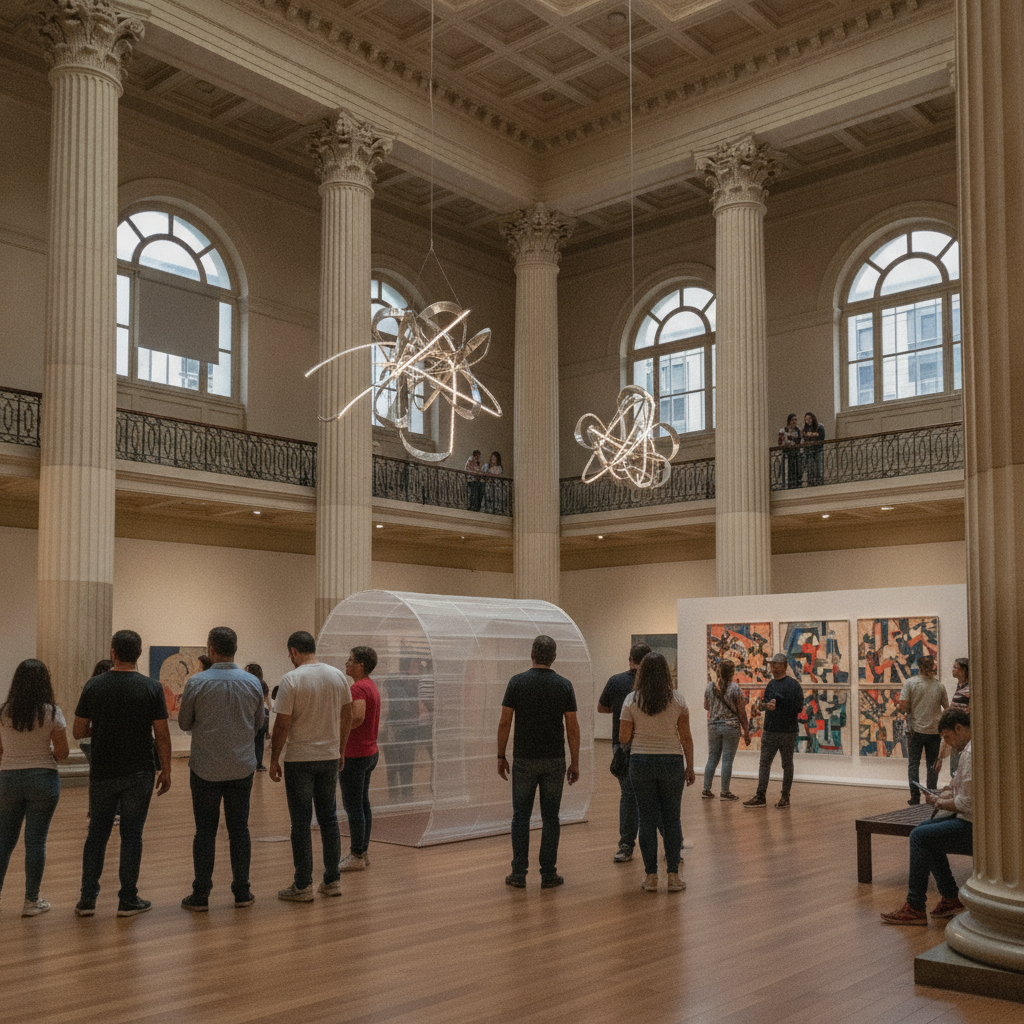
The Santander Cultural center in the former Santander bank building on the Praca da Alfandega in Porto Alegre is the most important venue for contemporary art exhibitions in the south of Brazil, presenting major retrospectives of Brazilian and international artists in a grand banking hall restored as a cultural space. The adjacent MARGS provides the permanent collection context for the temporary programming of Santander Cultural.
- 6
2024 Recovery: Porto Alegre After the Floods
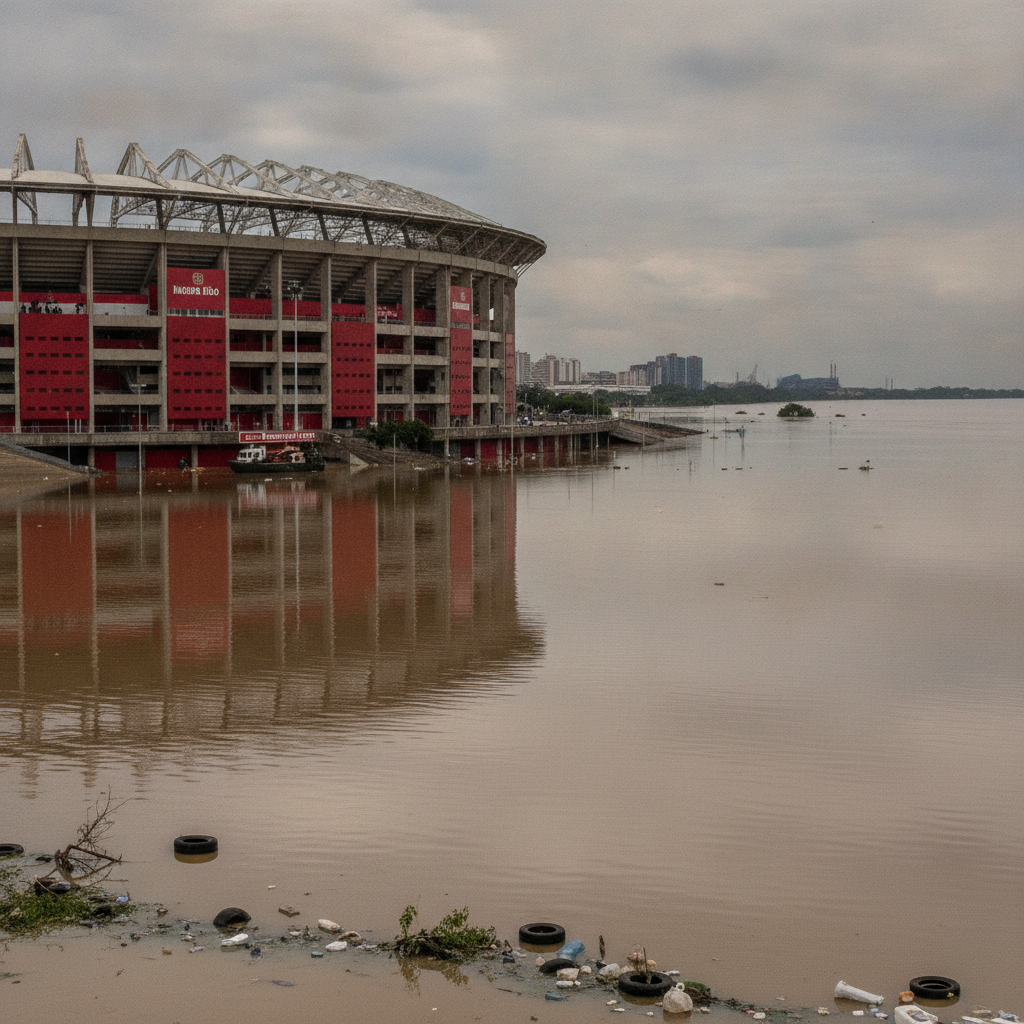
The May 2024 floods that caused the worst natural disaster in Rio Grande do Sul history have required a massive reconstruction program for Porto Alegre and the surrounding municipalities, with the rebuilding of the flood-damaged infrastructure of the airport, the roads, and the neighborhoods of the city center that were underwater for weeks. The recovery of Porto Alegre is one of the largest urban disaster recovery operations in Brazilian history and has generated significant debate about the role of climate change in the intensification of the extreme weather events of the subtropical south.
Walk this route with audio
Stories play automatically as you reach each stop — no tapping needed.
More in Porto Alegre
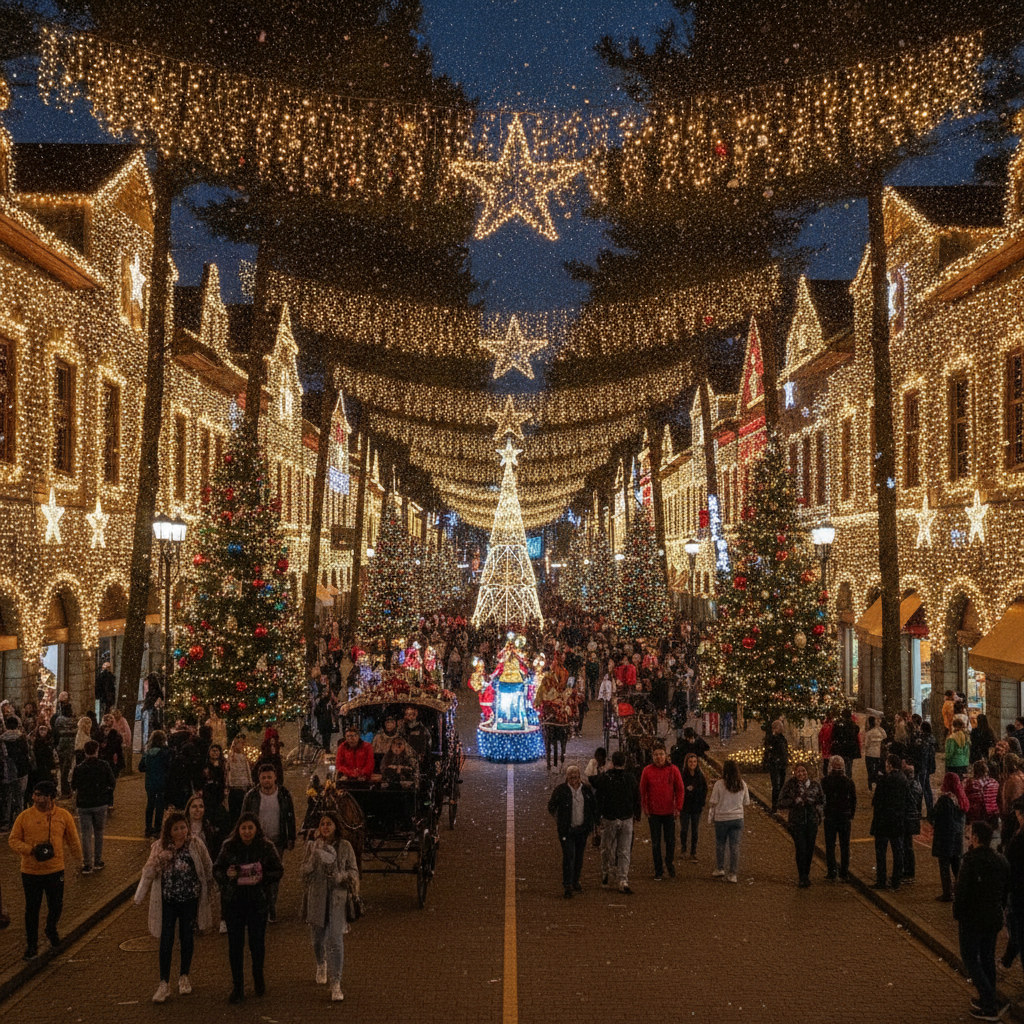
Serra Gaucha Highlights: Gramado Christmas, Bento Goncalves Harvest, Canela Waterfall, and Pelotas Candy
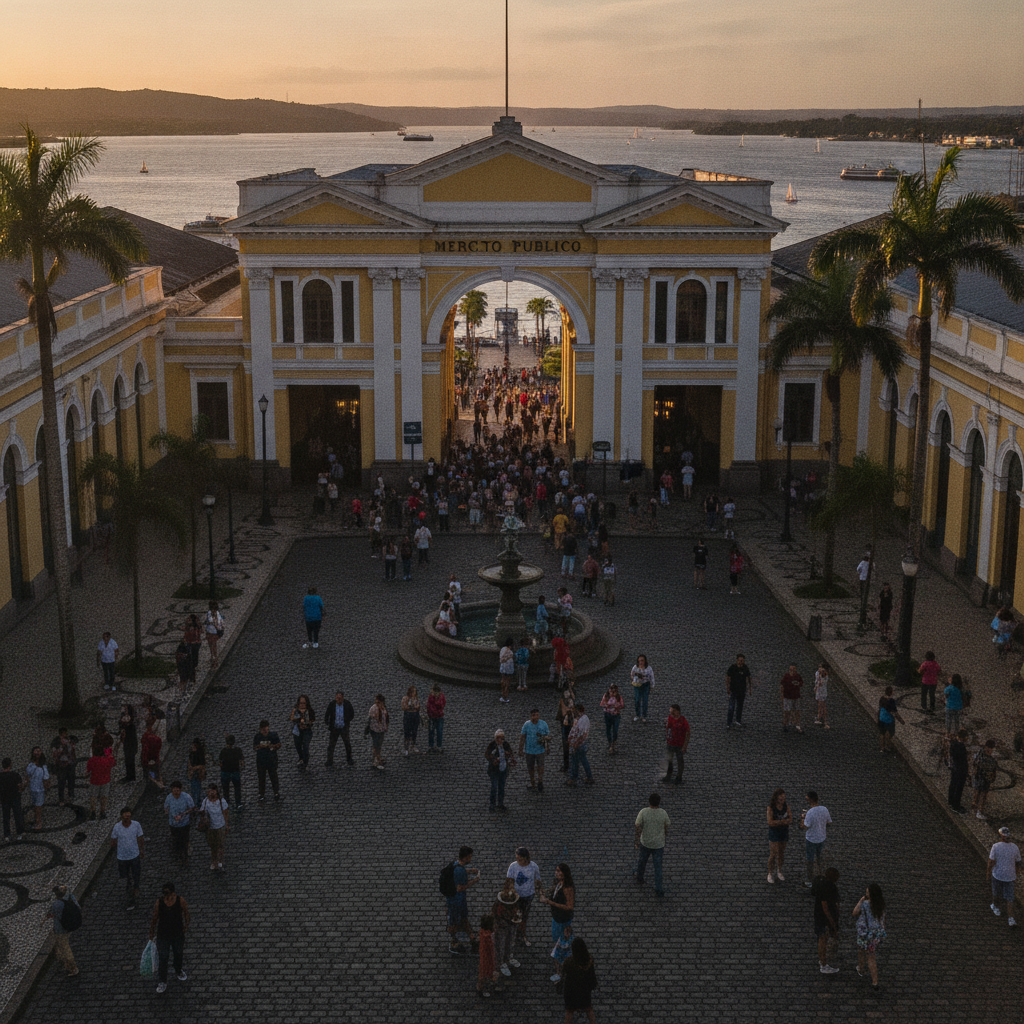
Porto Alegre: Gaucho Culture, Chimarrao, the Mercado Publico, and the Serra Gaucha Highlands
Porto Alegre History: The World Social Forum, the Gaucho Derby, the Farroupilha Revolution, and the 2024 Floods
Porto Alegre Food: Churrasco, Serra Gaucha Wine, Chimarrao, and the Gaucho Comfort Food Tradition

Rio Grande do Sul Beyond Porto Alegre: Pelotas Mansions, the Lagoa dos Patos, Pampa Frontier, and the Summer Beaches