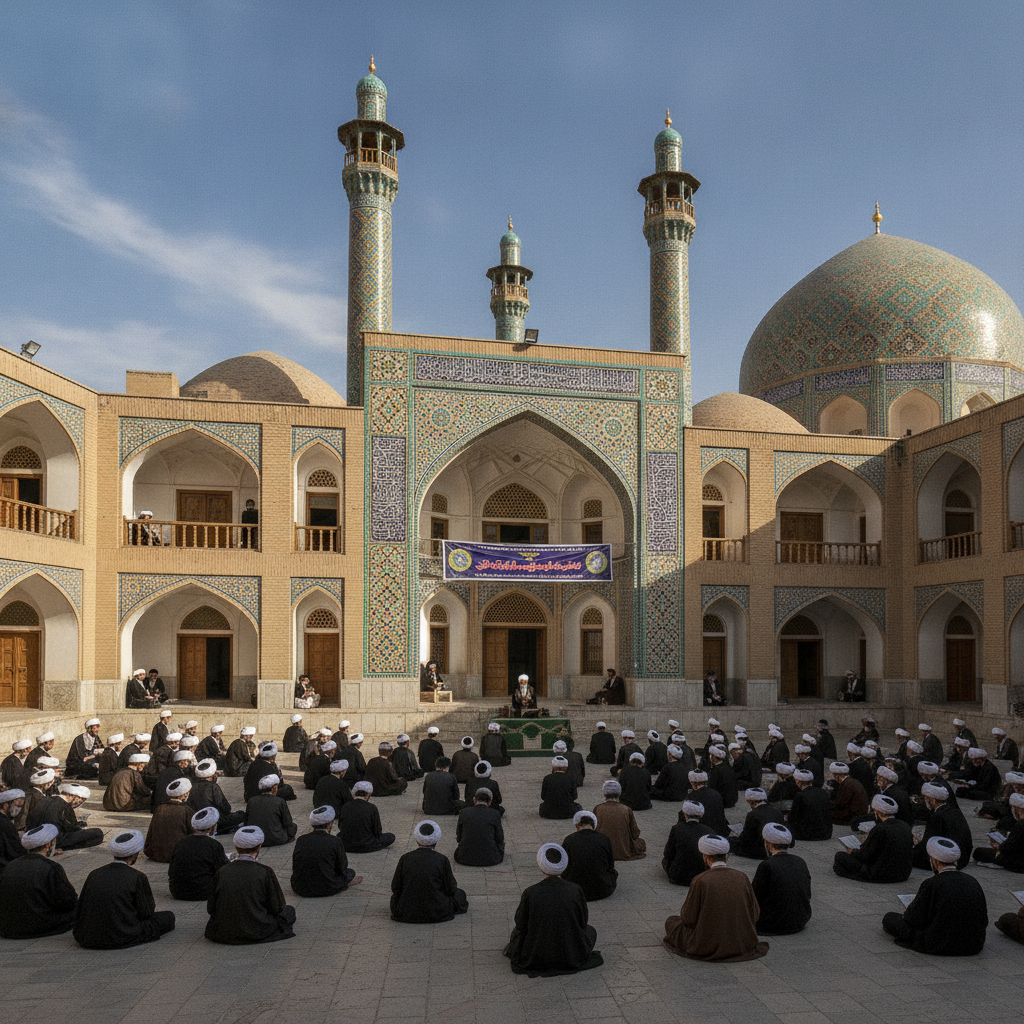
Hawza Theological Seminaries Shia Scholarship
Explore the theological seminaries (hawzas) of Qom, the world center of Shia Islamic scholarship where thousands of students from Iran, Iraq, Lebanon, and the broader Shia world study the religious sciences in an educational system unchanged in its essential form for a thousand years.
- 1
Fayziyeh Seminary
Visit the historic Fayziyeh Seminary, the most important of Qom's theological institutions where Ayatollah Khomeini taught and from which the Islamic Revolution's religious leadership emerged, the seminary's historic classrooms and student cells representing the physical space of Shia political theology.
- 2
Madrasa Exterior
Walk past the traditional madrasa buildings where students in clerical robes — black turbans for descendants of the Prophet, white for others — move between classes, the distinctive dress code visible throughout Qom and reflecting the hierarchical clerical system of Shia religious authority.
- 3
Religious Studies Classes
If access is arranged, observe a traditional religious studies class where the debate method (bahth kharij) of advanced Shia jurisprudence — senior scholars presenting opinions that students challenge with alternative interpretations — is practiced in sessions lasting hours at a time.
- 4
Seminary Library
Visit one of the seminary libraries where centuries of accumulated Islamic scholarship — manuscripts, printed texts, and the commentaries upon commentaries that characterize Islamic jurisprudential study — are preserved and actively consulted by students researching questions in Islamic law and theology.
- 5
Student Accommodation Quarter
Walk through the student accommodation quarter of Qom where the international dimension of Shia scholarship is visible in the student population — Iraqis, Lebanese, Pakistanis, Afghans, Bahrainis, and Nigerians among the Iranian majority — living in the seminary city that serves the entire Shia world.
- 6
Religious Authority System
Learn about the marja system of Shia religious authority where senior scholars (marjas) achieve recognition as sources of emulation (taqlid) for ordinary believers who follow their religious rulings, the hierarchical system of Shia authority concentrated in Qom making this city the de facto capital of worldwide Shia Islam.
Walk this route with audio
Stories play automatically as you reach each stop — no tapping needed.
More in qom

Qom Historic Mosques and Islamic Architecture
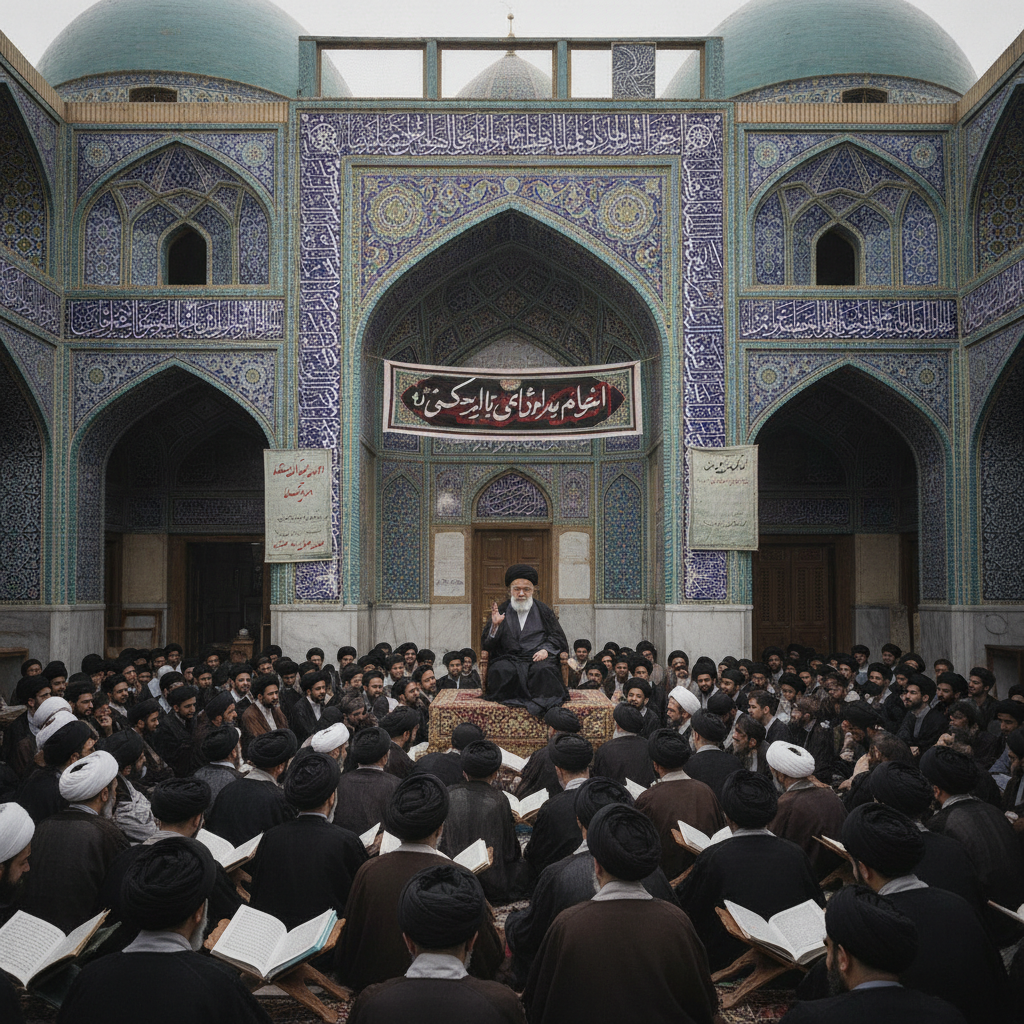
Qom Political Power Iranian Revolution Heritage
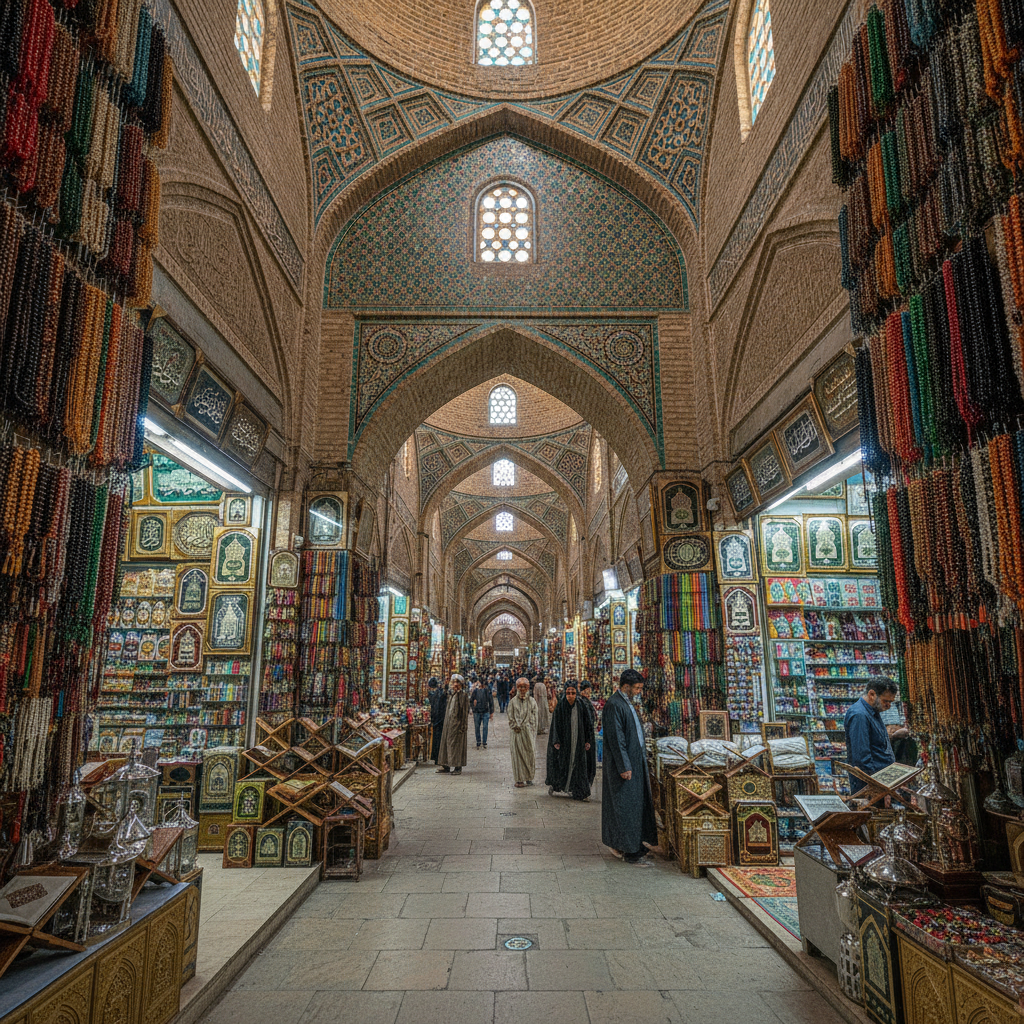
Qom Traditional Bazaar Religious Goods Market
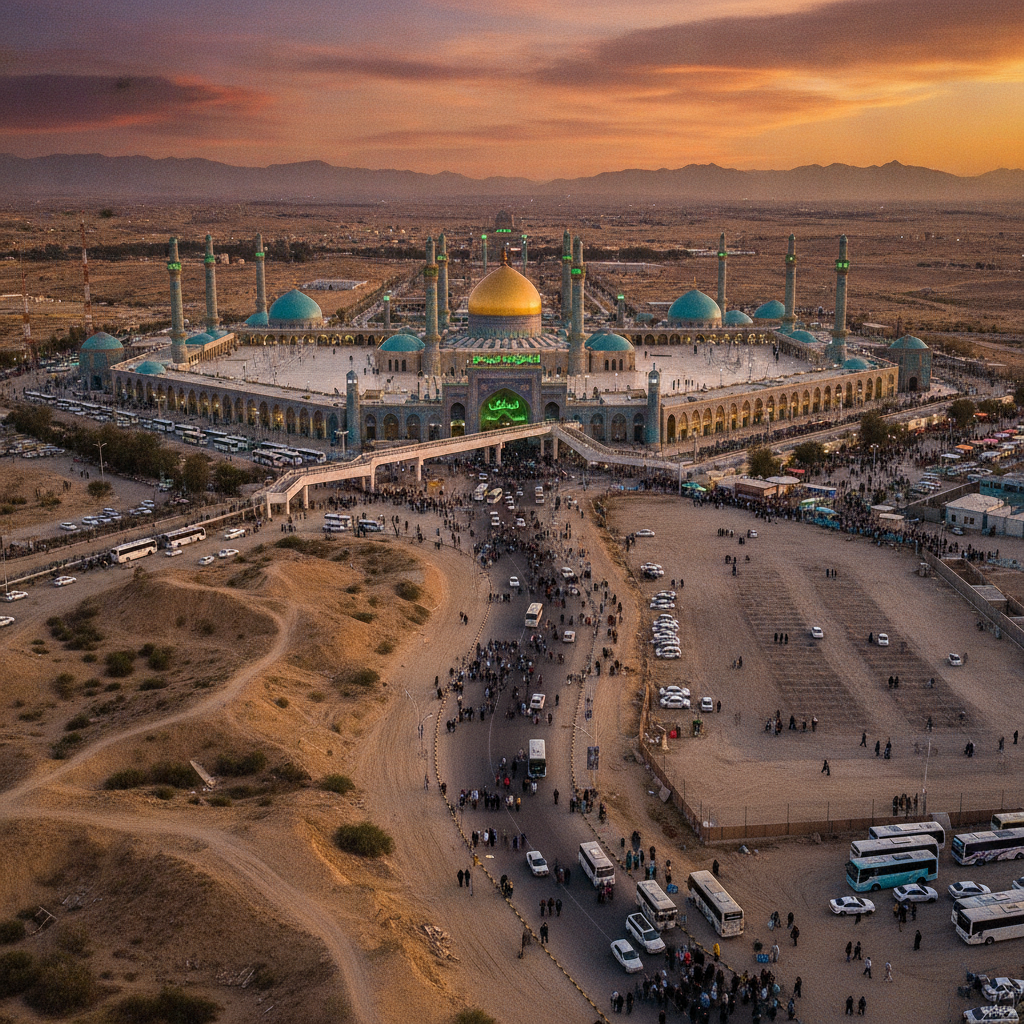
Jamkaran Mosque Messianic Tradition Twelver Shia
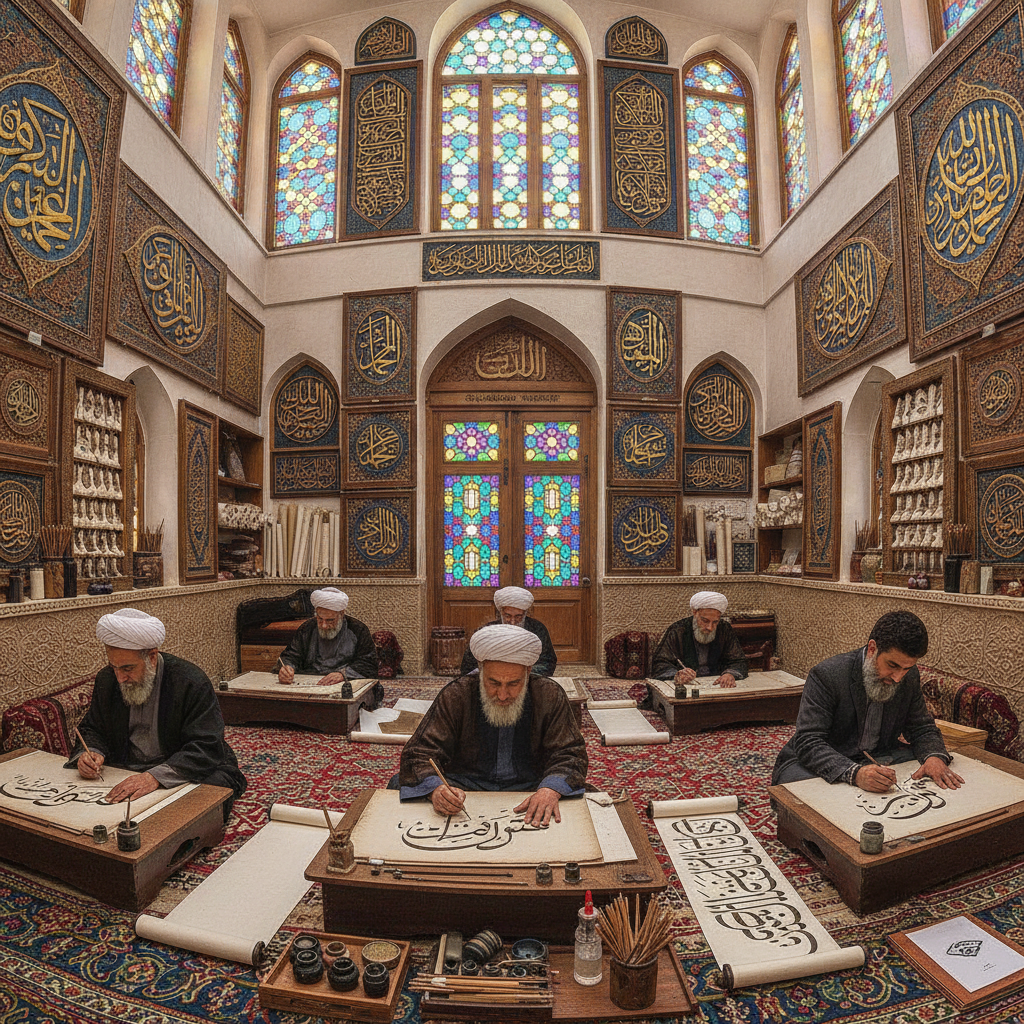
Qom Religious Art Calligraphy and Sacred Crafts