Qom Religious Art Calligraphy and Sacred Crafts
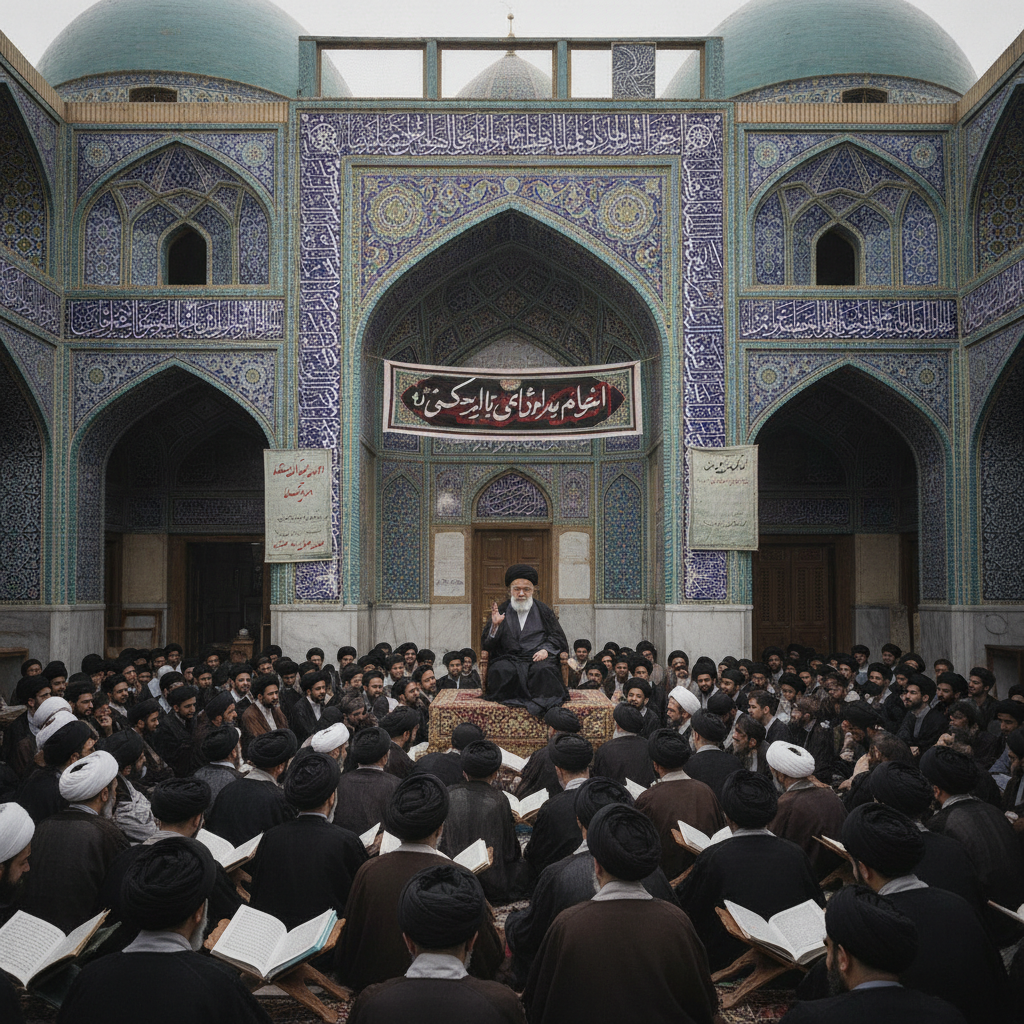
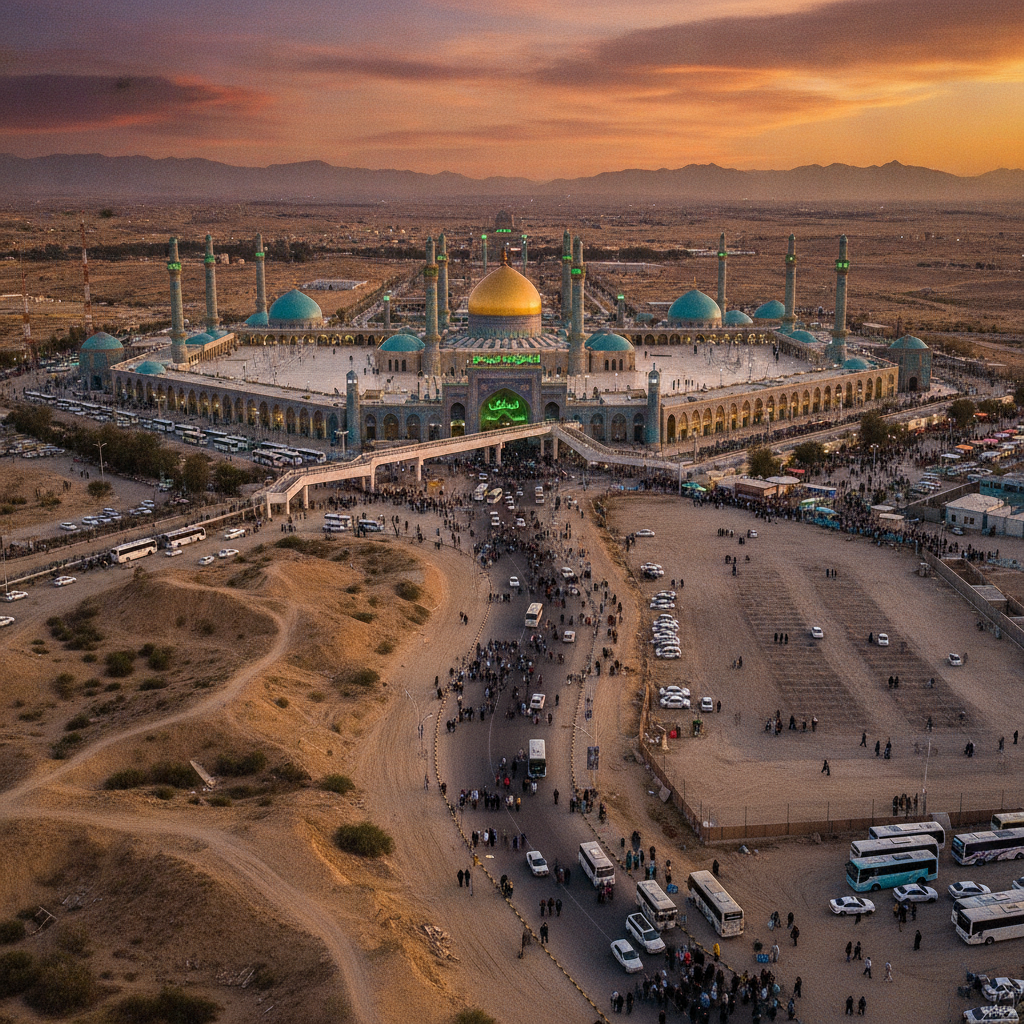
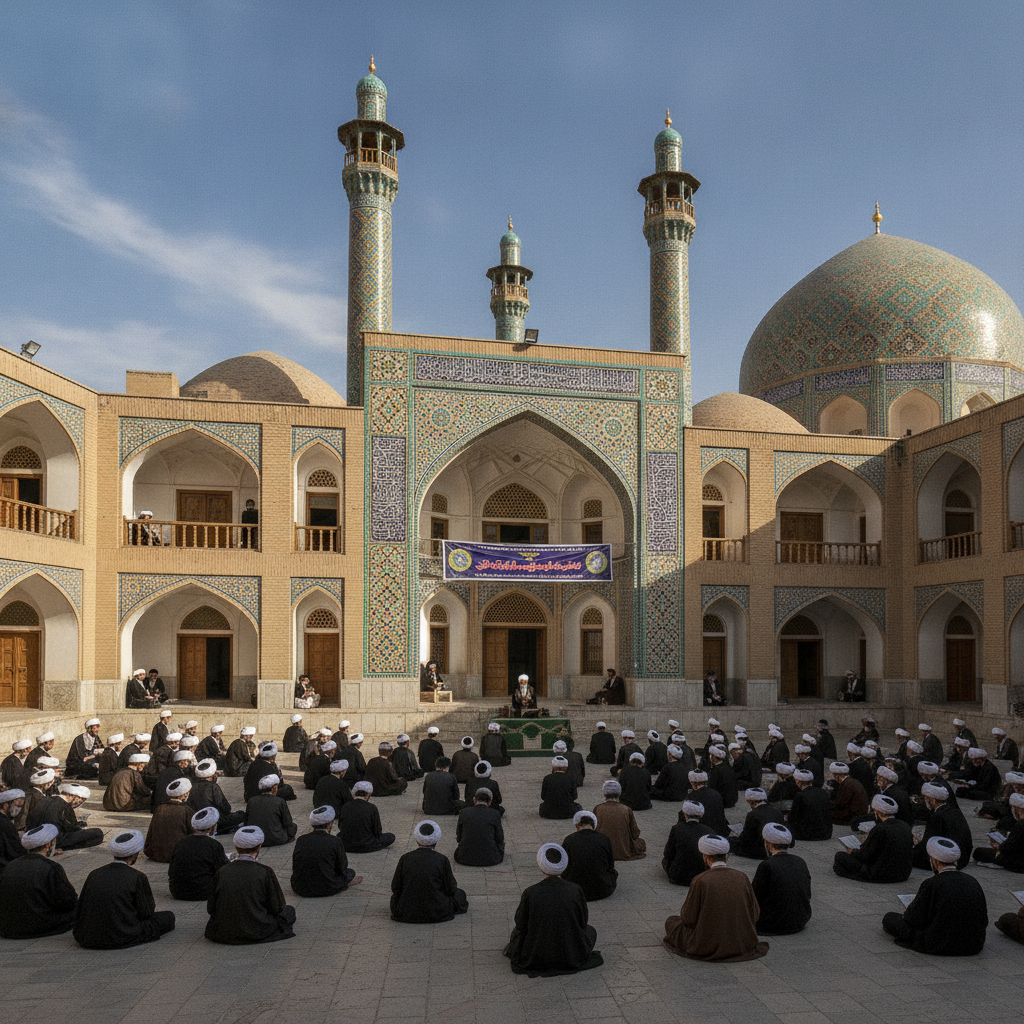
Discover the religious art tradition of Qom where the city's identity as a center of Islamic scholarship has fostered exceptional traditions of Quranic calligraphy, illuminated manuscript production, and the sacred crafts that serve both the shrine complex and the theological community.
- 1
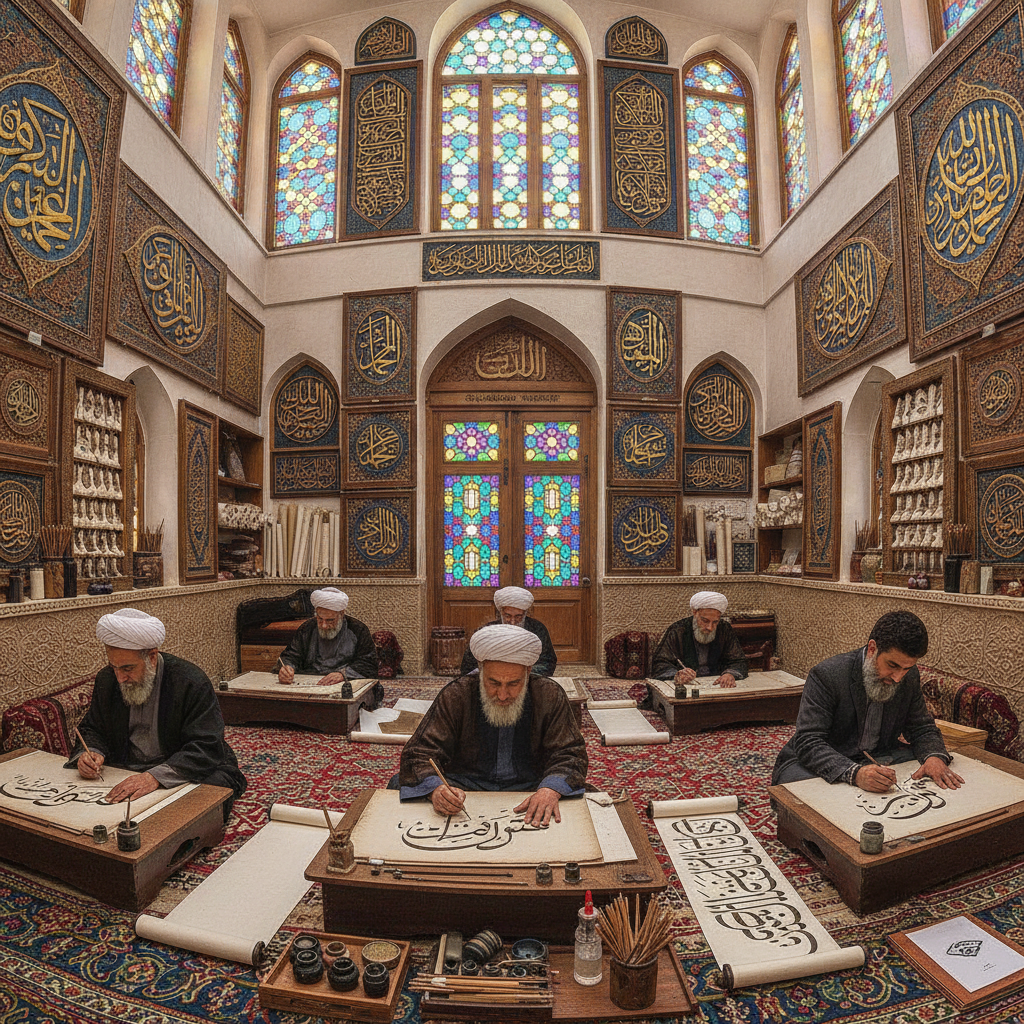
Calligraphy Workshop
Visit a traditional calligraphy workshop where masters practice the Arabic and Persian scripts used for Quranic inscription — thuluth, naskh, nastaliq, and the monumental scripts used for architectural inscriptions — the art form elevated to the highest position in Islamic aesthetics as the visual embodiment of divine revelation.
- 2
Quran Illumination Workshop
See an illuminated Quran manuscript workshop where the borders of the sacred text are decorated with intricate geometric and floral patterns in gold leaf and mineral pigments, the tradition of Quranic illumination having been practiced in Iranian workshops since the earliest Islamic period.
- 3
Sacred Textile Production
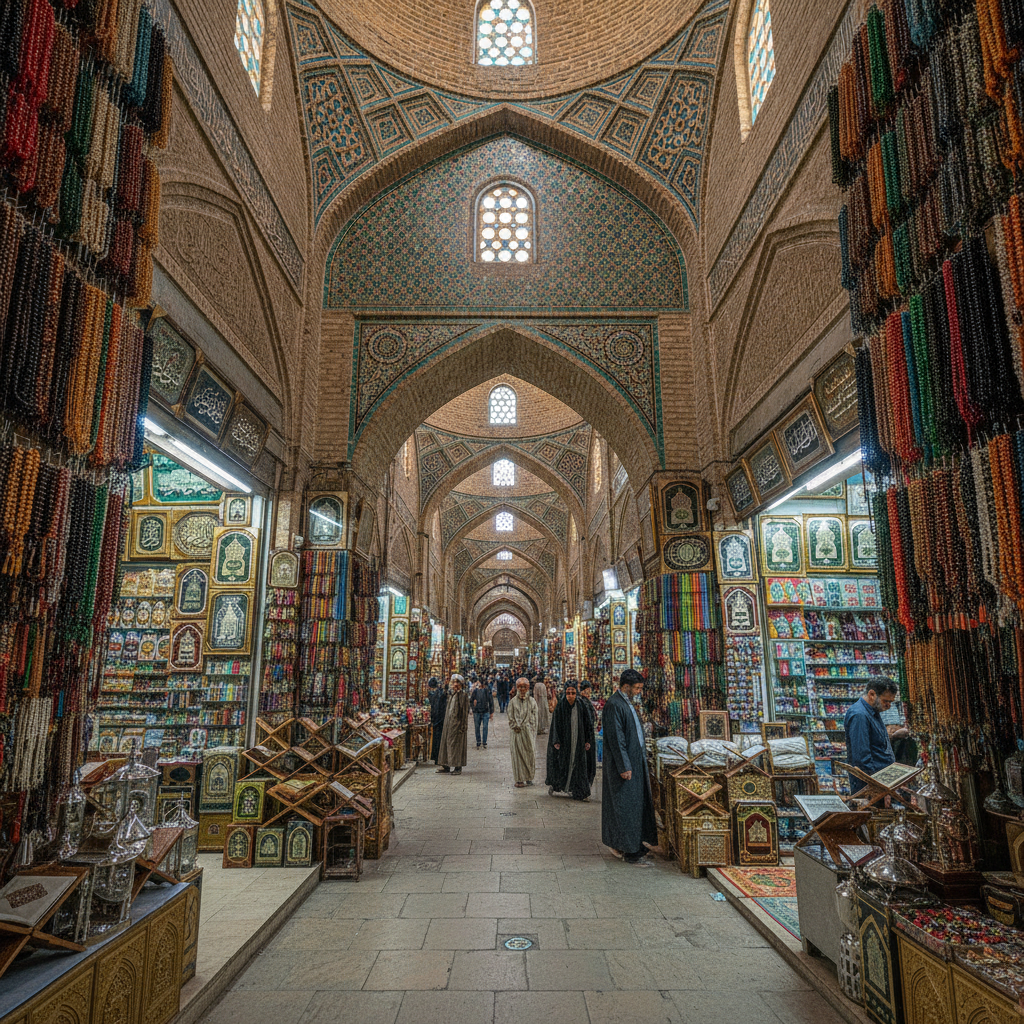
Visit a workshop producing the embroidered textiles used in the shrine — the covers for the tomb zarih enclosure, the hanging banners with calligraphic inscriptions, and the carpets woven specifically for sacred spaces — the crafts elevated by their intended use to the status of acts of devotion.
- 4
Religious Painting Tradition
Explore the Qom tradition of religious painting where images of Imam Ali, Imam Hussein at Karbala, and the other sacred figures of Shia Islam are painted in the distinctive style that combines Persian miniature traditions with the devotional intensity of icon-like sacred portraiture.
- 5
Tilework and Architecture
Examine the tilework of the shrine buildings and seminaries where the geometrical and calligraphic tile programs represent the continuing tradition of Persian sacred architecture, the craftsmen of Qom maintaining the technical knowledge required to produce and install the complex tile compositions of Islamic architectural decoration.
- 6
Religious Book Market
Browse the religious book market of Qom where the scholarly output of the theological seminaries — commentaries on jurisprudence, collections of hadith, works of Islamic philosophy, and devotional literature — is published and sold, the book market of Qom being one of the most significant centers of Islamic scholarly publishing in the world.
Walk this route with audio
Stories play automatically as you reach each stop — no tapping needed.