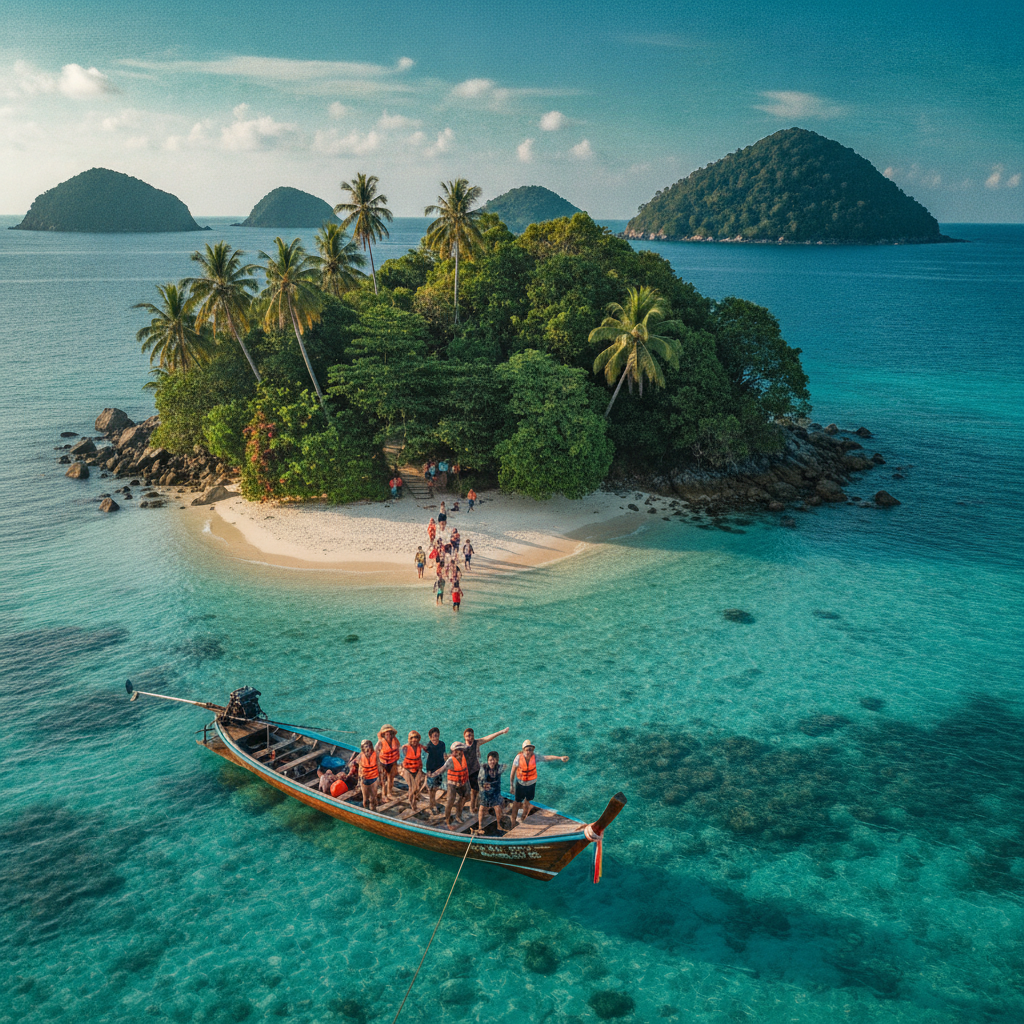
Redang Island Hopping & Neighbouring Islands Walk
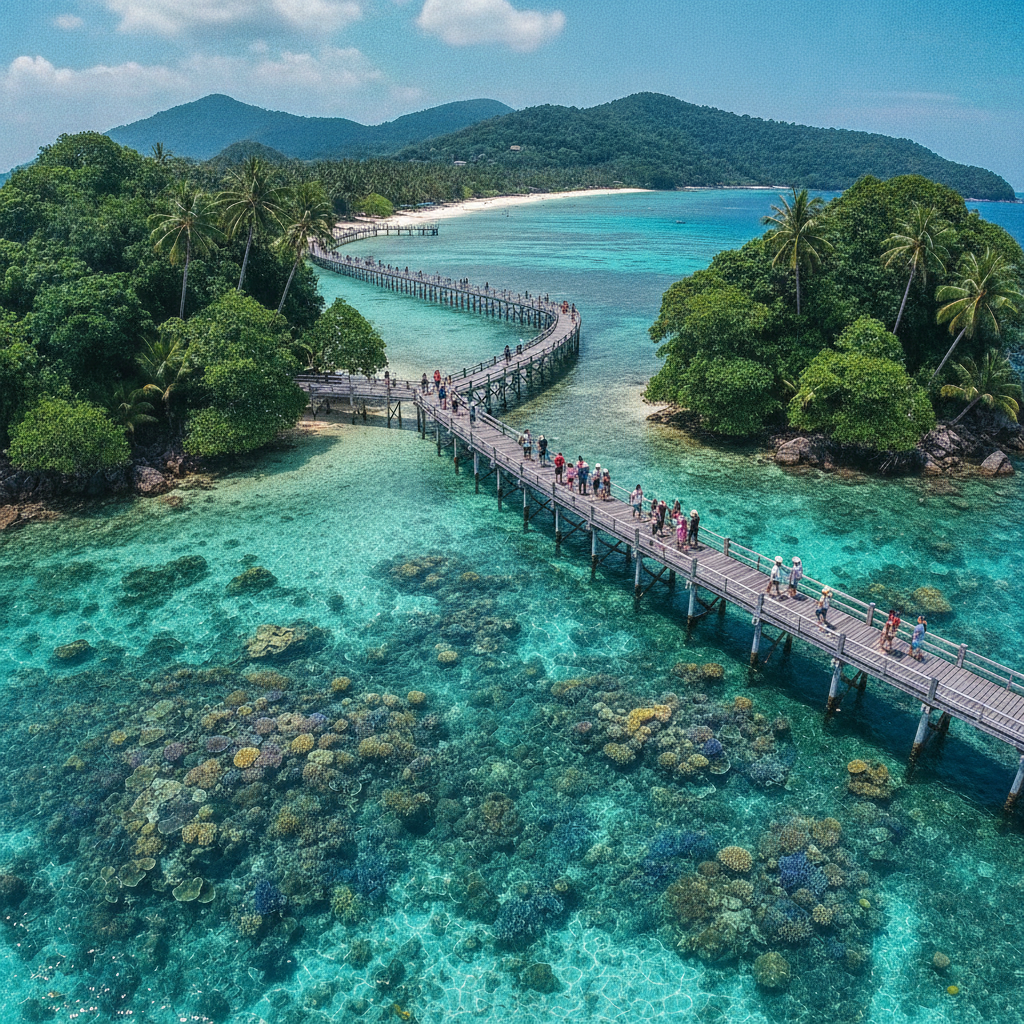
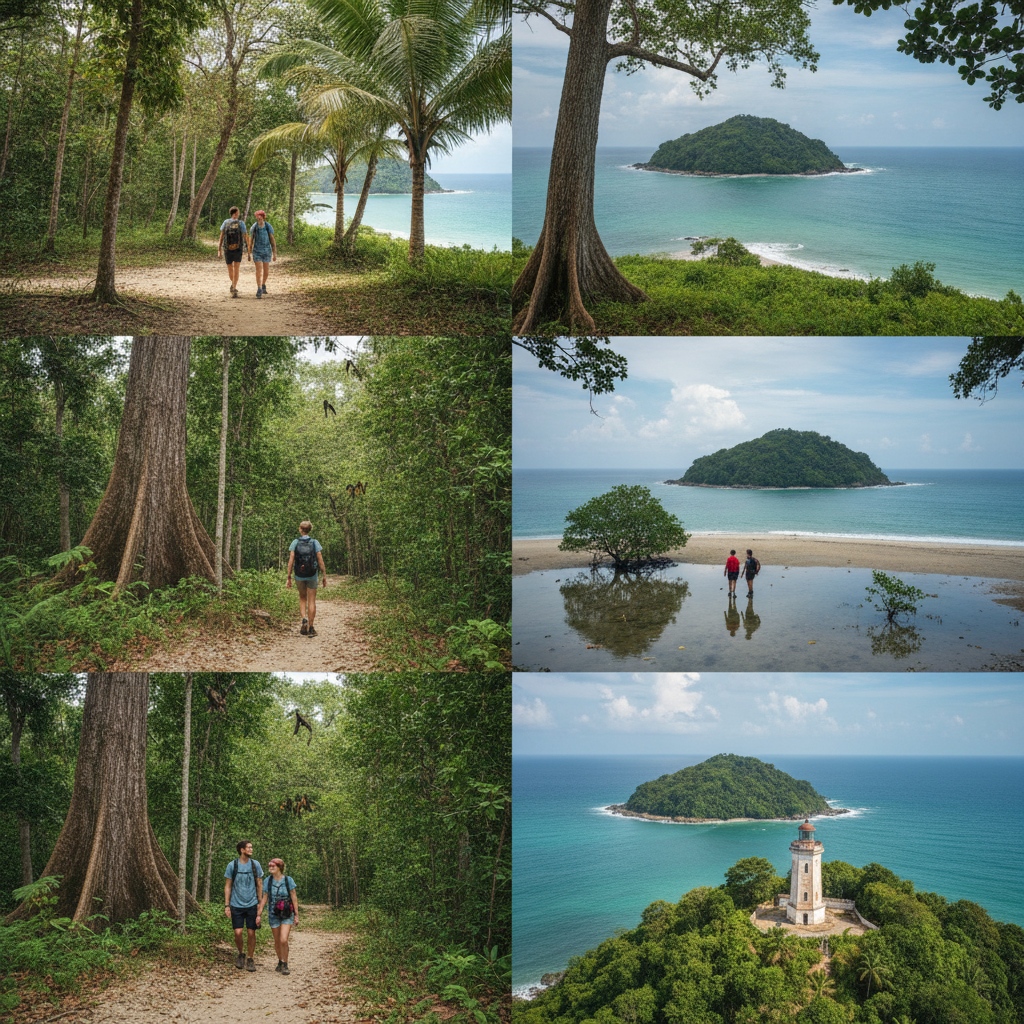
Explore the islands around Redang — the Redang Archipelago includes several smaller uninhabited islands with pristine reefs and beaches accessible by boat from the main island, providing the most secluded and undisturbed snorkel and beach experiences in the Terengganu marine park group.
- 1
Pulau Ekor Tebu Snorkel
Pulau Ekor Tebu (Sugarcane Tail Island) is a small uninhabited island in the Redang Archipelago with one of the least disturbed reefs in the marine park — the island's remote position (requiring a longer boat trip than the main Redang snorkel sites) means it receives minimal visitor pressure, and the coral coverage and fish biomass at Ekor Tebu is higher than at the more heavily used sites near the main resort beach. The boat trip to Ekor Tebu passes over deep water where schools of tuna and the occasional flying fish can be observed from the surface.
- 2
Pulau Lima Five Islands
The Lima Islands (Five Islands) group south of Redang includes five small granite outcrops rising from the sea, each surrounded by fringing reef — the island hopping tour that visits the Lima Islands provides snorkel access to reefs that are never visited independently and have some of the most pristine coral coverage in the Redang marine park area. The granite boulders of the Lima Islands at the waterline, covered with the encrusting coralline algae and the soft corals that grow in the wave-washed zone, create a distinctive aesthetic different from the sand-bottomed coral gardens near the main Redang beach.
- 3
Lang Tengah Island Day Trip
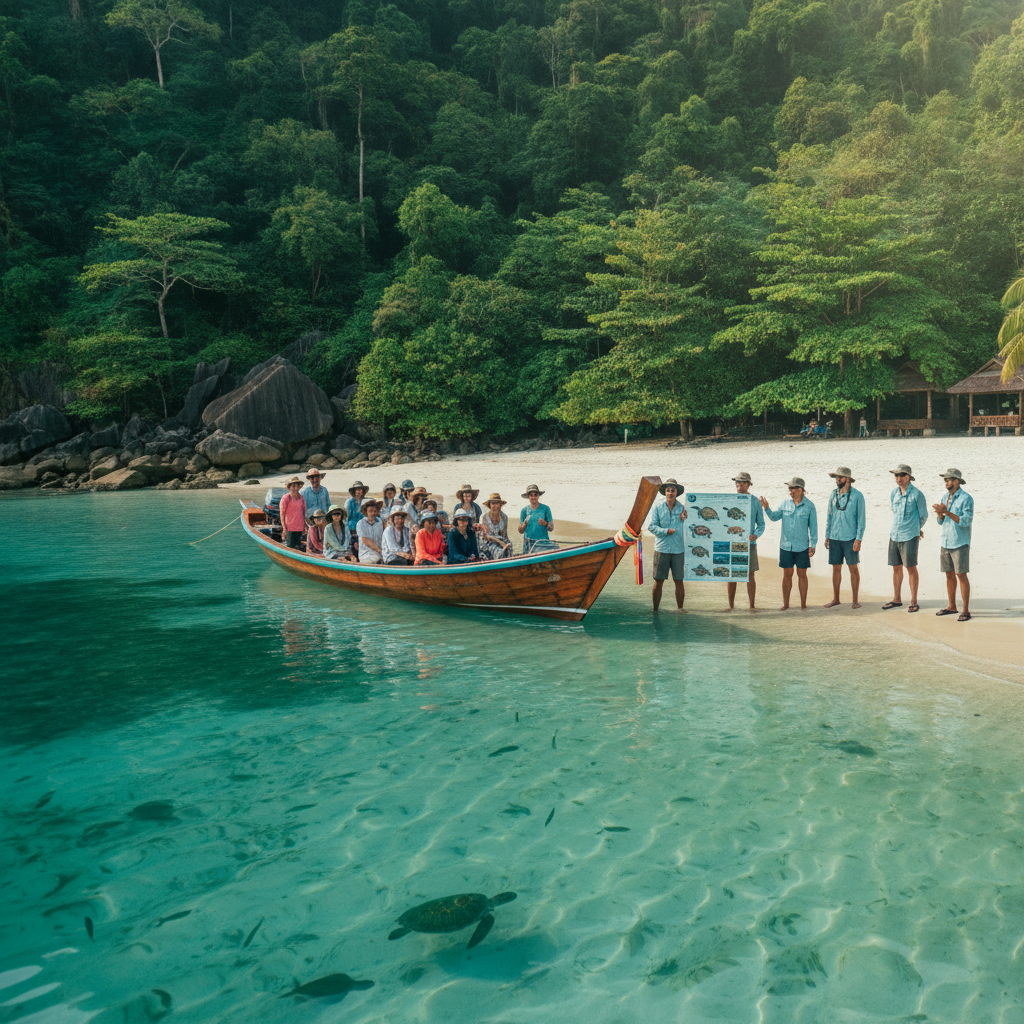
Pulau Lang Tengah, the small island between Redang and Perhentian accessible as a day trip from either island, has its own resident turtle population, excellent coral reefs, and a handful of small resorts — the island's smaller size and more limited resort infrastructure means it receives fewer visitors than either Redang or Perhentian, and the dive sites (particularly the Tanjung Tiga reef and the turtle cleaning station at the island's southern tip) offer encounters with marine life in conditions of lower visitor pressure than the more popular sites. Lang Tengah is particularly recommended for turtle encounters, with both green and hawksbill turtles resident in numbers comparable to Redang's.
- 4
Redang Archipelago Biodiversity
The Redang Archipelago (comprising Redang and its surrounding smaller islands within the marine park boundary) represents one of the highest concentrations of coral reef biodiversity in the South China Sea — the archipelago's position at the meeting of the South China Sea current systems brings nutrients from both the north and south, supporting the plankton productivity that drives the reef ecosystem's food web. The coral species count at Redang (estimated at over 100 hard coral species in recent surveys) and the fish species count (over 300 species recorded) reflect the extraordinarily high marine biodiversity of the Coral Triangle's northwestern extension into the South China Sea.
- 5
Sunset Cruise Redang
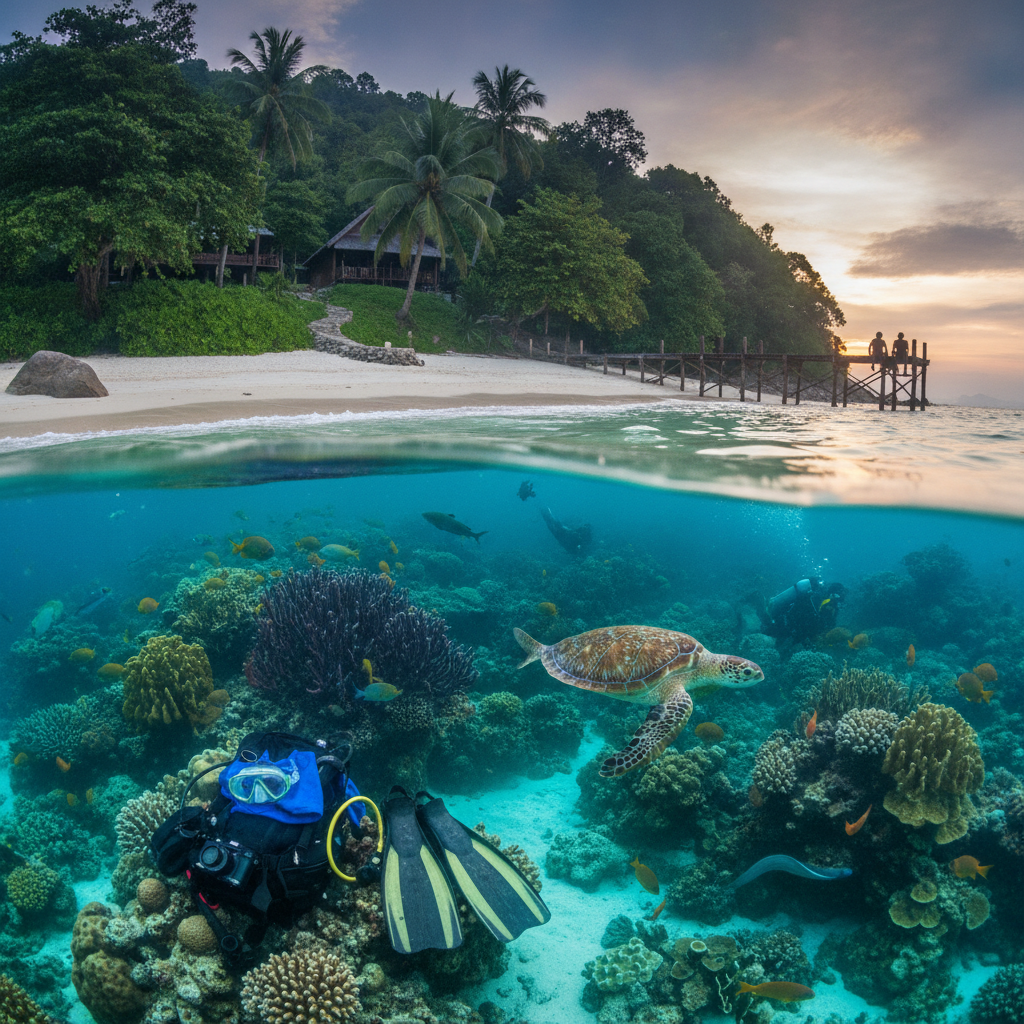
The sunset cruise from Redang's main beach visits the western-facing snorkel sites in the golden late afternoon light — the combination of the best snorkeling light quality of the day (the low-angle afternoon sun penetrating the water at a flatter angle that illuminates the reef from the side rather than from directly overhead) with the social pleasure of the boat return as the sun sets provides the most complete single-activity combination of snorkeling and landscape beauty available on the island. The cruise returns to the resort beach as the colours of the sunset fade, timing the arrival to coincide with the beginning of the evening meal service.
- 6
Seagrass Meadow Exploration
The seagrass meadows in the sheltered bays of the Redang Archipelago are one of the most significant turtle feeding habitats in the Terengganu marine park system — the dense beds of Cymodocea, Thalassia, and Halophila seagrasses in 2-5 metres of water provide the primary diet for the marine park's green turtle population and the dugong (sea cow, Dugong dugon) that has been sporadically recorded in the Redang area. The seagrass habitat, often overlooked by snorkelers seeking the more visually dramatic coral reef, is the ecological foundation of the turtle conservation programme and is closely monitored by the Marine Park rangers as an indicator of overall bay water quality.
Walk this route with audio
Stories play automatically as you reach each stop — no tapping needed.