Koh Samui Culture & Local History Walk
Discover Koh Samui's cultural history — beneath the resort economy, the island has a history as a coconut palm agricultural community with its own architectural heritage, the Chinese Hainanese fishing community that first settled the island, and the Malay cultural influence from the south that gives southern Thai culture its distinctive character.
- 1
Nathon Town Heritage
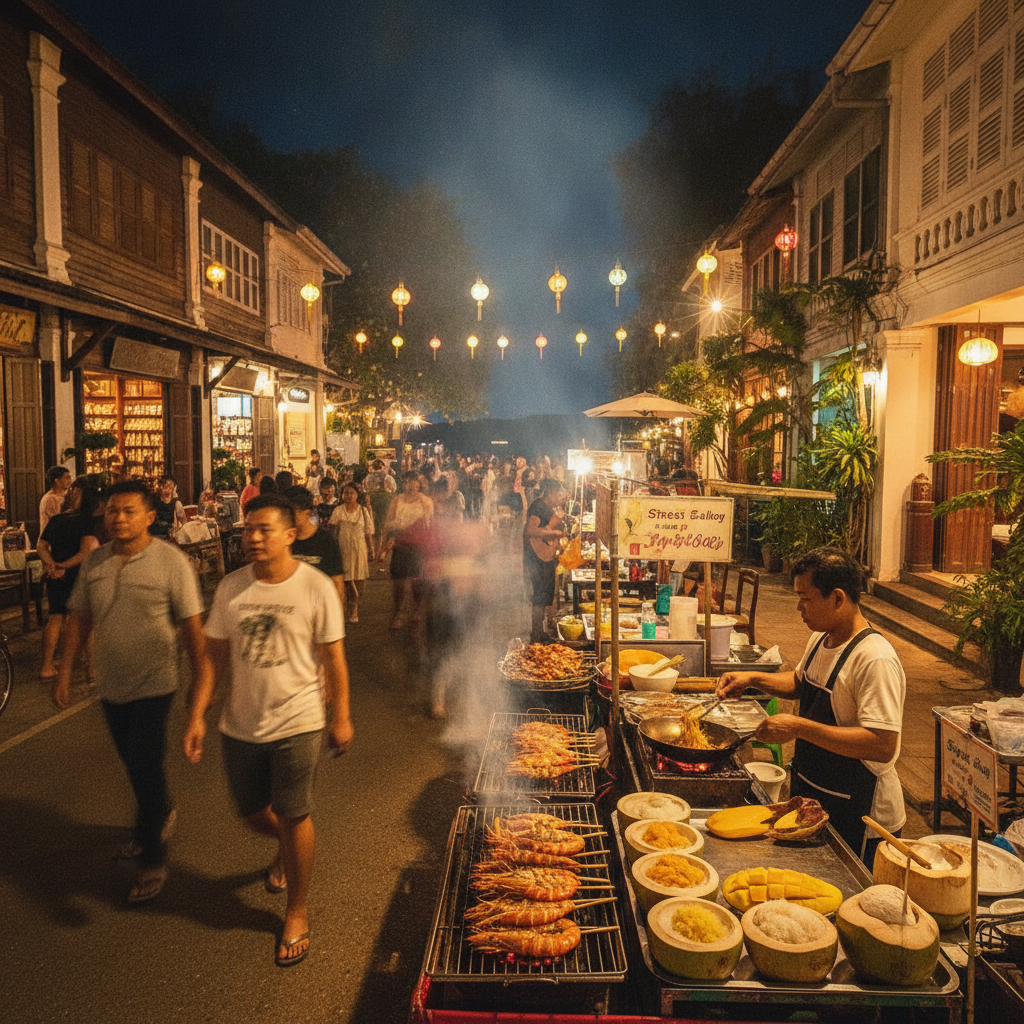
Nathon on Koh Samui's west coast is the island's administrative capital and the most historically authentic town — the colonial-era Chinese shop-house streetscape of the main road, the government offices and the court building that served as the administrative centre during the era when Koh Samui was governed as a district of Surat Thani province, and the ferry pier that for generations was the only access point to the island document the pre-resort identity of a community whose economy was entirely based on coconut palm agriculture and the fishing of the Gulf of Thailand. The Nathon market and the local restaurants serving the residents' community meals rather than the tourist restaurant trade provide the most authentic encounter with contemporary Thai island life.
- 2
Hainanese Chinese Heritage
Koh Samui's original commercial community was primarily Hainanese Chinese (from Hainan island, the southernmost province of China) — the Hainanese who came to Koh Samui in the early 20th century established the coconut trading and export business, the kopitiam coffee shops, and the fishing operations that provided the island's economic infrastructure before tourism arrived. The Chinese temple in Fisherman's Village (Ban Bo Phut) and the ancestor tablets in the village homes of the old Chinese families document the history of this founding community.
- 3
Ban Bang Po Fishing Village
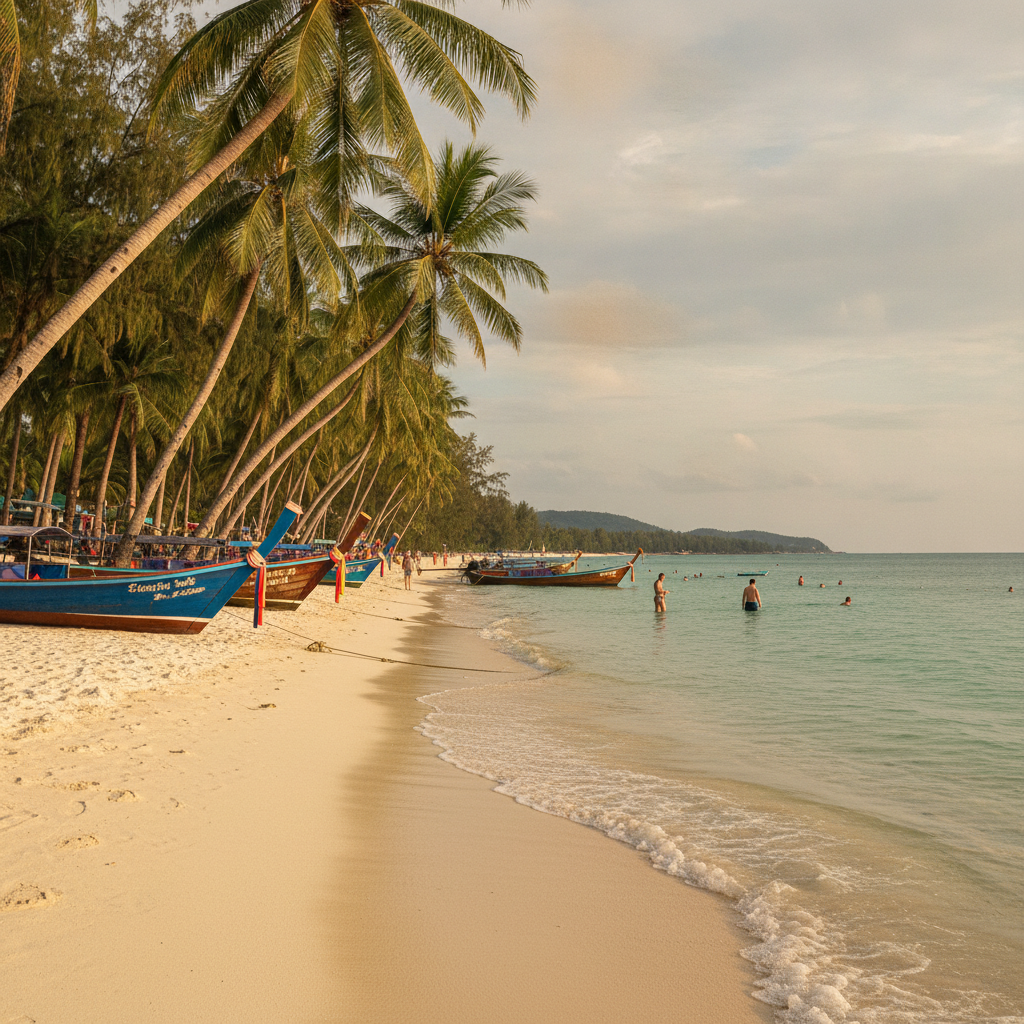
Ban Bang Po on Koh Samui's northern coast is one of the most traditional fishing villages remaining on the island — the community of Thai Muslim fishing families whose boats go out each evening to fish the Gulf of Thailand maintains the traditional maritime culture that preceded the resort economy on the island's northern shore. The village mosque, the traditional wooden houses, and the fishing boat maintenance operations visible on the beach provide the most direct encounter with the fishing community's daily life.
- 4
Coconut Plantation History
The coconut palm landscape that covers Koh Samui's hillsides behind the coastal resort strip documents the island's pre-tourism agricultural economy — the island was exporting 2 million coconuts monthly to Bangkok in the mid-20th century, with the coconut oil, the dried coconut meat (copra), and the coconut products providing the island's economic foundation for generations before the first beach resorts were established in the 1970s. The remaining coconut farms accessible from the resort areas, some of which still use the trained macaque monkeys to harvest the high coconuts, provide the most direct encounter with the agricultural tradition that the resort economy has largely displaced.
- 5
Southern Thai Culture
Koh Samui's position in the southern Thai cultural zone (the region from Surat Thani south to the Malaysian border) gives the island's resident culture a distinctive character different from the Bangkok-centric Thai culture that most tourists associate with Thailand — the southern Thai language (with its faster tempo, different tonal patterns, and vocabulary that incorporates Malay loanwords), the food (spicier, more sour, with a greater emphasis on shrimp paste and fresh turmeric), and the cultural practices (including the influence of Islamic culture from the Muslim Malay communities of the deep south) create a regional identity that is visible in the market stalls, the temple decorations, and the community festivals of the island's resident population.
- 6
Samui Cultural Centre
The Samui Cultural Centre in Nathon presents the island's history and traditional culture through museum displays, cultural performances, and craft demonstrations — the centre's documentation of the island's pre-tourism economy (the coconut palm agriculture, the traditional boat building, the fishing techniques), the Chinese and Malay cultural influences, and the transformation of the island from an isolated agricultural community to one of Asia's premier beach destinations in just four decades provides the most complete historical overview of Koh Samui's extraordinary social and economic transformation.
Walk this route with audio
Stories play automatically as you reach each stop — no tapping needed.