Santa Marta Caribbean Diving: Reefs of the Colombian Coast
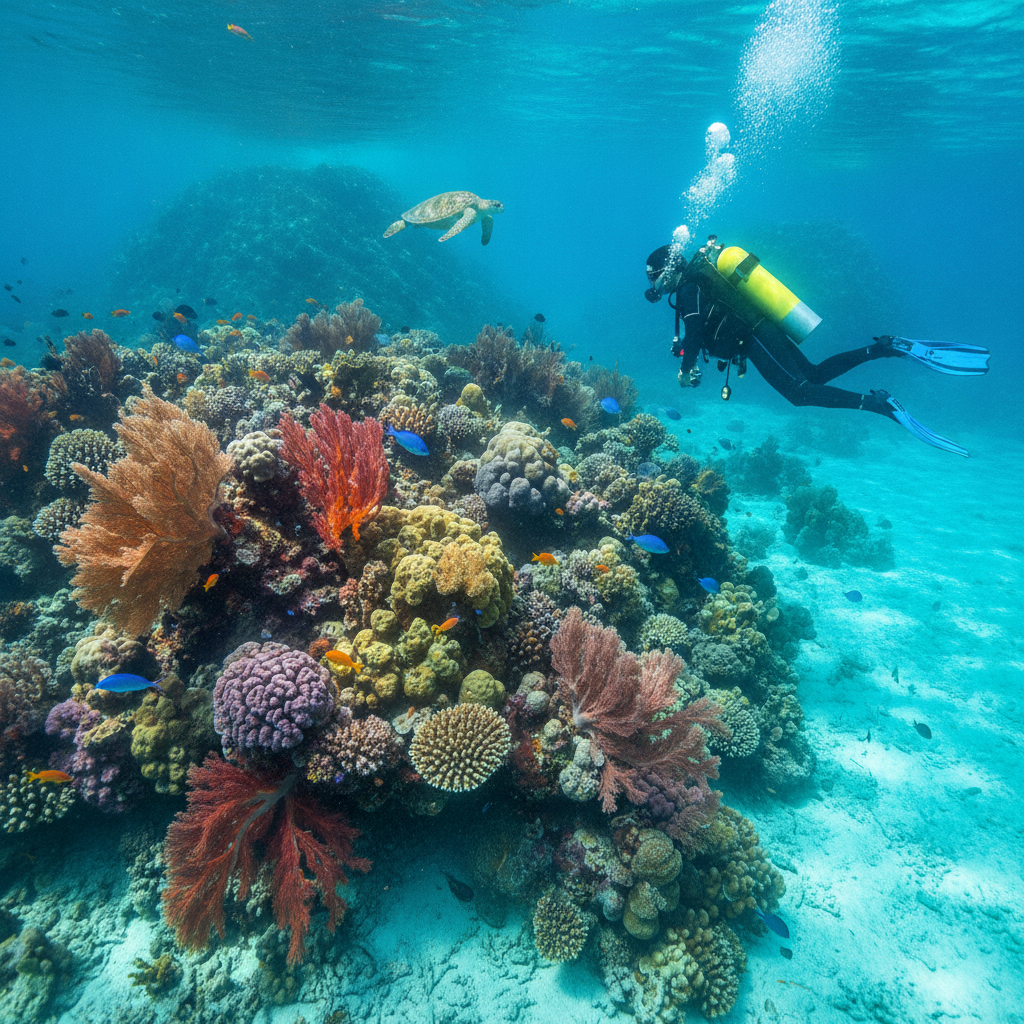
The Caribbean coast near Santa Marta has excellent diving — the protected waters of Tayrona National Park, the offshore reefs, and the relative lack of heavy dive tourism have allowed the coral ecosystems to recover unusually well
- 1
Tayrona Marine Protected Area
Tayrona National Park's marine zone – protected from fishing and commercial activity – has allowed coral reefs to recover unusually in the wider Caribbean; fish biomass, coral cover and marine mammal abundance are significantly higher than unprotected areas
- 2
Neguanje Bay Diving
Neguanje Bay in Tayrona — accessible by boat from the park's coastal areas — has excellent reef diving with good visibility; The bay's isolation from land access protects it from recreational overuse
- 3
Diving logistics from Santa Marta
Several dive operators in Santa Marta (near the marina and in the Rodadero area) offer day trips to the best dive sites — the 30-45 minute boat trips to Tayrona's reef are standard; PADI certification courses are available
- 4
Encounters with sea turtles
Sea turtles — green, leatherback and hawksbill — nest on Tayrona's beaches and are encountered diving in the marine protected area; the Caribbean population of hawksbill turtles, recovering from hunting pressure, are regularly seen near the reef
- 5
Night diving
Night diving near Santa Marta reveals the nocturnal community of the Caribbean reef – the hunting octopuses, the sleeping parrotfish in their slime cocoons and the luminescent plankton that create blue sparks of light in the water are remarkable nighttime experiences
- 6
Caribbean Marine Biodiversity
Colombia's Caribbean coast—with its warm waters, the upwelling influence of the Guajira to the north, and the coral formations—supports extraordinary marine life; the diversity of reef fish, the Caribbean reef shark and the eagle rays of the Santa Marta coast are exceptional
Walk this route with audio
Stories play automatically as you reach each stop — no tapping needed.
More in Santa Marta
Tayrona National Park: Jungle Meets Caribbean Sea
Minca: World-Class Birding in the Sierra Nevada
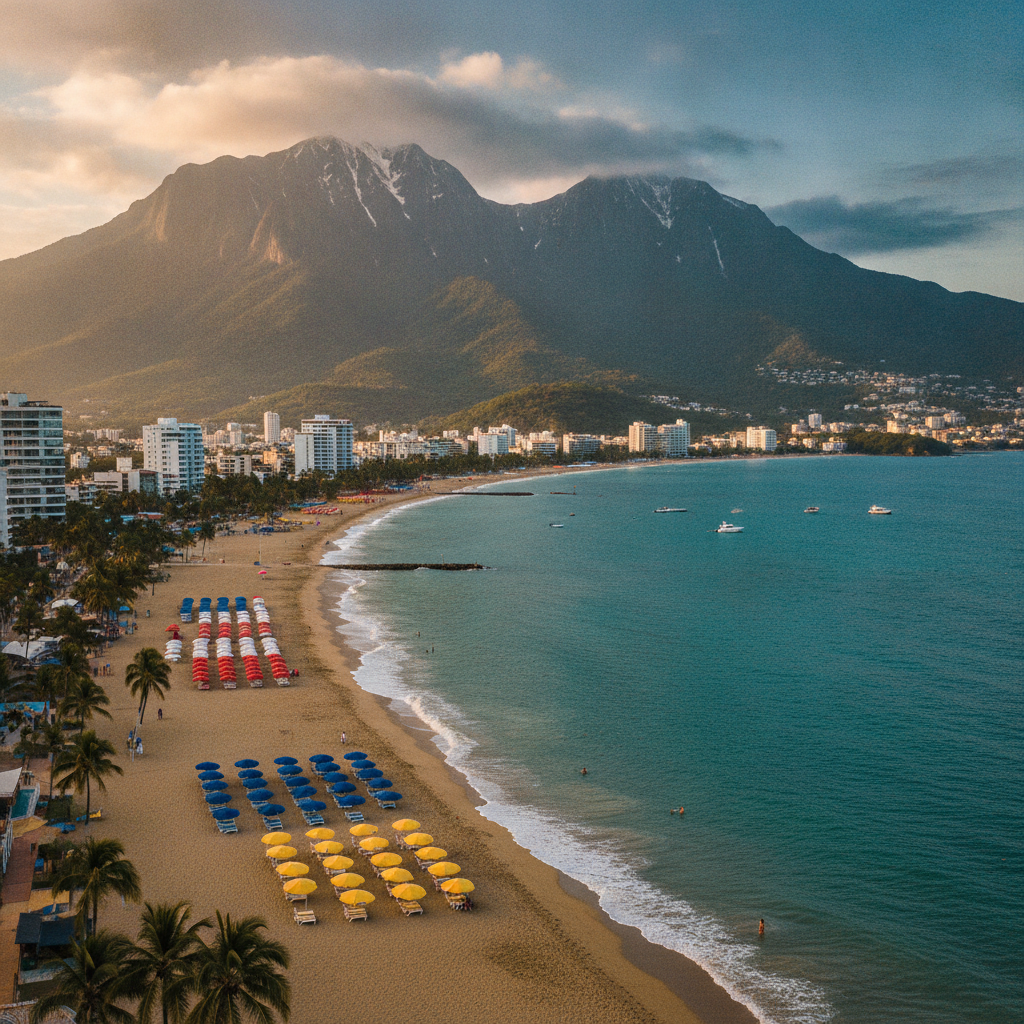
Santa Marta's Caribbean Coast: Beaches of the Magdalena
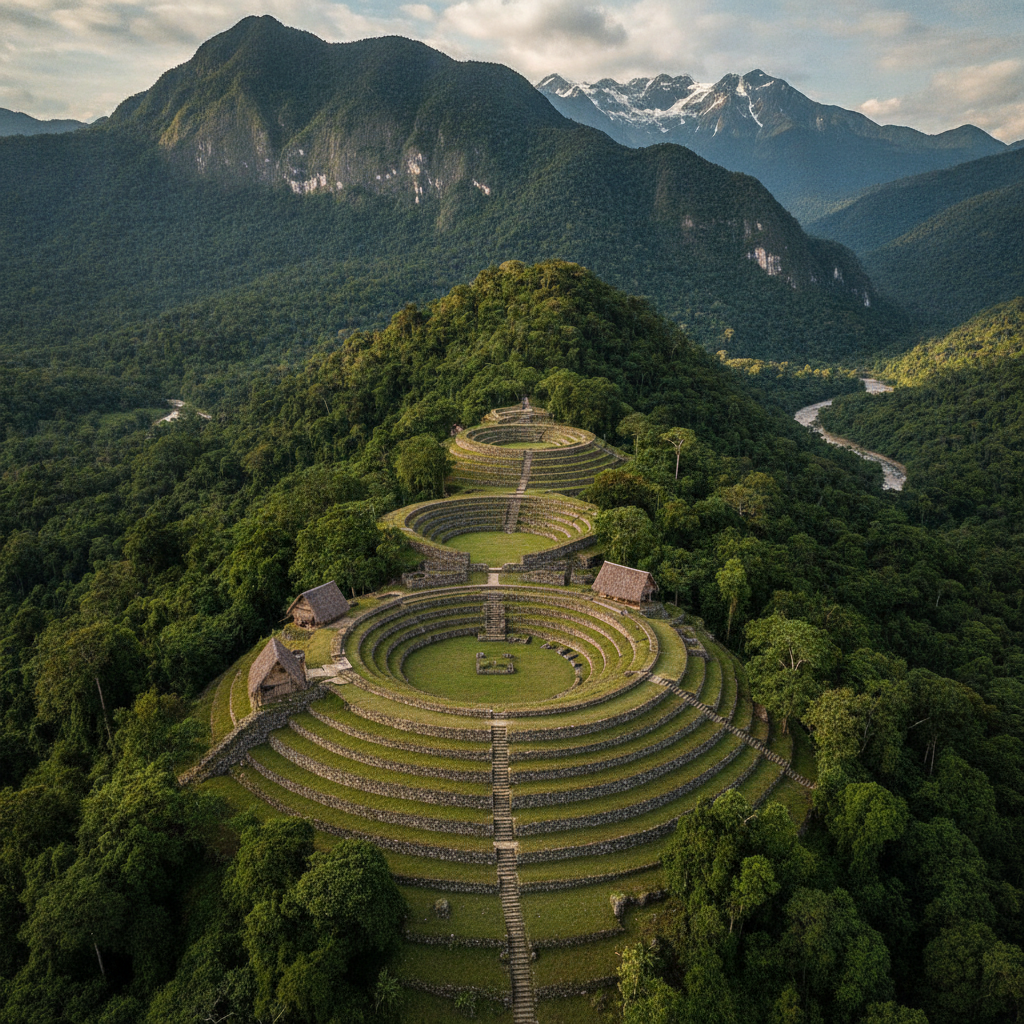
Ciudad Perdida: Colombia's Lost City in the Sierra Nevada

Santa Marta: Colombia's Oldest Colonial City