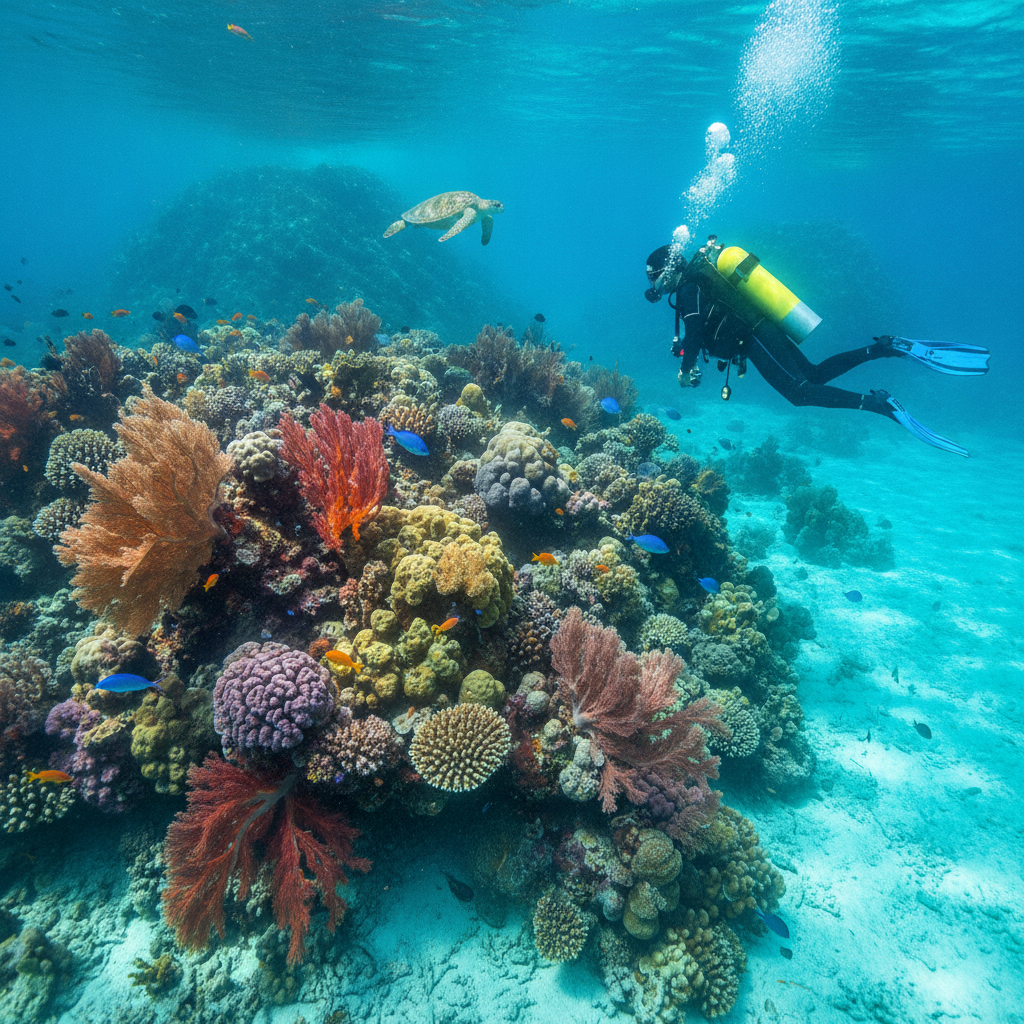
Santa Marta: Colombia's Oldest Colonial City
Santa Marta — founded in 1525 — is the oldest surviving European city in South America; the historic centre's colonial architecture, the Simón Bolívar connection, and the Caribbean waterfront combine in Colombia's most historically significant coastal city
- 1
Foundation 1525
Santa Marta was founded on July 29, 1525 by Rodrigo de Bastidas - the first permanent European settlement on the South American mainland; the city's age, colonial square and cathedral give it a historical weight absent from Colombia's other Caribbean cities
- 2
Cathedral Basilica
Santa Marta Cathedral – begun in 1766 on the foundations of an earlier church – is Colombia's oldest cathedral in continuous use; the simple colonial facade, the cool interior and the tombs of early governors create a tangible connection to the Spanish colonial era
- 3
Death of Simón Bolívar in Santa Marta
Simón Bolívar – the liberator – died in Santa Marta on December 17, 1830 at the hacienda San Pedro Alejandrino; The hacienda, now a museum on the outskirts of the city, is the most important pilgrimage site for Bolívar in South America
- 4
Quinta de San Pedro Alejandrino
The hacienda where Bolívar spent his last weeks – surrounded by mango trees that he is said to have passed under – is preserved as a monument; the bedroom where he died, the furniture and the botanical garden create an intimate historical encounter
- 5
Malecon Waterfront
The Santa Marta malecon — the renovated bayside promenade — is the city's social heart; the evening activity, the Caribbean breeze, the fishing boats and the Sierra Nevada backdrop make it one of Colombia's best urban boardwalks
- 6
Historic district of El Prado
The El Prado neighborhood of Santa Marta—with its 19th- and 20th-century Republican architecture—is a compact historic district; the restored facades, small squares and restaurants in colonial buildings are the best of Santa Marta's urban offerings
Walk this route with audio
Stories play automatically as you reach each stop — no tapping needed.
More in Santa Marta
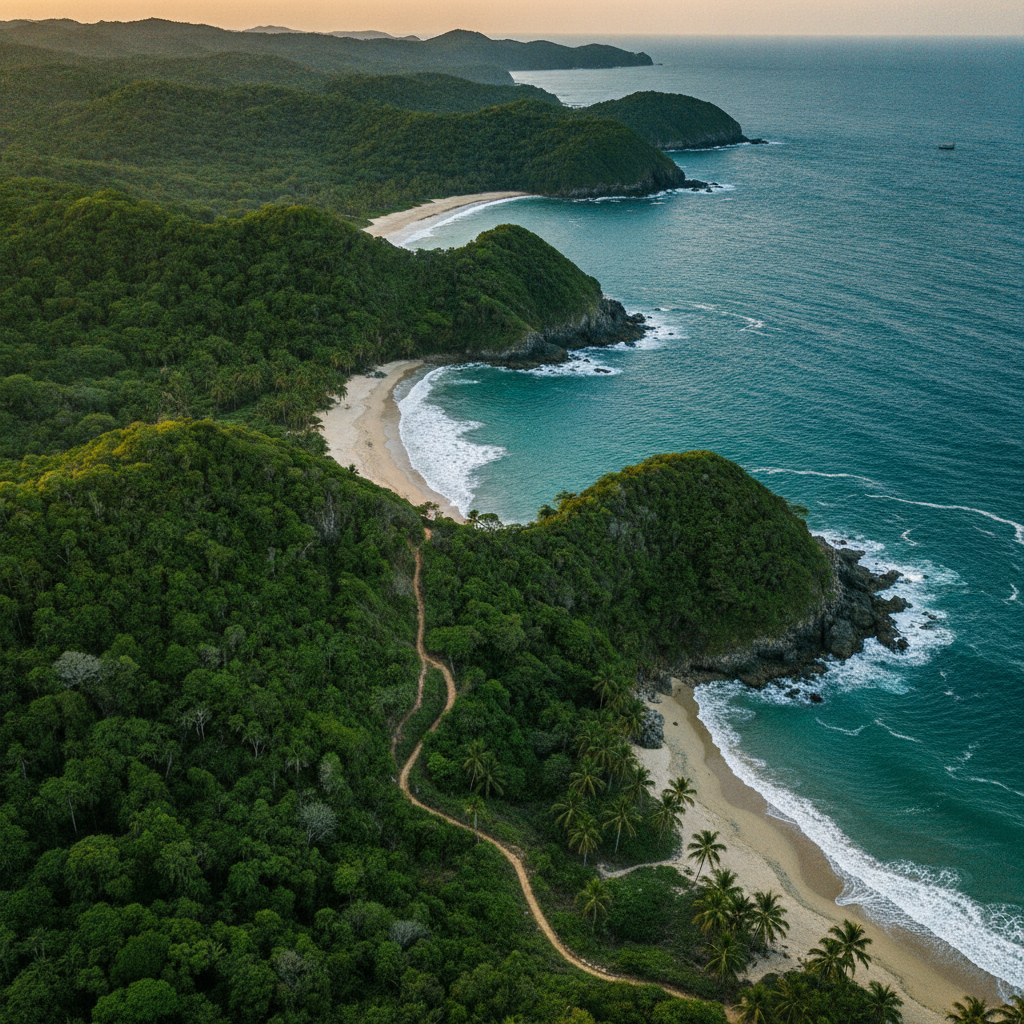
Tayrona National Park: Jungle Meets Caribbean Sea
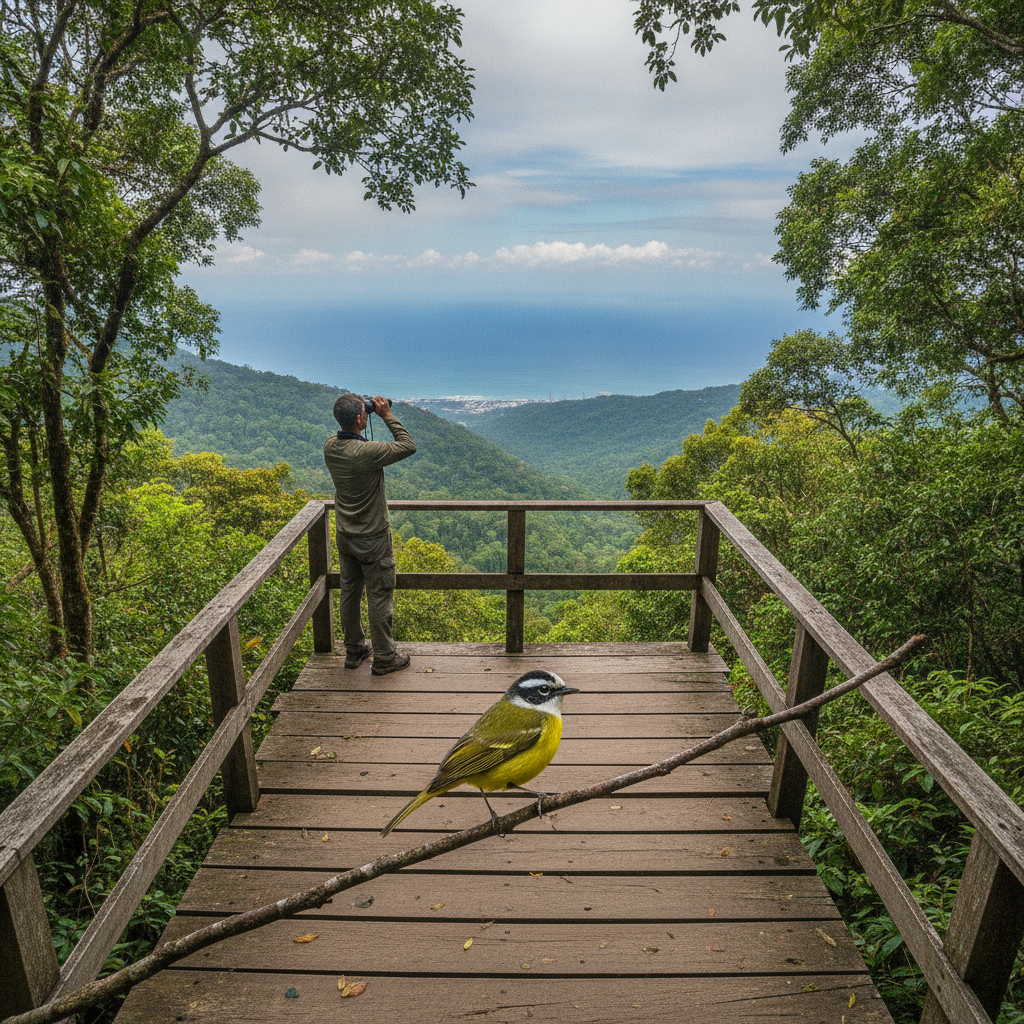
Minca: World-Class Birding in the Sierra Nevada
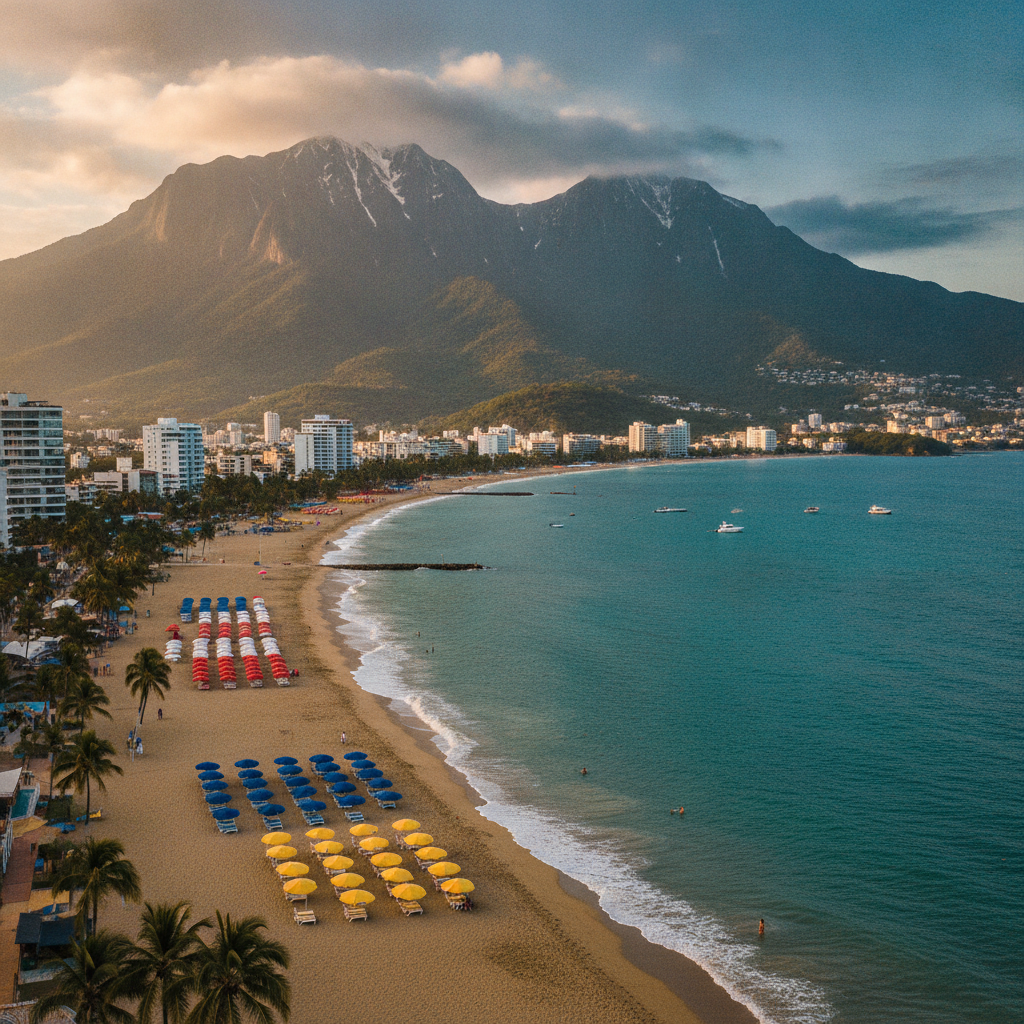
Santa Marta's Caribbean Coast: Beaches of the Magdalena
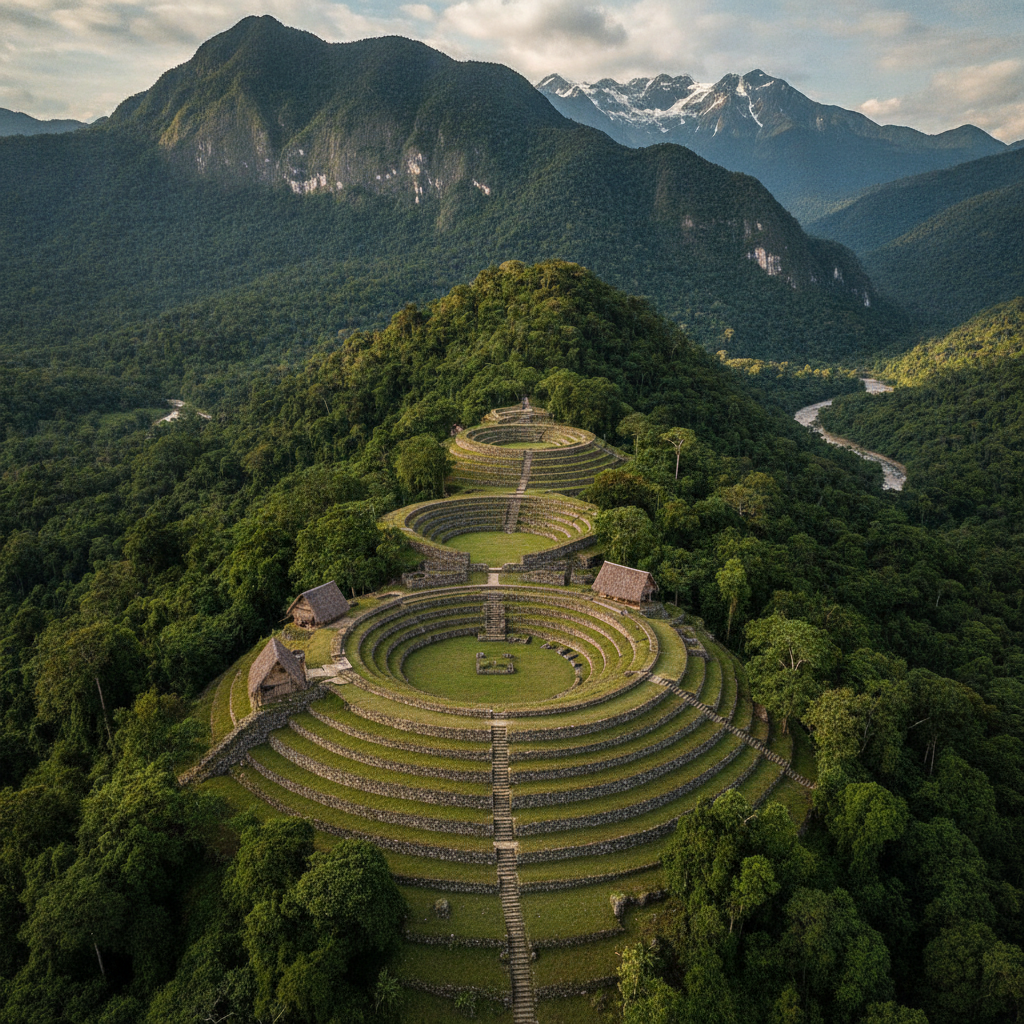
Ciudad Perdida: Colombia's Lost City in the Sierra Nevada
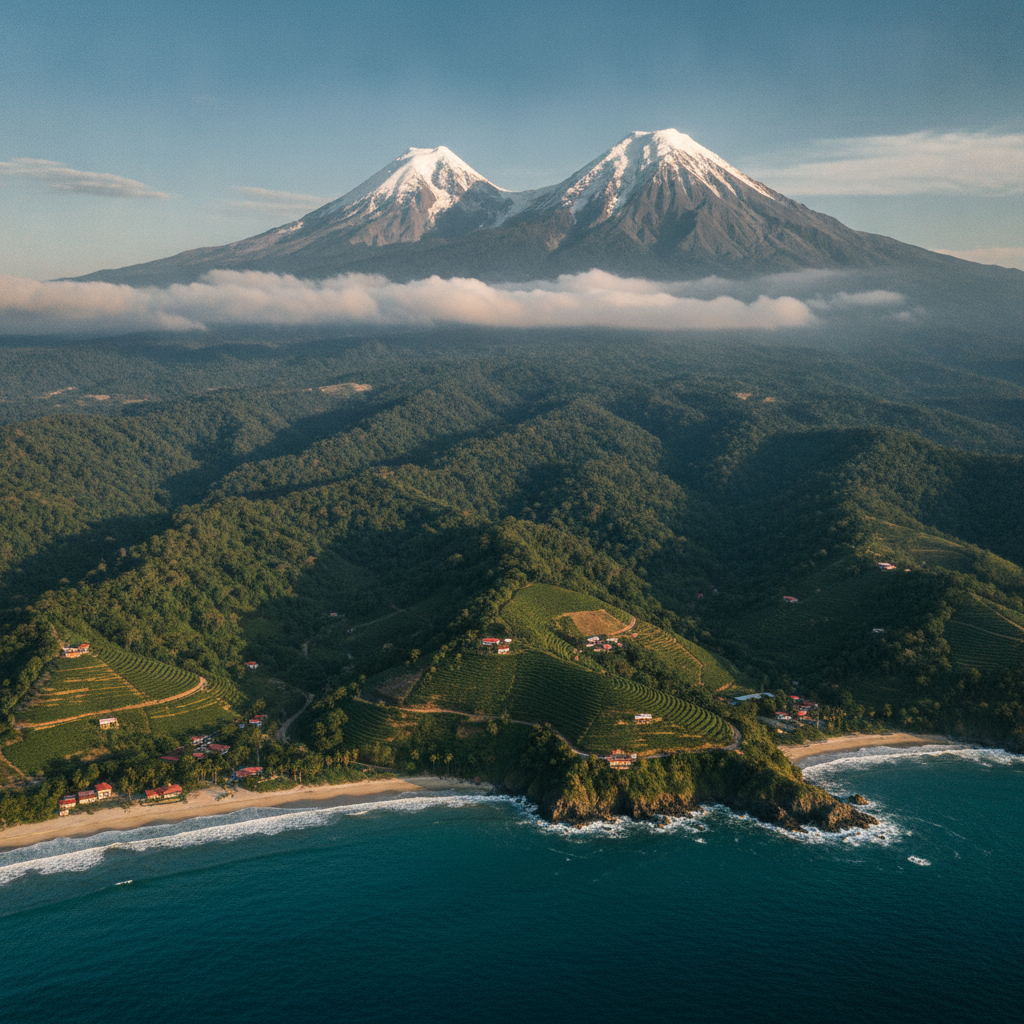
Sierra Nevada de Santa Marta: The World's Highest Coastal Mountain