Shiraz Zoroastrian Heritage: The Fire Temples, Pars as the Persian Heartland, the Ancient Religion, and the Most Historically Consequential Single Pre-Islamic Iranian Faith
The Shiraz Zoroastrian heritage route covers the fire temples as the most symbolically significant single Zoroastrian religious site, Pars as the ancient Persian heartland, the Zoroastrian religion as the most historically consequential single pre-Islamic Iranian faith, and the Zoroastrian heritage near Shiraz.
- 1
Zoroastrianism: The Original Persian Religion
Zoroastrianism (the most historically consequential single pre-Islamic Iranian religion founded by the most specifically Zarathustra (Zoroaster) prophet in the most completely debated single 1500-600 BC historical period, with the most comprehensively monotheistic single ahura mazda supreme deity concept in the most directly influential single pre-Abrahamic religion that most specifically influenced the most completely Judaism, Christianity, and Islam single apocalyptic-and-judgment single theological concept through the most particularly Achaemenid-era single Persian-Jewish contact during the most specifically Babylonian single captivity), is the most religiously consequential single ancient Iranian faith.
- 2
Sacred Fire: The Atesh Bahram
The Atesh Bahram sacred fire (the most specifically highest-grade single Zoroastrian sacred fire consecrated through the most elaborately 1001-day single purification ritual requiring the most comprehensively collected single 16 different fire source in the most precisely fire-of-the-hearth-of-every-single-occupation single traditional ceremony, burning in the most specifically sealed single inner sanctum accessible only to the most completely Zoroastrian-priest single mobad), is the most religiously significant single Zoroastrian object and the sacred fire most directly embodying the most specifically Zoroastrian single ahura mazda divine light principle.
- 3
Pars Museum (Fars Museum): The Regional Heritage
The Pars Museum in Shiraz (the most specifically Zand-era single octagonal pavilion in the most completely traditional single Zand garden with the most comprehensively Fars Province single archaeological collection from the most specifically Achaemenid through Sassanid single Persian antiquity, housed in the most architecturally distinctive single 18th century single Karim Khan Zand pavilion creating the most practically combined single garden-and-museum single Shiraz heritage visit), is the most architecturally charming single Shiraz museum.
- 4
Zoroastrian Community in Fars: The Surviving Tradition
The surviving Zoroastrian community in Fars Province (the most specifically Zoroastrian-heritage single Iranian population concentration with the most completely Yazd and Shiraz-region single traditional Zoroastrian agricultural community maintaining the most specifically navjote single initiation ceremony, the most traditionally sudreh-and-kusti single sacred garment, and the most comprehensively active single Zoroastrian calendar festival including the most specifically Sadeh and Mehregan single ancient Iranian celebration), is the most practically living single ancient Persian religious tradition.
- 5
Cyrus the Great and Zoroastrianism: The Religious Policy
Cyrus the Great and Zoroastrianism (the most specifically tolerant single Achaemenid religious policy with the most completely Cyrus Cylinder single religious freedom declaration (the most specifically claimed single first human rights document), the most directly Zoroastrian-royal single Persian court with the most comprehensively non-imposed single state religion allowing the most specifically Babylonian, Egyptian, and Jewish single subject populations to practice the most completely own single religion), is the most historically consequential single ancient Persian religious tolerance narrative.
- 6
Persepolis and Zoroastrian Symbolism: The Faravahar
The Zoroastrian Faravahar symbol at Persepolis (the most specifically Achaemenid single royal carved symbol with the most completely winged-disk-and-human-figure single Faravahar relief at the most specifically Persepolis single Gate of All Nations, representing the most traditionally interpreted single fravashi (divine spirit) concept in the most directly Persian-religious-iconography single archaeological evidence), is the most visually recognizable single Zoroastrian religious symbol and the carving most directly connecting the most specifically Achaemenid royal with the most specifically Zoroastrian single divine protection concept.
Walk this route with audio
Stories play automatically as you reach each stop — no tapping needed.
More in Shiraz
Shiraz Food: Kalam Polo, Faloodeh, the Local Persian Cuisine, the Traditional Teahouses, and the Most Culinarily Regional Single Iranian City
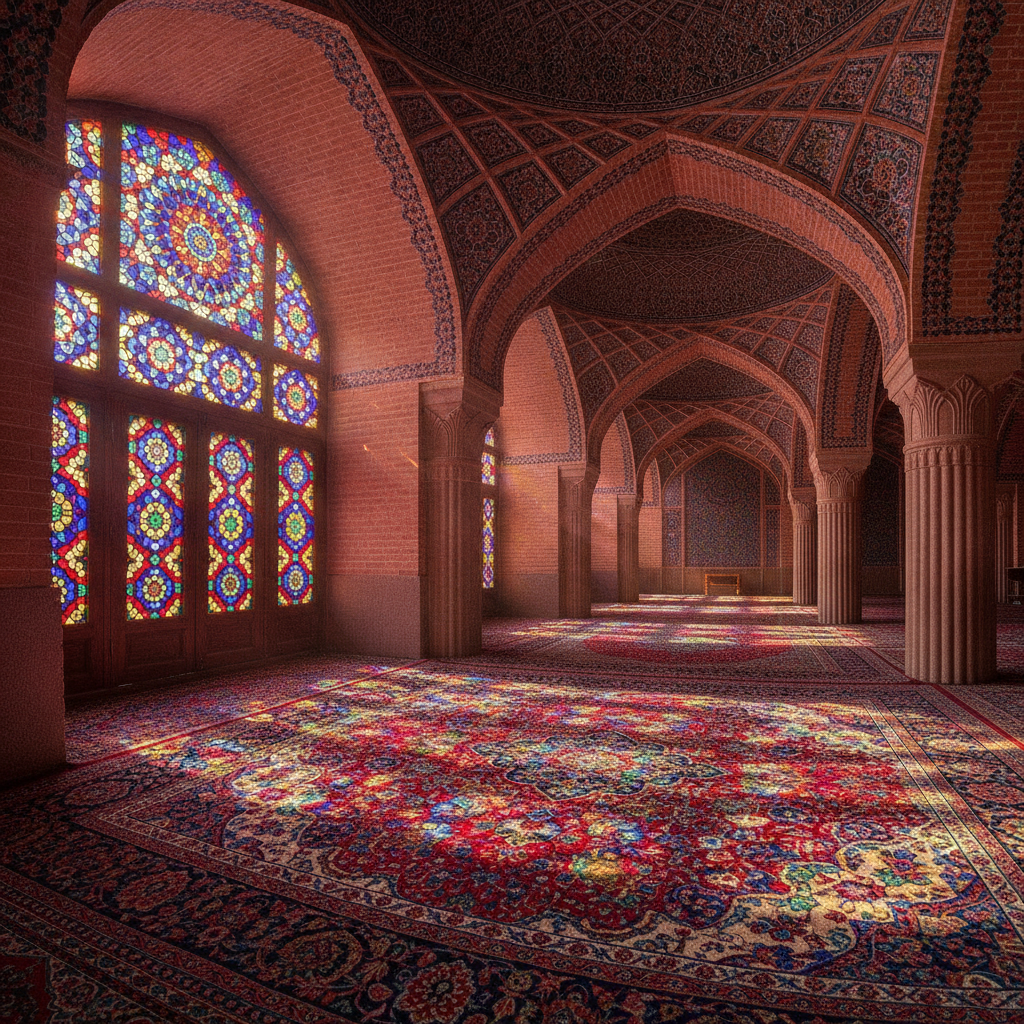
Shiraz Essential: Persepolis, the Pink Mosque, the Tomb of Hafez, Eram Garden, and the Most Poetically Beautiful Single Iranian City
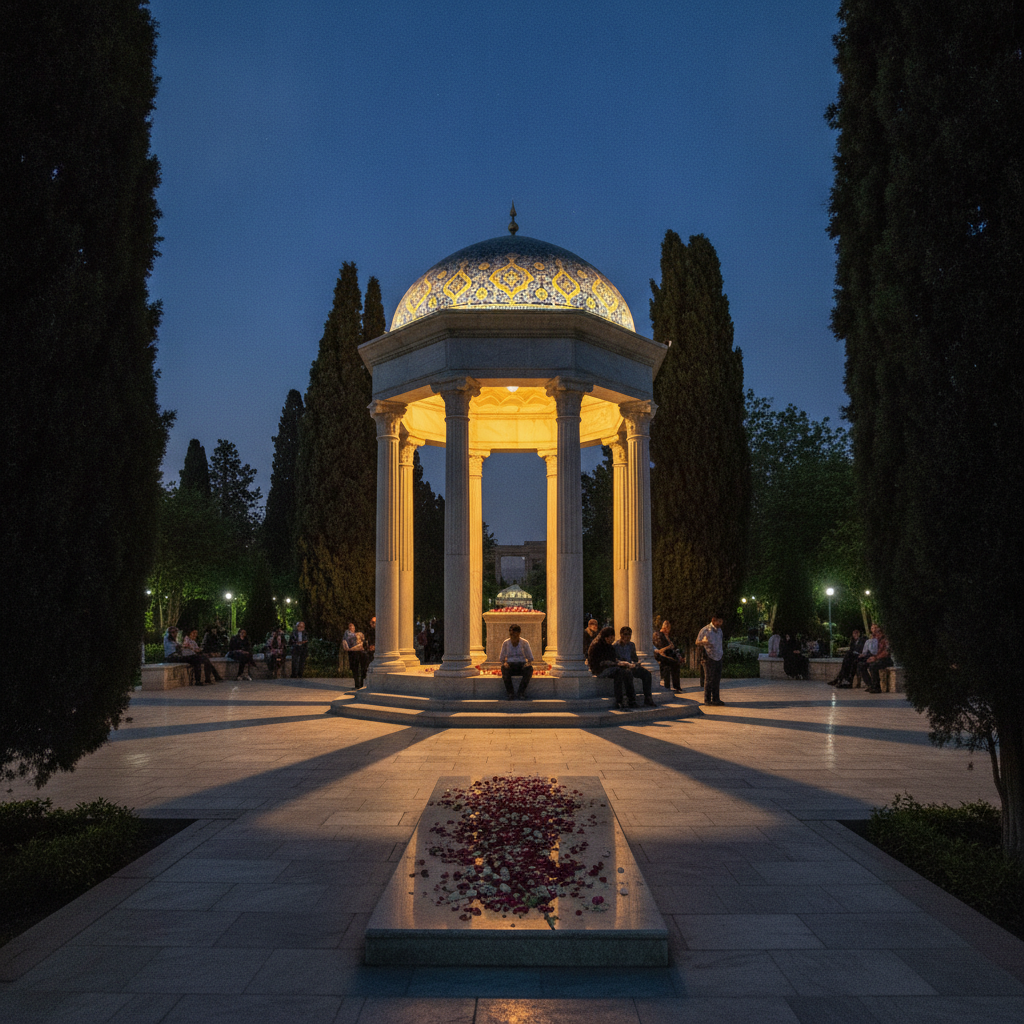
The Persepolis Treasury Tablets the Primary Documentary Evidence for Achaemenid Administration, Saadi's Bani Adam Verse on the UN Headquarters Wall & the DNA Proof That the Shiraz Wine Grape Actually Originates in France Not Persia
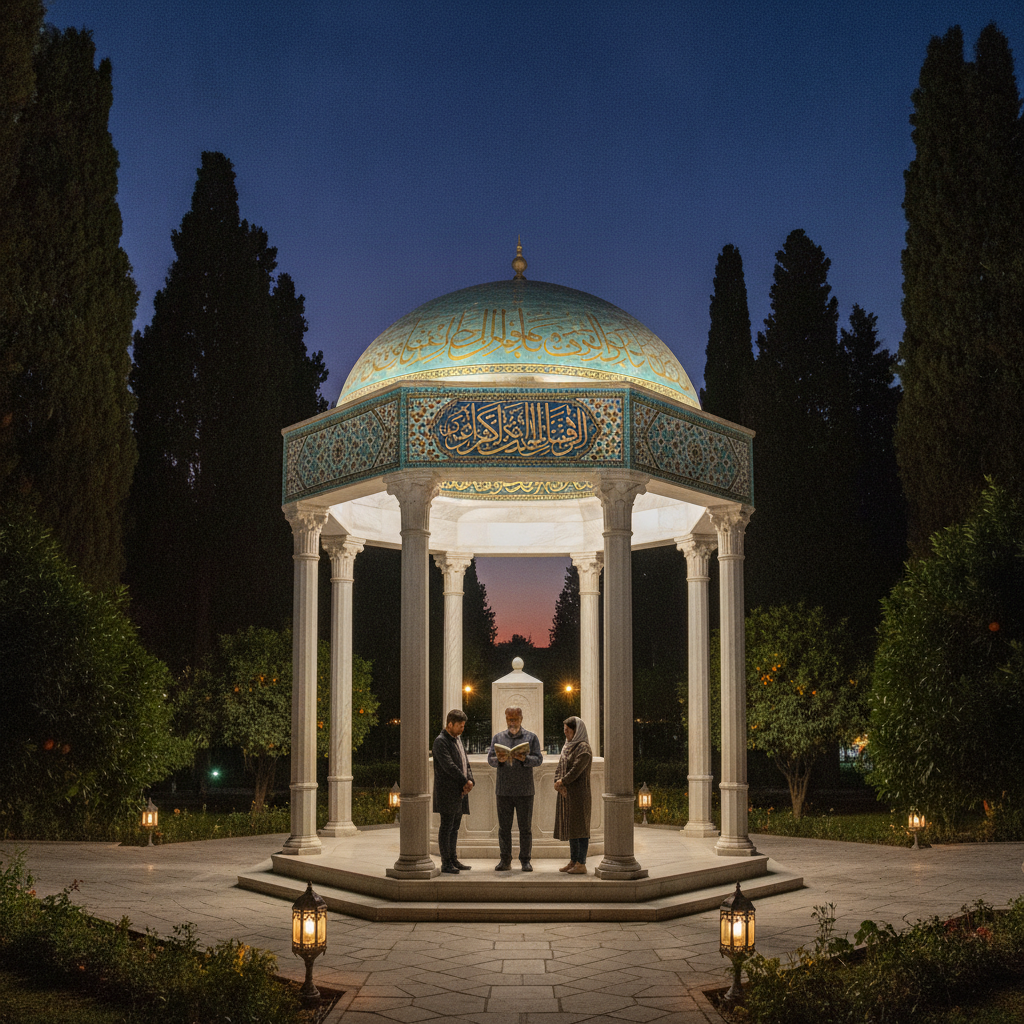
Hafez Memorized the Quran in 14 Recitations by Age 20 and His Divan Serves as the Oracle (Fal-e Hafez) for 85 Million Iranians Today, Saadi's Bani Adam Verse is Engraved at the United Nations, Karim Khan Built Shiraz as Capital but Refused the Title of Shah

Shiraz Wine and Poetry: The Grape Heritage, the Persian Garden Culture, Hafez and Saadi, and the Most Romantically Literary Single Iranian City