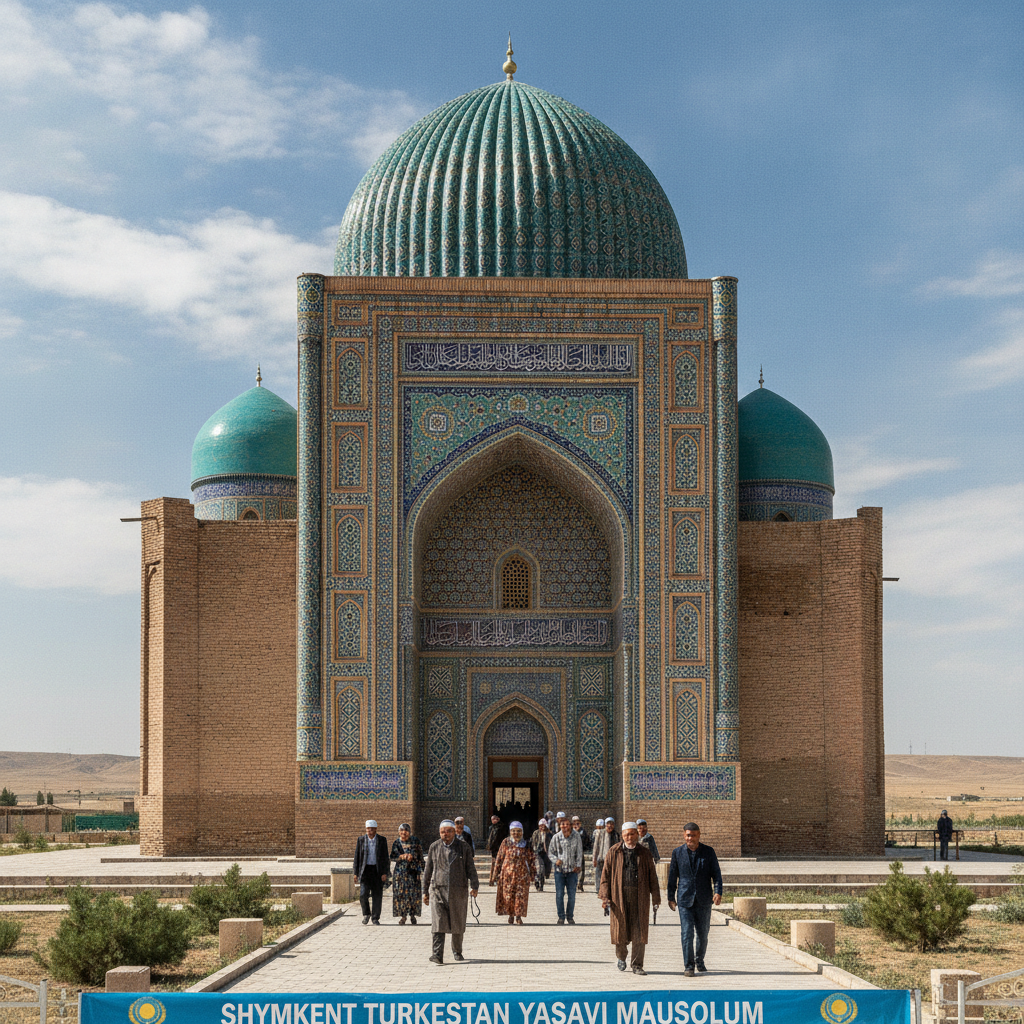
Shymkent Russian Colonial Soviet Industrial History
Explore Shymkent's 19th and 20th century history — the city conquered by Russian forces in 1864 as part of the subjugation of the Kokand Khanate, the colonial town that developed alongside the ancient Kazakh and Uzbek settlement, the Soviet industrial transformation that made Shymkent a major lead smelting and chemical production center, and the post-independence revival.
- 1
Russian Conquest 1864 Fort Site
The site of the Russian fort established in 1864 — the military installation from which the Russian authorities administered the newly conquered South Kazakhstan region, the fort that became the nucleus of the Russian colonial town developed adjacent to the existing Kazakh and Uzbek settlement, the conquest that ended the Kokand Khanate's control of the region.
- 2
Soviet Lead Smelter Chimkent
The Soviet lead smelter complex of Chimkent (the Soviet-era name for Shymkent) — the massive metallurgical facility built in the 1930s to process the lead ore from the Karatau Mountains, the plant that produced Soviet-era lead for batteries, ammunition, and construction materials, the industrial facility whose emissions created a severe lead pollution problem in the city that has been documented since independence.
- 3
Chemical Industry Complex
The chemical industry complex of Soviet Chimkent — the pharmaceutical and chemical factories established to utilize the agricultural production of South Kazakhstan, the Chimkent pharmaceutical plant that was one of the largest in the Soviet Union producing penicillin and other antibiotics, the industrial infrastructure of the Soviet city that now operates at reduced capacity under private ownership.
- 4
Soviet Urban Planning Legacy
The Soviet urban planning legacy of Shymkent — the wide boulevards, public squares, and prefabricated apartment districts that define the mid-20th-century urban fabric of the city, the monuments and public buildings of the Soviet period contrasting with both the old city's organic street pattern and the new commercial development of post-independence Shymkent.
- 5
Ethnic Diversity City
The ethnic diversity of Shymkent — the city where Kazakhs, Uzbeks, Russians, Koreans (deported from the Soviet Far East in 1937), Dungans (Muslim Chinese), Uighurs, and other nationalities live and work, the most ethnically diverse city in Kazakhstan reflecting the accumulated history of Soviet deportations and voluntary migration to the southern economic hub.
- 6
Post-Independence Growth
The post-independence growth of Shymkent — the city's transformation from a Soviet industrial center into a market economy hub, the rapid population growth as migrants from rural South Kazakhstan moved to the city, the construction boom of apartment blocks and shopping malls, the emergence of Shymkent as Kazakhstan's third megacity with over 1 million inhabitants by the 2020s.
Walk this route with audio
Stories play automatically as you reach each stop — no tapping needed.
More in shymkent
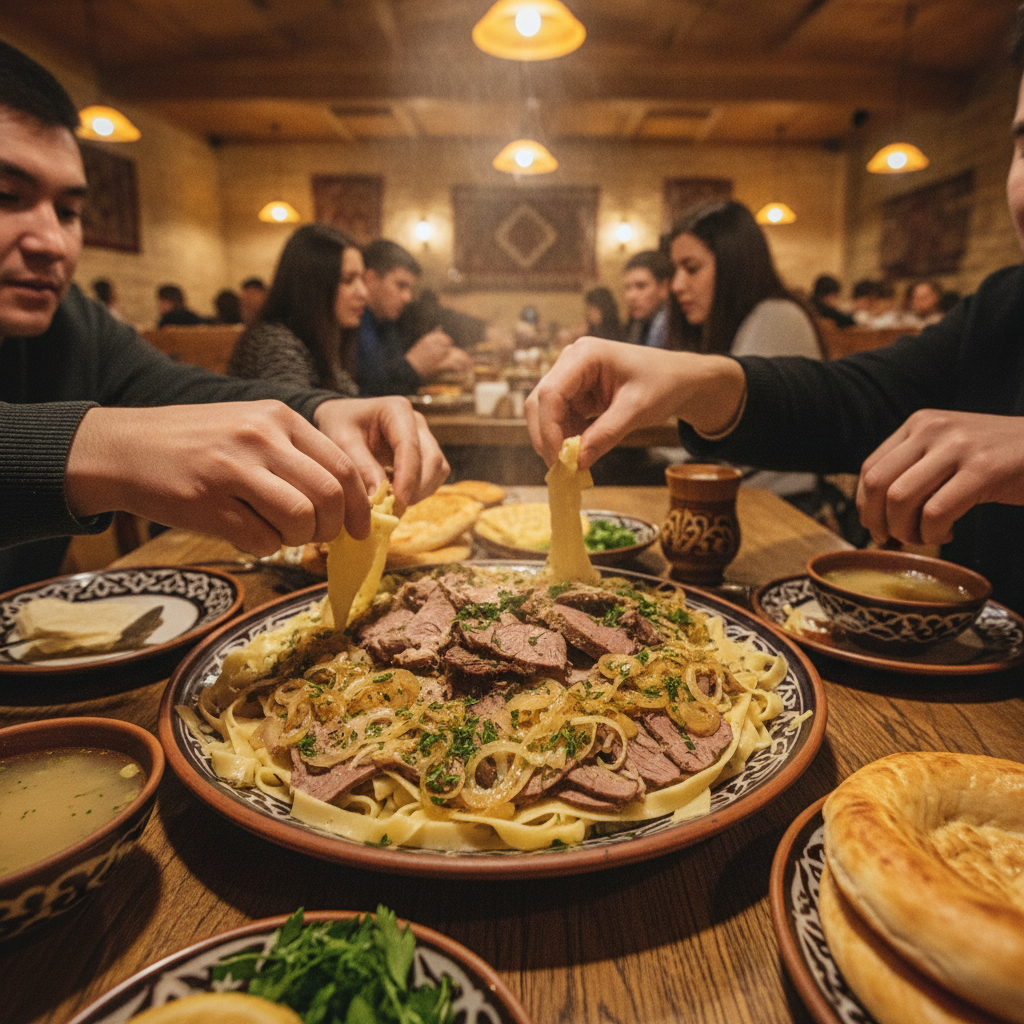
Shymkent Food Culture Southern Kazakhstan Cuisine
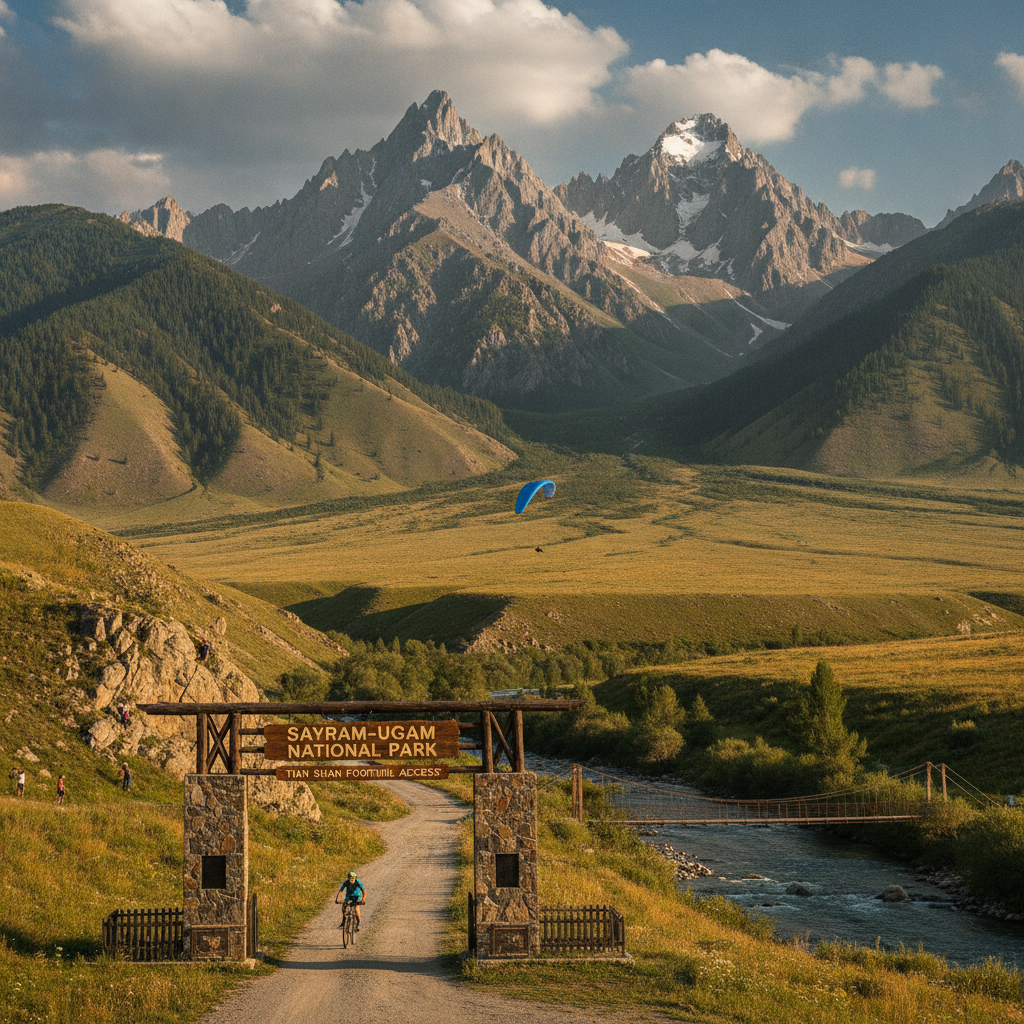
Shymkent Adventure Sports Tian Shan Foothill Access
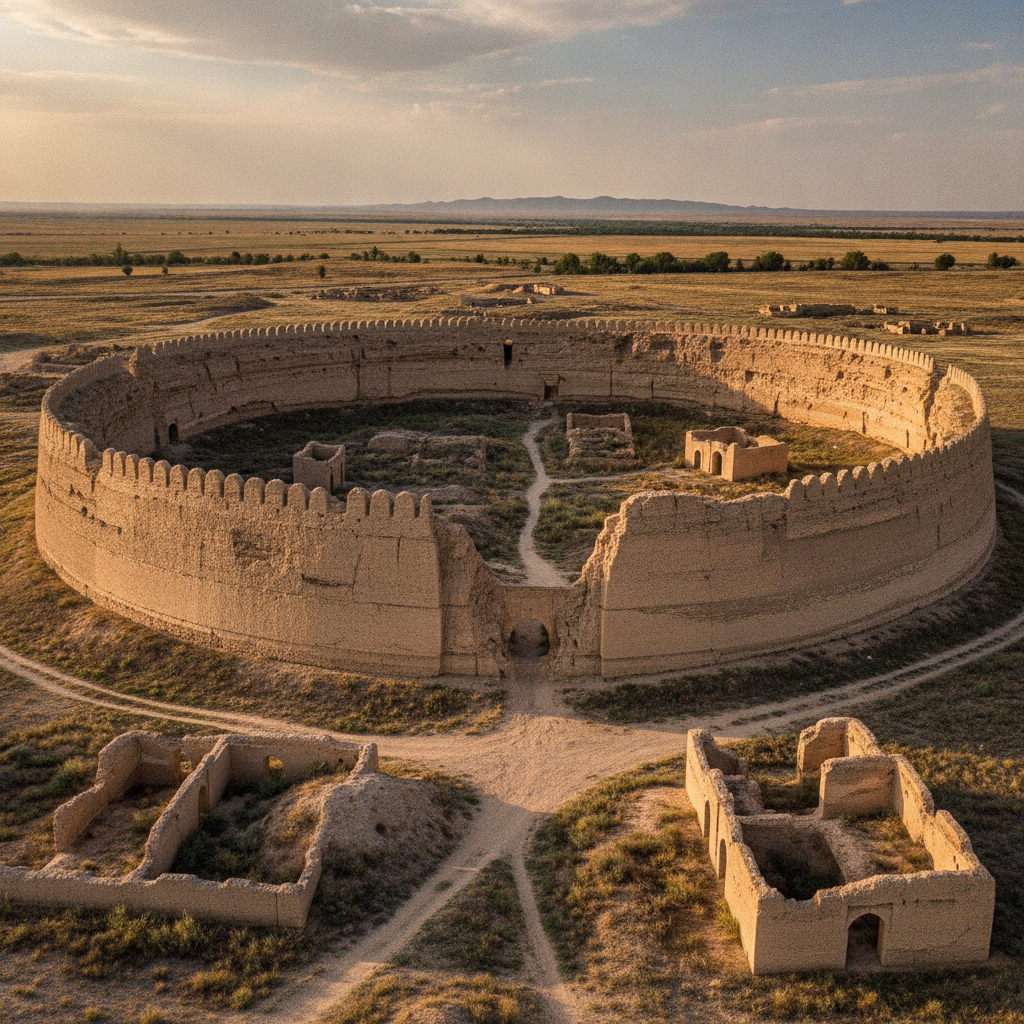
Shymkent Sauran Ancient Medieval City Ruins
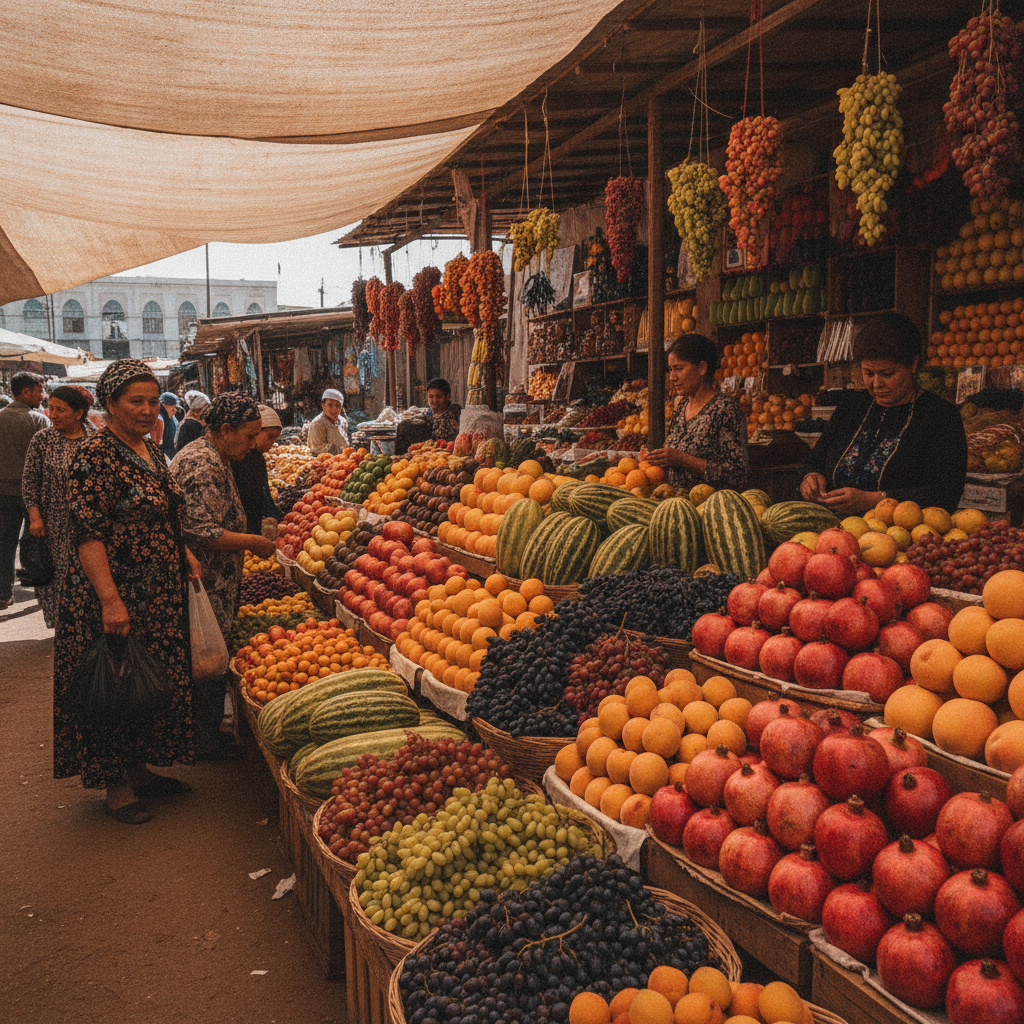
Shymkent South Kazakhstan Fruit Agricultural Bounty
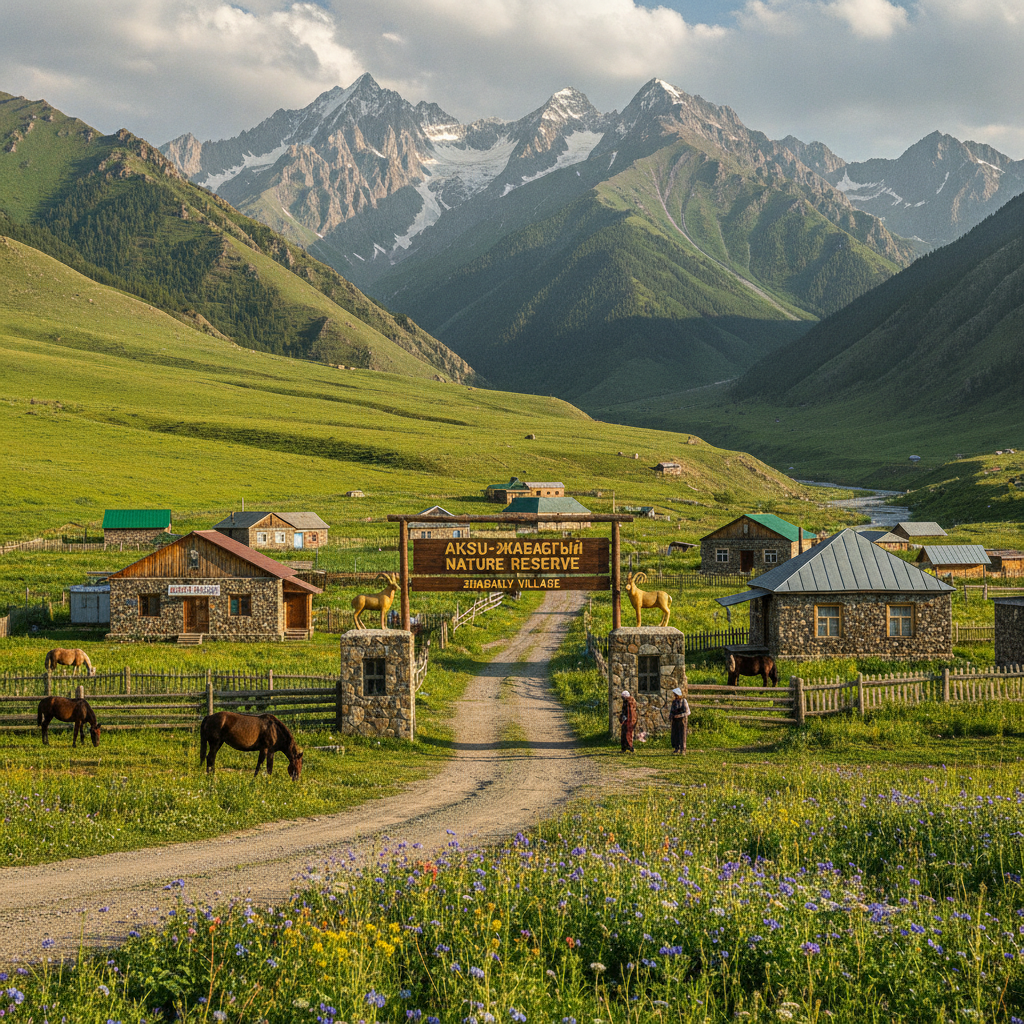
Shymkent Aksu-Zhabagly Nature Reserve Tian Shan