Blue Mosque Ilkhanid Timurid Tiled Masterpiece
Admire the Blue Mosque of Tabriz, a 15th-century masterpiece of Persian architecture whose extraordinary blue tilework earned it the name 'the Turquoise of Islam', and whose partial ruin following an earthquake actually reveals the structural secrets of Persian domed construction.
- 1
Mosque Portal
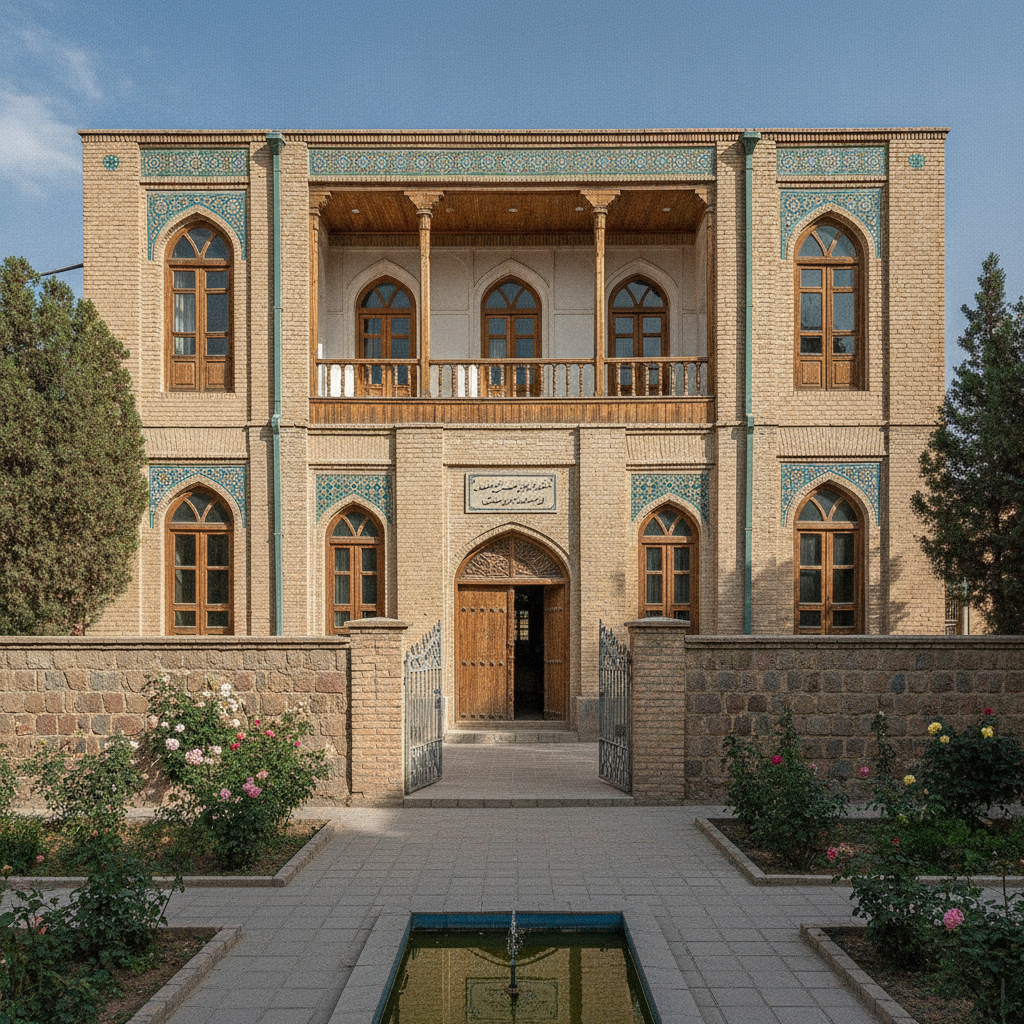
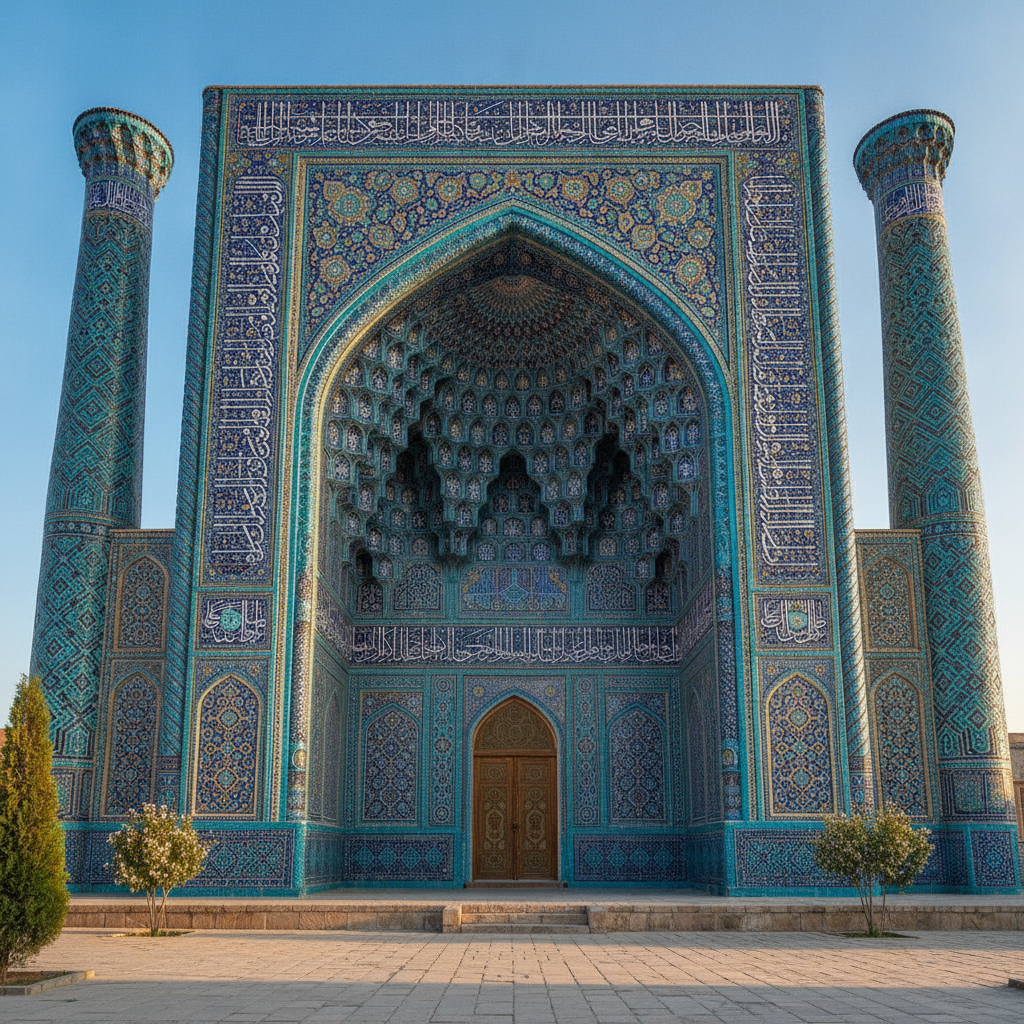
Approach the magnificent entrance portal of the Blue Mosque where the tilework of lapis and turquoise blue covers every surface of the deeply recessed gateway, the colors so intense and the craftsmanship so fine that this portal alone justifies the mosque's reputation as one of the masterpieces of Islamic tilemaking.
- 2
Main Dome Interior
Enter the main prayer hall where the dome that survived the 1780 earthquake reveals its structural system of intersecting arches, the tilework that once covered the entire interior now partially missing due to earthquake damage exposing the brick construction beneath.
- 3
Restored Tilework Sections
Examine the restored sections of tilework where the ongoing restoration using traditional techniques and modern scholarship attempts to recreate the original appearance, the comparison between restored and original tiles demonstrating both the skill of the 15th-century craftsmen and the difficulty of matching their achievement.
- 4
Earthquake Damage Evidence
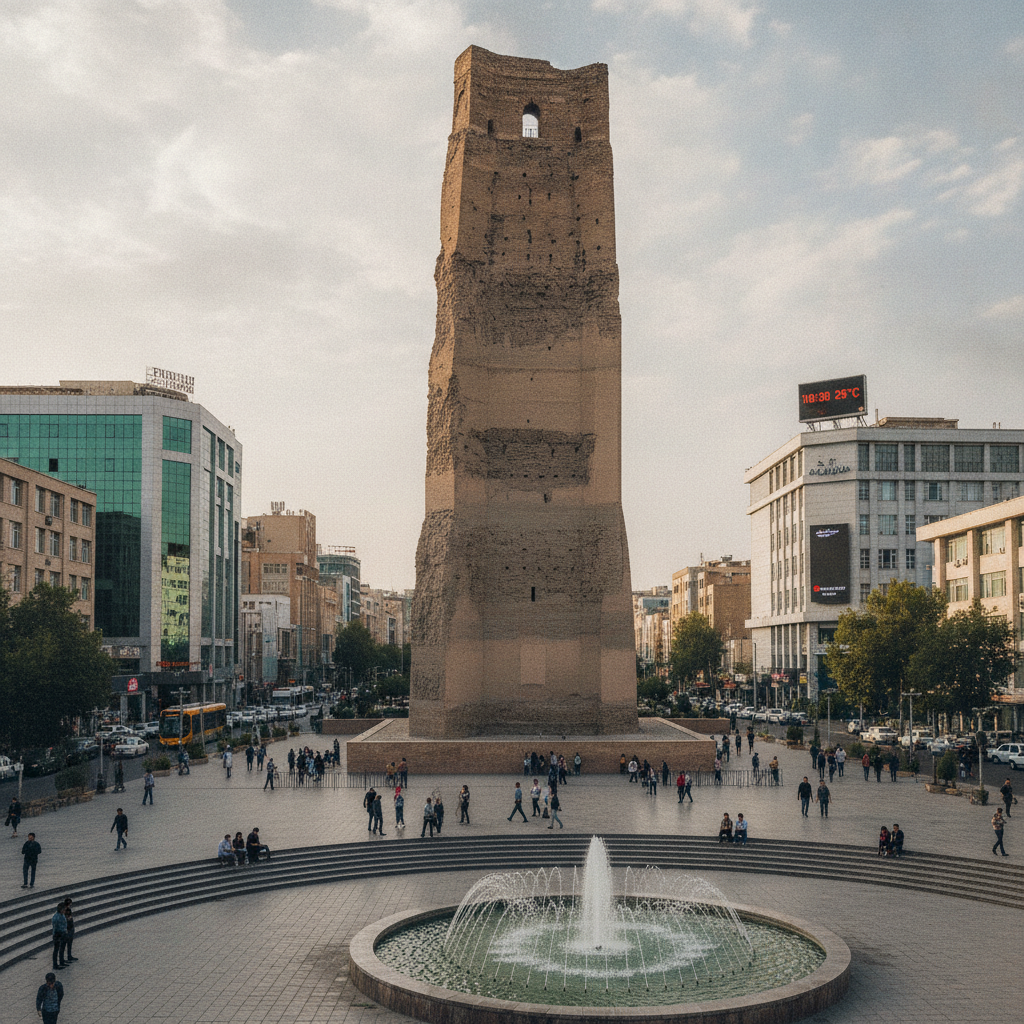
Understand the 1780 Tabriz earthquake damage where the fallen sections of the dome and walls left the mosque roofless for two centuries, the ruin state that actually preserved the remaining original tilework from renovation while exposing the extraordinary structural logic of the Persian domed mosque.
- 5
Underground Crypt
Descend to the underground crypt beneath the mosque where the burial chambers associated with the Kara Koyunlu Turkic rulers who commissioned this mosque contain the graves that give the site its secondary name of Masjed-e Kabud or Blue Mosque.
- 6
Inscription Panels
Read the Quranic inscription bands that circle the portal and the interior where the calligraphic tilework in white on blue backgrounds displays some of the finest thuluth and naskh calligraphy produced in 15th-century Iran, the text selections reflecting the theological aspirations of the patrons who commissioned this extraordinary building.
Walk this route with audio
Stories play automatically as you reach each stop — no tapping needed.