Ruzafa, Street Art & Valencia's Bohemian Creative Quarter
Ruzafa (the 'Russafa' in Valencian — the most fashionable and creative neighbourhood of Valencia, the barrio south of the Valencia historic centre that has transformed over the past decade from a traditional working-class neighbourhood into the most vibrant creative hub in Spain, the neighbourhood of the independent cafés, the natural wine bars, the street art murals, the concept stores, and the late-night bars that has been consistently named the 'coolest neighbourhood in Europe' by the major travel publications.
- 1
Ruzafa — Valencia's Coolest Neighbourhood
Ruzafa (the 'Russafa' in Valencian, from the Arabic 'Rawda' — the 'garden' or 'pleasure ground': the historic suburb that was the garden suburb of the Moorish city of Balansiya, the neighbourhood that was incorporated into the expanding Valencia city in the 19th century and that became a dense, traditional working-class neighbourhood of the Valencia artisan and merchant classes): the transformation (the transformation of Ruzafa into the most creative and fashionable neighbourhood in Valencia — a process that began in the early 2000s when the low rents of the neighbourhood began to attract the artists, the designers, the musicians, and the young entrepreneurs who were priced out of the Valencia historic centre (the 'Barrio del Carmen'): the neighbourhood's creative energy attracting the independent coffee shops, the natural wine bars, the vintage clothing stores, the tattoo parlours, the record shops, the artisan food producers, and the concept stores that now characterize the Ruzafa street scene): the streets (the key streets of Ruzafa — the 'Calle de Sueca' (the main commercial street of Ruzafa, the street with the greatest concentration of bars, cafés, and restaurants), the 'Calle de Cuba' (the street of the weekend market and the most vibrant bars), the 'Calle de Dénia', and the 'Calle del Litógrafo José Garnelo' (the street of the gallery spaces and the concept stores)).
- 2
Ruzafa's Coffee Culture & Third-Wave Cafés
The coffee culture of Ruzafa (the neighbourhood that is the epicentre of the third-wave coffee revolution in Valencia — the independent coffee shops of Ruzafa that have brought the specialty coffee culture to Valencia and that are the most discussed cafés in the city): the 'tercera ola' (the 'third wave' of coffee in Valencia — the specialty coffee movement that treats the coffee bean as an artisanal ingredient (like the wine grape or the cacao bean), focusing on the origin of the bean (the single-origin coffees from the specific farms and cooperatives in Ethiopia, Colombia, Guatemala, and Kenya), the processing method (the natural, the washed, and the honey-processed coffees), and the roasting profile (the light and medium roasts that preserve the origin flavour of the bean rather than the dark roasts that mask it with the roasting bitterness)): the Ruzafa cafés (the most notable specialty coffee shops of Ruzafa — the cafés that have established Valencia as one of the most important cities in the Spanish specialty coffee scene: the cafés serving the filter coffee (the pour-over, the V60, the Chemex, and the AeroPress methods), the espresso-based drinks (the flat white, the cortado, and the cappuccino), and the cold brew and the nitro coffee in the warmer months): the 'café con leche' (the traditional Valencian café con leche — the espresso with the hot milk in the 50:50 ratio, served in the small glass ('vaso') in the traditional Valencian bar, the traditional coffee culture that coexists with the specialty coffee revolution in Ruzafa.
- 3
Natural Wine Bars & the New Valencian Gastronomy
The natural wine bars of Ruzafa (the 'bodegas de vino natural' and the 'tabernas' of Ruzafa — the bars that have made Ruzafa the most important natural wine neighbourhood in Valencia and one of the most important in Spain): the natural wine movement (the natural wine movement in Valencia — the wines produced from the organic or biodynamic viticulture (the vines farmed without the synthetic pesticides, the herbicides, or the chemical fertilizers), the vinification without the addition of the sulphites (or with the minimum possible addition of sulphites), the wines that express the character of the grape variety and the terroir without the intervention of the oenological additives (the yeasts, the enzymes, the fining agents, and the other additives used in conventional winemaking)): the Valencian natural wines (the natural wines from the Valencia wine regions — the 'DOP València' (the Valencia Denomination of Origin — the largest wine region of the Valencian Community, producing the wines from the indigenous grape varieties 'Bobal' (the red grape variety of the Valencia interior — a variety of exceptional character when grown at altitude in the old vines of the interior), 'Monastrell' (the 'Mourvèdre' — the red grape variety of the Mediterranean coast), and 'Merseguera' (the white grape variety of the Valencia coast)): the tapas culture of Ruzafa (the 'tapas' culture of the Ruzafa bars — the small plates of the Valencian and the international gastronomy that accompany the wine and the beer in the Ruzafa bars, the combination of the traditional Valencian tapas (the 'croquetas', the 'patatas bravas', the 'boquerones en vinagre', and the 'ensaladilla rusa') and the more creative small plates of the Ruzafa kitchen.
- 4
Ruzafa Street Art & Outdoor Murals
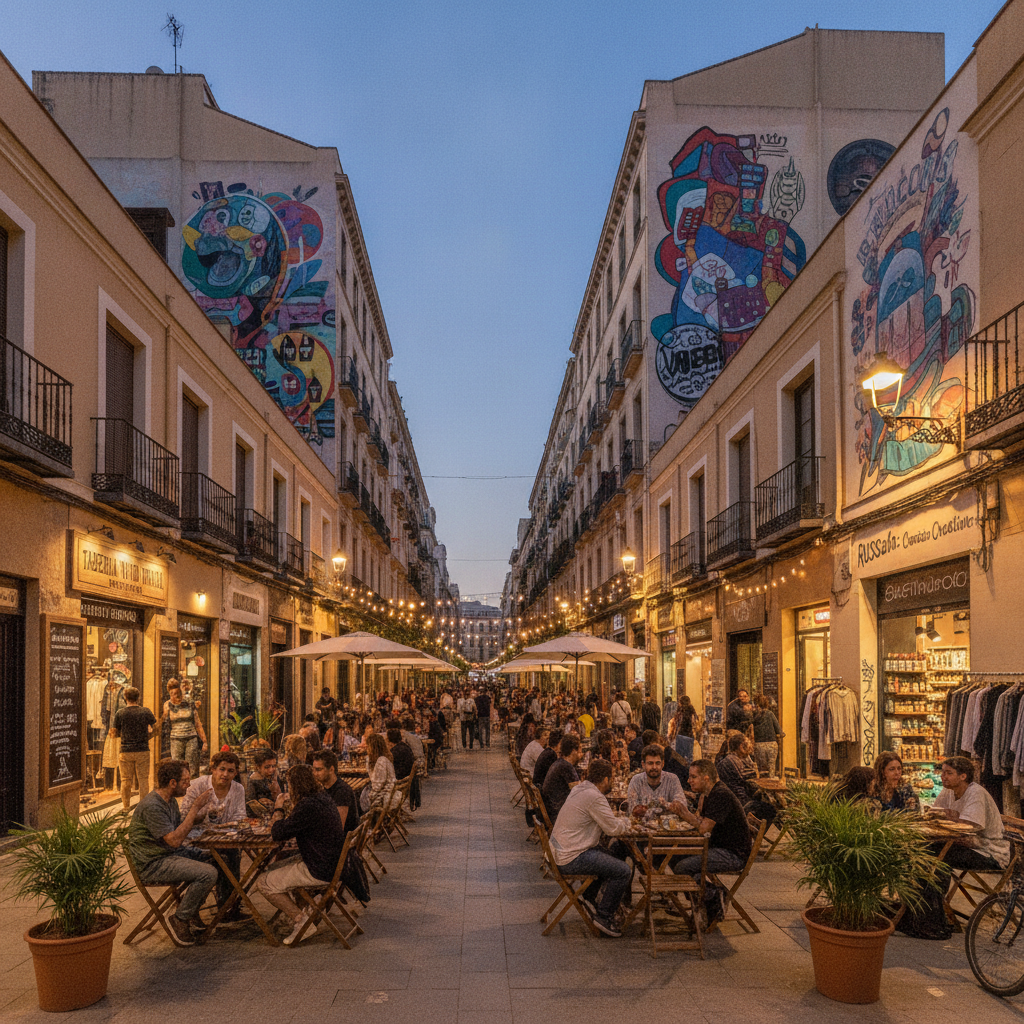
The street art of Ruzafa (the outdoor murals and the street art installations of the Ruzafa neighbourhood — the large-scale murals that cover the party walls, the end walls, and the facades of the apartment buildings of Ruzafa, making the neighbourhood one of the most important outdoor street art galleries in Spain): the murals (the Ruzafa murals — the large-scale figurative and abstract murals commissioned by the Valencia City Council (the Ayuntament de València) and by the private building owners, the murals by the Spanish street artists (the Valencia artists 'Escif', 'Deih', and 'Smithe', the Madrid artist 'Borondo', and the Basque artist 'Aryz') and the international artists (the Italian artist 'Blu', the French artist 'C215', and the US artist 'Os Gemeos' (the São Paulo twin artists)): the 'Valencia Street Art Project' (the 'VSAP' — the public street art initiative of the Valencia City Council that has commissioned the murals in Ruzafa and in other Valencia neighbourhoods since 2010, the initiative that has made Valencia one of the most important street art cities in Spain): the street art map (the self-guided street art walk of Ruzafa — the tour of the most important murals of the neighbourhood, the murals concentrated in the streets around the 'Calle de Sueca', the 'Calle de Literato Azorín', and the 'Calle del Doctor Serrano').
- 5
Ruzafa Weekend Market & Local Shopping
The weekend market of Ruzafa (the 'Mercado de Ruzafa' and the other weekend markets and pop-up markets of the Ruzafa neighbourhood — the markets that have become the most fashionable shopping events in Valencia): the 'Mercado de Mossén Sorell' (the 'Mossén Sorell Market' — the traditional neighbourhood food market in the historic centre adjacent to Ruzafa, the market with the fresh produce, the artisan food producers, and the specialty food stalls): the pop-up markets of Ruzafa (the pop-up markets of the Ruzafa neighbourhood — the weekend markets organized in the plazas and the streets of Ruzafa that sell the vintage clothing, the artisan jewellery, the handmade accessories, the artisan food, and the art prints): the independent shops of Ruzafa (the permanent independent shops of the Ruzafa neighbourhood — the vintage clothing stores (the 'ropa de segunda mano' and the 'ropa vintage' shops that sell the curated selection of the vintage clothing and the second-hand fashion of the 1960s-1990s), the concept stores (the shops that combine the fashion, the homeware, the books, and the design objects in a single curated retail space), the record shops (the independent record shops selling the vinyl records of the jazz, the soul, the funk, and the electronic music), and the artisan food shops (the cheese shops, the delicatessens, and the natural wine shops of the Ruzafa neighbourhood).
- 6
Ruzafa by Night — Bars, Clubs & Valencia Nightlife
The nightlife of Ruzafa (the bars and the clubs of the Ruzafa neighbourhood — the neighbourhood that is the most active nightlife area in Valencia for the young, the creative, and the culturally engaged, the neighbourhood where the Valencia night begins before moving to the clubs of the Cabanyal and the 'zona de marcha' of the Avenida Aragón): the Ruzafa bar scene (the bar scene of Ruzafa — the variety of bar formats in the neighbourhood: the 'bodegas' (the traditional wine bars serving the wine from the barrel (the 'vino a granel') with the traditional Valencian tapas), the natural wine bars (the bars specializing in the natural wines of Spain and the international wine regions), the craft beer bars (the bars serving the Spanish and the international craft beers on draught and in bottle), the cocktail bars (the bars specializing in the classic cocktails and the creative cocktail culture), and the late-night bars (the bars that stay open until the early hours and that serve as the starting point for the Valencia club night)): the 'terrazas' (the outdoor terrace culture of the Ruzafa night — the outdoor terraces of the Ruzafa bars filling the wide pavements of the Calle de Sueca and the surrounding streets on the warm Valencia evenings, the social life of the neighbourhood conducted in the outdoor space in the warm Mediterranean climate of Valencia (the average temperature of Valencia in July-August: 29°C/84°F, with the warm evenings rarely dropping below 20°C/68°F)): the weekend (the Ruzafa weekend — the neighbourhood at its most vibrant on Friday and Saturday nights, with the streets filling from 10 pm onwards as the Valencia night begins, the bars and the terraces at capacity by midnight, and the neighbourhood buzzing until 3-4 am when the club-goers move on to the late-night venues).
Walk this route with audio
Stories play automatically as you reach each stop — no tapping needed.
More in valencia
Valencia Old Town, Carmen Quarter & Gothic Heritage
Paella, Mercado Central & Valencia's Gastronomic Soul
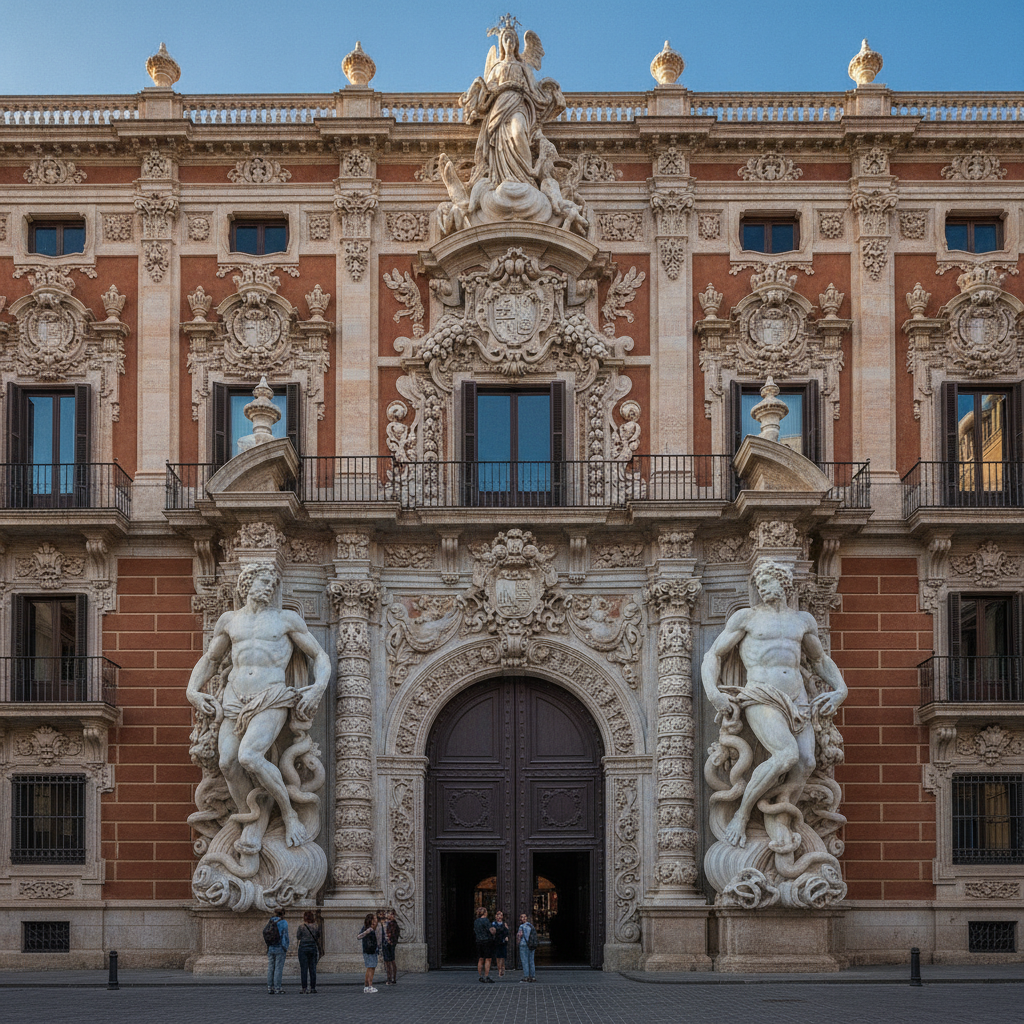
National Ceramics Museum, Valencian Tiles & Craft Heritage
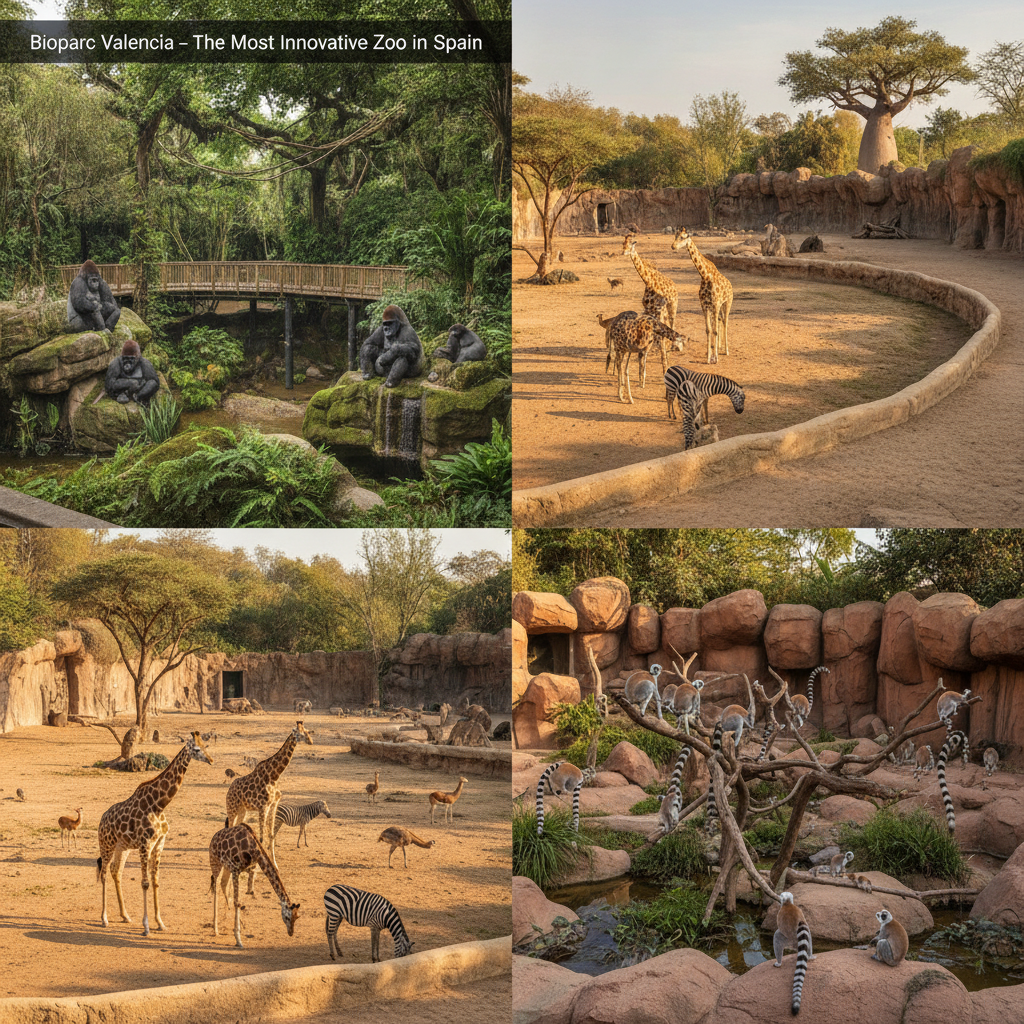
Bioparc Valencia, Cabecera Park & the Modern City
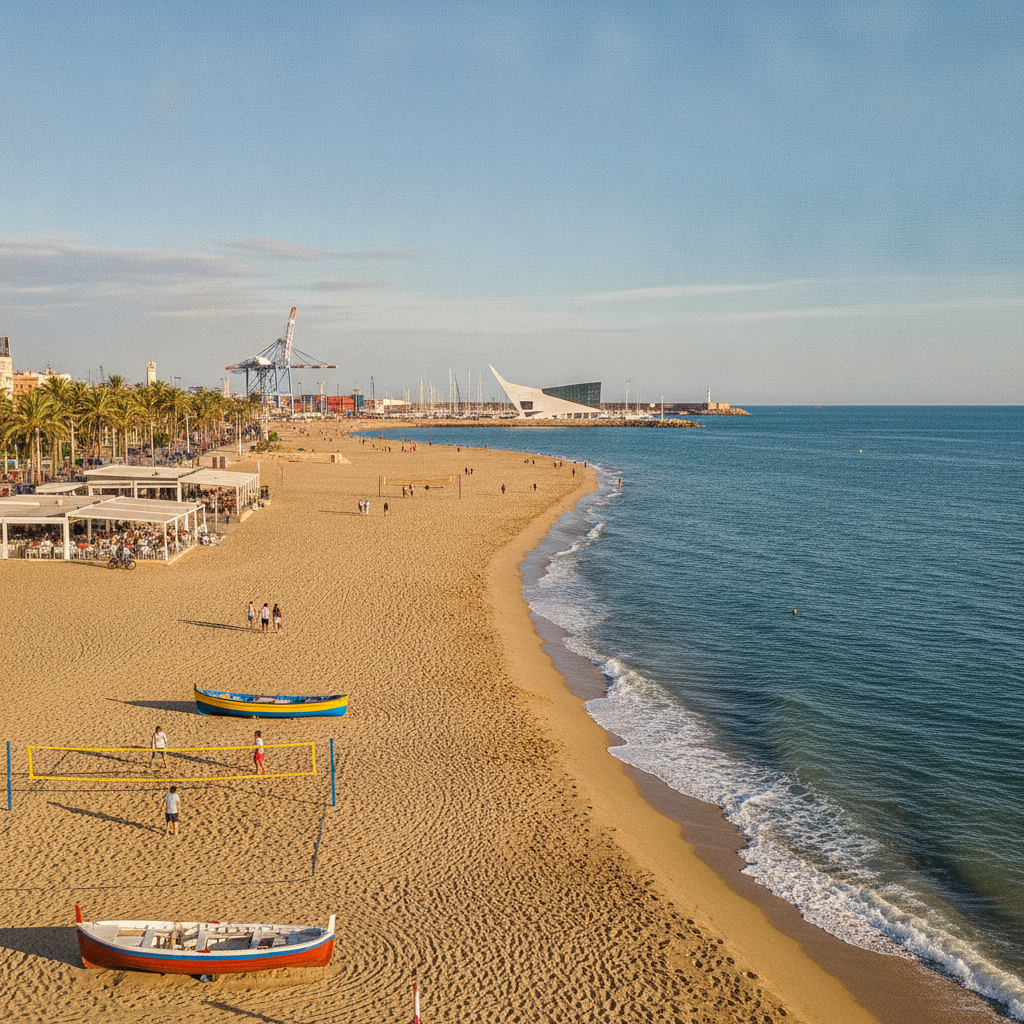
Malvarrosa Beach, Mediterranean Coast & Valencia's Seaside Life