Vang Vieng Blue Lagoon & Swimming Walk
Swim Vang Vieng's lagoons — the cluster of blue lagoons and natural pools in the karst landscape north of Vang Vieng offers the most beautiful freshwater swimming in Southeast Asia, with the turquoise mineral-rich water set against the dramatic limestone backdrop.
- 1
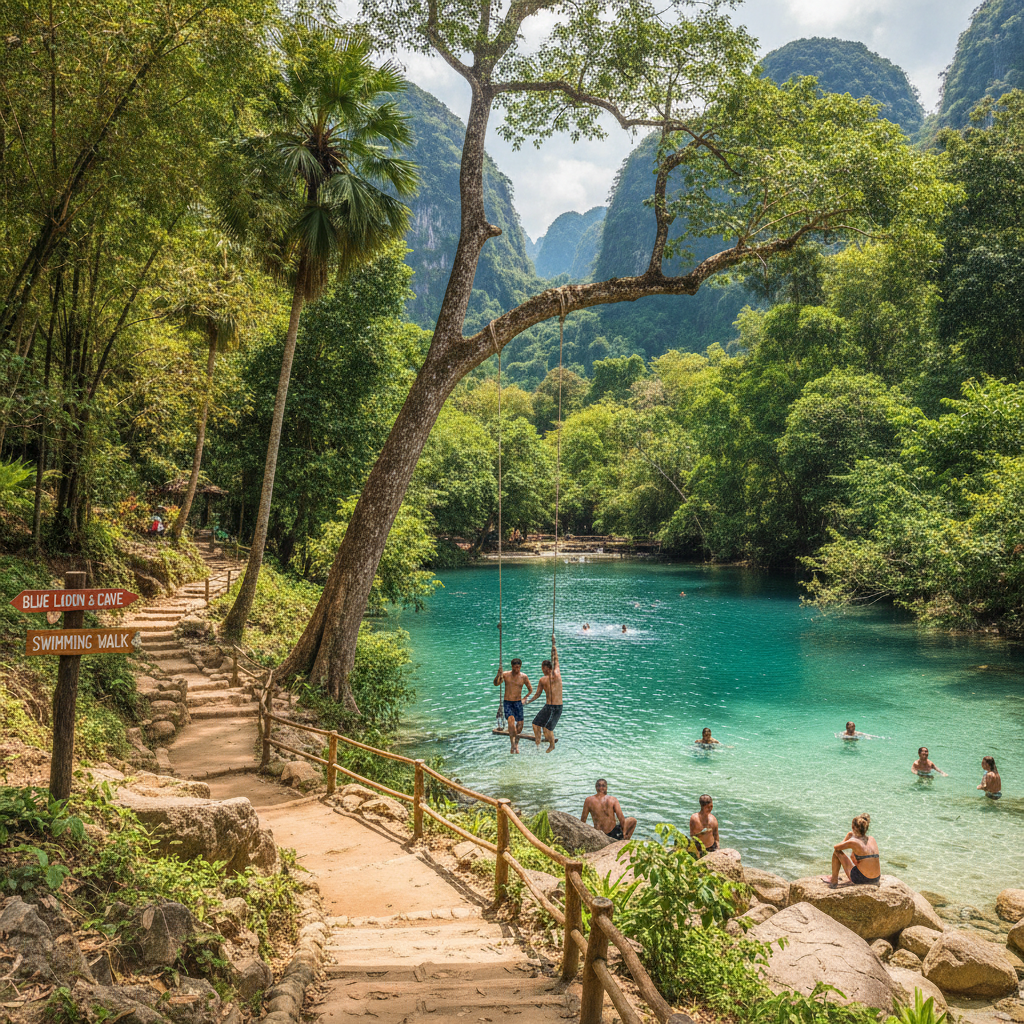
Blue Lagoon 1 Tham Phu Kham
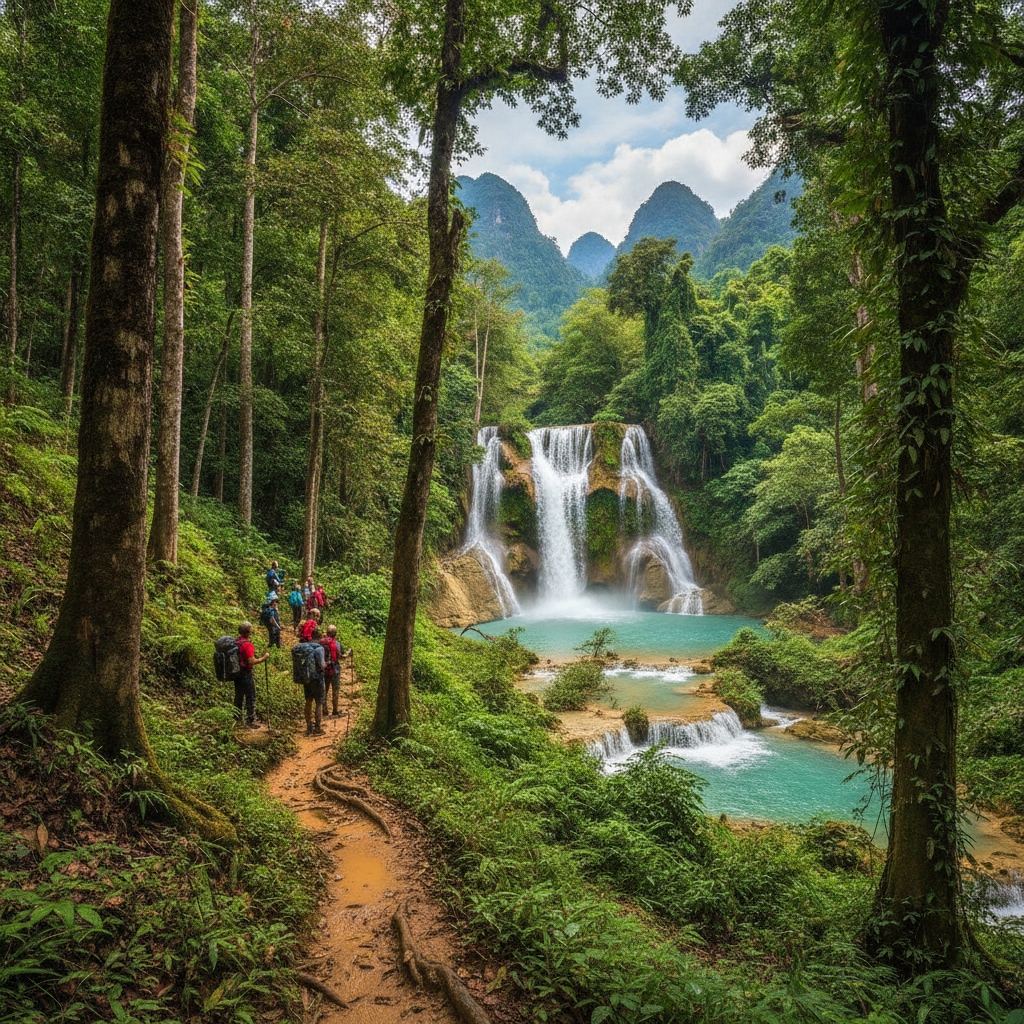
The original Blue Lagoon (Lagoon 1, at the base of the Tham Phu Kham hill) is the most famous and most visited natural swimming pool accessible from Vang Vieng — the spring-fed pool (the emerald-turquoise water of the karst spring, with the colour produced by the dissolved limestone minerals in the same manner as the Erawan Falls in Thailand and the cenotes of Mexico) is set directly beneath the limestone cliff of the Tham Phu Kham hill, with the cave entrance visible above the pool and the forest-covered slopes framing the swimming area. The rope swing (the traditional rope swing from the tree overhanging the lagoon, used by visitors to launch themselves into the water) and the cliff jump (the ledge on the limestone beside the pool from which visitors jump into the deep water below) are the most kinetically exciting activities accessible at the lagoon.
- 2
Blue Lagoon 2 Hidden Pool
Blue Lagoon 2 (the less-visited second lagoon accessible by continuing north past Lagoon 1 on the bicycle track) is the most secluded of the accessible blue lagoons near Vang Vieng — the smaller, deeper pool (with the same turquoise mineral water of the karst spring system) has less tourist infrastructure than Lagoon 1 (no permanent rope swing, no restaurant) and consequently a more natural and more tranquil swimming environment. The approach to Lagoon 2 (the 20-minute bicycle ride north of Lagoon 1 on the dirt track through the agricultural villages) requires more effort than the main lagoon but rewards with the least crowded freshwater swimming accessible near Vang Vieng. The swimming at Lagoon 2 (the natural pool with its depth allowing free diving and the cave visible at the pool's edge) is the most complete natural swimming environment accessible in the area.
- 3
Blue Lagoon 3 Remote Pool
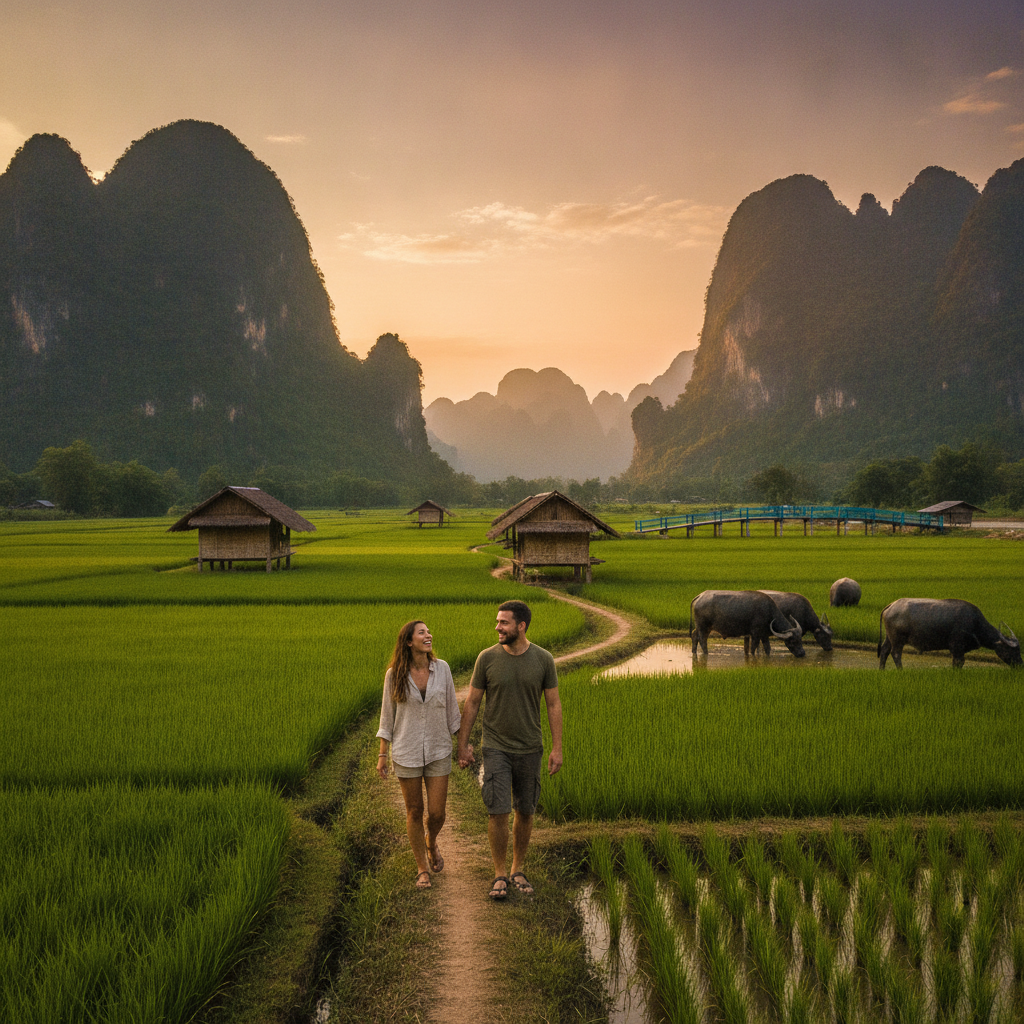
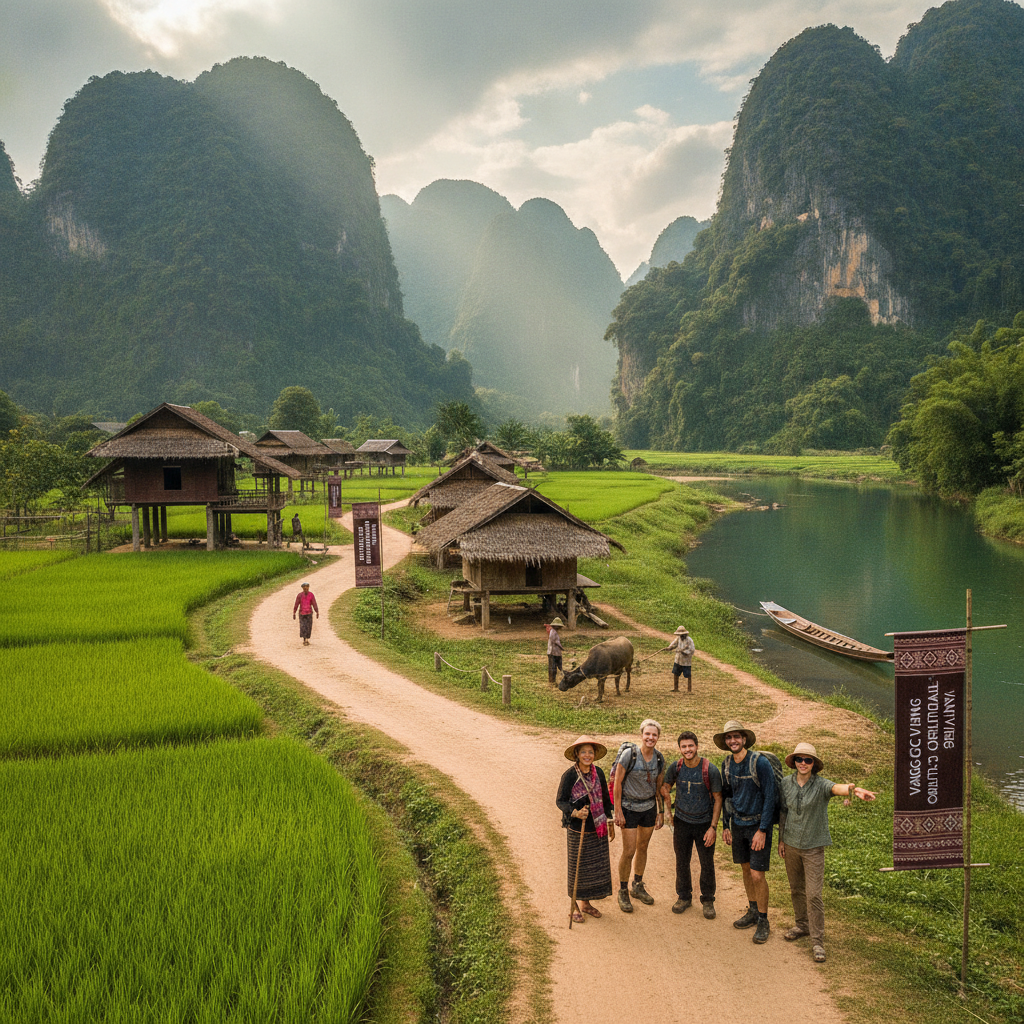
Blue Lagoon 3 (the most remote of the three accessible blue lagoons north of Vang Vieng) requires either a 45-minute bicycle ride or a tuktuk transfer from Lagoon 2 — the additional distance filtering out the majority of day visitors and creating the most secluded natural swimming environment accessible in the karst landscape north of town. The pool's setting (the larger, more naturally forested surroundings with the karst limestone visible above the treeline and the water flowing from the cave system to the surface) creates the most completely natural version of the blue lagoon experience available near Vang Vieng. The bicycle journey between the three lagoons (following the dirt track through the village communities and the rice fields between the pool sites) provides the most complete survey of the northern valley landscape accessible as a single day cycling excursion.
- 4
Cliff Jumping Spot
The cliff jumping locations at the Vang Vieng lagoons (the natural rock platforms at the edges of the deeper lagoon pools, from which visitors can jump into the water below at heights ranging from 3 to 10 metres) provide the most adrenaline-accessible natural adventure activity near the town — the cliff jump (the physical commitment required to step off the rock ledge, the brief free fall, and the water impact followed by the ascent back to the surface) requires no equipment or instruction and is the most democratically accessible adventure activity in the area. The various heights available at the cliff locations (the lower ledge for beginners and the higher outcrops for the more experienced) ensure that the cliff jumping is accessible at the appropriate challenge level for most physically active visitors.
- 5
Nam Song Shallow Crossing
The shallow river crossing points on the Nam Song River accessible during the dry season (the ford crossings where the river's reduced water level makes it possible to wade across the main channel) provide the most direct physical encounter with the river environment accessible without a boat — the crossing (the knee to waist-deep water of the dry season ford, with the current visible but not overwhelming, and the sandy or rocky riverbed underfoot) transports the visitor between the tourist-service environment of the town bank and the more rural and undisturbed western bank communities in the most direct manner available. The dry season fords are the traditional crossing points used by the village communities before the bamboo bridges were established as the primary pedestrian crossings.
- 6
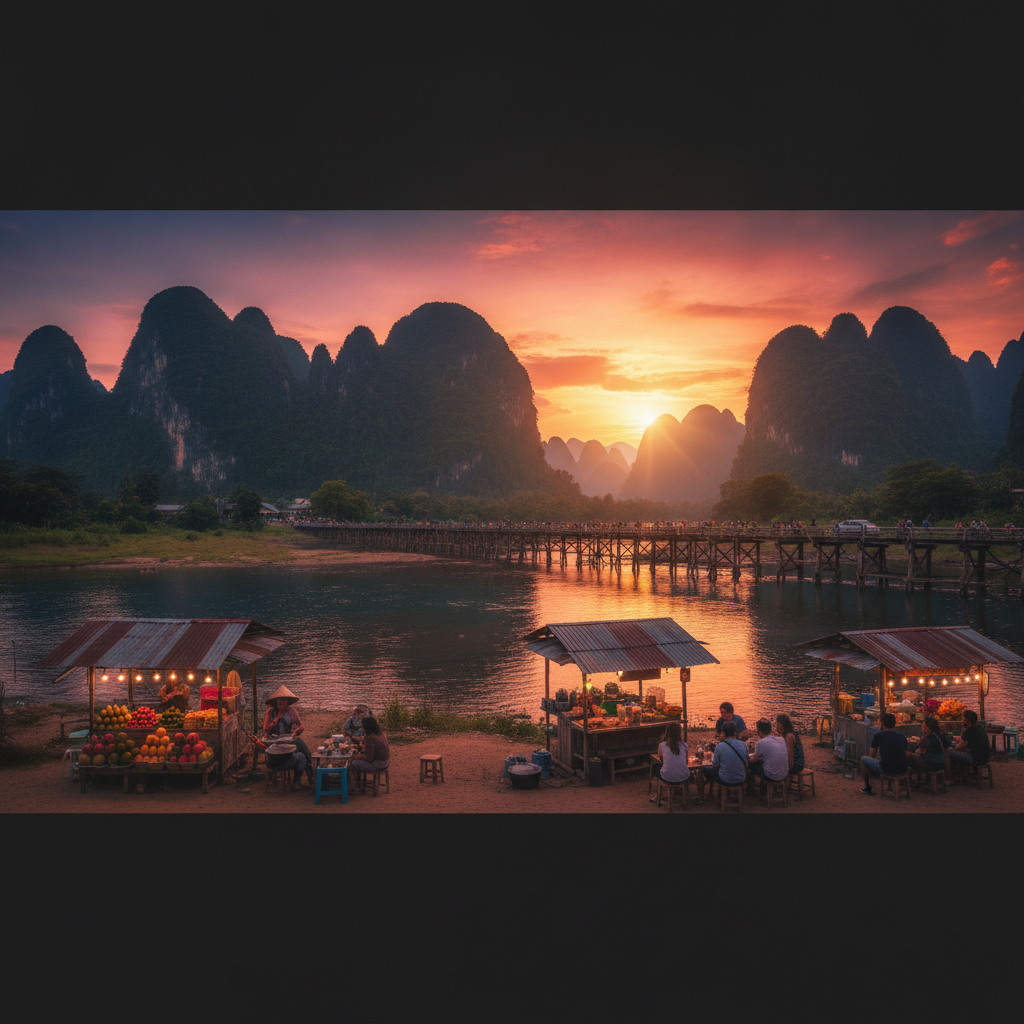
Sunset at the Lagoon
The Blue Lagoon at sunset (the period from approximately 4pm when the afternoon light enters the lagoon pool at the angle that most intensely illuminates the turquoise water, and the cliff faces above the pool glow in the warm evening light before the sun drops behind the western karst hills) is the most dramatically lit moment of the lagoon experience — the combination of the intense water colour (the turquoise most vivid in the direct afternoon light), the warm limestone cliff colour (the grey limestone turning warm gold in the angled late afternoon light), and the forest reflections in the water surface create the most photographically distinctive version of the Blue Lagoon environment accessible at any time of day. The late afternoon timing also provides the coolest water temperature of the day and the fewest visitors of the afternoon period, as the majority of day visitors have already returned to the town.
Walk this route with audio
Stories play automatically as you reach each stop — no tapping needed.