Moqueca Capixaba: Espírito Santo's Great Culinary Rivalry
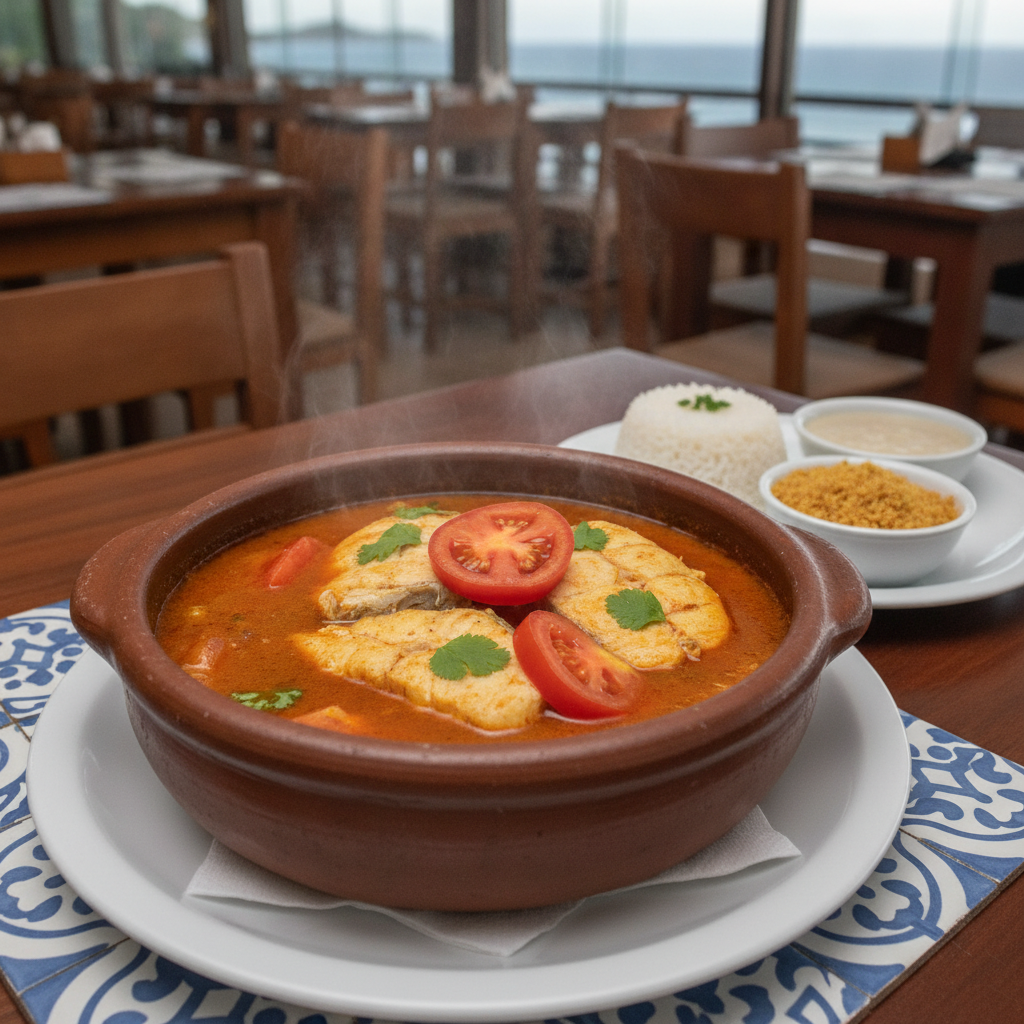
The moqueca capixaba — made in local clay pots with urucum for colour but without palm oil or coconut milk — is Espírito Santo's answer to the Bahian moqueca; the rivalry between the two versions is Brazil's fiercest culinary debate
- 1
Moqueca Capixaba vs. Bahiana
Moqueca capixaba uses only urucum (annatto) for dye and olive oil — no dendê palm oil, no coconut milk; The Bahians say their version is the original; Capixabas say they maintain the 16th century recipe without African additions
- 2
Panela de Barro (clay pot)
Moqueca capixaba must be cooked in a local clay pot — the brown clay from the Espírito Santo coast, made by artisans in Goiabeiras Velha who have been making pots for 400 years — the pot is considered crucial to the flavor
- 3
Goiabeiras Velha Clay Pot Women
The women of Goiabeiras Velha – named Patrimônio Cultural do Brasil – have been making panelas de barro in exactly the same way since the indigenous Tupiniquim technique was adopted by the Portuguese colonizers
- 4
Cake Capixaba
Torta capixaba — a tasty Easter pie with fish, shellfish, palm hearts, eggs and vegetables in a pastry case — is Espírito Santo's most distinctive dish, eaten only at Easter in a centuries-old tradition
- 5
Peixe Caçado
Peixe caçado - a fish stew with tomatoes, onions and cilantro without moqueca seasoning - is another Capixaba seafood tradition; lighter and simpler than moqueca, it showcases fresh Atlantic fish quality
- 6
Cacau (Cacao) from Espírito Santo
The southern coast of Espírito Santo produces cacao used by artisan chocolatiers — the farm-to-bar chocolate made in the region has gained recognition; the cacao plantations of the Caparaó area produce remarkable local varieties
Walk this route with audio
Stories play automatically as you reach each stop — no tapping needed.
More in Vitória
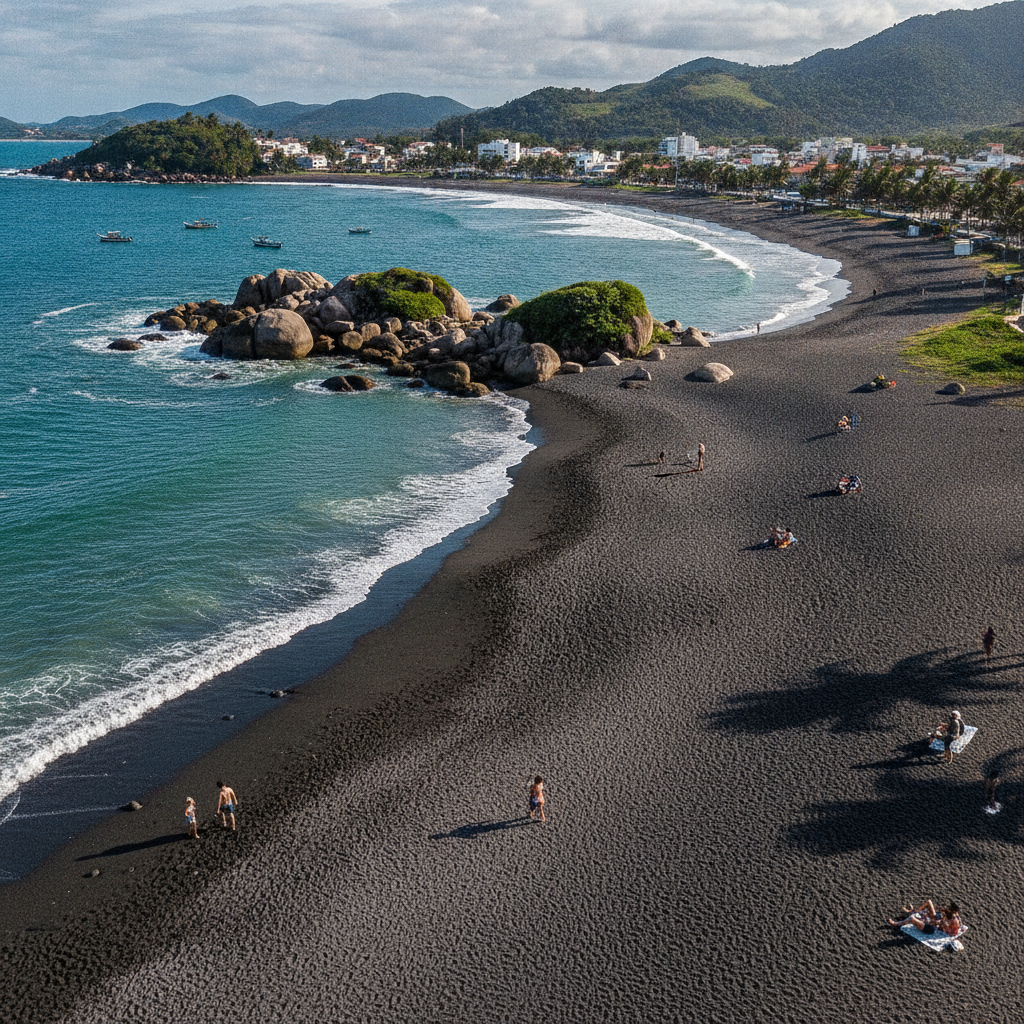
Espírito Santo Coast: Guarapari's Radioactive Black Sands
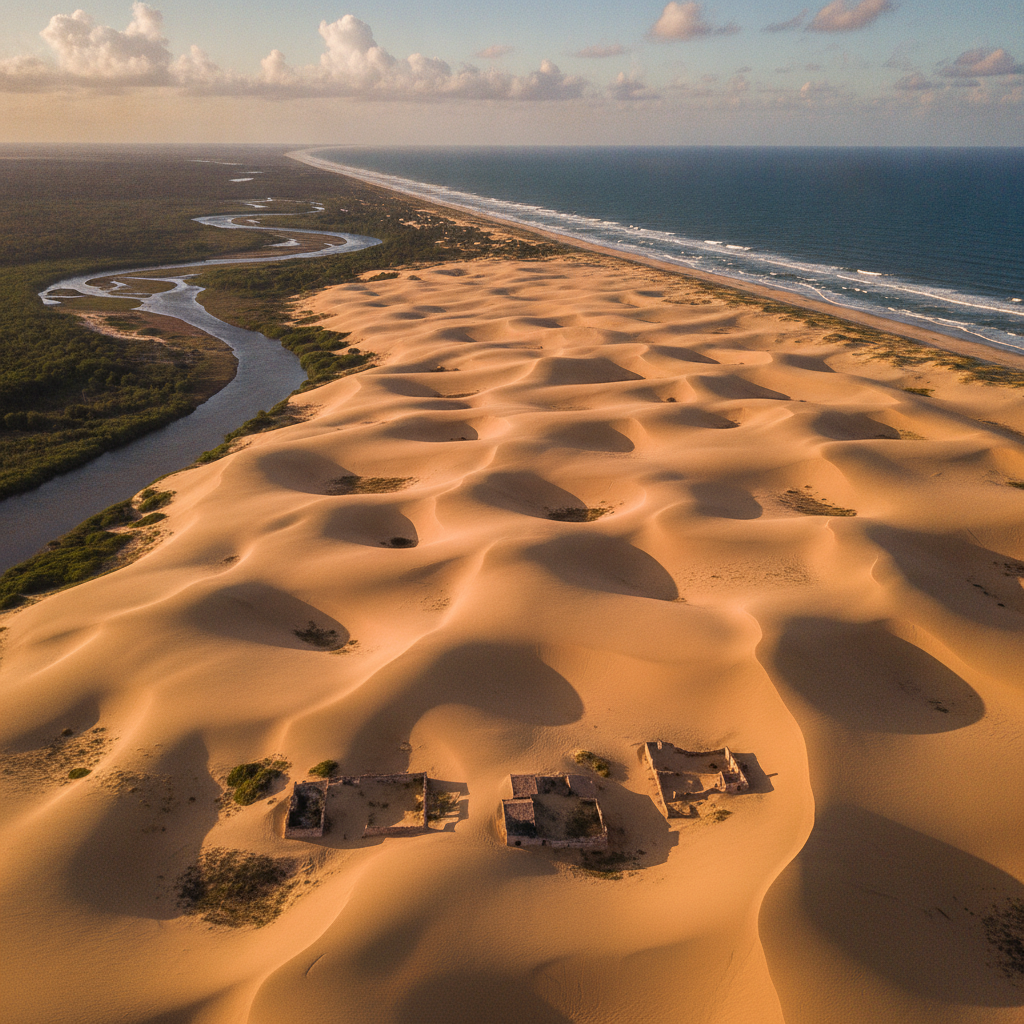
Itaúnas: Where Dunes Buried a Town & Forró Found a Home
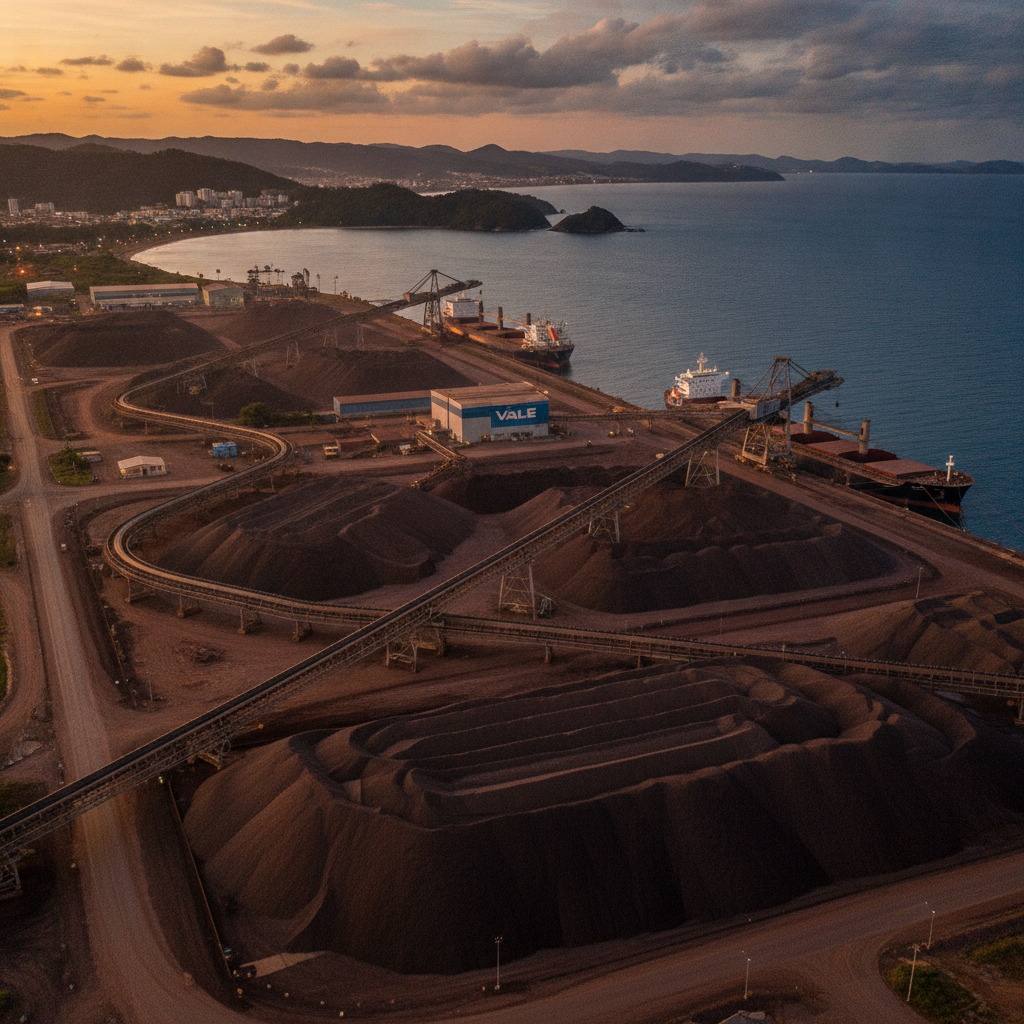
Vitória's Iron Economy: Vale, Tubarão Port & Minas Connection
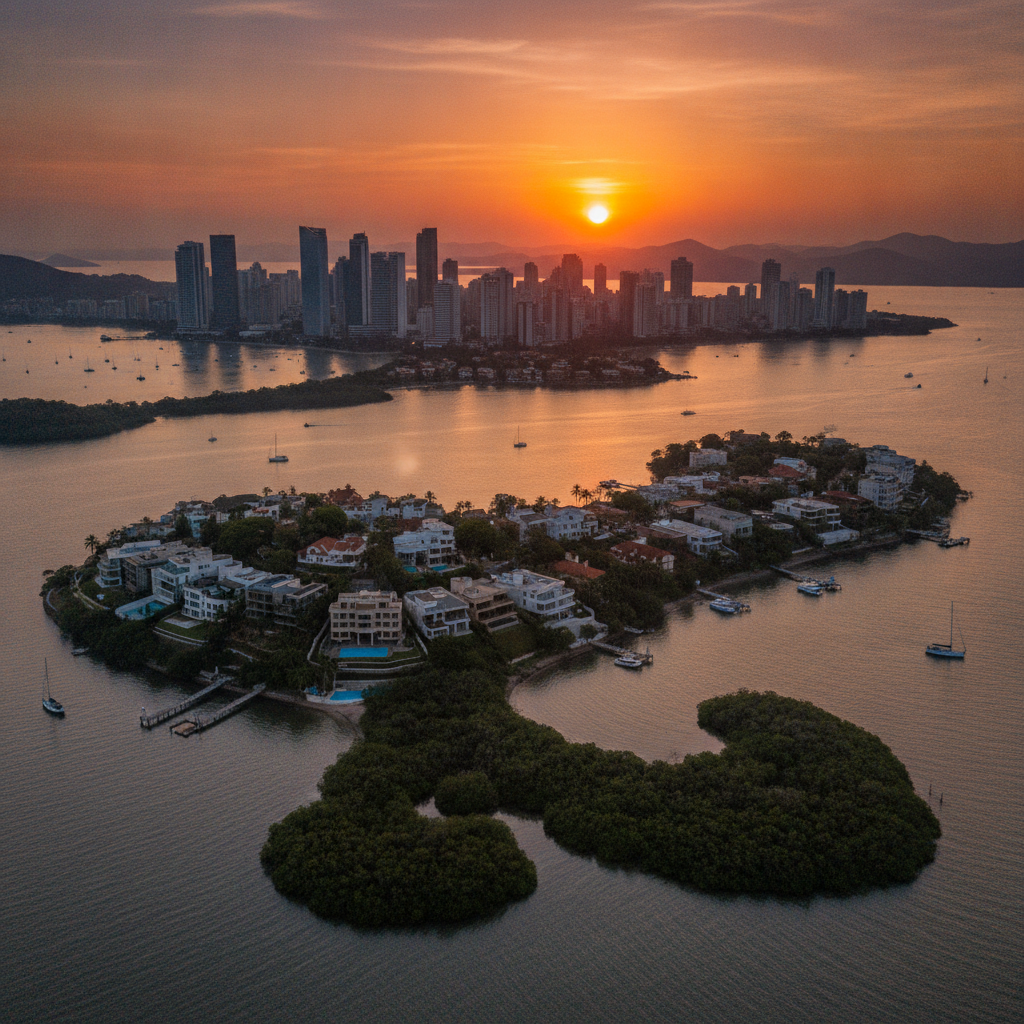
Vitória Bay: Brazil's Most Beautiful Island Capital
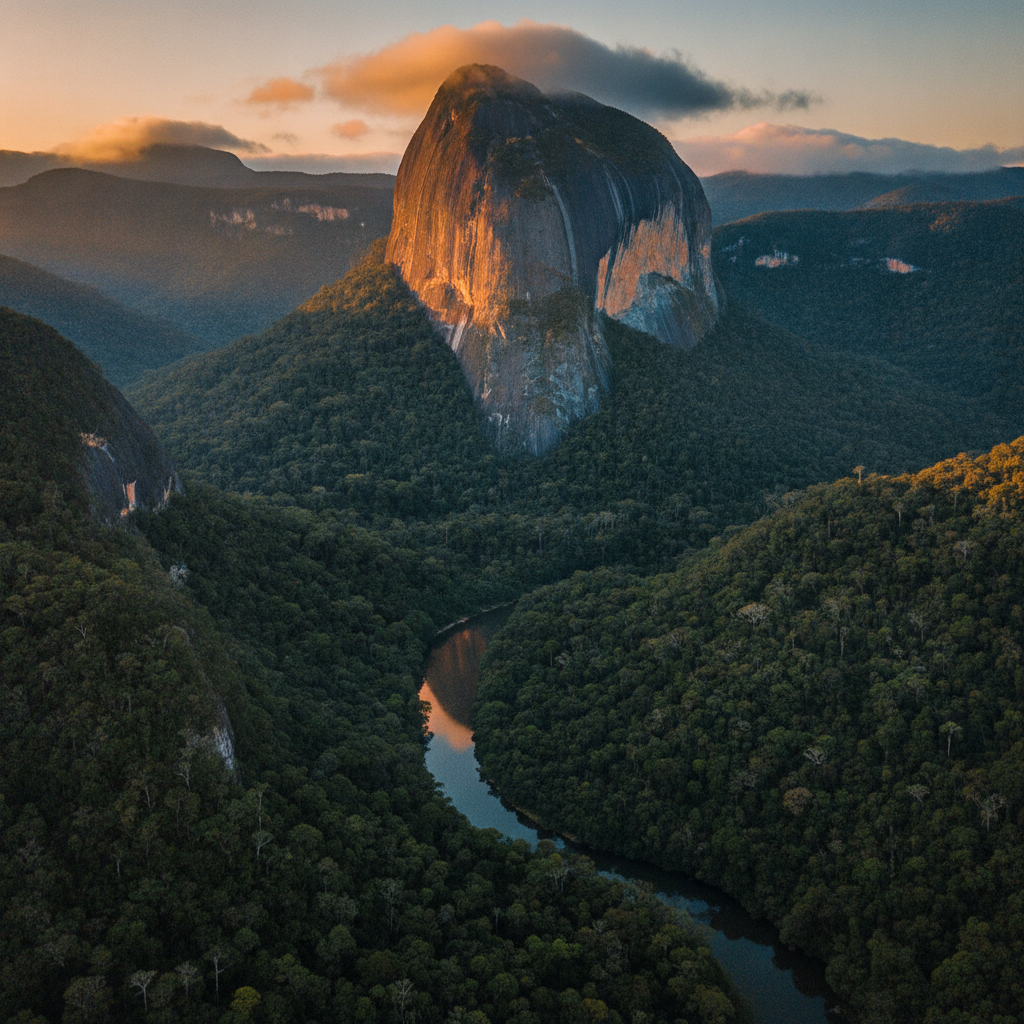
Pedra Azul: The Colour-Changing Mountain of Espírito Santo