Wrocław Practical Guide — Seasons, Transport, Christmas Market & Day Trips to the Sudeten
Wrocław is a year-round destination with a pronounced seasonal calendar — the Christmas market, the Easter market, the summer concerts, and the autumn beer festival each defining a distinct visiting experience.
- 1
When to Visit Wrocław — Four Distinct Seasons
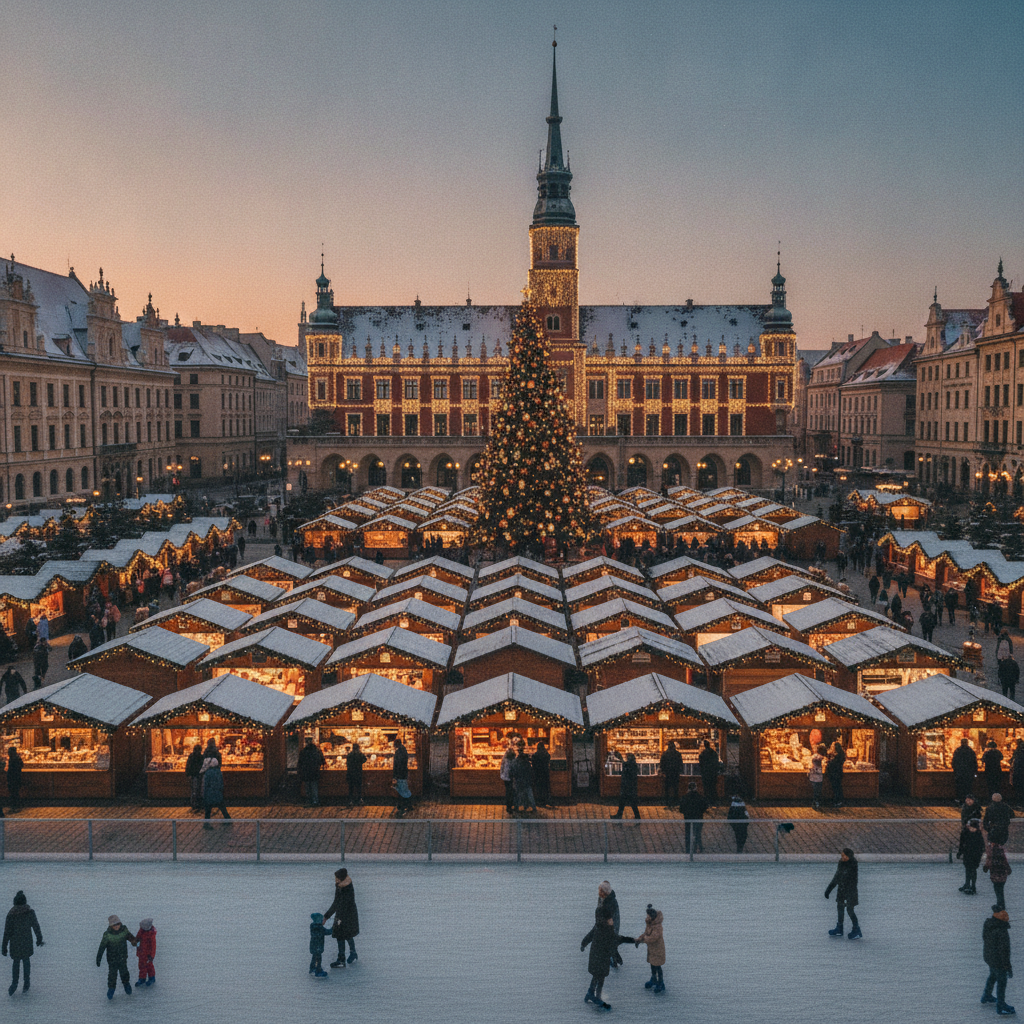
Wrocław seasonal visiting guide: Spring (March-May, temperatures 8-18 degrees, the Szczytnicki Park and the Japanese Garden in bloom in April, the Easter Market on the Rynek — the largest Easter market in Poland, 10 days before Easter with the regional crafts, the Easter palm and the painted eggs, the palm competition on Palm Sunday, the Easter Monday Śmigus-Dyngus water-fight tradition in the Old Town), Summer (June-August, temperatures 22-32 degrees, the city at maximum tourist and student activity, the Odra beach clubs on the riverside, the Wrocław Good Beer Festival in August, the Centennial Hall Fountain Show Tuesday-Sunday evenings, the accommodation at peak prices — €80-150 for a 3-star hotel double — but the full range of cultural programming available), Autumn (September-October, temperatures 10-20 degrees, the leaves on the Szczytnicki Park and the Planty in colour from mid-October, the Jazz nad Odrą Festival in October, the accommodation at shoulder season prices), Winter (November-January, the Christmas Market from late November — the most celebrated in Poland — the ice rink on the Rynek, the Wrocław Baroque Music Festival in December, temperatures -5 to 5 degrees, the city at its most romantic and its least crowded after the Christmas market closes on 31 December).
- 2
Getting to Wrocław — the Rail and Air Connections
Wrocław connections: the Nicolaus Copernicus Airport (airport code WRO, 10km west of the city, direct flights from London Stansted and Luton on Ryanair, from London Gatwick on easyJet, from Amsterdam, Dublin, Oslo, Stockholm, Vienna, and 30+ other European cities on Ryanair and Wizz Air, the bus 106 from the airport to the city centre in 30 minutes at €1.60, the night bus N106 from midnight to 5am, the taxi at €15-20, Uber at €10-15), the train from Warsaw (3 hours on the PKP Intercity Express, €15-30 in advance, hourly service from Warsaw Central, the most comfortable connection), from Kraków (2.5 hours, €12-25, the route via Opole), from Berlin (the EuroCity 2.5 hours, €25-50, the morning and afternoon services from Berlin Ostbahnhof the most direct connection, the Wrocław-Berlin connection the most used international rail route from the city). The Wrocław Główny station (the 1857 neogothic station building, recently renovated, 10 minutes walk from the Old Town Market Square or 5 minutes by tram, the tram stop directly outside the main station entrance).
- 3
City Transport — Trams and the Walking City
Wrocław city transport: the tram network (the most extensive in Poland after Warsaw, the 250km of track serving the entire city, the trams running every 5-10 minutes on the main routes in peak hours and every 15-20 minutes on the secondary routes, €1.60 per journey — the ticket from the machine at the tram stop or the iTram Wrocław app, the 24-hour pass at €4.50, the 48-hour pass at €7, the tram stops at the Rynek (Świdnicka), the University (Plac Nankiera), and the Centennial Hall (Hala Stulecia) the most useful for visitors), the free tram (the no. 0 tram running between the Main Railway Station and Cathedral Island via the Old Town, free of charge, running every 20 minutes daily 8am-8pm, the correct solution for arriving visitors with luggage), and walking (the Old Town compact enough that the Rynek, Cathedral Island, and the National Museum are all within 15 minutes walk of each other — the 4km Old Town circuit the correct orientation walk for the first morning). The Wrocław Tourist Card (24/48/72-hour card including unlimited public transport and free or discounted entry to 40 museums and attractions, available at the tourist information office in the Town Hall at €14/€20/€25).
- 4
The Sudeten Mountains Day Trips
Day trips from Wrocław to the Sudeten Mountains (the mountain range 80-120km south of Wrocław forming the Polish-Czech border, the range divided between the Karkonosze — the Giant Mountains, the highest section with the Śnieżka peak at 1,603m — and the lower ranges of the Sowie and Kłodzko mountains): the Karkonosze National Park (accessible by bus from Wrocław to Szklarska Poręba in 2 hours at €8 or by car in 1.5 hours, the cable car from Szklarska Poręba to the upper station at 1,200m for €10, the walking trails on the ridgeline with the views to the Czech Republic and the Bohemian basin, the Śnieżka peak accessible by the 3-hour walking trail from the upper cable car station), and the Kłodzko Land (the Sudeten basin around the spa town of Kłodzko, 100km south of Wrocław, the Kłodzko Fortress — the 18th-century Habsburg fortress, the most complete fortification in Silesia — the spa towns of Kudowa-Zdrój, Polanica-Zdrój, and Lądek-Zdrój — the 19th-century mineral water resorts with their colonnaded pump rooms, the most intact collection of 19th-century spa architecture in Central Europe north of the Alps, accessible by bus from Wrocław in 2 hours at €6).
- 5
The Polish-German Reconciliation — Wrocław's Contemporary Identity
Wrocław's contemporary identity as the city of European reconciliation (the formal Polish-German reconciliation centred on Wrocław-Breslau: the mass attended jointly by German expellees and Polish replacement settlers in 2000, the joint Polish-German academic programme at the Viadrina European University 80km west at Frankfurt-on-Oder, the Wrocław-Dresden cultural partnership, the Via Regia cultural route running through Wrocław connecting the expellee communities of Germany with their former Silesian homeland) and the practical tourism manifestation (the German visitors who are the single largest foreign visitor group to Wrocław, many making what they call a Heimwehtourismus — nostalgia tourism — trip to the city where their grandparents or parents were born, the German-language audio guides at the City Museum the most downloaded of all language options, the German bookshop on Świdnicka Street stocking the largest collection of Breslau history books in Western Silesia). The European Capital of Culture 2016 legacy (the €400 million invested in cultural infrastructure during the ECC year — the National Forum of Music, the Wrocław Opera renovation, the Museum of Contemporary Art conversion, the public space improvements — the most tangible single-year cultural investment in any Polish city's history, the legacy still visible in the quality of the city's public spaces and institutions a decade later).
- 6
Wrocław with Children — Dwarfs, Zoo, and the Puppet Theatre
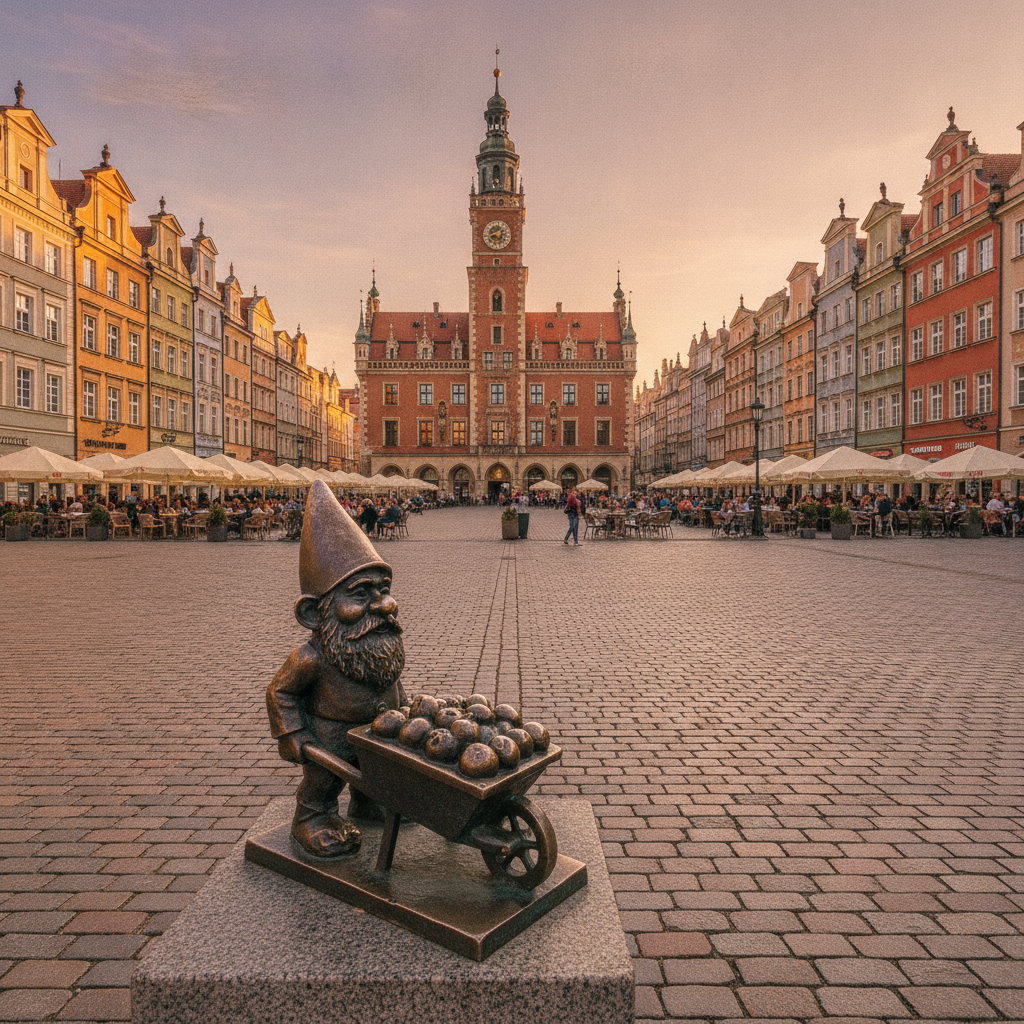
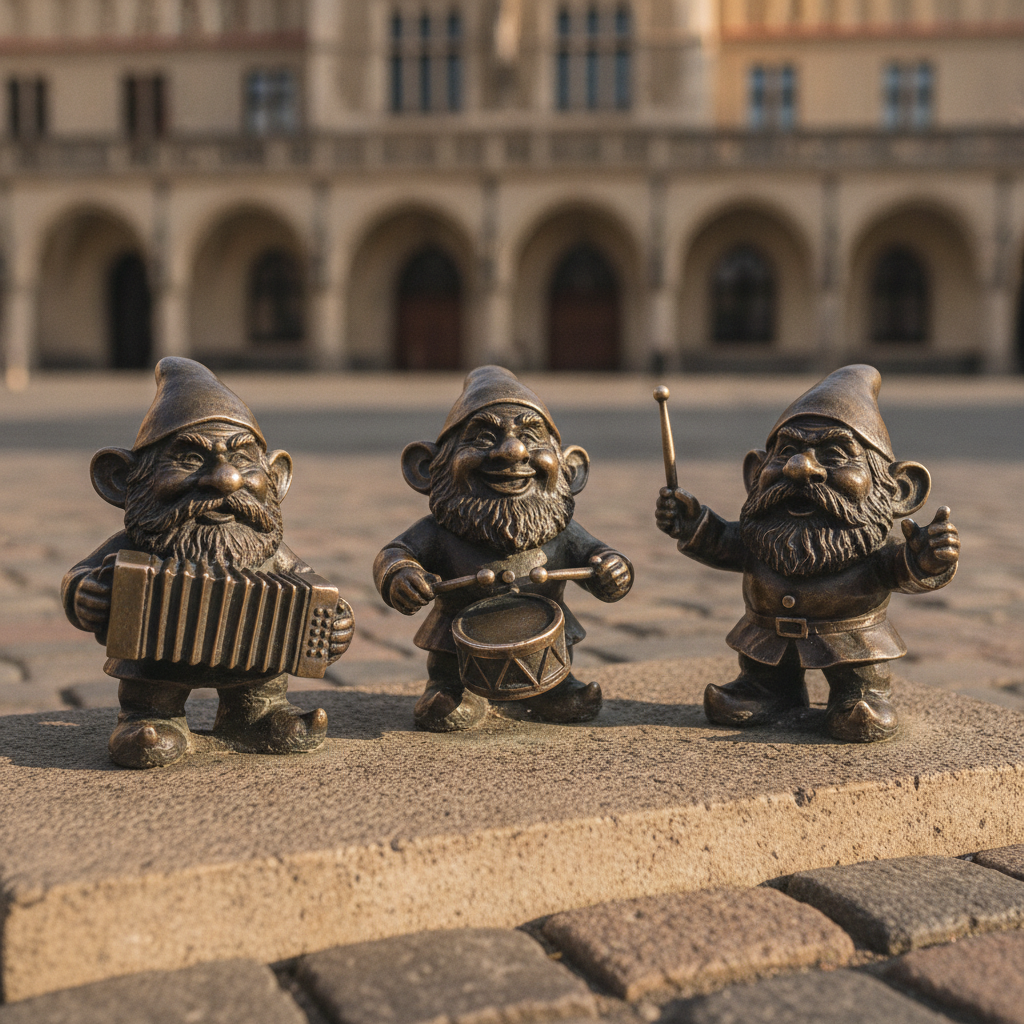
Wrocław family activities: the dwarf hunt (the most child-friendly orientation activity in any Polish city, the low-altitude bronze figures perfectly scaled for young children, the hunt available as a self-guided walk with the city's free dwarf map or on the app, the Rynek concentration providing 40 dwarfs within 200m for younger children with limited walking range), the Wrocław Zoo and Afrykarium (€25 adults, €20 children, the full day at the zoo and aquarium the most complete child-focused day in the city, the hippo pool and the shark tank the specific child priorities), the Wrocław Puppet Theatre (Teatr Lalek, Świdnicka 28, the oldest and most respected puppet theatre in Poland, the performances for children on Saturday and Sunday mornings, the ticket at €10-15, the production quality significantly above the typical children's theatre, the theatre's productions toured internationally — the correct evening alternative for families with younger children who cannot sustain the adult museum circuit), and the Fountain Show at the Centennial Hall (the free multimedia water show on the Pergola fountain every Tuesday and Thursday-Sunday evening from May to October, the show beginning at dusk, the 30-minute show the most accessible free family event in Wrocław in summer).
Walk this route with audio
Stories play automatically as you reach each stop — no tapping needed.
More in wroclaw
Wrocław Dwarf Hunt, Bridges & Walking Routes — the Complete City Circuit
Wrocław Food — Silesian Pierogi, the Market Hall, Craft Beer & Local Restaurants
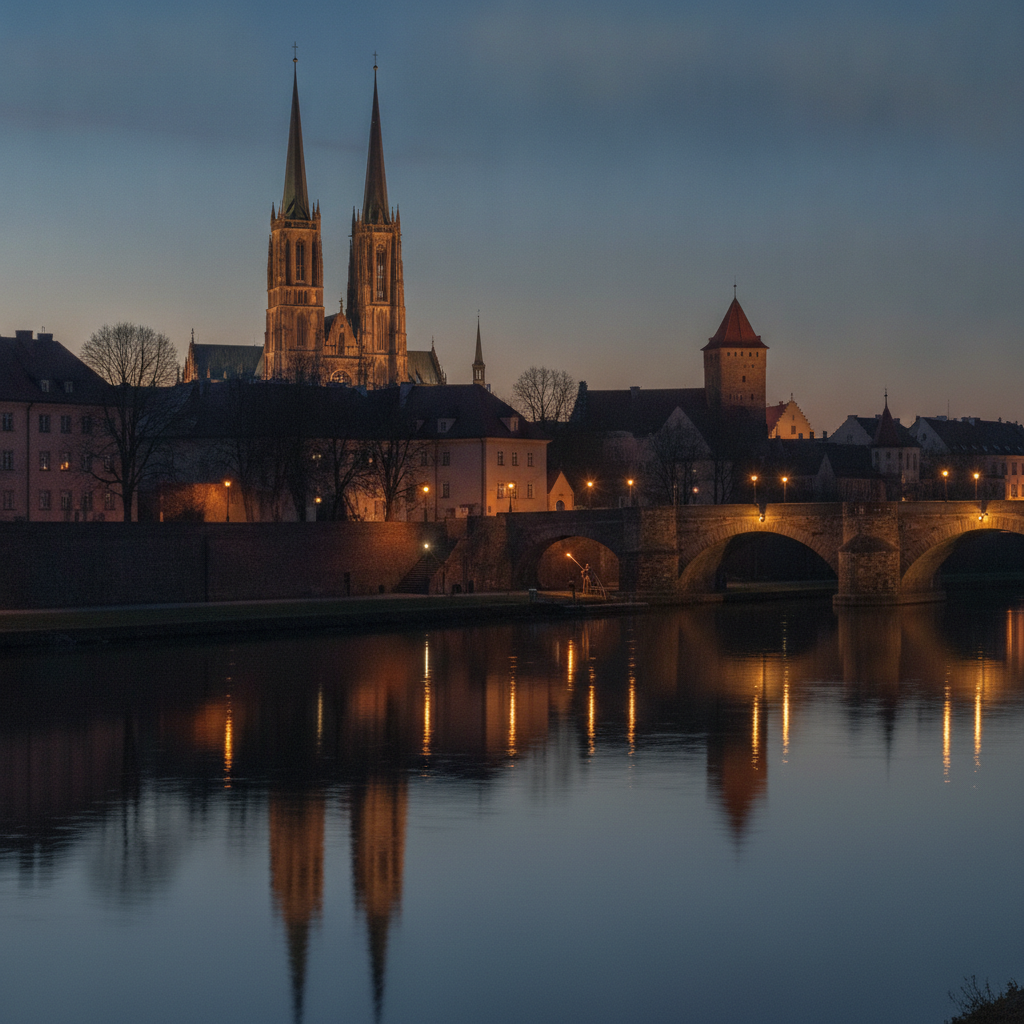
Wrocław Cathedral Island — Gothic Towers, Gas Lamps & the Odra Islands
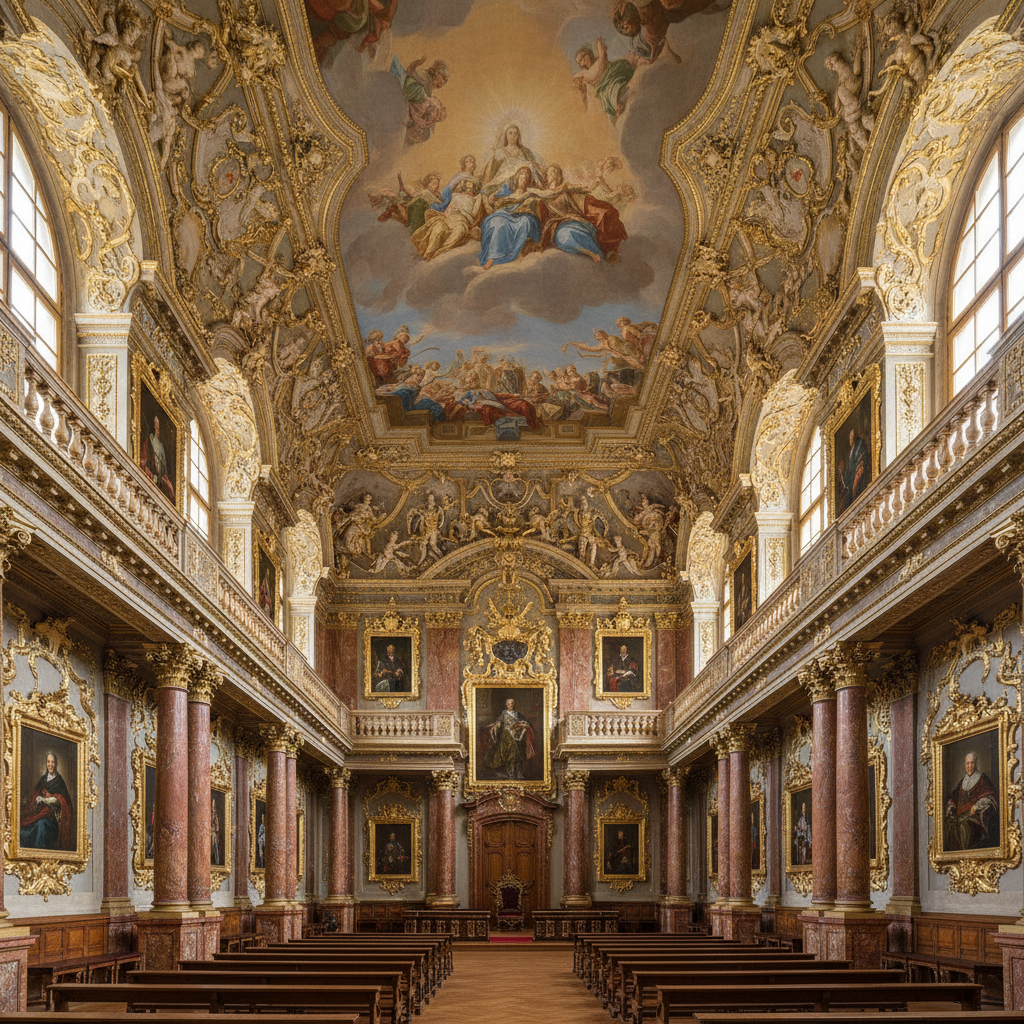
Wrocław University, Museums & the National Forum of Music — Cultural Capital Legacy