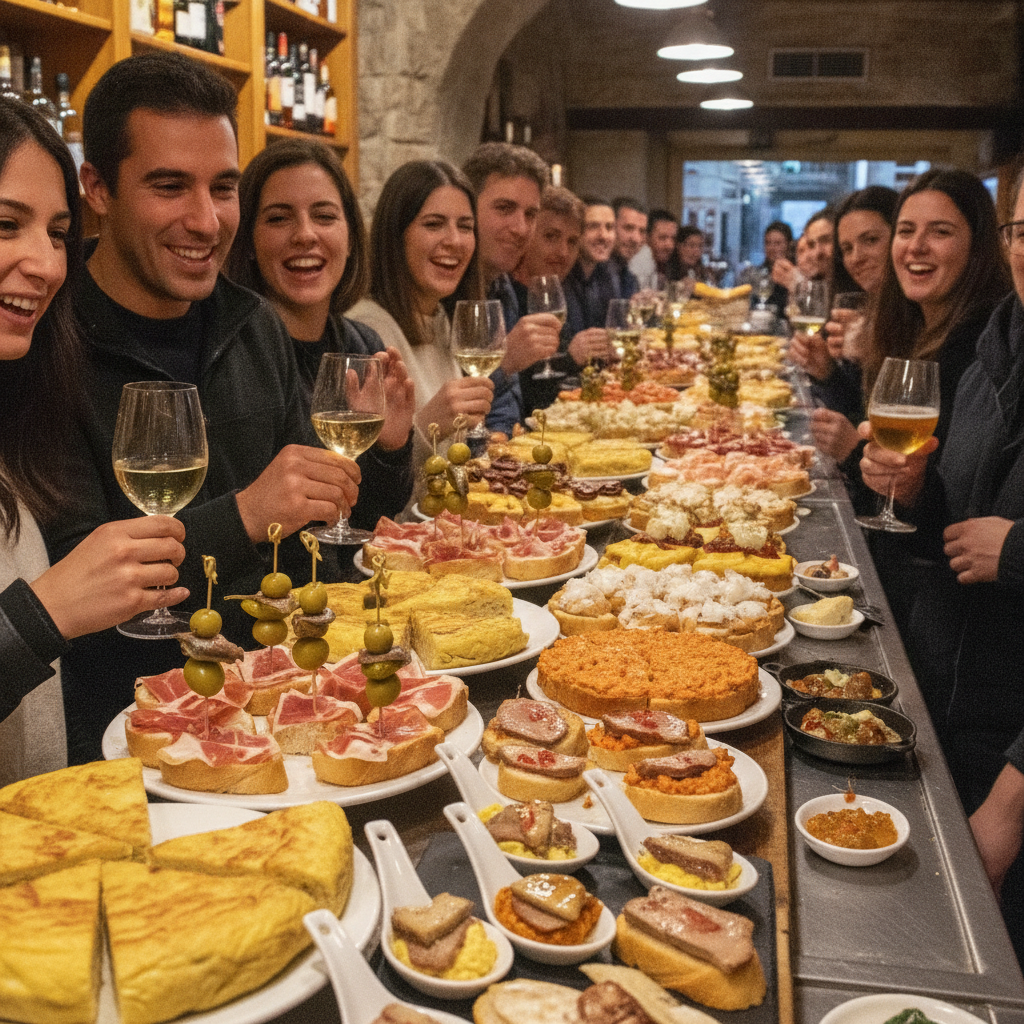
Pintxos, Casco Viejo e la Cultura Gastronomica Basca di Bilbao
Il Casco Viejo (il quartiere storico di Bilbao) e la cultura dei pintxos di Bilbao — la tradizione basca degli spuntini da bar che è una delle grandi tradizioni gastronomiche d'Europa — definiscono insieme la cultura gastronomica e sociale di Bilbao, la città costantemente classificata tra le principali destinazioni gastronomiche del mondo.
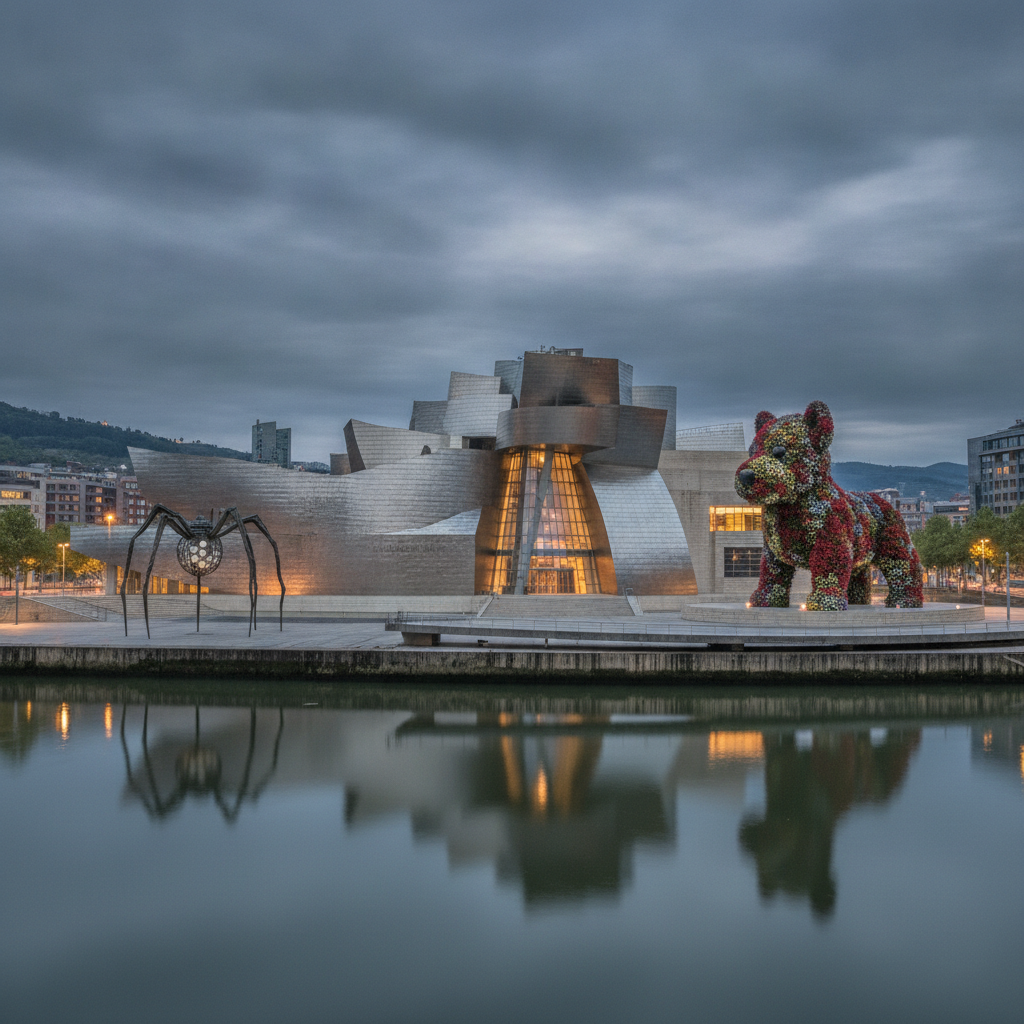
Guggenheim Bilbao, Frank Gehry e la Rinascita Basca
Il Museo Guggenheim Bilbao (il museo d'arte contemporanea progettato da Frank Gehry e inaugurato nel 1997) è universalmente riconosciuto come l'opera architettonica più importante della fine del XX secolo e il catalizzatore dello straordinario rinascimento urbano di Bilbao.
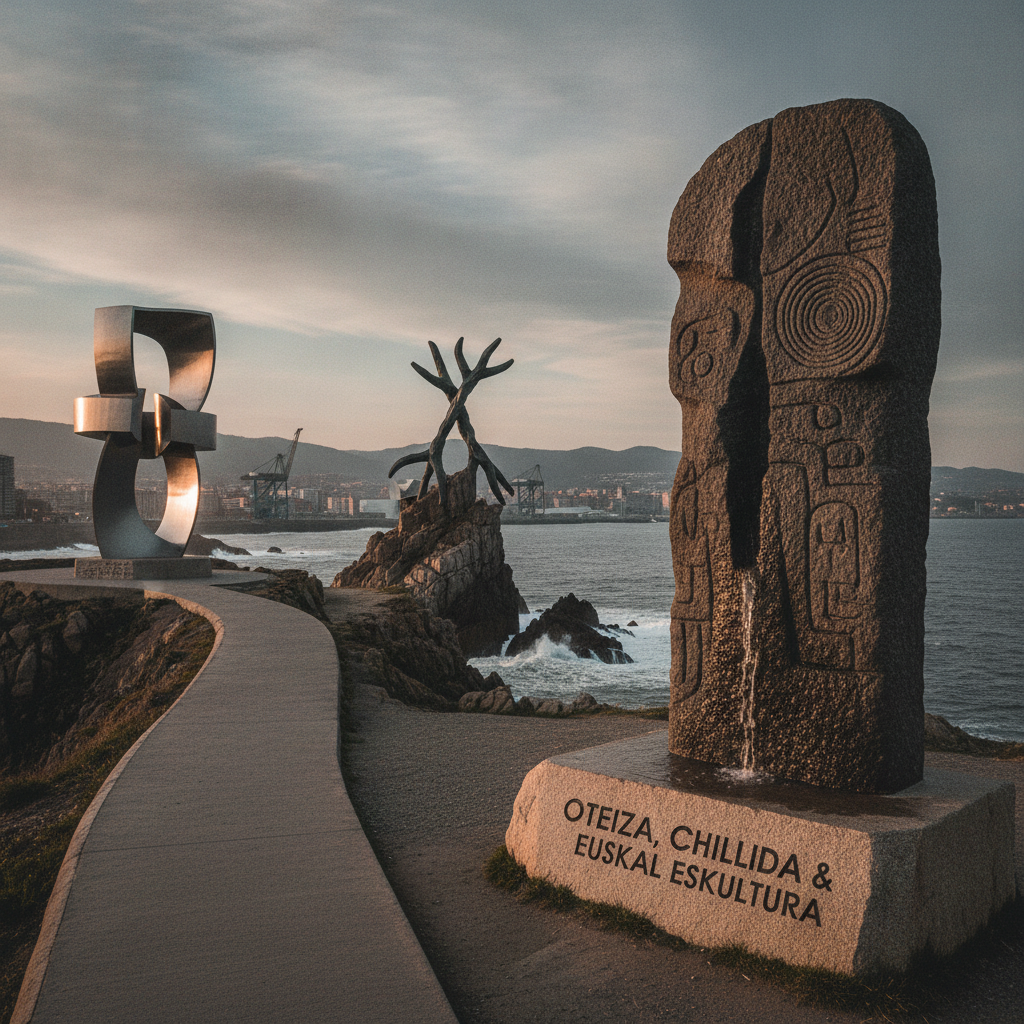
Oteiza, Chillida e la Tradizione della Scultura Basca
The two great Basque sculptors of the 20th century — Jorge de Oteiza (1908-2003) and Eduardo Chillida (1924-2002) — are together the most important contribution of the Basque Country to the international art world: Oteiza's abstract 'empty forms' (the sculptures that explore the void and the emptiness as the primary sculptural element) and Chillida's monumental iron, steel, and granite works (including the iconic 'Peine del Viento' ('Comb of the Wind') on the San Sebastián waterfront) are among the defining sculptures of 20th-century European art.
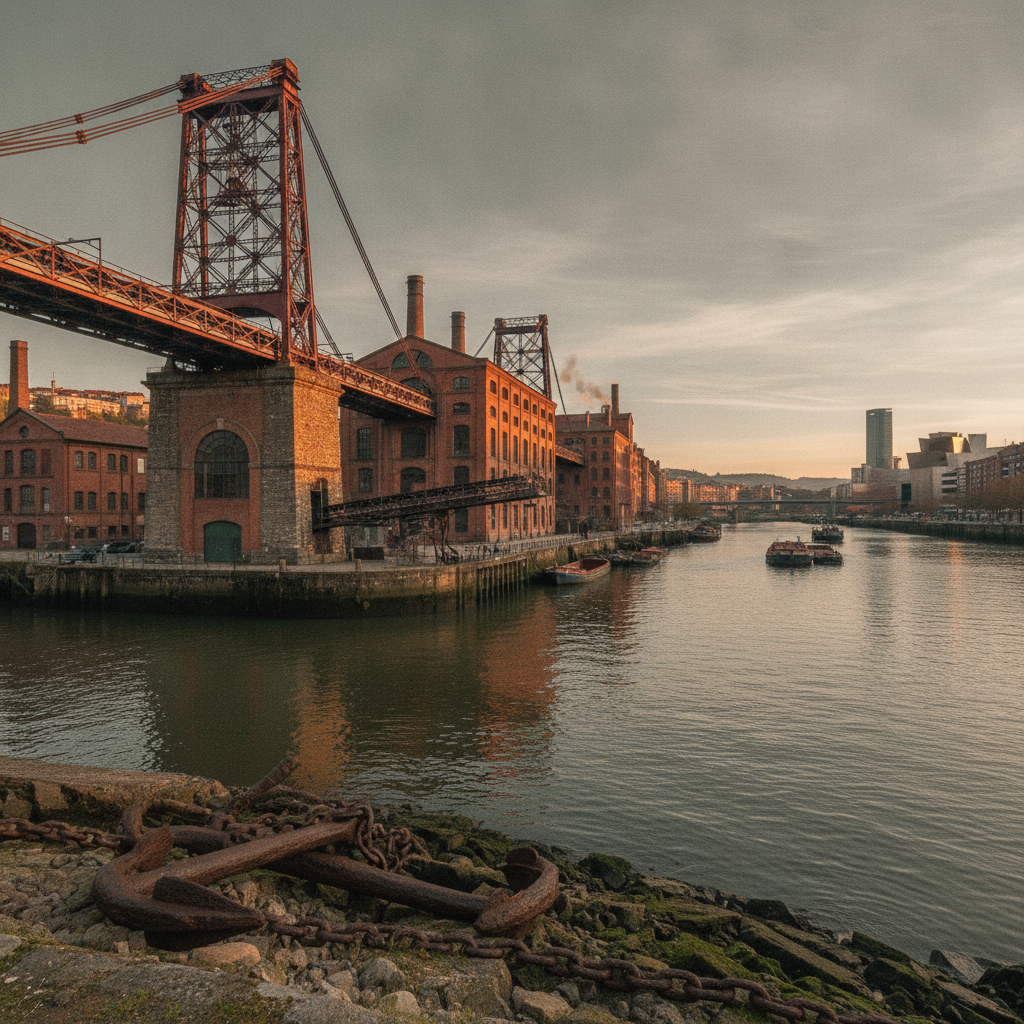
Il Fiume Nervión, Patrimonio Industriale e la Storia del Ferro di Bilbao
The Nervión River ('Ría del Nervión' — the tidal estuary of the Nervión that runs 15 km from Bilbao to the Bay of Biscay) was the engine of the Basque industrial revolution — the river along whose banks the iron ore from the Basque mines was smelted in the steel mills of the 'Altos Hornos de Vizcaya' (the 'High Furnaces of Vizcaya' — the great steel complex that was the largest steel manufacturer in Spain from the late 19th century to the 1980s) and transformed into the steel that was shipped from the Nervión to the world.
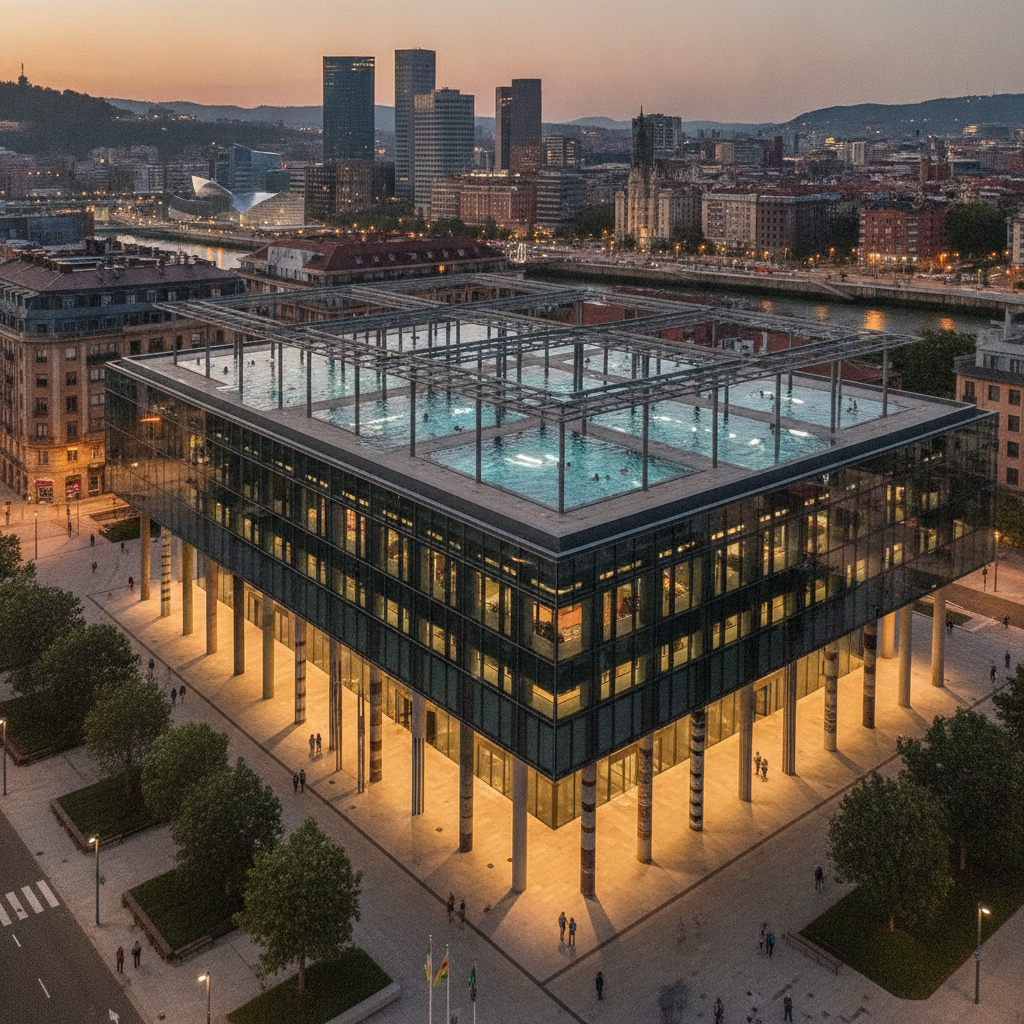
Azkuna Zentroa, Alhóndiga e il Rinnovamento Culturale di Bilbao
The Azkuna Zentroa (formerly the 'Alhóndiga de Bilbao' — the old wine warehouse of the Ensanche, converted by the designer Philippe Starck (b.1949) into the most original cultural centre in the Basque Country, opened 2010) is the most radical example of the cultural renovation programme that transformed Bilbao in the late 20th century — the old warehouse reinvented as the multi-purpose cultural and leisure centre with the 43 unique columns (each column designed in a different style by Starck), the swimming pool with the transparent glass bottom suspended above the atrium, and the cinema, library, and event spaces.
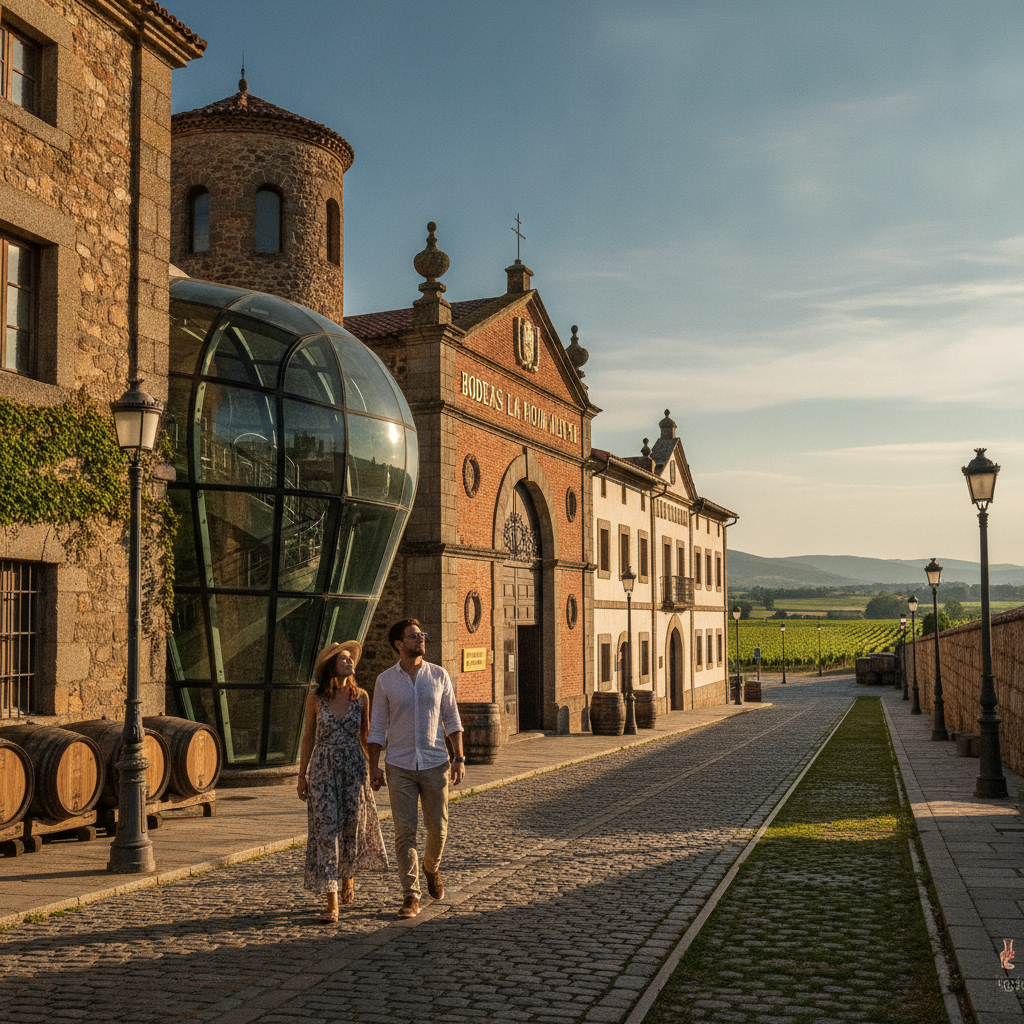
Gita al Vino Rioja — Haro, Laguardia e le Cantine de La Rioja
The Rioja wine region (the 'La Rioja' — the most famous wine region in Spain, the wine region that produces the Tempranillo-based red wines that are the most internationally recognized Spanish wines) is only 90 km south of Bilbao, making the Rioja wine country the most accessible day trip from Bilbao: Haro (the 'capital of Rioja wine', 90 km south of Bilbao, the town with the highest concentration of historic wine bodegas ('bodegas históricas') in Spain) and Laguardia (the medieval walled town of the Rioja Alavesa, 100 km south of Bilbao, the wine town perched on the hilltop above the Ebro River valley with the panoramic views of the Sierra de Cantabria).
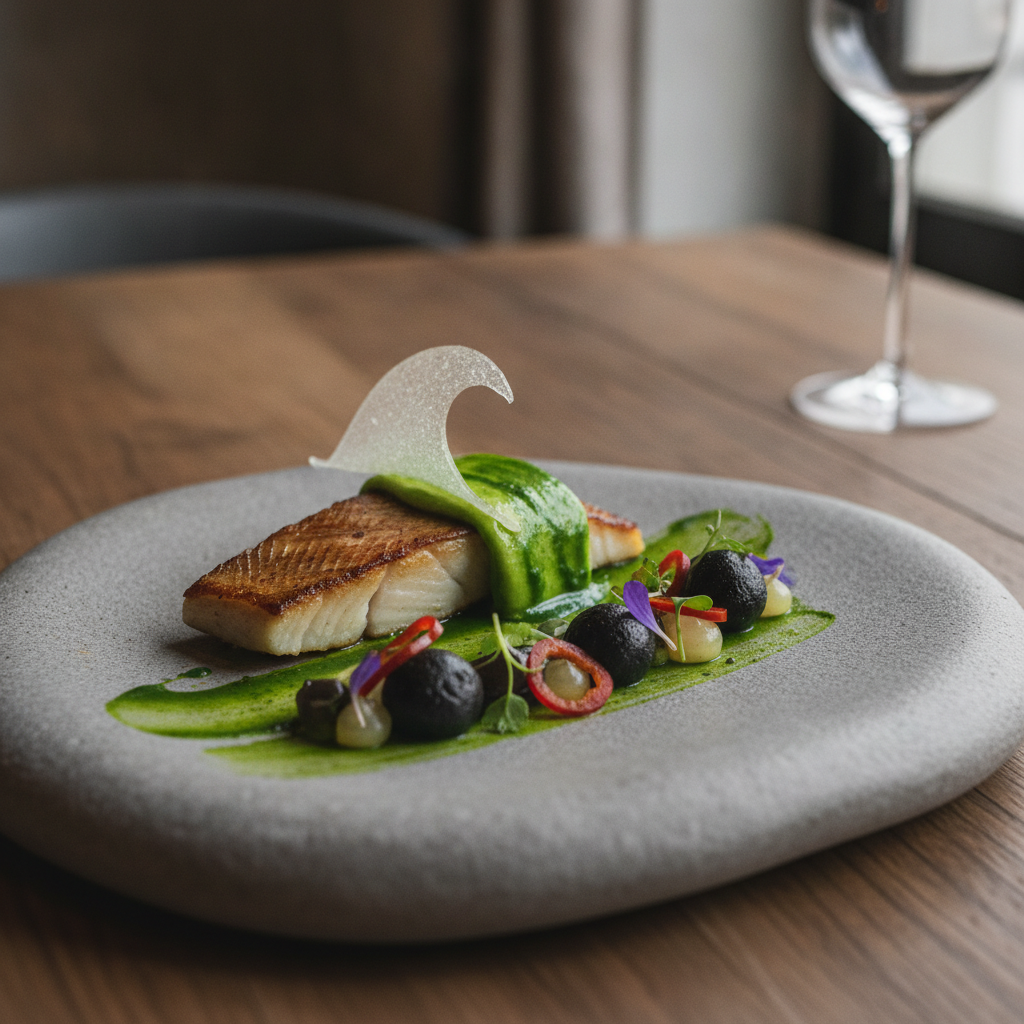
Stelle Michelin Basche, Arzak e la Capitale della Gastronomia Mondiale
The Basque Country has the highest concentration of Michelin stars per capita in the world — the region of 2.2 million people that has earned more than 30 Michelin stars (including 3 restaurants with 3 stars: Arzak in San Sebastián, Akelarre in San Sebastián, and Azurmendi in Larrabetzu near Bilbao) and that gave birth to the 'nueva cocina vasca' (the 'new Basque cuisine') movement of the 1970s-1980s that transformed the world of haute cuisine.
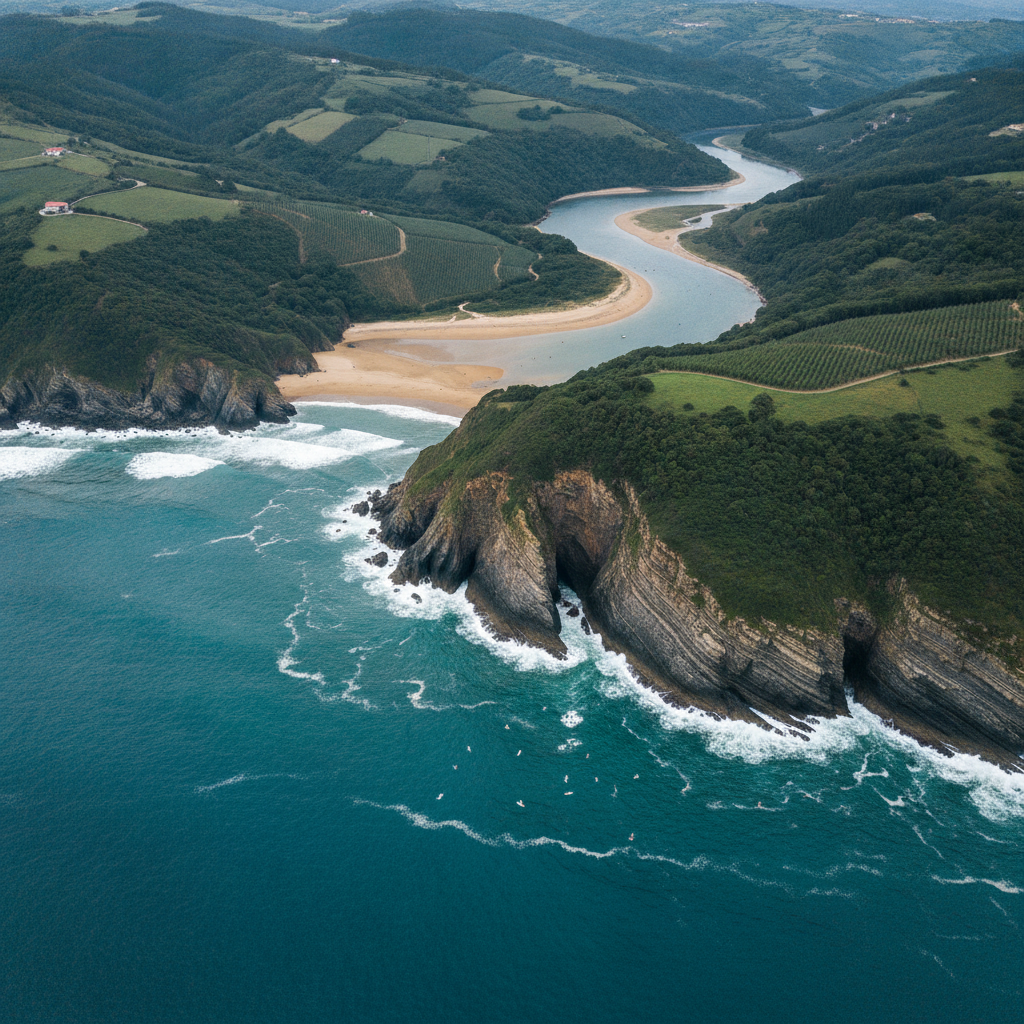
Costa Basca, Getxo, Riserva della Biosfera di Urdaibai e Natura Atlantica
La Costa Basca intorno a Bilbao — dalla elegante stazione balneare di Getxo (15 km a nord di Bilbao) alla Riserva della Biosfera UNESCO di Urdaibai (l'ecosistema estuarino incontaminato 30 km a nordest di Bilbao) — è il tratto più drammatico e diversificato della costa atlantica della Spagna.
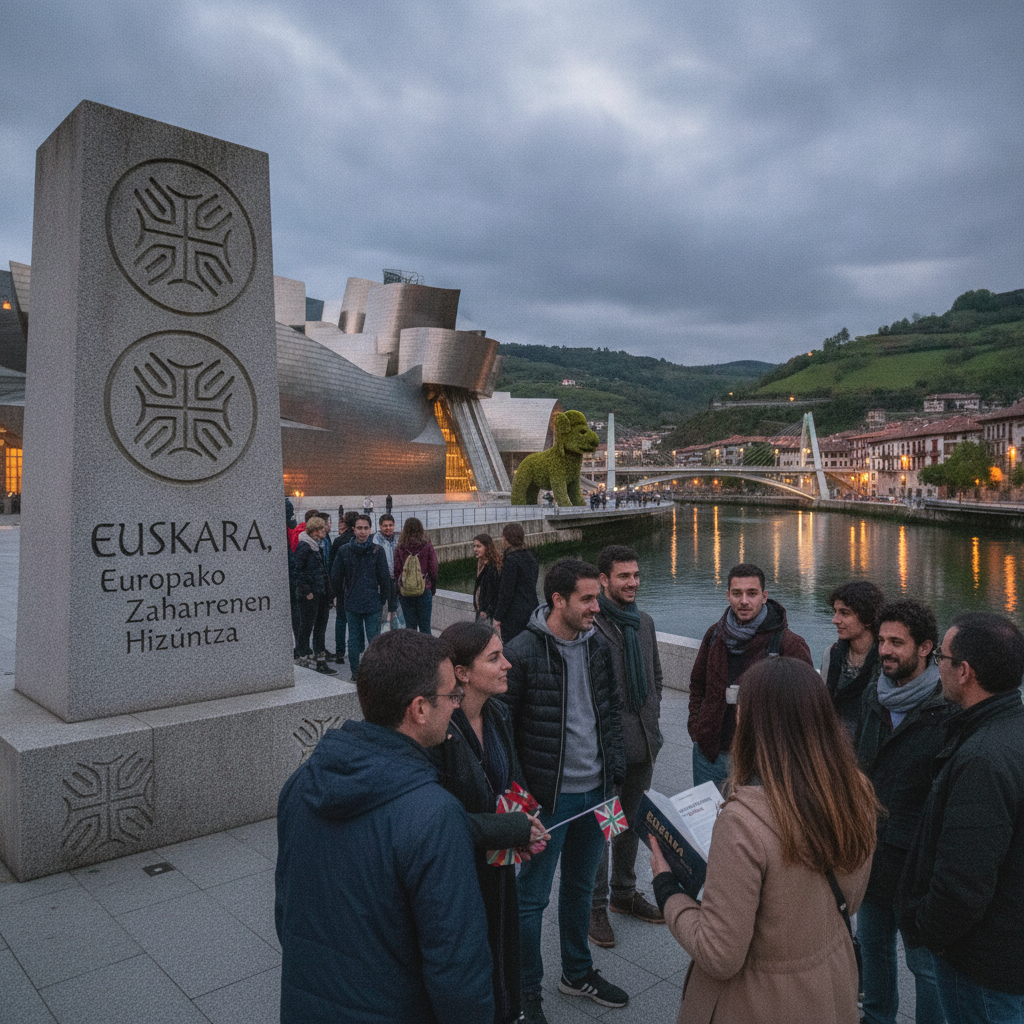
Euskara, Identità Basca e la Lingua del Popolo Più Antico d'Europa
Euskara (the Basque language — the most remarkable linguistic mystery in Europe: the language of the Basque people that is the only surviving pre-Indo-European language in Western Europe, the language with no known genetic relationship to any other language in the world (a 'language isolate' — a language that has no demonstrable relationship to any language family), the language spoken by approximately 750,000 people in the Basque Country and Navarre and by the Basque diaspora communities worldwide) and the Basque cultural identity it expresses are the defining characteristics of the Basque people and the foundation of the political and cultural project of the Basque Country.