Guide della Città
Percorsi, articoli e liste curate per aiutarti a scoprire luoghi straordinari.
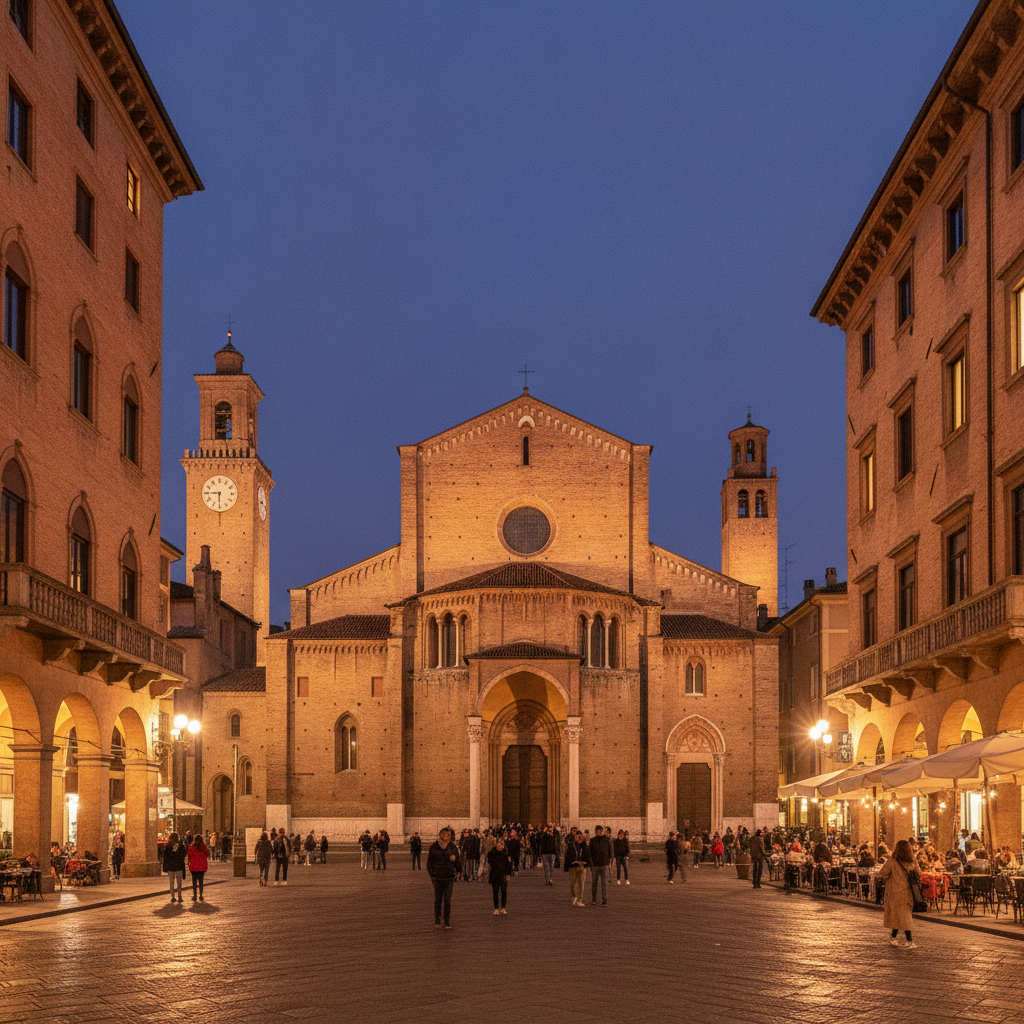
Basilica Santo Stefano, Palazzi Medievali e Bologna di Notte
The Piazza Santo Stefano and the surrounding medieval quarter of Bologna — the most atmospheric corner of the city — at night transforms into the heart of the Bologna social life: the aperitivo hour ('aperitivo bolognese' — the pre-dinner drink culture of Bologna, the city's most convivial social ritual), the restaurants and the 'osterie' of the historic centre filling as the university students and the city residents settle in for the long Bolognese evening.
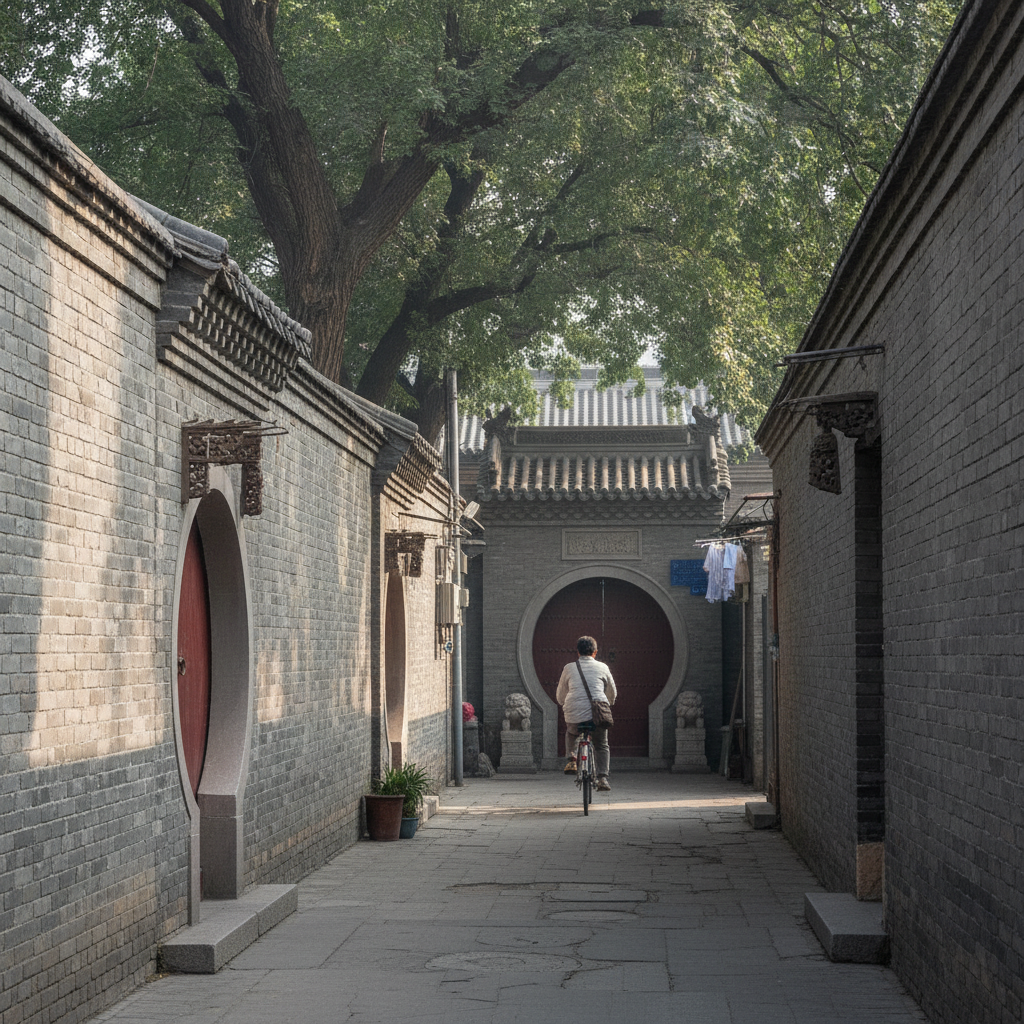
Hutong e Siheyuan — La Città dei Cortili della Vecchia Pechino
Gli hutong (胡同 — i vicoli stretti della vecchia Pechino, tracciati a griglia durante la dinastia Yuan (1271-1368)) e i siheyuan (四合院 — la casa a cortile chiusa con edifici su tutti e quattro i lati di un cortile centrale) formano insieme il tessuto urbano storico della Pechino pre-1949.
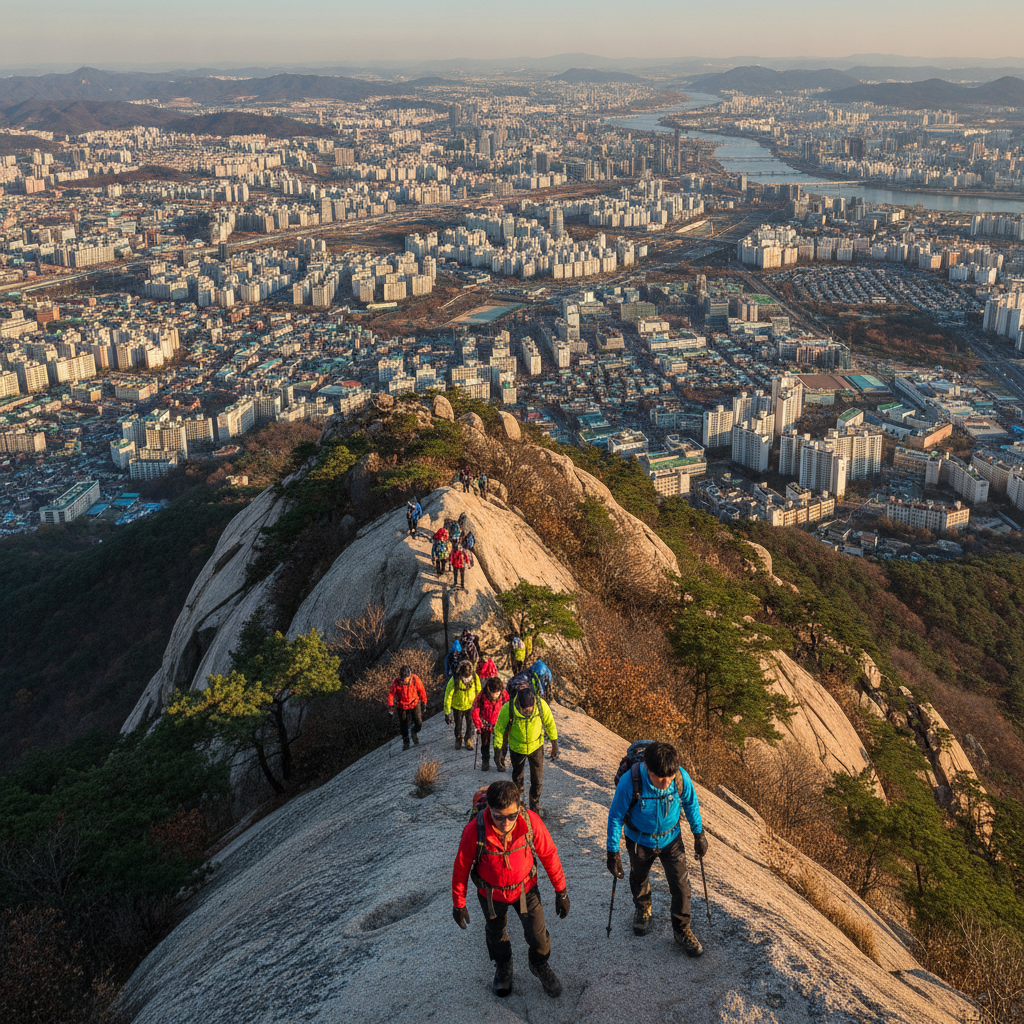
Parco Nazionale di Bukhansan — Vette di Granito e le Mura della Fortezza di Seoul
Bukhansan National Park (북한산국립공원, 'north of the Han Mountain National Park' — the 80-square-kilometre national park in the northern outskirts of Seoul, encompassing the Bukhansan massif (the highest peak Baegundae 836 metres) and the Dobongsan massif (Jaunbong 740 metres) — is the most visited national park in the world per unit area, with over 5 million visitors annually accessing it directly from Seoul's subway system.
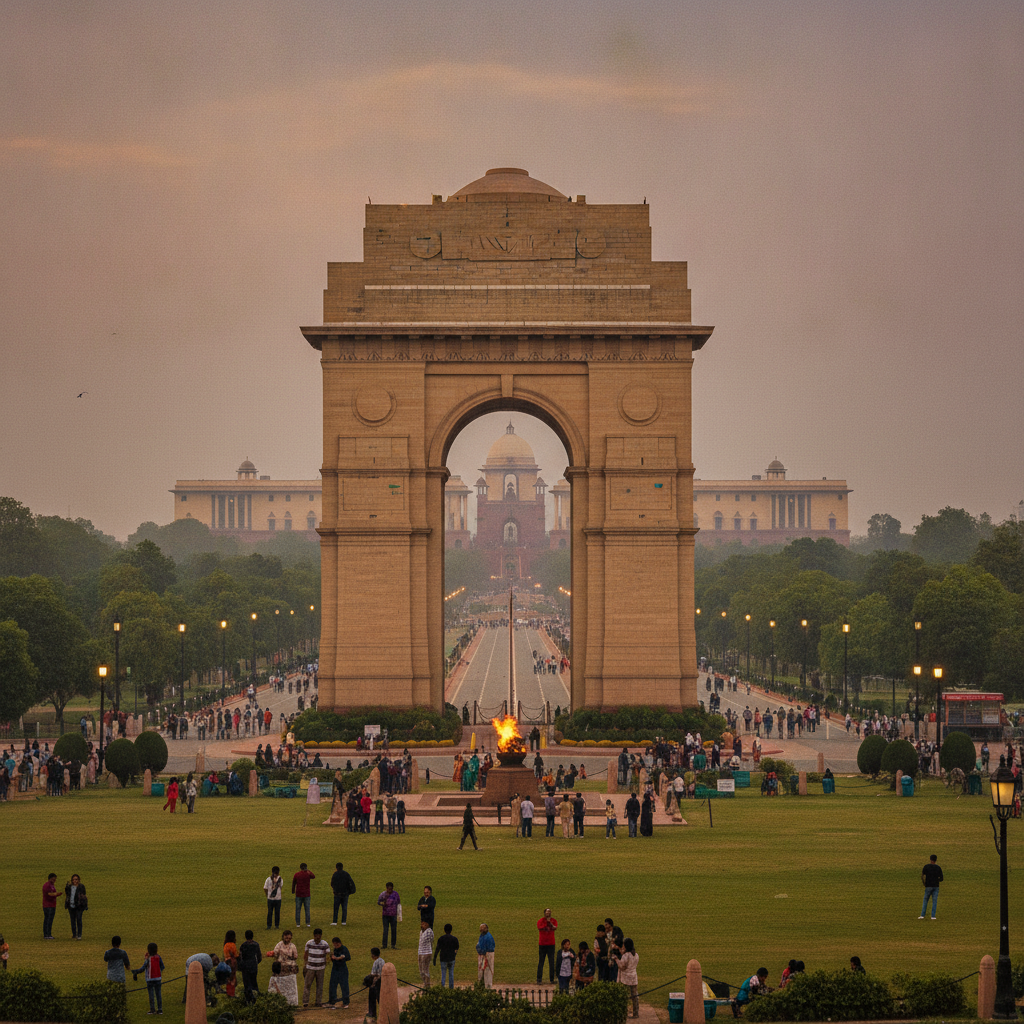
Porta dell'India, Rashtrapati Bhavan e la Nuova Delhi di Lutyens
La Nuova Delhi di Lutyens — la pianificata capitale coloniale progettata da Edwin Lutyens e Herbert Baker, costruita tra il 1911 e il 1931 — incentrata sull'asse cerimoniale di 3 km tra la Porta dell'India e Rashtrapati Bhavan, è uno dei grandi esempi di pianificazione urbana imperiale del XX secolo.
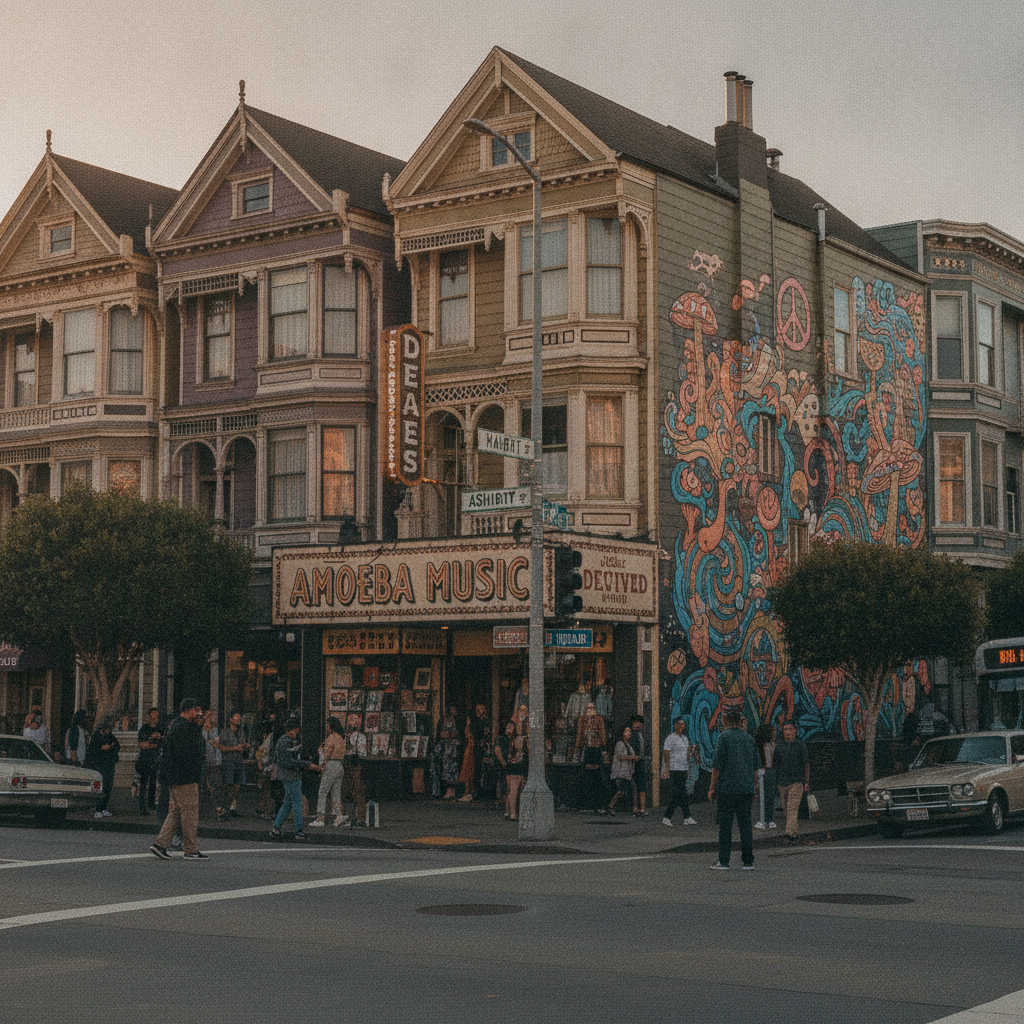
Haight-Ashbury, Golden Gate Park e l'Eredità della Controcultura degli Anni '60
The Haight-Ashbury neighbourhood — the Victorian residential district west of Buena Vista Park that became the epicentre of the 1967 Summer of Love and the psychedelic counterculture movement, and that today preserves more of the visual and commercial character of that era than any other neighbourhood in San Francisco — and the adjacent Golden Gate Park (the 3 miles by half-mile rectangular park that constitutes San Francisco's largest green space) are the twin anchors of western San Francisco's cultural and recreational landscape.
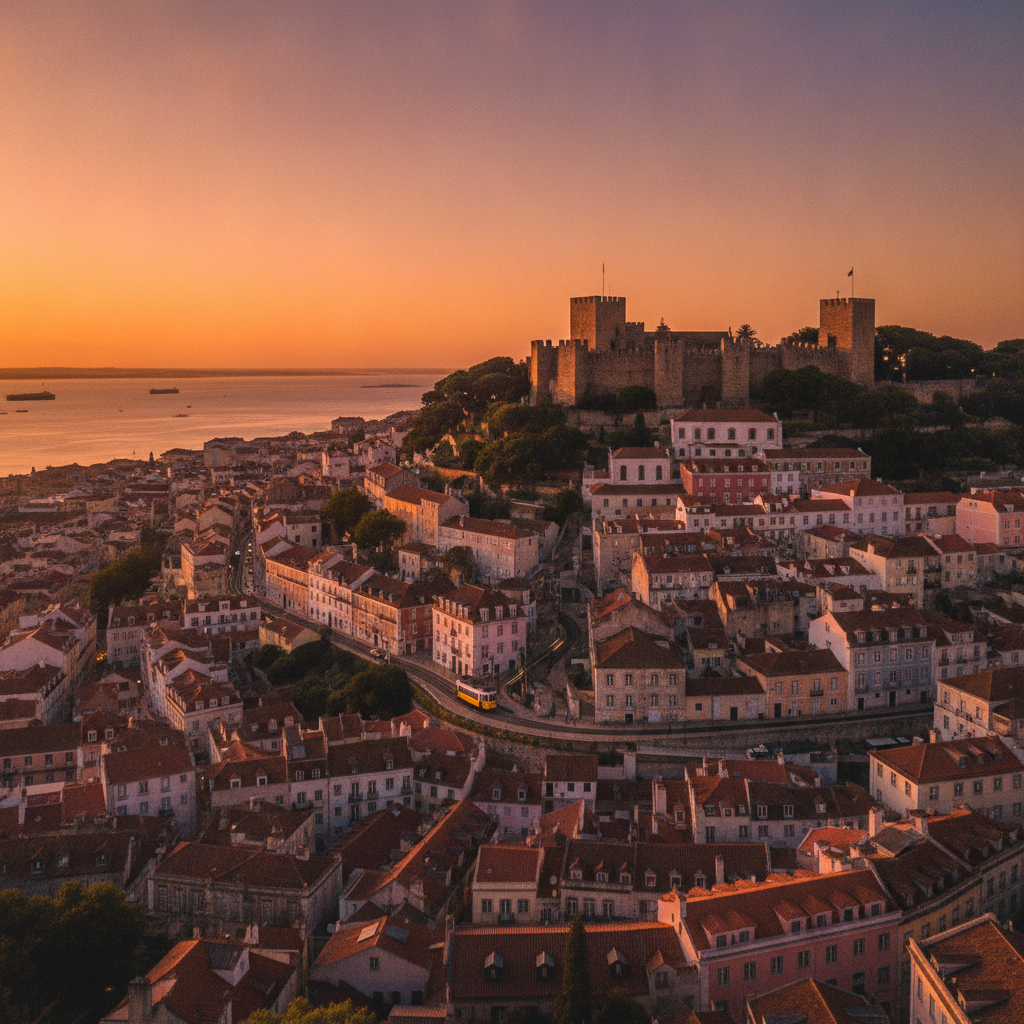
Alfama e il Castello São Jorge: Il Cuore Moresco di Lisbona
Alfama — dall'arabo al-hamma, 'i bagni' — è il più antico quartiere superstite di Lisbona, l'unico a precedere il catastrofico terremoto del 1755. Arroccato su una collina sotto il castello moresco di São Jorge, il suo labirinto di ripide stradine, case piastrellate, miradouros e bar di fado rappresenta l'anima della città.
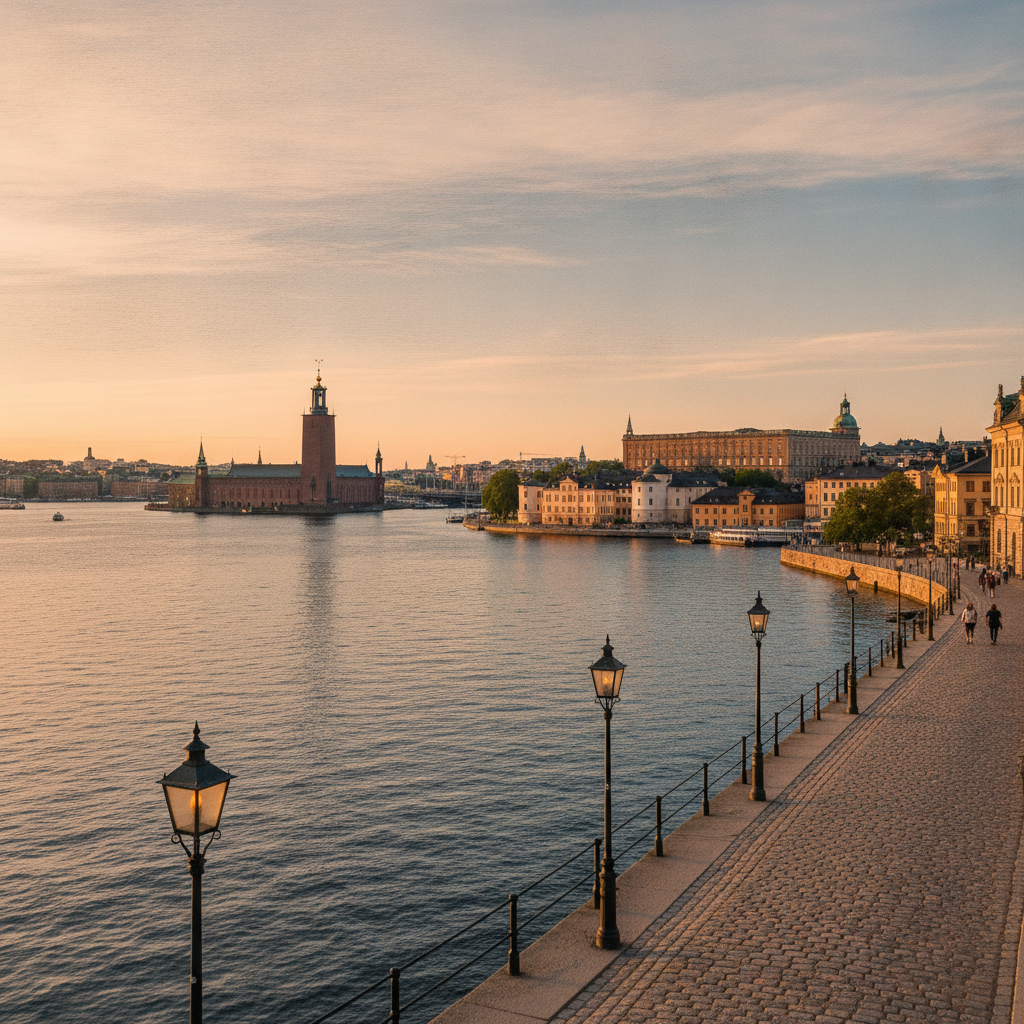
Södermalm — Il Quartiere Creativo di Stoccolma, Fotografiska e il Municipio
Södermalm — la grande isola a sud di Gamla Stan, il quartiere più creativo e culturalmente vitale di Stoccolma — ospita Fotografiska (uno dei più importanti musei di fotografia del mondo), la passeggiata sul cliff di Monteliusvägen e le viste panoramiche sul Municipio.
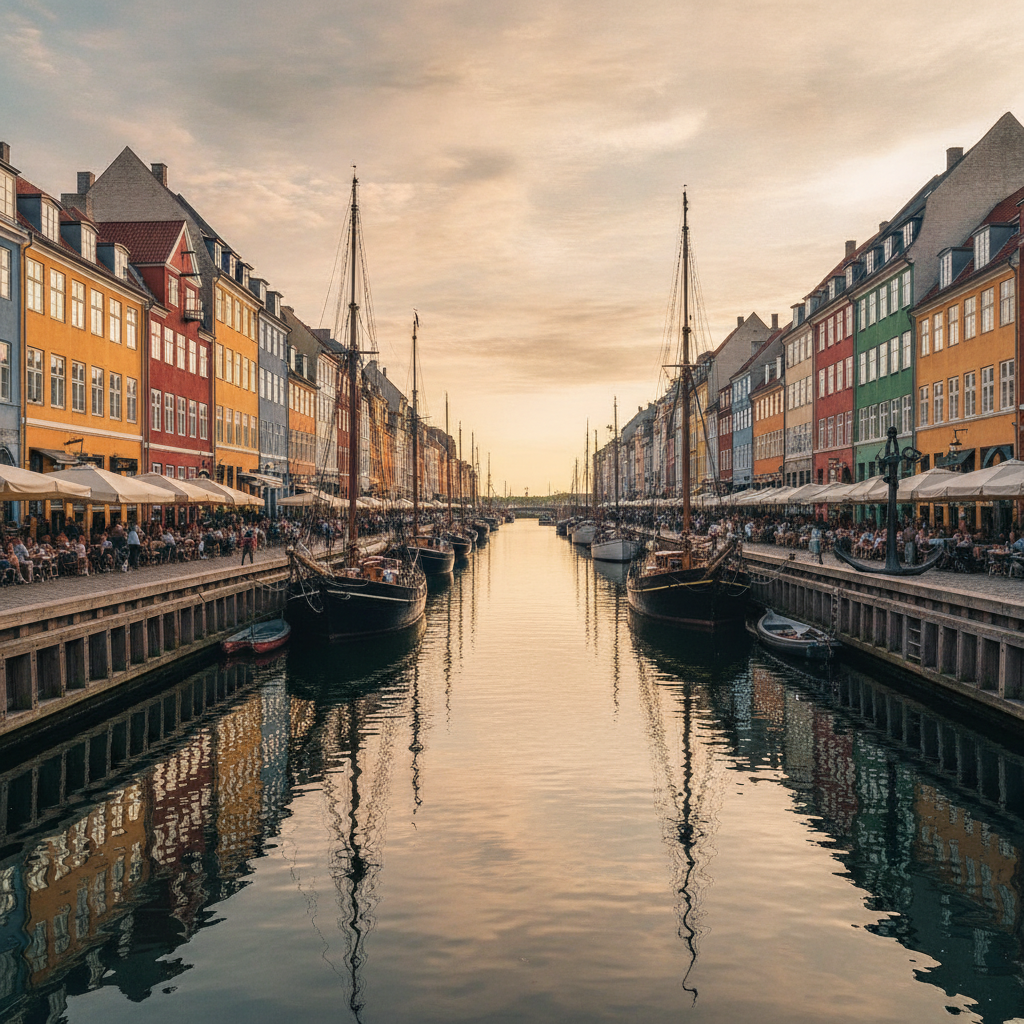
Nyhavn, Città Vecchia e Christiansborg — Il Cuore Storico di Copenaghen
Copenaghen — la capitale e la città più grande della Danimarca, costantemente classificata tra le migliori città del mondo per la qualità della vita — ha un centro storico costruito intorno alla città medievale e al porto reale del XVII secolo, con Nyhavn, Strøget e Christiansborg come monumenti principali.
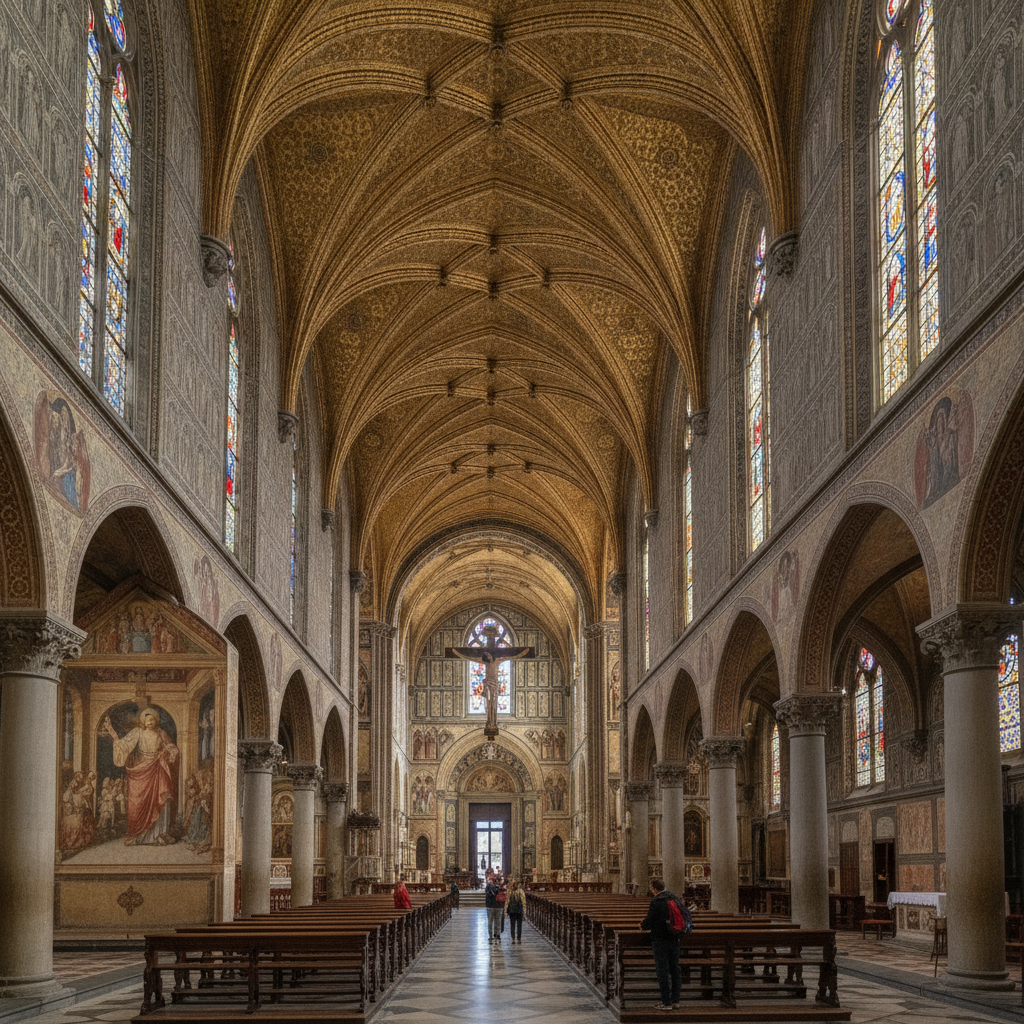
Santa Maria Novella, Via Tornabuoni e la Firenze di Ghirlandaio
Il quartiere ovest del centro storico di Firenze, incentrato sulla basilica domenicana di Santa Maria Novella e sulla via dello shopping di lusso Via Tornabuoni, rappresenta uno strato distintivo della cultura fiorentina — la chiesa che contiene la 'Trinità' di Masaccio (il primo dipinto che utilizza la vera prospettiva lineare) e il ciclo di ritratti di Ghirlandaio nella Cappella Tornabuoni.
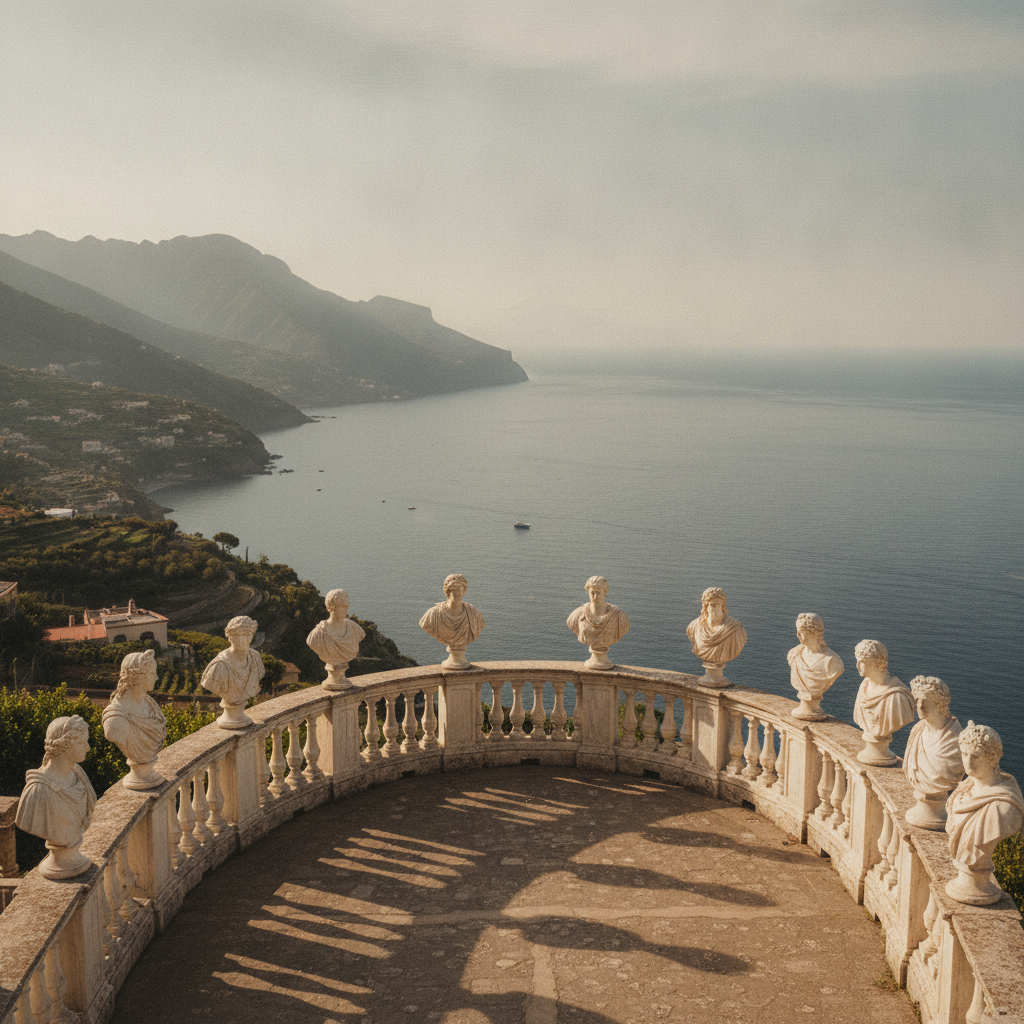
Ravello — Villa Cimbrone, Villa Rufolo & the Ravello Festival
Ravello (population 2,500, at 350m altitude on the ridge between the Valle del Dragone and Valle di Sambito, the City of Music hosting the annual Ravello Festival) is the most elevated and culturally distinguished town on the Amalfi Coast. Accessible by bus from Amalfi in 30 minutes for €1.30.
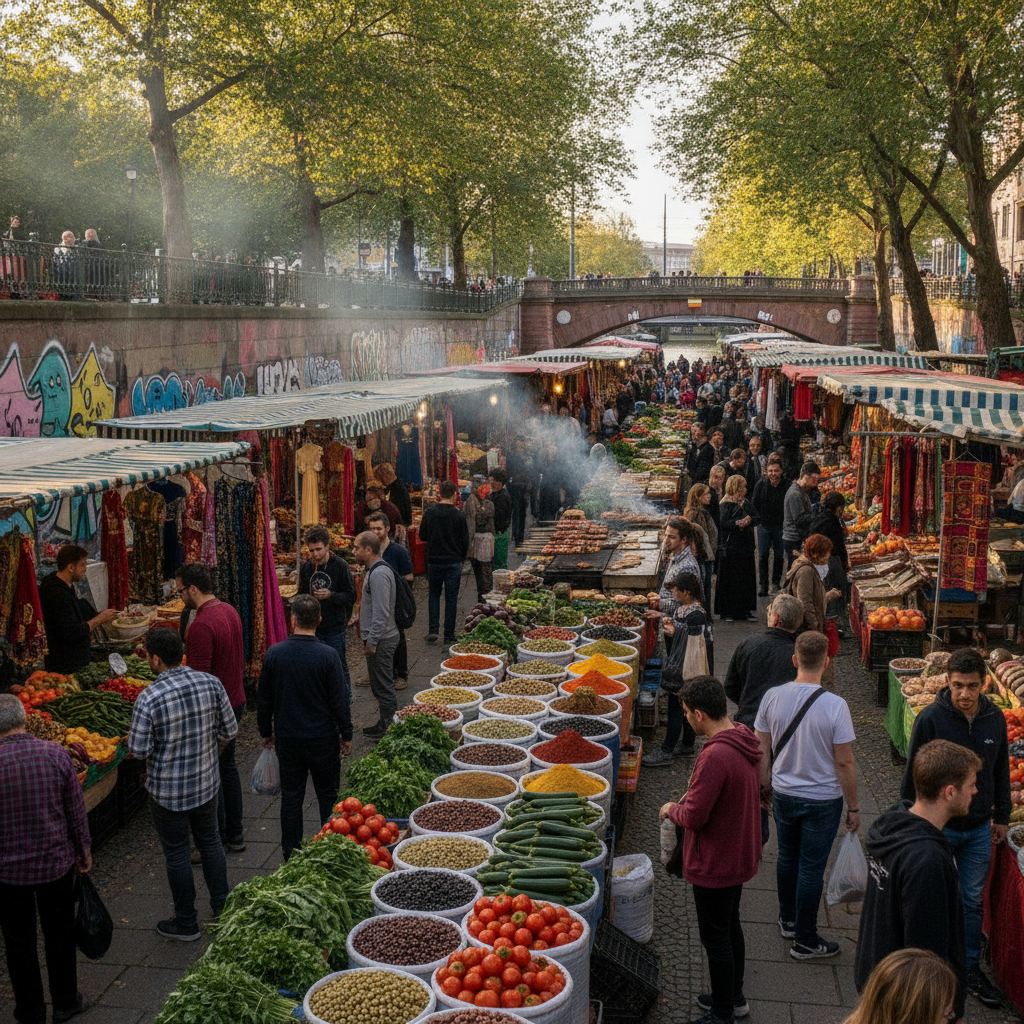
Kreuzberg: Mercato Turco, Landwehrkanal e Cultura Urbana
Kreuzberg — l'ex enclave di Berlino Ovest diventata il centro sia della comunità immigrata turco-tedesca che della controcultura alternativa — è il quartiere politicamente e culturalmente più carico di Berlino.
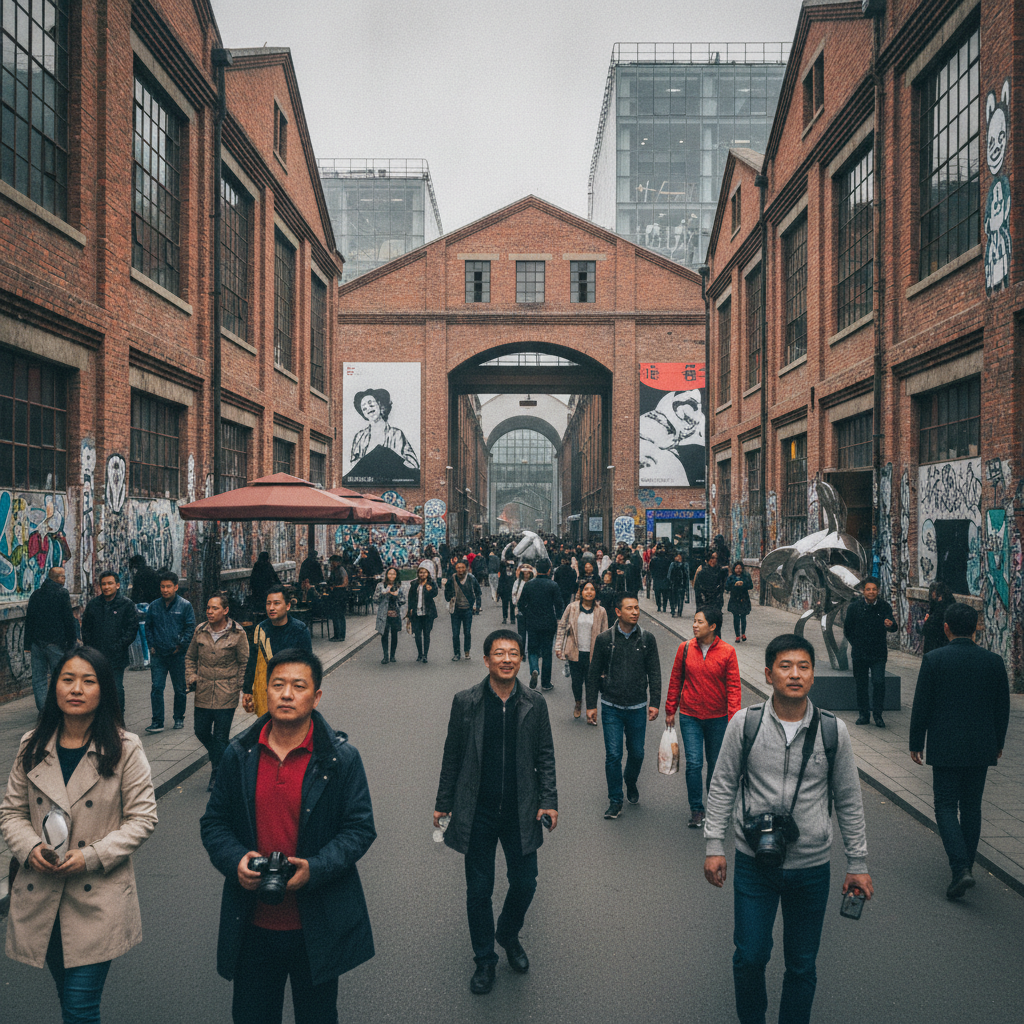
Distretto Artistico 798 e la Pechino Contemporanea — La Rivoluzione Creativa della Cina
798 Art District (798艺术区 — the contemporary art district in the Chaoyang district of northeastern Beijing, in the former buildings of the state-owned 798 Joint Factory (the military electronics factory built with Soviet assistance in the 1950s in the Bauhaus-influenced East German industrial style (designed by East German architects during the 1950s Sino-Soviet friendship period)) — the most important contemporary art district in China and one of the most significant in Asia): the transformation of the factory complex (from 2002, when artists began renting the cheap industrial spaces) into a gallery, studio, and cultural venue complex has made 798 the symbol of China's contemporary art renaissance.

Cucina Brasiliana a Rio — Churrasco, Feijoada, Açaí e la Cucina Carioca
Brazilian cuisine in Rio de Janeiro — the most accessible, varied, and affordable food culture in South America — is shaped by the extraordinary biodiversity of Brazil (the most biodiverse country on Earth), the three-way cultural fusion of indigenous Brazilian, Portuguese colonial, and African slave heritage, and the particular Carioca food traditions that have developed in Rio's specific social context: the beach, the favela, the churrascaria, and the Saturday feijoada are the defining food experiences of Rio.
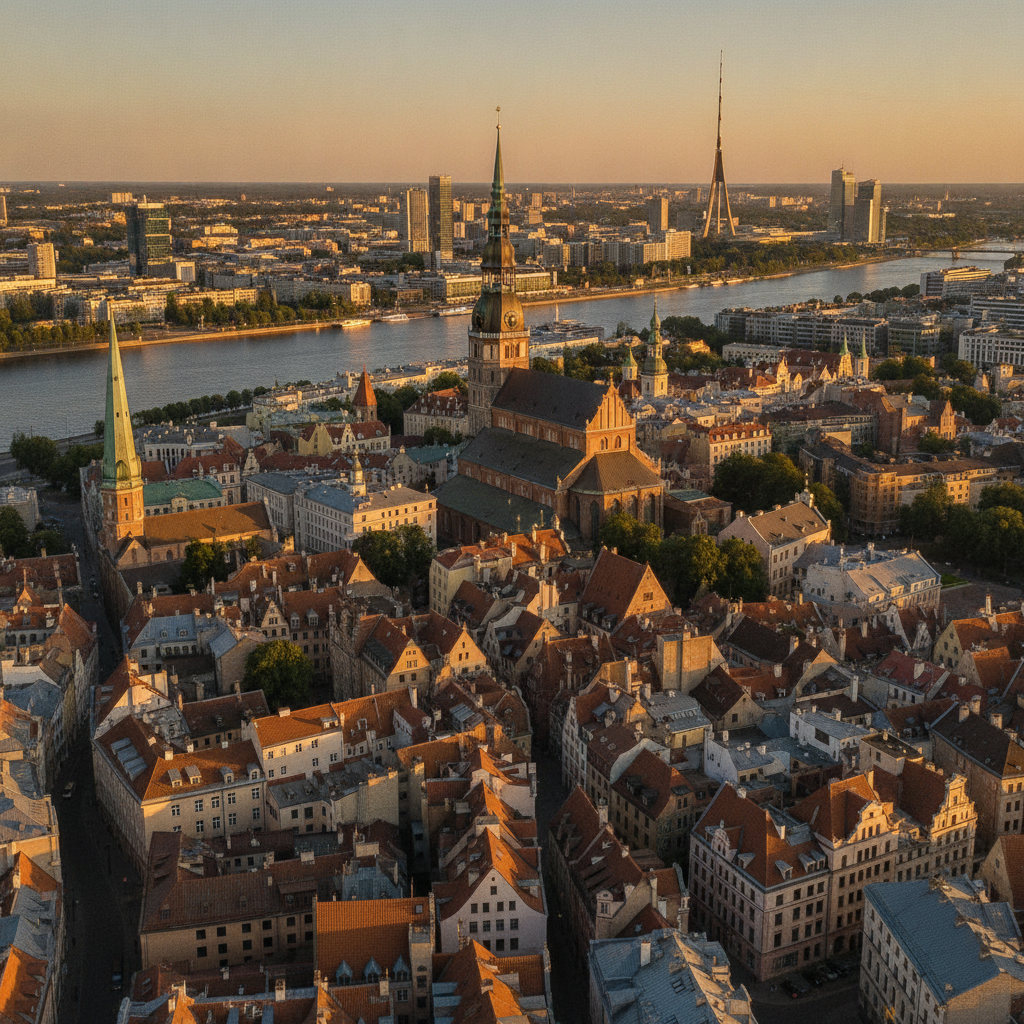
Riga Old Town — Dom Cathedral, the House of Blackheads & the Largest Art Nouveau District in Europe
Riga (the capital of Latvia, population 620,000, the largest city in the Baltic states, founded 1201 by Bishop Albert of Riga as a crusader base for the Christianization of the Baltic peoples, a major Hanseatic League port from the 13th century, the city possessing the most extensive Art Nouveau architecture in the world — approximately one third of all buildings in central Riga built in the Jugendstil and Art Nouveau style 1899-1914, the Old Town inscribed on the UNESCO World Heritage List in 1997, the city capital of independent Latvia since 1918 and since the restoration of independence in 1991) is the cultural capital of the eastern Baltic Sea.
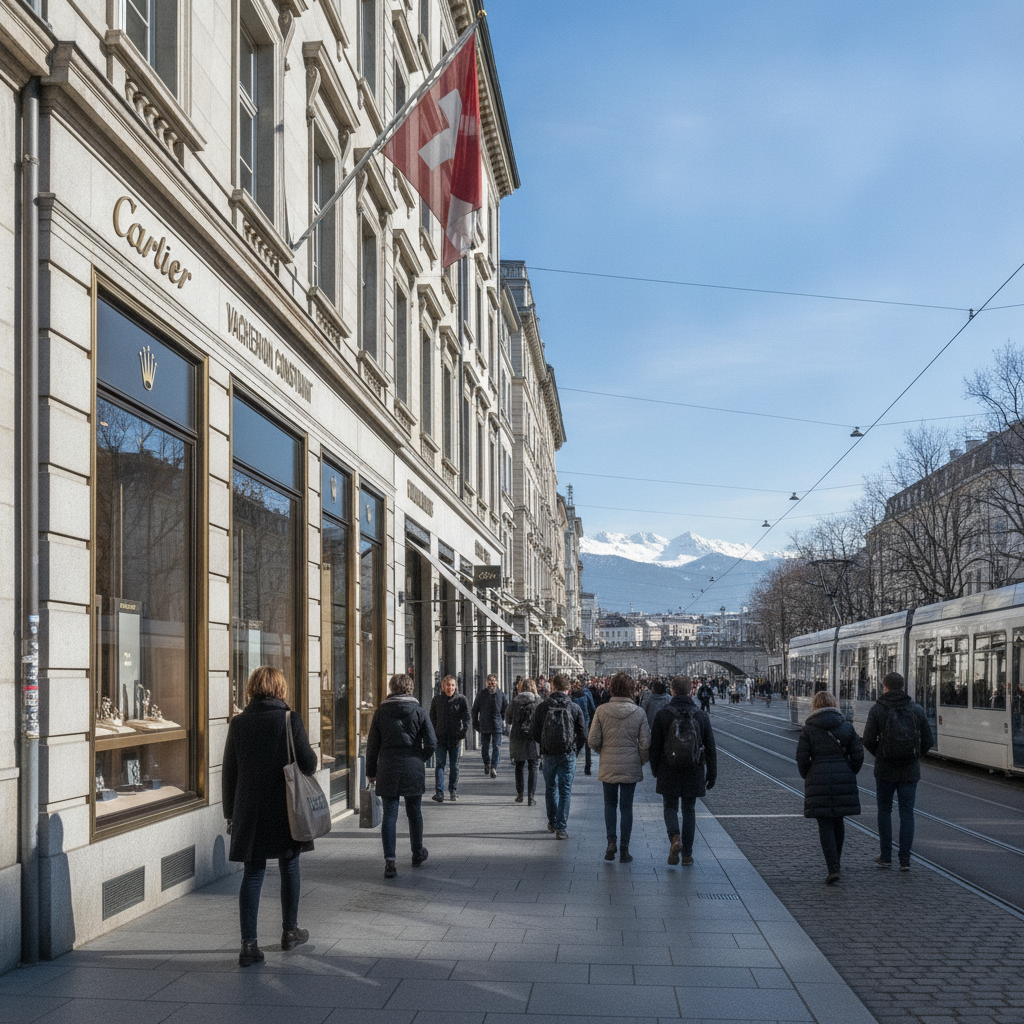
Geneva Watches, the Rue du Rhône & Jean-Jacques Rousseau's City
Geneva's international identity rests on three pillars — the luxury watch industry, the role as a global diplomatic hub, and the intellectual tradition of Rousseau and Calvin — all concentrated in the 2km from the Rue du Rhône to the Old Town.
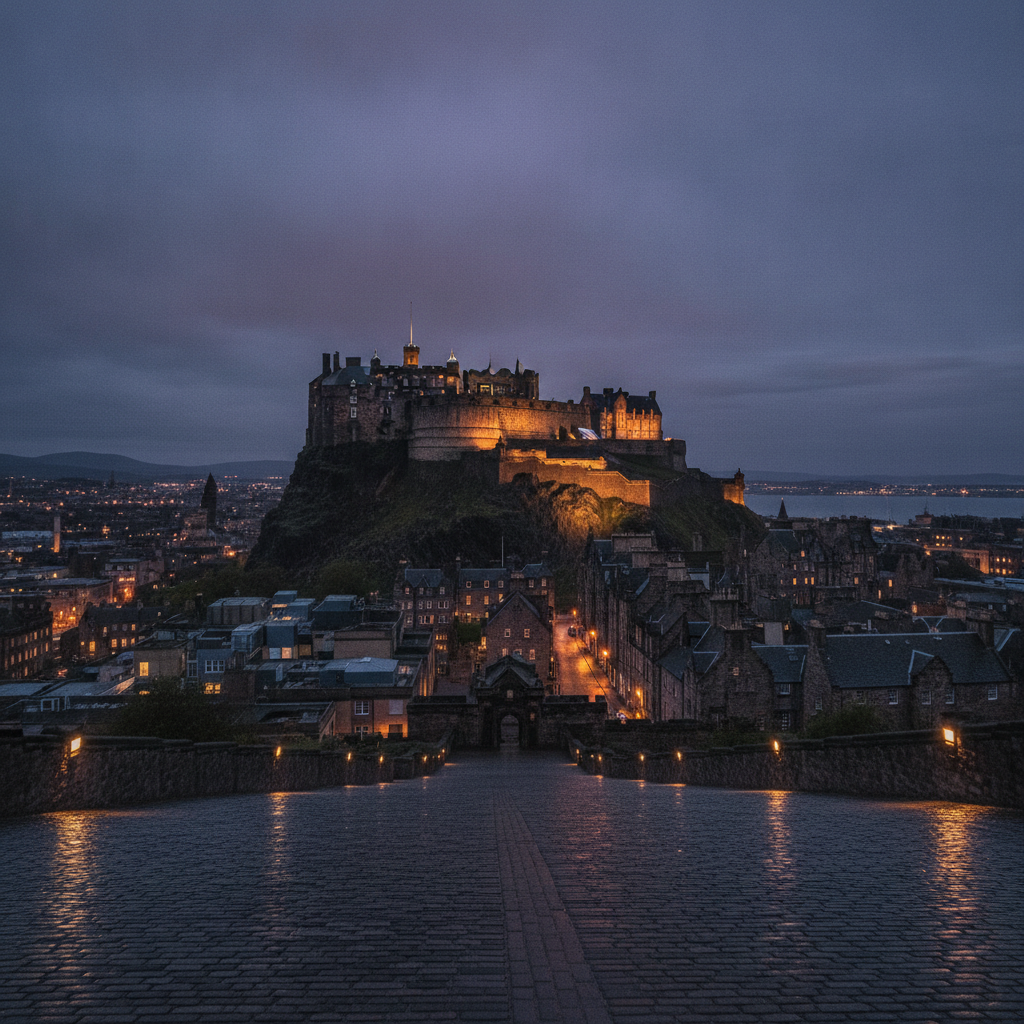
Castello di Edimburgo, il Royal Mile e Holyrood — La Città Vecchia
Edimburgo — la capitale della Scozia, una delle città capitali più drammatiche e belle d'Europa — ha come cuore storico la Città Vecchia, il quartiere medievale che va dal Castello di Edimburgo lungo il Royal Mile fino al Palazzo di Holyroodhouse.
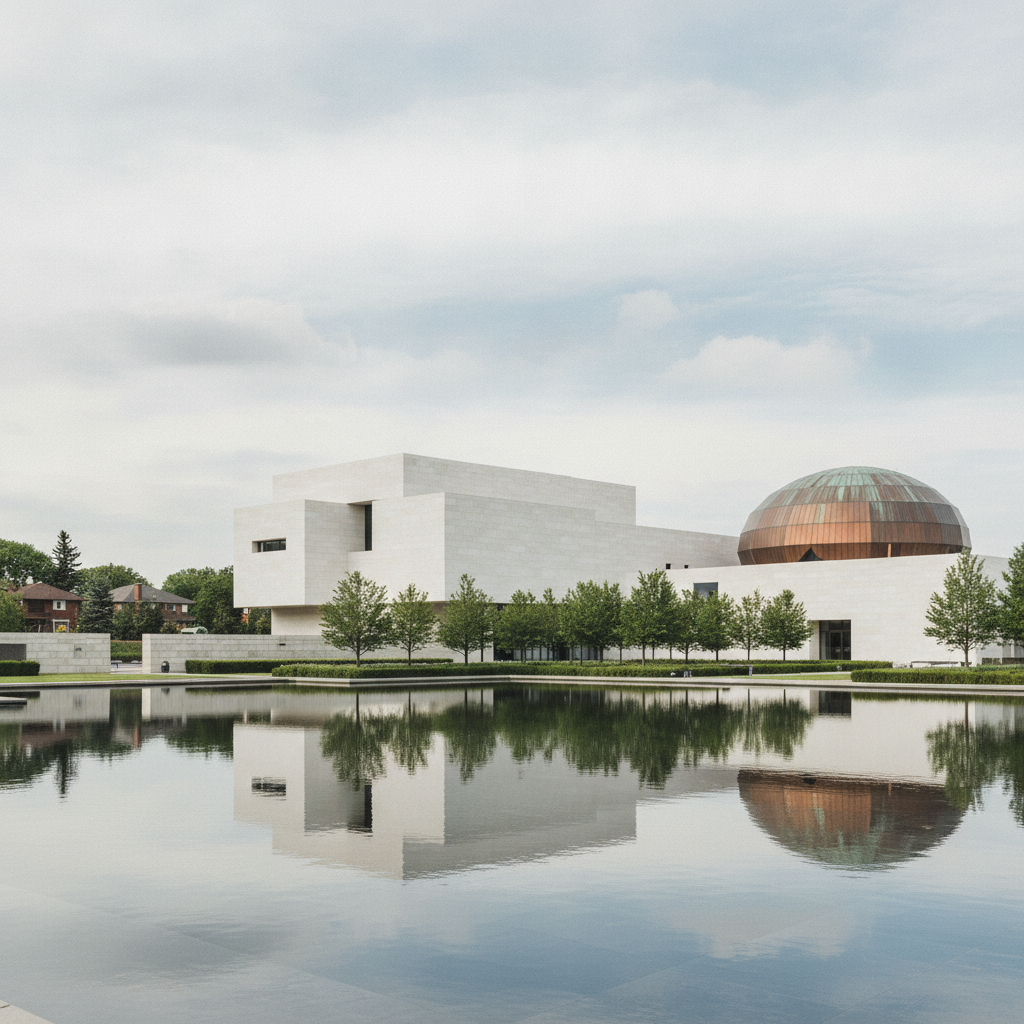
Museo Aga Khan, North York e la Diversità Suburbana di Toronto
Toronto is the most ethnically diverse large city in the world — approximately 50% of Toronto residents were born outside Canada (the highest proportion of any large city in the world), and the city is home to communities from over 200 countries speaking over 140 languages; the suburban areas of Toronto (North York, Scarborough, Etobicoke) house the majority of Toronto's immigrant communities and represent one of the most extraordinary experiments in multicultural urbanism in history.
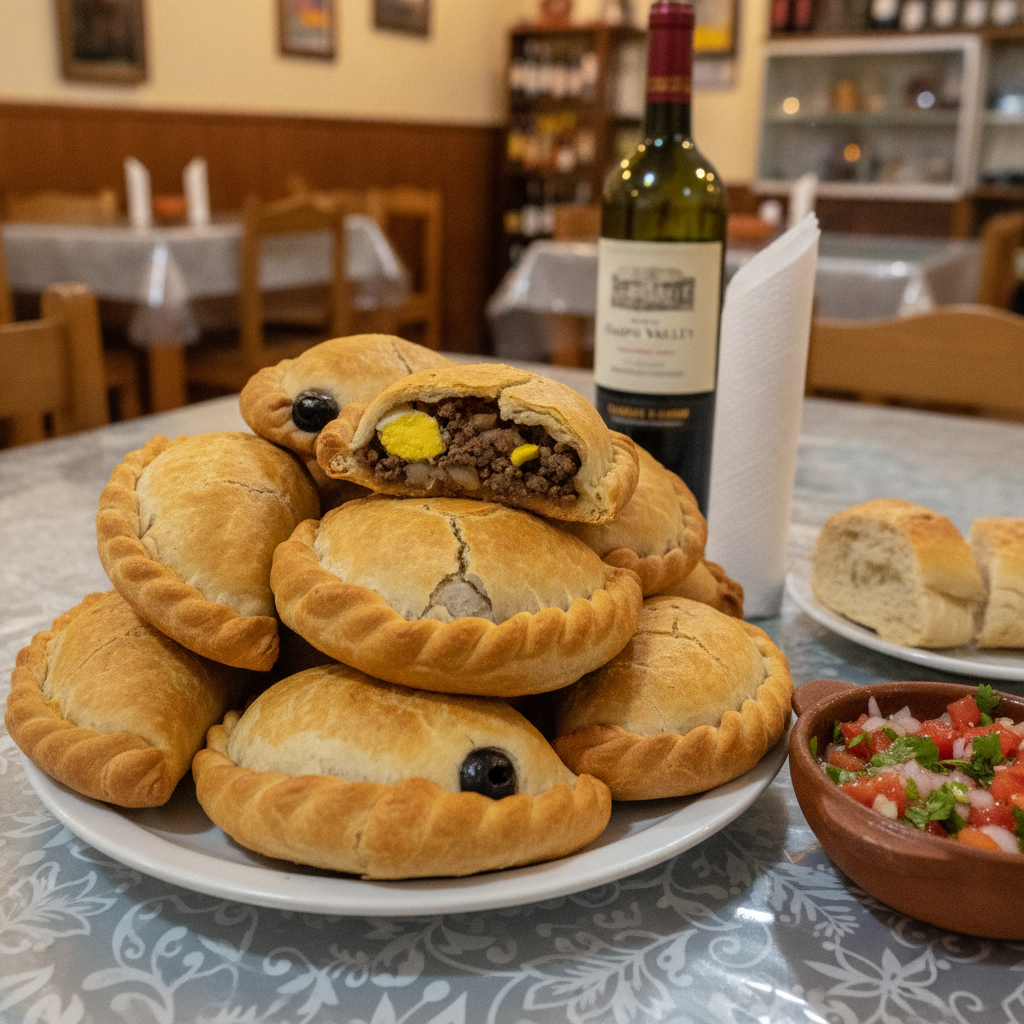
Cucina Cilena, Empanadas e la Cultura Gastronomica di Santiago
La cucina cilena — la cultura gastronomica del paese che si estende dal deserto più arido della Terra alle isole sub-antartiche del sud, con 6.435 km di costa del Pacifico: la scena gastronomica di Santiago abbraccia l'intera gamma delle cucine regionali cilene.
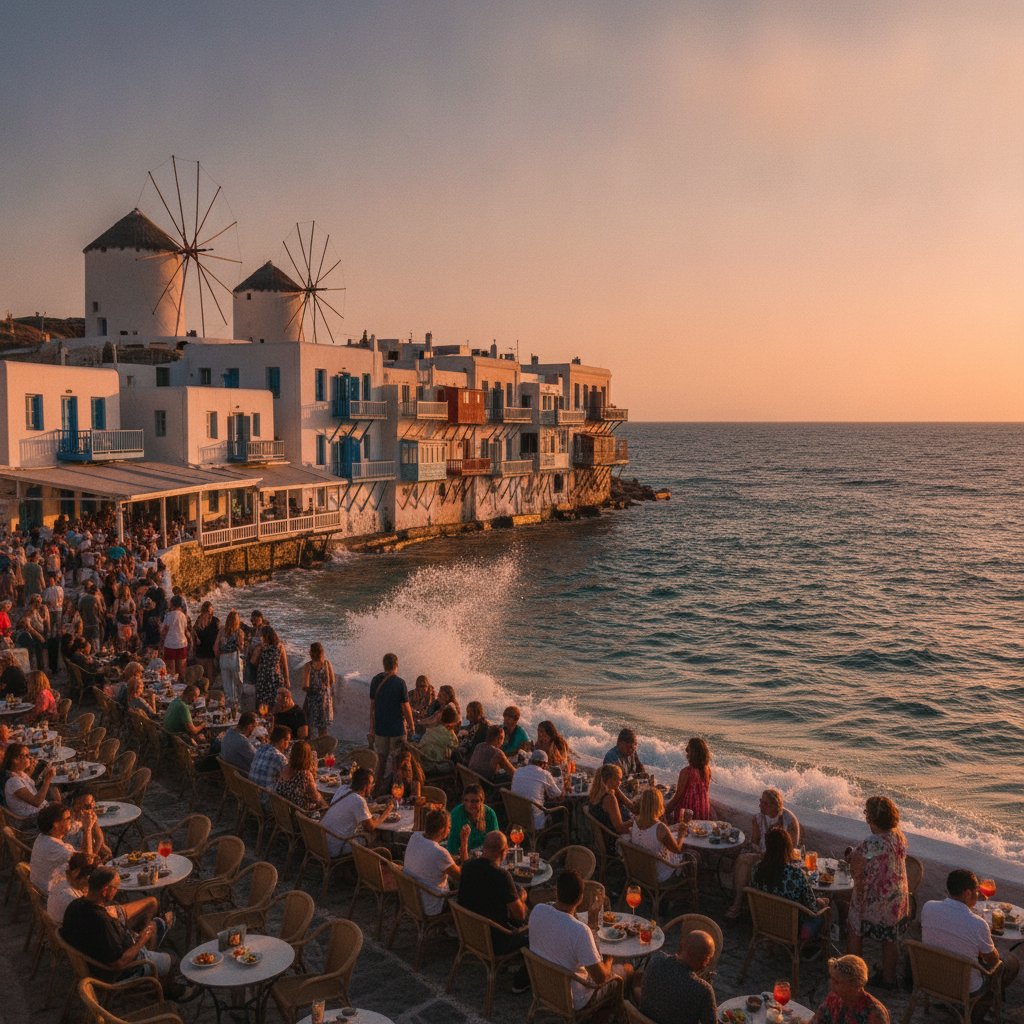
Mykonos Chora — Little Venice, the Windmills & the Labyrinth of the Old Town
Mykonos (the island of 10,000 permanent residents in the central Cyclades, the most internationally recognizable Greek island after Santorini, the combination of the iconic white-cubist architecture of Chora with the internationally oriented party culture and luxury beach club scene making it the most expensive destination in Greece) is built around Chora — the old town — whose labyrinthine street plan was deliberately designed to confuse pirates.
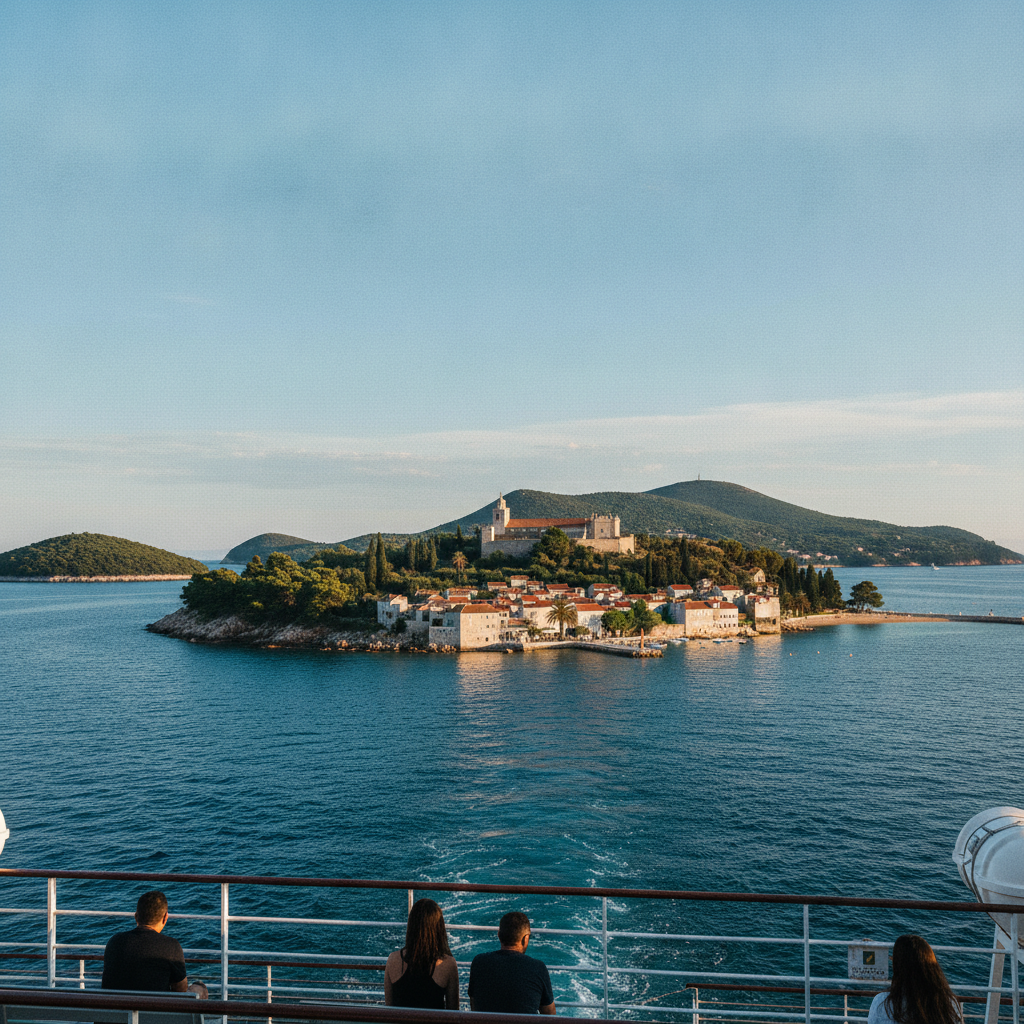
Elafiti Islands Day Trip — Lopud, Sipan & the Best Beach Near Dubrovnik
The Elafiti Islands (the archipelago of 13 islands northwest of Dubrovnik, the three inhabited ones — Kolocep, Lopud, and Sipan — accessible by regular ferry from Dubrovnik Old Port, Jadrolinija car ferry operating year-round with 2-4 daily departures, the furthest island Sipan 75 minutes from Dubrovnik) are the correct day-trip destination from Dubrovnik for a quieter, less-commercialized Adriatic island experience than Korcula, Brac, or Hvar.
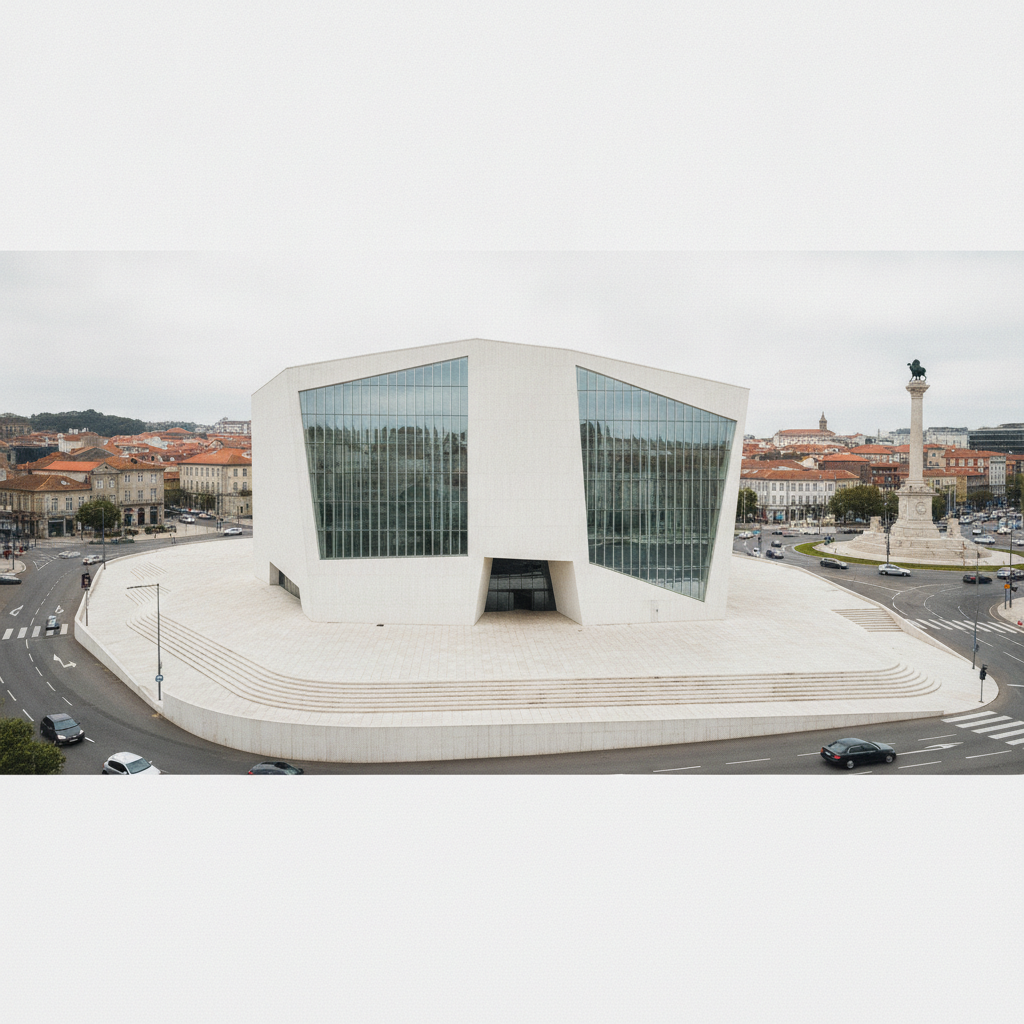
Casa da Música, Serralves e la Cultura Contemporanea di Porto
Porto's contemporary cultural institutions — the Casa da Música (the 2005 concert hall by Rem Koolhaas on the Rotunda da Boavista — the most radical work of contemporary architecture in Porto), the Museu de Arte Contemporânea de Serralves (the 1999 museum by Álvaro Siza Vieira in the Serralves Estate park — the most important contemporary art museum in Portugal), and the cultural district of Boavista and Cedofeita — represent Porto's vibrant contemporary creative identity.
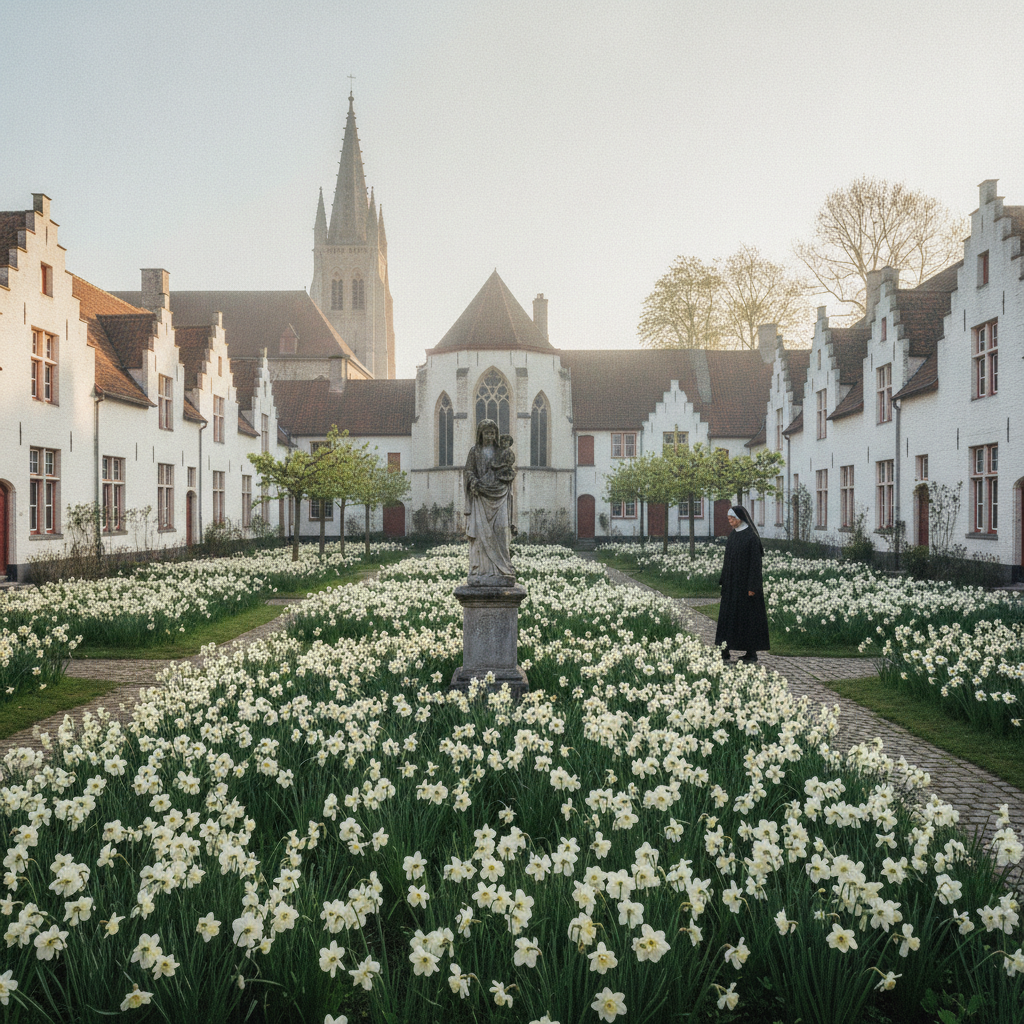
Bruges — Begijnhof, Michelangelo's Madonna, Almshouses, Flemish Lace, Chocolate & the Windmill Ramparts
The walled Begijnhof garden with its spring daffodils, the only Michelangelo sculpture north of the Alps, 50 hidden almshouse courtyards, the world's most celebrated lace tradition, artisan chocolatiers, and the windmill-lined medieval ramparts make Bruges inexhaustible.
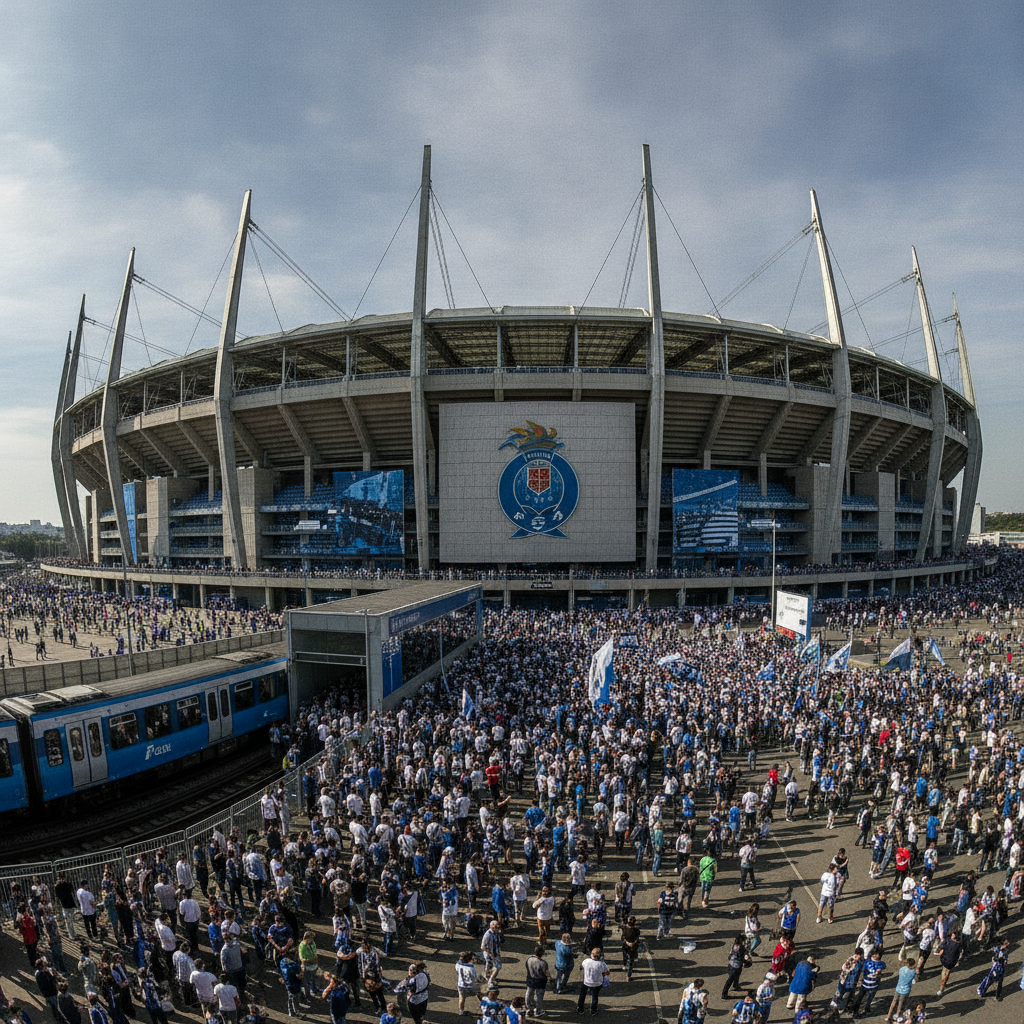
FC Porto, Estádio do Dragão e la Cultura del Calcio Portoghese
L'FC Porto (il club di calcio fondato nel 1893, il club dominante del nord del Portogallo — il club che ha vinto la UEFA Champions League due volte (1987 e 2004 sotto l'allenatore José Mourinho)) e l'Estádio do Dragão (lo stadio da 50.033 posti costruito per gli UEFA Euro 2004) sono l'espressione dell'intensa identità civica e calcistica di Porto.
Carnevale di Rio — Sambódromo, Scuole di Samba e la Festa Più Grande del Mondo
Rio Carnival (Carnaval do Rio de Janeiro — the annual pre-Lent celebration held in Rio de Janeiro in February or March, the largest carnival in the world by attendance (approximately 2 million people per day for 5 days, total of approximately 5 million participants) and by international reputation): the centrepiece of Rio Carnival is the Sambódromo Marquês de Sapucaí (the 700-metre parade avenue designed by architect Oscar Niemeyer, built 1984, seating 90,000 spectators) where the samba school parade competitions take place over two nights.